The Komimin Series: A Comprehensive Guide to Sacred Site Pilgrimage in Takayama, Gifu
The popular novel “Komimin Series” by Honobu Yonezawa is a youth mystery work set in Takayama City, Gifu Prefecture. With its anime adaptation in 2024, sacred site pilgrimage to Gifu Prefecture, the setting of the series, has drawn considerable attention. This article provides a detailed explanation of sacred pilgrimage spots in the Komimin Series, access methods, and recommended model courses.
What is the Komimin Series? Why Gifu Prefecture as the Setting
Series Overview and Appeal
The “Komimin Series” is a connected short story series by Honobu Yonezawa, beginning with “Spring-Limited Strawberry Tart Incident.” The protagonists, Kobato Jogorou and Kosanai Yuki, aim to live inconspicuously and peacefully as “ordinary citizens,” yet find themselves caught up in small mysteries hidden in their everyday lives.
A major characteristic of the work is that it is set in Takayama City, Gifu Prefecture. The beautiful streetscapes of Takayama, the changing seasons and landscapes, and regional culture are deeply woven into the story, making it a popular destination for readers and anime fans who want to visit.
Relationship Between Honobu Yonezawa and Gifu Prefecture
Author Honobu Yonezawa is a writer from Gifu Prefecture, and his representative work “Hyouka” and the “Classical Literature Club Series” are also modeled after Takayama City, Gifu Prefecture. His deep affection for his hometown and detailed geographical descriptions give his works a unique sense of realism.
Detailed Sacred Pilgrimage Spots in Takayama City, Gifu Prefecture
Takayama Station Area
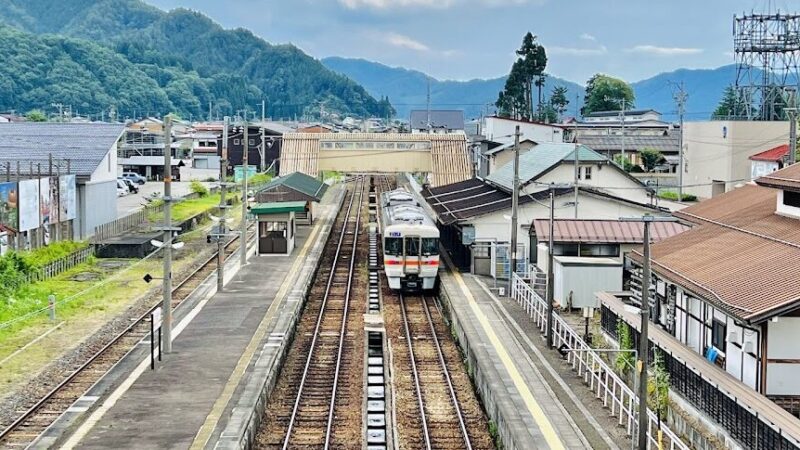
Takayama Station
Takayama Station, the gateway to the story, appears as a place regularly used by Kobato and Yuki. While the station building is a modern structure, the surrounding area features a tourist information center and souvenir shops where you can feel the atmosphere of Hida Takayama.
- Access: JR Takayama Main Line “Takayama Station,” exit directly
- Points of Interest: Station plaza, tourist information center, Hida beef buns and other food
- Photography Points: Station front entrance, east exit plaza
Takayama City Area
The commute routes to the high school where Kobato and Yuki attend and various places in the city they visit after school all appear in the work. The actual geography of Takayama City is faithfully recreated, and by walking with a map in hand, you can experience the world of the work.
Historic District (Sanmachi-dori Area)
Kamizonai, Kamininai, and Kamiichimachi
The “Historic District” retaining traces of the castle town from the Edo period is one of the important settings in the Komimin Series. The street lined with traditional townhouses is depicted as the backdrop for impressive scenes in the work.
- Characteristics: Important preservation district for groups of traditional buildings from the Edo period
- Points of Interest: Sake breweries, miso shops, miscellaneous stores, cafes
- Business Hours: Varies by store (generally 9:00-17:00)
- Access: 12-minute walk from Takayama Station
Scenery Along the Miyagawa River
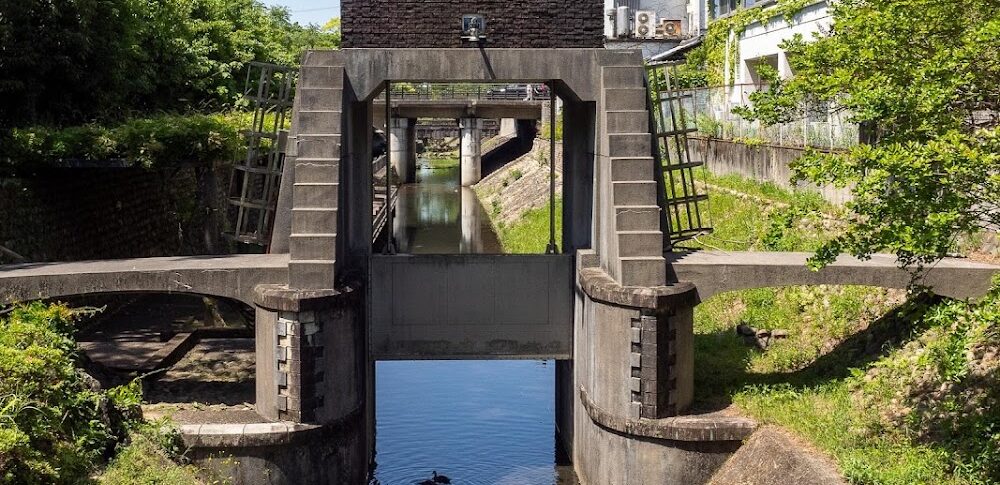
The Miyagawa River flowing through Takayama City is an important element that conveys the passage of seasons in the work. In particular, the scenery along the Miyagawa where morning markets are held is emblematic of the worldview of the Komimin Series.
High School Area in Takayama City
The specific location of the school that serves as a model for the high school depicted in the work is not explicitly stated from the perspective of privacy protection; however, the atmosphere of areas around high schools within Takayama City is reflected in the work. During sacred site pilgrimages, care must be taken not to disturb current students or local residents.
Hida no Sato
Hida Folklore Village – Hida no Sato
An open-air museum where gassho-zukuri traditional farmhouses have been relocated and preserved. The Komimin Series sometimes features this location as the setting for seasonal events or school activities.
- Admission: Adults 700 yen, Elementary and Junior High School students 200 yen
- Opening Hours: 8:30-17:00 (varies by season)
- Access: 10 minutes by bus from Takayama Station, get off at “Hida no Sato”
- Points of Interest: Gassho-zukuri farmhouses, straw craft demonstrations, seasonal experience events
Takayama Jinya
National Historic Site Takayama Jinya
A historic building that served as a magistrate’s office for the Edo shogunate and is the only surviving district magistrate/magistrate’s office still in existence. In the work, it is mentioned as a setting for episodes related to history and culture.
- Admission: Adults 440 yen, High school students and below free
- Opening Hours: 8:45-17:00 (until 18:00 in August, until 16:30 from November to February)
- Access: 10-minute walk from Takayama Station
- Points of Interest: Oyakusho, Ginjisho, Okura
Cafes and Restaurants
The cafes and dessert shops that the protagonists visit in the Komimin Series play important roles. Throughout Takayama City, there are numerous old townhouse cafes and Japanese confectionery shops that perfectly match the atmosphere of the work.
Recommended Cafes and Dessert Shops
- Cafes in Renovated Old Houses: Scattered throughout the historic district
- Japanese Confectionery Shops: Offer seasonal sweets named after the work’s titles
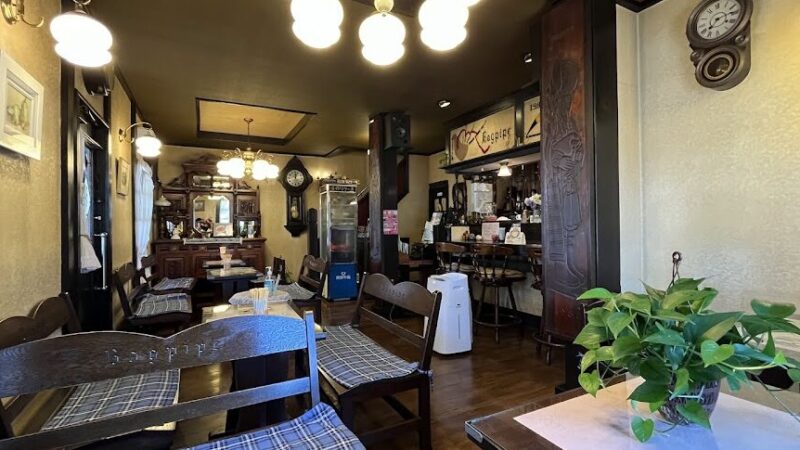
- Retro Cafes: Located throughout the city with vintage atmosphere
Seasonal Highlights
Spring (March-May)
- Cherry Blossom Spots: Shiroyama Park, Garyuzakura
- Spring Takayama Matsuri (Sanno Matsuri): April 14-15
- Strawberry Sweets: Sweet exploration inspired by the work title “Spring-Limited Strawberry Tart Incident”
Summer (June-August)
- Miyagawa Clear Stream: Walks along the riverbank
- Summer Attractions: Sweetfish dishes, river-side dining
- Experience events at Hida no Sato
Autumn (September-November)
- Autumn Leaves: Hida no Sato, Shiroyama Park
- Fall Takayama Matsuri (Hachiman Matsuri): October 9-10
- Autumn flavors: Chestnuts, persimmons
Winter (December-February)
- Snow Scenery: Historic district blanketed in snow
- Winter Cuisine: Hida beef, hoba-miso
- Sake brewery tours
Sacred Pilgrimage Model Courses
Day Trip Course (Approximately 6-7 hours)
9:00 Arrive at Takayama Station
- Photograph the station building, obtain a map from the tourist information center
9:30-10:30 Miyagawa Morning Market
- Explore the morning market along Miyagawa (7:00-12:00 April-December, 8:00-12:00 January-March)
- View local vegetables and folk crafts
10:45-12:00 Historic District Walk
- Experience the Edo-period streetscape centered on Kamizonai
- Tour sake breweries and sample sake (for non-drivers)
12:00-13:00 Lunch
- Enjoy Hida beef cuisine or Takayama ramen
13:30-14:30 Visit Takayama Jinya
- View the historic building
- Jinya morning market (morning hours only)
15:00-16:30 Hida no Sato
- View gassho-zukuri farmhouse groups
- Participate in seasonal experience events
17:00-18:00 Rest at a City Cafe
- Enjoy tea time at a cafe with an atmosphere from the work
18:30 Depart from Takayama Station
One Night, Two Days Course
Day 1
- Morning: Arrive at Takayama Station, explore historic district
- Afternoon: Takayama Jinya, tour museums in the city
- Evening: Check into a hot spring inn
- Night: Dinner with Hida beef and local cuisine
Day 2
- Morning: Miyagawa morning market, Hida no Sato
- Afternoon: Extend trip to nearby attractions (Shirakawa-go, Oku-Hida hot spring areas, etc.)
- Evening: Depart from Takayama Station
Sightseeing Course (2 Nights, 3 Days)
A course to explore the Hida region based in Takayama City while experiencing the atmosphere of the Komimin Series.
Day 1: Sacred pilgrimage within Takayama City
Day 2: Visit gassho-zukuri farmhouse settlements in Shirakawa-go and Gokayama
Day 3: Oku-Hida hot spring areas, Kamikochi (seasonal)
Access Methods and Transportation
Train Access
From the Nagoya Area
- Limited Express “Wide View Hida” on JR Takayama Main Line for approximately 2 hours 20 minutes
- Fare: 5,610 yen one way (including limited express surcharge)
- Frequency: 7-8 trains per day
From the Toyama Area
- Limited Express “Wide View Hida” on JR Takayama Main Line for approximately 1 hour 30 minutes
- Fare: 3,410 yen one way (including limited express surcharge)
- Frequency: 7-8 trains per day
From the Tokyo Area
- Tokaido Shinkansen via Nagoya is typical
- Travel time: Approximately 4 hours 30 minutes-5 hours
Highway Bus Access
From Tokyo/Shinjuku
- Travel time: Approximately 5 hours 30 minutes
- Fare: 6,000-7,500 yen one way (varies by season)
- Overnight buses also available
From Osaka/Kyoto
- Travel time: Approximately 4 hours 30 minutes-5 hours
- Fare: 4,000-5,500 yen one way
From Nagoya
- Travel time: Approximately 2 hours 50 minutes
- Fare: Approximately 3,000 yen one way
Car Access
Via Chubu Longitudinal Expressway
- From Nagoya: Approximately 2 hours 30 minutes (to Takayama IC)
- From Toyama: Approximately 1 hour 30 minutes
- Parking: Multiple paid parking lots in the city (approximately 500-1,000 yen per day)
In-City Transportation
On Foot
- Major pilgrimage spots are within walking distance from Takayama Station (10-20 minutes)
- Historic district area is compact and easy to navigate
Rental Bikes
- Rates: 500 yen for 2 hours, approximately 1,000 yen for 1 day
- Rental locations: Takayama Station area, tourist information center, etc.
- Recommended: Convenient for traveling flat city areas
Municipal Bus (Nora My Car)
- City circulation bus “Machininami Bus”: 100 yen per ride, 500 yen for all-day pass
- Connects major tourist attractions
- Service intervals: One bus every 30 minutes to 1 hour
Taxi
- Initial fare: Approximately 600 yen
- From station to major spots: 1,000-2,000 yen
Enjoying Sacred Pilgrimage and Etiquette
Comparing with the Work
Bring the Novel
By bringing the Komimin Series novels and re-reading relevant scenes while exploring, you can experience the work’s world more deeply. Particularly detailed passages describing scenery offer new discoveries when compared with actual locations.
Use Anime Sacred Pilgrimage Maps
With the 2024 anime adaptation, official and unofficial sacred pilgrimage maps have been created. Using these allows you to visit pilgrimage spots efficiently.
Match the Season
Each work in the Komimin Series has a clearly set season. Visiting during the season of each work—for example, visiting in spring for “Spring-Limited Strawberry Tart Incident”—allows you to experience the work’s atmosphere more authentically.
Photography Tips
Recommended Photography Spots
- Nakabashi Bridge: Vermillion-colored bridge spanning Miyagawa, a signature Takayama photography spot
- Historic District Alleys: Soft light in early morning or evening is recommended
- Cherry Tree Rows Along Miyagawa: Spring-only panoramic views
- Gassho-zukuri Houses at Hida no Sato: Beautiful in each season
Photography Notes
- Obtain permission before photographing on private property or inside shops
- Be mindful of avoiding photographing passersby’s faces
- Use tripods only in places that won’t inconvenience others
- Be aware that early morning and evening are residents’ living hours
- Avoid photography
Consideration for Local Community and Etiquette
Manners in Residential Areas
While Takayama City is a tourist destination, it is also a place where local residents live. Especially in residential areas and around schools, please note the following:
- Avoid loud conversations and noise
- Always take your trash with you
- Do not trespass on private property
- Avoid visiting early morning or late night
- Do not park illegally on streets
Precautions Around Schools
The areas around schools that serve as models for the work are places where current students commute.
- Do not enter school grounds
- Avoid photographing during commute times
- Never approach or photograph students
- Avoid prolonged stays in front of school gates
Contributing to Local Economy
It is important to contribute to the local economy through sacred site pilgrimage.
- Patronize local restaurants and souvenir shops
- Pay admission fees for paid facilities
- Purchase local specialty products
- Choose local inns and hotels for accommodation
Gourmet and Specialty Products of Takayama City
Must-Try Cuisine
Hida Beef
One of Japan’s representative branded wagyu beef. Throughout Takayama City, there are numerous restaurants offering dishes using Hida beef.
- Hida beef steak
- Hida beef sushi
- Hida beef buns (food for walking)
- Hida beef shabu-shabu
- Hida beef hamburger
Takayama Ramen
Characterized by light, soy-based soup and thin, curly noodles. Locals often call it “chuuka soba” (Chinese noodles).
Hoba-miso
A local specialty dish where miso and vegetables, Hida beef, and other ingredients are grilled on a magnolia leaf. The fragrant aroma stimulates appetite.
Goheimochi
Mashed rice placed on a skewer and grilled with sweet and savory sauce. Perfect for eating while walking.
Mitarashi Dango
Takayama’s mitarashi dango has a sweet and savory soy-based sauce, differing from typical mitarashi dango.
Seasonal Limited Sweets
Seasonal limited sweets, which also serve as titles of each work in the Komimin Series, are one of the pleasures of sacred site pilgrimage.
Spring: Strawberry Sweets
- Strawberry tart
- Strawberry daifuku
- Strawberry parfait
Summer: Summer Limited Sweets
- Shaved ice
- Peach sweets
- Matcha parfait
Autumn: Chestnut and Potato Sweets
- Mont Blanc
- Kuri kinton (chestnut and sweet potato dish)
- Sweet potato sweets
Winter: Winter Season Limited Sweets
- Hot chocolate
- Roasted sweet potato
- Warm Japanese sweets
Recommended Souvenirs
Sarubōbo
A folk toy from the Hida region made of red cloth. “Saru” is a pun on “monkey” (猿) and “to go away” (去る), symbolizing the removal of misfortunes.
Hida Beef Products
- Hida beef curry
- Hida beef shigure-ni
- Hida beef jerky
Local Sake
Takayama City has multiple sake breweries, each producing sake with distinct characteristics.
- Kusuutama (Hirase Sake Brewery)
- Dasha (Harada Sake Brewery)
- Hourai (Watanabe Sake Brewery)
Pickles and Miso
Traditional preserved foods of the Hida region.
- Red turnip pickles
- Sunki pickles
- Hida miso
Nearby Attractions
Shirakawa-go and Gokayama
UNESCO World Heritage gassho-zukuri farmhouse settlements. Approximately 50 minutes by car from Takayama City, 50 minutes to 1 hour by bus. You can experience the Hida traditional culture resonating with the worldview of the Komimin Series.
Oku-Hida Hot Spring Area
Comprising five hot spring areas—Hirayu, Fukuji, Shin-Hirayu, Tochio, and Shin-Hotaka—the hot spring region is located 40 minutes to 1 hour by car from Takayama City. Perfect for relaxing after the fatigue of sacred site pilgrimage.
Kamikochi
A scenic area surrounded by Northern Alps mountain ranges. Open from late April to mid-November. Approximately 1 hour 30 minutes by bus from Takayama City.
Hida Furukawa
A neighboring town to Takayama City, also known as a sacred site for the film “Your Name.” with a picturesque atmosphere. Approximately 15 minutes by train from Takayama City.
Choosing Accommodations
Inns and Hotels
Hot Spring Inns
- Enjoy Hida beef and local cuisine
- Relax in hot springs to soothe fatigue
- Rates: Approximately 10,000-30,000 yen per night with 2 meals
Business Hotels
- Convenient proximity to station
- Affordable prices
- Rates: Approximately 5,000-10,000 yen per night without meals
Old Townhouse Accommodations
- Experience traditional Hida architecture
- Immerse yourself in the work’s atmosphere
- Rates: Approximately 15,000-25,000 yen per night with 2 meals
Guest Houses and Hostels
- Enjoy interaction with other travelers
- For backpackers
- Rates: Approximately 3,000-6,000 yen per night without meals
Booking Tips
Avoid Peak Seasons
- Spring Takayama Matsuri (April 14-15)
- Golden Week
- Fall Takayama Matsuri (October 9-10)
- Autumn foliage season (mid-October to early November)
During these periods, accommodations are crowded and rates are higher, requiring early reservations.
Weekdays Offer Better Value
Weekday accommodation rates are lower than weekends and holidays, and tourist spots are relatively less crowded.
Information Useful for Sacred Pilgrimage
Official Information and Tourist Guidance
Takayama City Official Tourism Website
- Check the latest tourism and event information
- Download digital pamphlets
Takayama Station Tourist Information Center
- Business Hours: 8:30-18:30 (April-October), 8:30-17:30 (November-March)
- Distribution of maps and pamphlets
- Introduction to accommodations
- Arrangement of tour guides
Convenient Apps and Tools
Sacred Pilgrimage Apps
- Location scouting maps
- Search nearby sacred sites from current location using GPS
- Photo comparison features
Transportation Apps
- Google Maps: Route searches, travel time verification
- Transit Navigation: Train and bus schedules
- Taxi Dispatch Apps: JapanTaxi, DiDi, etc.
Packing Checklist
Essential Items
- Smartphone (maps, camera, information search)
- Mobile battery
- Novel or anime materials
- Cash (some shops don’t accept cards)
- Comfortable walking shoes
- Weather-appropriate clothing
Convenient Items
- Pilgrimage notebook (for visit records)
- Camera (other than smartphone)
- Collapsible umbrella
- Eco-bag (for souvenirs)
- Sunscreen and hat (summer)
- Warm clothing (winter)
Weather and Clothing
Spring (March-May)
- Temperature: 5°C-20°C
- Clothing: Thin jacket, layered clothing
- Note: Mornings and evenings can be cool
Summer (June-August)
- Temperature: 15°C-30°C
- Clothing: Short sleeves, thin outer layer
- Note: Strong sunlight, watch for sudden rain
Autumn (September-November)
- Temperature: 5°C-20°C
- Clothing: Long sleeves, jacket
- Note: Large temperature differences between morning and evening
Winter (December-February)
- Temperature: -5°C-10°C
- Clothing: Down jacket, gloves, scarf
- Note: Snow accumulation, watch for road icing
Introduction to Komimin Series Works
Series Works List
- Spring-Limited Strawberry Tart Incident (2014)
- Kobato and Yuki’s meeting and “ordinary citizen” declaration
- Four short stories set in spring Takayama
- Summer-Limited Tropical Parfait Incident (2015)
- Connected short stories set during summer break
- Deepening of the two protagonists’ relationship
- Autumn-Limited Chestnut Dish Incident (2017)
- Stories set against the backdrop of fall Takayama Matsuri
- Conflicts regarding living as an “ordinary citizen”
- Winter-Limited Bon Bon Chocolate Incident (2019)
- Stories set in winter Takayama
- A turning point in the series
About the Anime Version
The anime adaptation in 2024 faithfully recreated the original atmosphere, with beautiful imagery depicting Takayama’s scenery becoming a topic of discussion. The landscape of Takayama is depicted carefully, and watching the anime before sacred site pilgrimage allows you to enjoy the work’s world more deeply.
Conclusion: Maximizing Enjoyment of Komimin Series Sacred Site Pilgrimage
Sacred site pilgrimage of the Komimin Series is a special experience that allows you to immerse yourself in the work’s world while enjoying Takayama City’s beautiful scenery and traditional culture.
Keys to Success
- Preparation: Re-read the work and create a list of spots you want to visit
- Seasonal Choice: Visiting during the work’s seasonal setting enhances the atmosphere
- Time Management: Major spots are within walking distance, but plan with adequate time
- Local Consideration: Respect local manners and do not disturb residents
- Enjoying Cuisine: Hida beef and seasonal sweets are part of the pilgrimage
- Recording Memories: Document your pilgrimage with photographs and notebooks
Through sacred site pilgrimage of the Komimin Series, not only does your understanding of the work deepen, but you will also rediscover Takayama City’s charm. With the spirit of being an “ordinary citizen” that Kobato and Yuki aspired to, enjoy your pilgrimage through Takayama with quiet fulfillment.
Takayama City offers beautiful scenery in all four seasons, with new discoveries on each visit. While visiting all spots in a single trip may be difficult, this leaves room for future visits. Immerse yourself in the world of the Komimin Series while enjoying Hida Takayama’s history and culture, and warm encounters with its people.