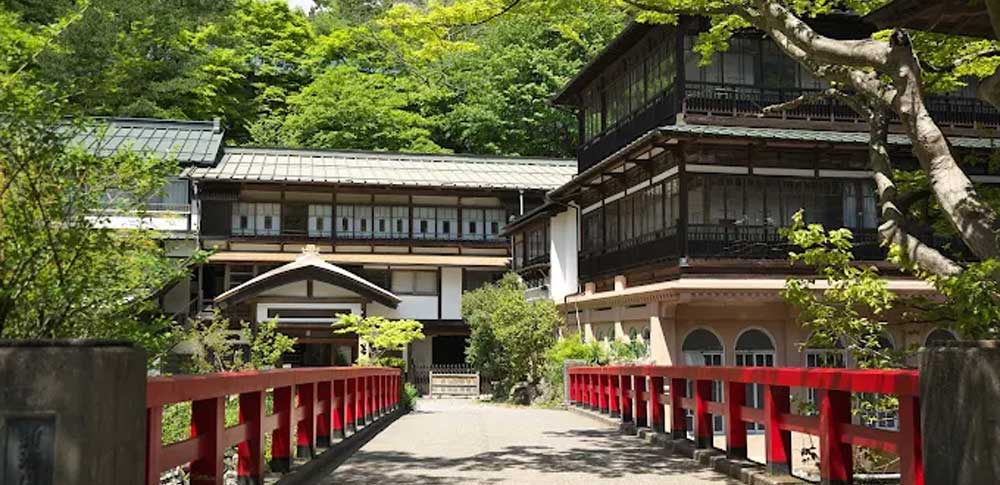
Sekishinkan, located in Shima Onsen, a hidden gem in Gunma Prefecture, has garnered attention from Studio Ghibli fans both domestically and internationally as one of the model locations for the masterpiece “Spirited Away.” The fantastical landscape created by the vermillion bridge and historic wooden architecture evokes the “Bathhouse” that appears in the film.
This article provides a thorough explanation of Sekishinkan’s charm and delivers all the information you should know before visiting.
The Relationship Between Spirited Away and Sekishinkan
Studio Ghibli’s Official Position
Studio Ghibli and director Hayao Miyazaki have not officially specified any particular location as the model for the Bathhouse in “Spirited Away.” However, due to the remarkable correspondence between Sekishinkan’s exterior and atmosphere and the film’s world, many fans and media outlets have introduced it as “one of the models.”
Director Miyazaki has stated in past interviews that he “drew inspiration from hot spring inns and public bathhouses throughout Japan,” and Sekishinkan is considered one of the candidate locations.
Similarities with the Bathhouse
There are the following similarities between Sekishinkan and the Bathhouse in “Spirited Away”:
Similarities in Architectural Style
- Heavy three-story wooden structure
- Layout where a vermillion bridge (Keiun Bridge) leads to the building’s entrance
- Retro exterior evoking Taisho-era romanticism
- Fantastical atmosphere created by nighttime illumination
Common Spatial Composition
- Intricately winding interior structure
- Staircases and corridors that evoke history
- Location built alongside a river
- Ambiance that retains strong traces of traditional hot spring culture
Many visitors remark, “It’s as if I’ve wandered into the world where Chihiro found herself lost,” making it a precious place where visitors can experience the film’s world.
History and Cultural Value of Sekishinkan
Historic Inn Boasting Over 400 Years of History
Sekishinkan was founded in the 4th year of Genroku (1691) and is Gunma Prefecture’s oldest hot spring inn with over 330 years of history. While preserving traditions spanning from the Edo period, it has welcomed countless hot spring therapy guests to the present day.
Historical Episodes
- Flourished as a bathing resort in the Edo period and was visited by many literati and artists
- Records remain of imperial family stays during the Meiji era
- It is said that literary master Osamu Dazai stayed here in the early Showa period
National Registered Tangible Cultural Property
Sekishinkan’s main building was designated as a National Registered Tangible Cultural Property in 1996. In particular, the “Genroku Bath” is an extremely valuable existence in architectural history as the oldest existing bathing facility structure in Japan.
Value as a Cultural Property
- Retains strong architectural style from the Genroku era
- Traditional wooden building techniques visible throughout
- Living historical record conveying the history of hot spring culture
Sekishinkan’s Three Buildings and Their Characteristics
Sekishinkan consists of three buildings: the “Main Building,” “Sanso,” and “Kashoutei,” each with distinct appeal.
Main Building (Genroku Bath)
Construction Year: 4th year of Genroku (1691)
The main building is the most historic within Sekishinkan and is the structure garnering attention as a model for “Spirited Away.”
Highlights
- Genroku Bath: A communal bathing facility featuring Japan’s oldest bathing facility architecture
- Unique structure with five bathing pools lined up
- Distinctive arched windows in Taisho-era romantic style
- Heavy three-story wooden exterior
The Genroku Bath was used as a filming location not only for “Spirited Away” but also for the NHK asadora “Asa ga Kita.”
Sanso
Construction Year: 11th year of Showa (1936)
Sanso is positioned between the main building and Kashoutei and retains early Showa-period architectural style.
Characteristics
- Relatively reasonable accommodation rates
- Guest rooms where retro atmosphere can be enjoyed
- Access to both Genroku Bath and the rock bath
Kashoutei
Construction Year: 8th year of Heisei (1996)
Kashoutei is the newest building, blending modern comfort with traditional atmosphere.
Characteristics
- Guest rooms with private open-air baths available
- Spacious Japanese-style rooms
- Barrier-free accessible rooms also equipped
- Luxurious facilities and service
Sekishinkan’s Hot Springs and Bathing Facilities
Genroku Bath (National Registered Tangible Cultural Property)
The Ultimate Highlight
The Genroku Bath is Sekishinkan’s symbol and is known as Japan’s oldest bathing facility structure.
Facility Details
- Unique layout with five bathing pools lined up
- Shallow bathing pools approximately 43cm deep (suited to long-term bathing in hot spring therapy style)
- Gender-segregated with alternating time slots for use
- Magical natural light streaming through arched windows
Bathing Etiquette
- Respect hot spring therapy culture and bathe quietly
- Avoid monopolizing the bath for extended periods
- Photography limited to times when no other bathers are present (prior confirmation recommended)
Rock Bath
The rock bath, built in the Taisho era, is an open hot spring where visitors can bathe while viewing the Shima River gorge.
Characteristics
- Natural, rustic style utilizing natural rock formations
- Bathing while listening to the babbling of the stream
- Enjoy different gorge scenery according to season
Mori Bath (Open-Air Bath)
An open-air bath available to Kashoutei guests where visitors can enjoy forest bathing and hot spring bathing simultaneously.
Shima Onsen’s Water Quality and Therapeutic Effects
Water Quality: Sodium-calcium chloride sulfate hot spring
Therapeutic Effects
- Neuralgia, muscle pain, joint pain
- Sensitivity to cold, fatigue recovery
- Skin diseases, cuts, burns
- Chronic digestive disorders, hemorrhoids
Shima Onsen is said to have received its name from the legend that it “heals four million ailments,” and has long been cherished as a hot spring therapy resort.
Keiun Bridge (Vermillion Bridge) – Iconic Bridge of Spirited Away
The Charm of the Vermillion Bridge
The vermillion Keiun Bridge spanning the entrance to Sekishinkan evokes the bridge that Chihiro crosses on her way to the Bathhouse in “Spirited Away.”
Appeal as a Photography Spot
- Contrast between Shima River’s clear stream and the vermillion bridge
- Fantastical atmosphere from nighttime illumination
- Different expressions according to season (fresh greenery, autumn leaves, snow scenery)
Best Photo Spots
Recommended Photography Times
- Early morning: Few people and beautiful bridge bathed in morning sun
- Dusk: Silhouette of bridge and sun creates fantastical effect
- Night: Illuminated bridge and building closest to “Spirited Away” world
Photography Angles
- Angle looking up from beneath the bridge
- Angle capturing entire bridge from riverside promenade
- Angle looking down at Shima River from atop the bridge
Detailed Access Methods to Sekishinkan
Access by Train and Bus
From Tokyo Area
- Limited express “Kusatsu” from JR Ueno Station to Nakanojo Station, approximately 2 hours
- Bus bound for Shima Onsen from Nakanojo Station, approximately 40 minutes, get off at “Shima Onsen” bus stop
- Approximately 5-minute walk from bus stop
Via Kan-Etsu Expressway
- Agatsuma Line from JR Takasaki Station to Nakanojo Station, approximately 50 minutes
- Bus to Shima Onsen from Nakanojo Station
Bus Schedule Notes
- Limited number of services, prior confirmation essential
- Operational schedule may change in winter
- Check latest information on Kan-Etsu Transportation official website
Access by Car
Using Kan-Etsu Expressway
- Approximately 1 hour from Shikawa Ikaho IC via Route 353 and prefectural roads (approximately 40km)
- Car navigation setting: “Sekishinkan” or “Shima Onsen, Nakanojo Town, Agatsuma County, Gunma Prefecture”
Parking Information
- Complimentary parking lot for guests (free)
- Parking also available for day-trip bathers (confirmation required)
- Use caution when driving—hot spring town streets are narrow
Shuttle Service
Sekishinkan provides shuttle service from Nakanojo Station (advance reservation required).
Shuttle Conditions
- Limited to overnight guests
- Prior reservation required (request at time of booking)
- Specific times available (adjustment possible to match arrival times)
Accommodation Plans and Rates
Main Building Accommodation Plans
Price Range: Approximately 15,000-25,000 yen per person for 1 night, 2 meals
Plan Features
- Special experience of staying in cultural property
- Free use of Genroku Bath
- Enjoy retro atmosphere
- Rooms relatively simple (hot spring therapy style)
Cautions
- Toilets and washing facilities may be shared
- No elevator (stairs required)
- Simplified amenities due to historic building status
Sanso Accommodation Plans
Price Range: Approximately 12,000-20,000 yen per person for 1 night, 2 meals
Plan Features
- Cost-performance focus
- Access to both Genroku Bath and rock bath
- Showa retro atmosphere
Kashoutei Accommodation Plans
Price Range: Approximately 25,000-45,000 yen per person for 1 night, 2 meals
Plan Features
- Guest rooms with private open-air baths available
- Fusion of modern comfort and tradition
- Luxurious meals and service
- Barrier-free accessible rooms available
Day-Trip Bathing Plans
Rate: Approximately 1,500-2,000 yen
Operating Hours: Usually 10:00-16:00 (last entry 15:00)
Cautions
- Entry restrictions possible during crowded times
- May not accept day-trip bathers during peak seasons
- Advance phone confirmation recommended
- Genroku Bath has gender-segregated time slots
Day-Trip Bathing Reservations
- Generally no reservation required (first-come, first-served basis)
- Prior contact recommended for groups
- Heavy congestion expected during Golden Week, Obon, and autumn foliage season
Meals at Sekishinkan
Dinner
Kaiseki cuisine featuring local ingredients from Gunma Prefecture is provided.
Representative Menu Items
- Jozuo beef steak or sukiyaki
- Grilled river fish (char and Japanese charr)
- Tempura of local vegetables
- Gunma Prefecture konnyaku dishes
- Seasonal wild vegetable dishes
Dining Locations
- Private dining room (depending on plan)
- Large dining hall (groups)
- In-room dining (select plans only)
Breakfast
Japanese set breakfast is standard, featuring local ingredients.
Breakfast Characteristics
- Hot spring eggs
- Local vegetable salad
- Grilled fish
- Hot spring tofu
- Homemade pickles
Viewing and Photography Etiquette and Rules
Viewing for Non-Guests
Sekishinkan is an operating inn requiring protection of guest privacy and comfort.
Viewable Areas
- Keiun Bridge and exterior: Free to view and photograph
- Interior: Generally limited to overnight or day-trip bath guests
- Lobby: Short viewing sometimes possible depending on circumstances (confirmation required)
Viewing Precautions
- Avoid loud conversation
- Show consideration for guest comfort
- Avoid visiting outside business hours
- Do not trespass on grounds without permission
Photography Etiquette
Exterior Photography
- Bridge and building exterior photography generally free
- Tripod use acceptable within limits that don’t obstruct other visitors
- Consideration for nearby residents during nighttime shooting
Interior Photography
- Photography prohibited in bathing areas like Genroku Bath (possible by discussion when no bathers present)
- Exercise care that guests don’t appear in photos
- Avoid flash photography
- Use caution with location tags in social media posts
Commercial Photography
- Prior permission application to inn required
- Photography fees may apply
Tourist Spots Around Shima Onsen
When visiting Sekishinkan, it is recommended to enjoy nearby tourist attractions as well.
Shima no Ouketsu (Plunge Pool) Group
Time Required: Approximately 15-minute walk from Sekishinkan
The plunge pool group designated as a National Natural Monument features holes created over long periods by river flow eroding rock.
Highlights
- Eight large and small plunge pools
- Largest measures 3m in diameter and 1.2m deep
- Natural sculptural beauty
- Well-maintained promenade for easy strolling
Oku Shima Lake (Shima River Dam)
Time Required: Approximately 15-minute drive from Sekishinkan
The lake features distinctive mystical cobalt-blue water called “Shima Blue.”
Ways to Enjoy
- Lakeside stroll
- Canoe and kayak experiences (seasonal)
- Photography (azure water especially stunning on clear days)
- Particularly beautiful during autumn foliage season
Shima Onsen Town Stroll
Time Required: 1-2 hours
The hot spring town retains Showa retro atmosphere, making for pleasant strolling.
Highlights
- Retro target shooting galleries
- Hot spring pastry shops
- Foot bath spots
- Local craft shops
- Hot spring water drinking stations
Hinami-mi Yakushi Hall
Time Required: Approximately 10-minute drive from Sekishinkan
A nationally designated important cultural property temple hall said to be the birthplace of Shima Onsen.
Features
- Muromachi-period architecture
- Beautiful thatched roof building
- Sense of history in quiet atmosphere
Stroll Course from Plunge Pool Group to Hinami-mi Yakushi Hall
Recommended Course: Sekishinkan → Plunge Pool Group → Hot Spring Town Stroll → Hinami-mi Yakushi Hall
Time Required: Half to full day
This course allows comprehensive enjoyment of Shima Onsen’s nature, history, and culture.
Best Seasons and Crowding Conditions
Four-Season Charm
Spring (April-May)
- Beautiful fresh greenery
- Relatively uncrowded
- Comfortable temperature
- Enjoy mountain vegetable cuisine
Summer (June-August)
- Ideal as summer retreat
- River play enjoyable
- Lush greenery and abundant negative ions
- Summer vacation season brings crowds
Autumn (September-November)
- Spectacular autumn foliage (peak late October to early November)
- Most popular season
- Early advance reservations essential
- Oku Shima Lake autumn foliage particularly stunning
Winter (December-March)
- Fantastical snow scenery
- Hot springs most pleasant this season
- Relatively uncrowded
- Exercise caution for road surface icing
Tips for Avoiding Crowds
Weekday Visits
- Weekdays less crowded than weekends
- Particularly Tuesday-Thursday ideal
Avoid Peak Seasons
- Golden Week, Obon, and autumn foliage peak bring heavy crowds
- Even within foliage season, aim for periods before and after peak
Early Morning/Evening Visits
- Times when day-trip bathers fewer
- Photography also recommended with fewer people present
Reservation Methods and Cautions
Reservation Methods
Official Website
- Latest plan information available
- Direct reservation benefits may exist
Phone Reservation
- Detailed consultation possible
- Accommodates special requests
- Operating Hours: Approximately 9:00-20:00
Travel Reservation Websites
- Jalan, Rakuten Travel, Ikyu.com, etc.
- Point rewards available
- Can reference reviews
Confirmation Items When Reserving
Accommodation Plans
- Which building: main building, sanso, or kashoutei
- Meal content (breakfast and dinner included, breakfast only, etc.)
- Room type (private toilet or shared facilities)
Cancellation Policy
- Timing for cancellation fees
- Possibility of changes and conditions
Shuttle Service
- Request at time of reservation if desired
- Communicate arrival time
Allergies and Dietary Restrictions
- Inform in advance
- Confirm what accommodations are possible
Convenient Items to Bring
Essential Items
- Camera (smartphone acceptable)
- Comfortable walking shoes (for strolling)
- Season-appropriate clothing
Helpful Additions
- Flashlight (for nighttime strolling)
- Insect repellent (summer)
- Warm clothing (winter)
- Folding umbrella
Precautions When Visiting Sekishinkan
Characteristics of Historic Building
Constraints of Historic Property
- No elevator (main building, sanso)
- Steep stairs with many level changes
- Halls and rooms resemble a labyrinth
- Soundproofing inferior to modern buildings
Barrier-Free Accommodations
- Main building and sanso not barrier-free compliant
- Kashoutei has accessible rooms
- Wheelchair users should consult in advance
Mobile Phone Reception
Being in mountainous area, cellular signal may be weak in some locations.
Countermeasures
- Complete important communications in advance
- Wi-Fi available (in building)
- Consult inn staff in emergencies
Winter Precautions
Road Conditions
- December-March possibility of snow and freezing
- Studless tires or chains essential
- Recommend public transportation if driving is uncomfortable
Clothing
- Warm clothing essential
- Non-slip shoes
- Gloves and hat also recommended
Entertainment Methods for Spirited Away Fans
Holy Site Pilgrimage Points
Must-See Spots
- Main building exterior from Keiun Bridge (landscape most resembles “Bathhouse”)
- Genroku Bath (evokes film’s large bathing facility)
- Nighttime illumination (fantastical atmosphere)
- Interior complex stairs and hallways (evokes Bathhouse labyrinth feel)
Film Scene Recreation
Recommended Experiences
- Recreate bridge-crossing scene photography
- Stroll in yukata (increases film atmosphere)
- Evening exterior photography
- Hot spring town strolling (mysterious town atmosphere)
Ghibli Goods and Souvenirs
Sekishinkan does not sell official Ghibli merchandise, but related products can be found at souvenir shops around Shima Onsen.
Recommended Souvenirs
- Shima Onsen bath salts
- Hot spring pastries
- Local crafts
- Shima Onsen original goods
Comparison with Nearby Accommodations
Shima Onsen has many other inns besides Sekishinkan.
Sekishinkan’s Advantages
Unique Value
- Stay in a National Registered Tangible Cultural Property
- Fame as “Spirited Away” model location
- History spanning Genroku era
- Distinctive architectural beauty
Use of Other Inns According to Preference
Sekishinkan Suited For
- Ghibli fans
- Those interested in historic buildings
- Those wanting to enjoy retro atmosphere
- Those prioritizing photography
Other Inns Suited For
- Those prioritizing latest amenities
- Those for whom barrier-free access is essential
- Those making quiet environment top priority
- Those prioritizing luxury feel
Hidden Gems Local People Recommend
Early Morning Sekishinkan
A privilege enjoyed only by overnight guests is Sekishinkan’s early morning tranquility.
Early Morning Appeal
- Fantastical landscape enveloped in morning mist
- Photography of Keiun Bridge unoccupied by others
- Beautiful building illuminated by morning sun
- Small bird songs and river babbling
Locally Recommended Stroll Routes
Stroll routes slightly removed from hot spring town allow enjoyment of nature with fewer tourists.
Recommended Routes
- Shima River-side promenade
- Mountain path to Hinami-mi Yakushi Hall
- Forest bathing course around plunge pool group
Conclusion: Experience the World of Spirited Away at Sekishinkan
Sekishinkan in Shima Onsen, Gunma Prefecture, holds unique value both as a model location for “Spirited Away” and as a cultural property boasting over 330 years of history.
Summary of Sekishinkan’s Appeal
- Exterior and atmosphere evoking film “Spirited Away’s” Bathhouse
- National Registered Tangible Cultural Property’s Genroku Bath
- Beauty of vermillion Keiun Bridge and wooden architecture
- High-quality hot spring water of Shima Onsen
- Abundant nature and tourist spots in surrounding area
Visitation Points
- Overnight stay recommended for experiencing nighttime illumination
- Day-trip bathing sufficient to experience the atmosphere
- Autumn foliage season particularly beautiful but extremely crowded
- Relatively uncrowded in weekdays and winter
- Advance reservation and planned visiting recommended
Sekishinkan is a must-see destination not only for Ghibli fans but also for those interested in Japanese traditional culture, hot spring culture, and historic buildings.
A strange experience of appearing lost in the film’s world, hot spring culture continuing from the Genroku era, and the abundant nature of Shima Onsen—all can be enjoyed at once at Sekishinkan.
Why not visit Sekishinkan during your next vacation to experience the world of Spirited Away? Cross the vermillion bridge and open the doors to the historic wooden building, and a special time awaiting to make you forget the everyday world will be there.