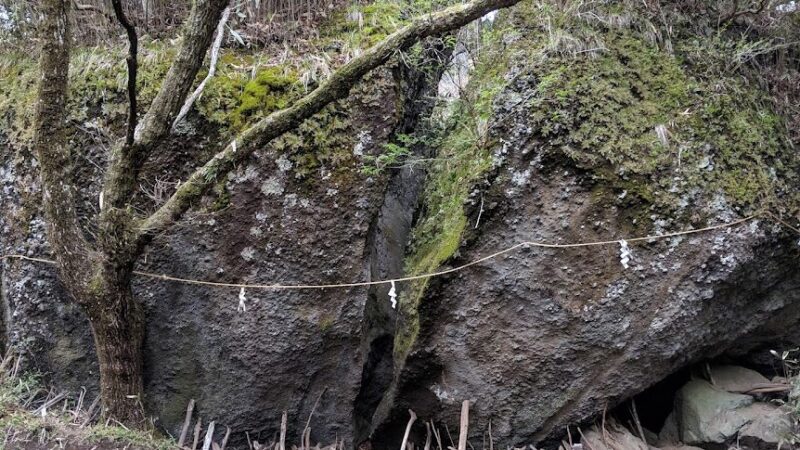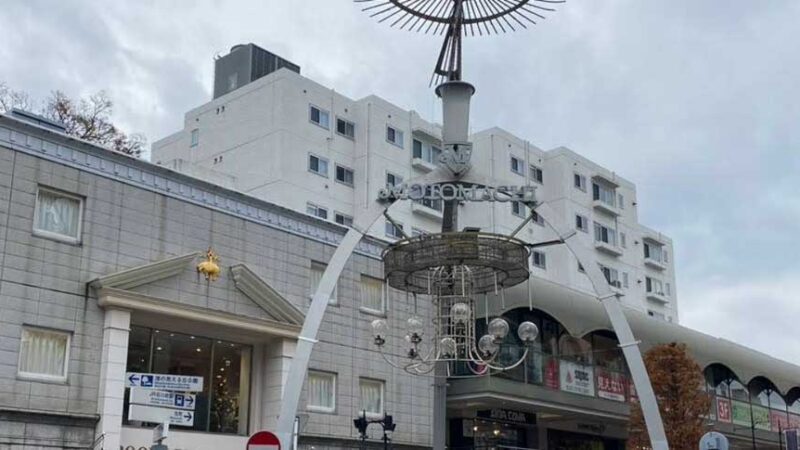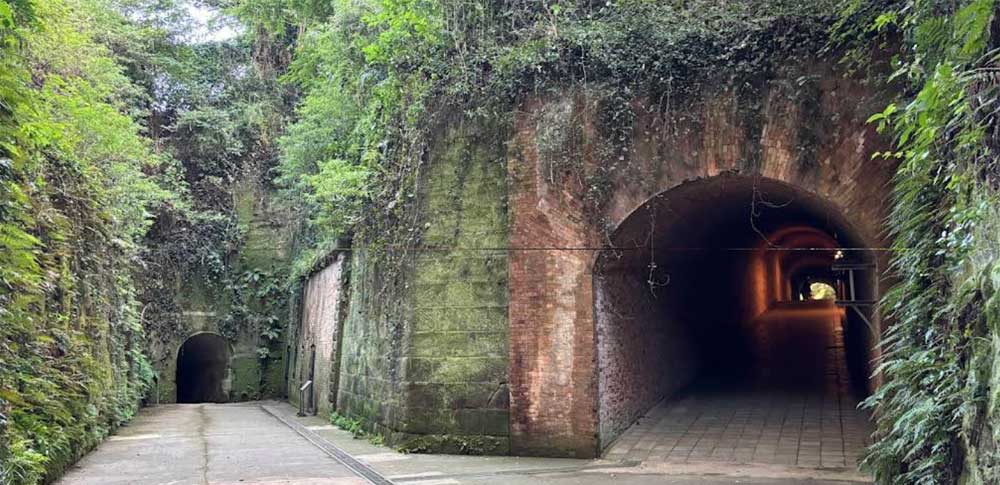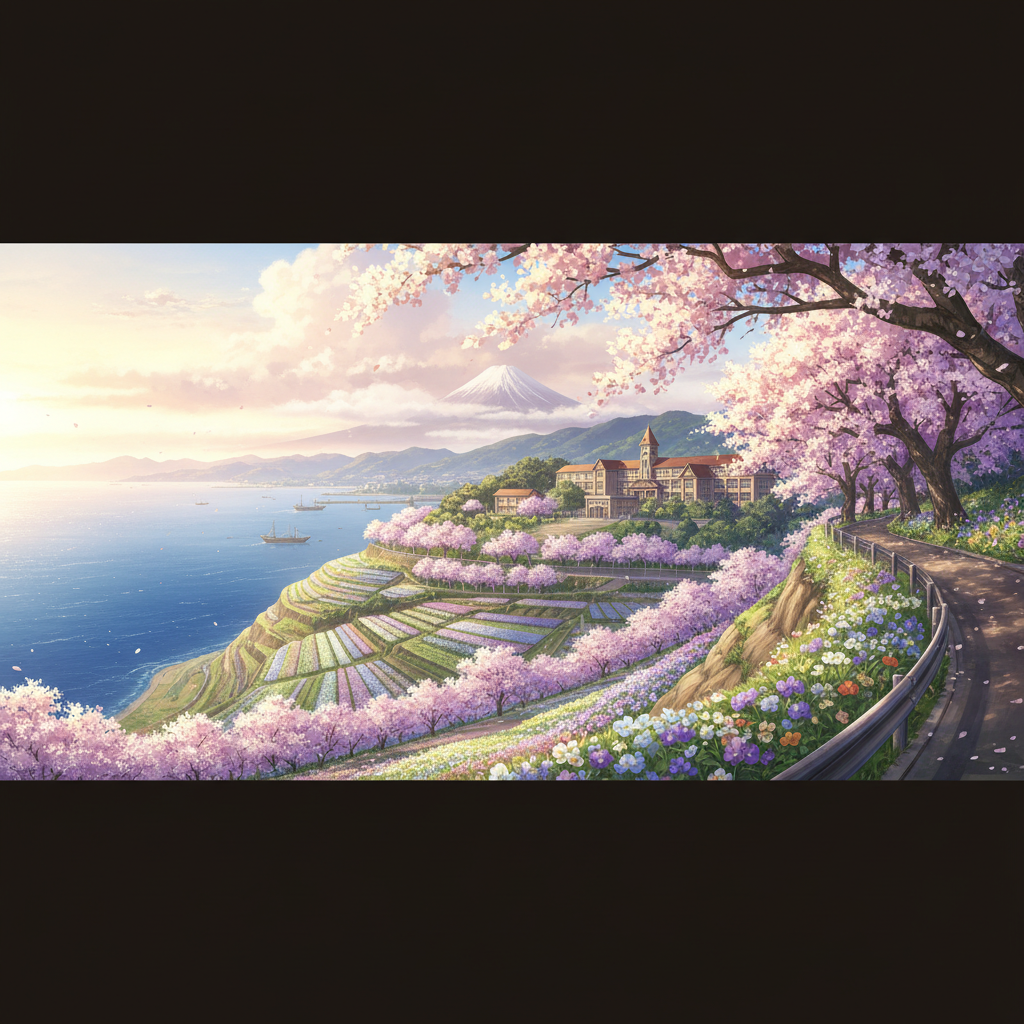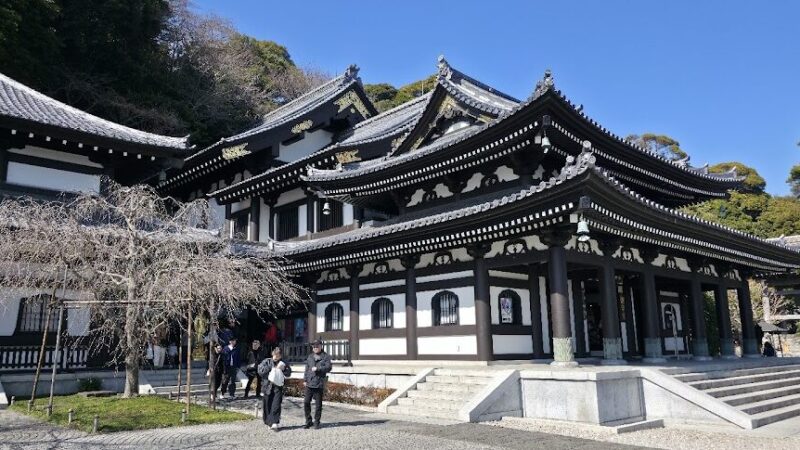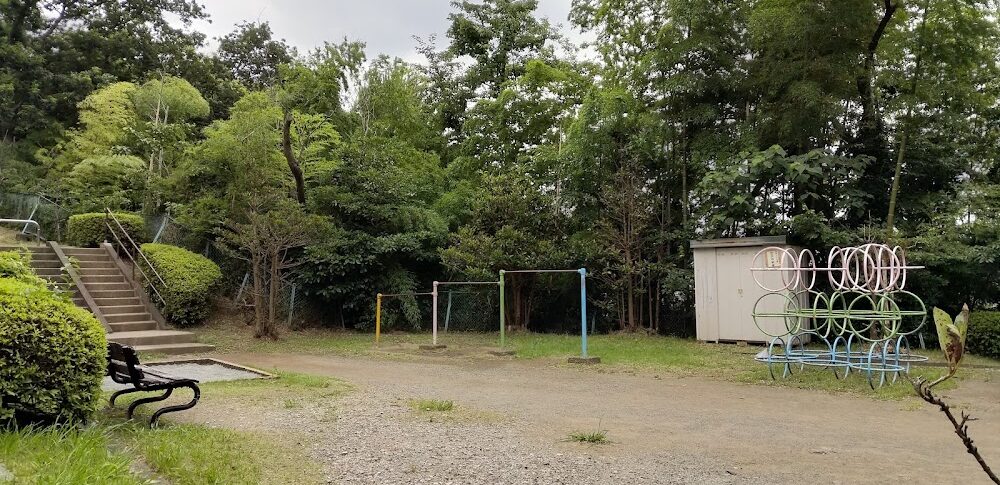
“Seishun Buta Yarō wa Bunny Girl Senpai no Yume wo Minai” (commonly known as Aobuta) is a popular work based on a light novel by Kamoshida Hajime that was adapted into an anime in 2018. The story, centered on the protagonist Azusawa Sakuta and Sakurajima Mai, is set in the Shonan area of Kanagawa Prefecture, particularly around Fujisawa City and the Enoshima area.
This article provides detailed introductions to the sacred sites that appear in the work and comprehensively covers access methods, highlights, and photo spots for when you actually visit. This is the definitive pilgrimage guide to the sacred sites of the Aobuta world, a must-visit destination for any fan.
The Charm of the Shonan Area in Kanagawa Prefecture, the Setting of Aobuta
The setting for the “Seishun Buta Yarō” series is the Shonan area of Kanagawa Prefecture, with a particular focus on Fujisawa City. While Minemine High School, which the characters attend in the work, does not actually exist, many of the models and surrounding landscapes are based on real locations.
The Shonan area is easily accessible from central Tokyo and is also popular as a tourist destination blessed with nature featuring both sea and mountains. Distinctive transportation systems such as the Enoshima Electric Railway (Enoden) and Shonan Monorail appear in the work and double the enjoyment of the pilgrimage to sacred sites.
The Time Period Setting and Existing Landscapes in the Work
Aobuta is set in the modern-day Shonan, and many of the buildings and landscapes that appear actually exist. During anime production, detailed location scouting was conducted, and the actual street scenes were faithfully recreated. For this reason, there are numerous places where fans who visit can experience the excitement of “It’s the same as that scene!”
Shonan Monorail: Experience Sakuta’s Commute
About the Shonan Monorail
The Shonan Monorail is a suspended monorail that connects Oofuna Station and Shonan Enoshima Station. It frequently appears in the work as a transportation method that Sakuta uses for his commute and has become one of the iconic sacred sites symbolizing Aobuta.
Suspended monorails are rare nationwide, with vehicles suspended from the rail as they travel. The route through the mountainous areas features many sharp curves and steep grades, providing a thrilling ride experience like a roller coaster.
Highlights as a Sacred Site
In the anime’s opening video, the landscape visible from inside the Shonan Monorail cars is depicted impressively. In particular, the section from Mejiroyamashita Station to Shonan Machiya Station frequently appears in the work.
Main Photo Spots:
- Shonan Enoshima Station: Featured in scenes where Sakuta gets off
- Views from inside the cars: Landscape used in the opening
- Shonan Fukasawa Station area: Background of commute scenes
Access and Fares
- Starting Station: Oofuna Station (JR Tokaido Line, Yokosuka Line, Shonan Monorail)
- Terminal Station: Shonan Enoshima Station (Shonan Monorail, walking distance from Katase Enoshima Station on the Odakyu Enoshima Line)
- Travel Time: Approximately 14 minutes
- Fare: 320 yen for adults (as of 2024)
A 1-day free ride pass (620 yen for adults) is also sold, which is economical if you plan to ride multiple times during your sacred site pilgrimage.
Shichiri-ga-hama: An Important Stage in the Story
Overview of Shichiri-ga-hama
Shichiri-ga-hama is a beach located in the southwestern part of Kamakura City, facing Sagami Bay, with a beautiful sandy beach extending approximately 4 km. It is known as a spectacular viewing spot overlooking Enoshima and Mount Fuji and is popular with surfers and tourists.
In Aobuta, it appears multiple times as the stage for important scenes, and is particularly known as the place where memorable conversation scenes between Sakuta and Mai were filmed.
Scenes Featured in the Work
Shichiri-ga-hama appears in numerous scenes throughout the work:
- Scenes of Sakuta and Mai walking along the beach
- Moments where important confessions and conversations take place
- Beautiful seascapes of the sea at sunset
- Scenes of Enoden running along the coast
Best Times to Visit
At Dusk: The dusk depicted impressively in the work offers a spectacular view with the sky and sea tinged in orange. On clear days, you can also see the silhouette of Mount Fuji.
Early Morning: With fewer tourists, you can enjoy the beach all to yourself. The sunrise is also beautiful and ideal for photography.
Access
- Enoden: Get off at Shichiri-ga-hama Station, about 3 minutes on foot
- By Car: Along National Route 134 (use coin parking lots in the surrounding area)
Enoshima Electric Railway (Enoden): Shonan’s Representative Tourist Line
The Charm of Enoden
The Enoshima Electric Railway is a 10 km streetcar line connecting Fujisawa Station and Kamakura Station. With varied scenery including sections that weave through residential areas and sections that run along the coast, it is a popular tourist line with scenery rich in variety.
In Aobuta, Enoden cars and stations appear numerous times, becoming an important element in creating the Shonan atmosphere.
Stations Featured as Sacred Sites
Kamakura High School Mae Station:
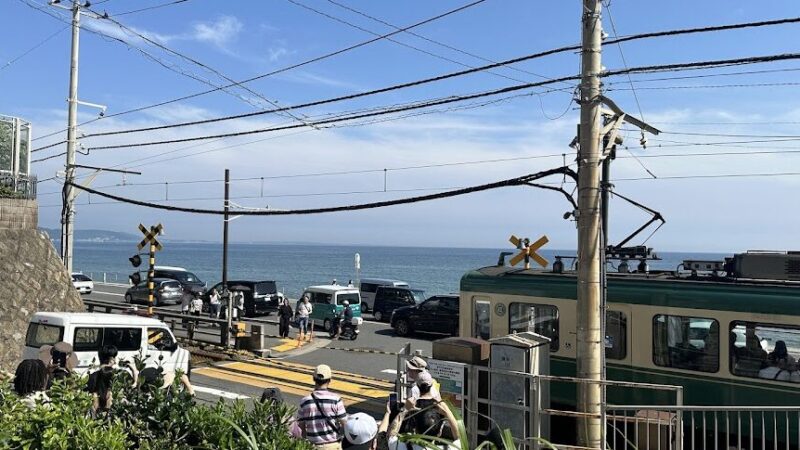
An unmanned station located along the coast, offering a panoramic view of Sagami Bay from the platform. From the crossing, you can photograph the landscape of Enoden running with Enoshima and Mount Fuji as the background, making it a popular spot with both domestic and international tourists. It appears in an impressive scene in Aobuta as well.
Shichiri-ga-hama Station:
The nearest station to Shichiri-ga-hama Beach. It appears in the work as a station used by Sakuta and friends. The area around the station also has many stylish cafes and restaurants, making it ideal as a rest spot during sacred site pilgrimage.
Enoshima Station:
The gateway to Enoshima. It appears in scenes in the work where the characters visit Enoshima.
Tips for Sacred Site Pilgrimage on Enoden
Noriorikun (1-Day Pass): 800 yen for adults allows unlimited rides on the entire Enoden line. It is an essential item for pilgrimage covering multiple stations.
Avoiding Crowds: Weekends and summer are extremely crowded. Weekday use or visiting in early morning or late evening is recommended.
Photography Etiquette: At popular photo spots, be considerate of local residents and other tourists. Trespassing on railroad tracks or crossings in particular is strictly prohibited.
Enoshima: Featured as a Date Spot
Overview of Enoshima
Enoshima is a land-linked island with a circumference of approximately 4 km floating in Sagami Bay, connected to the mainland by a bridge. With many attractions including Enoshima Shrine, an observation deck, and caves, it has been cherished as a tourist destination since ancient times.
In Aobuta, Enoshima appears in date scenes between Sakuta and Mai, or with other heroines.
Featured Spots in the Work
Enoshima Benten Bridge:
A bridge connecting the mainland and Enoshima. Scenes of Sakuta and friends visiting Enoshima are depicted crossing this bridge. The bridge offers views of Katase Beach and Mount Fuji.
Enoshima Samuel Cocking Garden:
A botanical garden at the top of Enoshima. The observation deck “Sea Candle” offers a spectacular panoramic view of the entire Shonan area.
Enoshima Iwaya:
A cave in the back part of Enoshima. A natural cave formed by wave erosion, it has a mystical atmosphere.
Points for Sightseeing on Enoshima
Time Required: Allow 3-4 hours if you want to see everything thoroughly.
Escar (Paid Escalators): Since there are many slopes and stairs on the island, using the escalators allows for easier access to the top (fare: 360 yen for adults).
Gourmet: You can enjoy local cuisine including raw shirasu-don and Enoshima’s famous tako-senbei.
Access
- Odakyu Enoshima Line: Get off at Katase Enoshima Station, about 10 minutes on foot
- Enoden: Get off at Enoshima Station, about 15 minutes on foot
- Shonan Monorail: Get off at Shonan Enoshima Station, about 15 minutes on foot
Around Fujisawa Station: The Stage of Daily Scenes
Overview of Fujisawa Station
Fujisawa Station, where the JR Tokaido Line, Odakyu Enoshima Line, and Enoden intersect, is a major transportation hub in the Shonan area. In Aobuta, the area around the station appears in daily scenes of the characters.
Sacred Sites
Fujisawa Station North Exit:
Appears in scenes where Sakuta has conversations with friends. The station plaza and commercial facilities are depicted in the work.
Shopping streets around the station:
May appear in scenes of everyday shopping.
Possible Model Locations for Minemine High School
The Minemine High School that Sakuta and friends attend in the work is a fictional school, but there are multiple candidates for the location that served as the model for the school’s exterior and setting.
Shichiri-ga-hama High School
Kanagawa Prefectural Shichiri-ga-hama High School is located on a hill overlooking Shichiri-ga-hama Beach, with a school building that commands a view of Sagami Bay. The location and atmosphere are considered close to the image of Minemine High School and are thought to be one of the model candidates.
Important Note: Since it is an actual school, entry onto the premises is strictly prohibited. Only view the exterior from a distance and be considerate not to disturb students and staff.
Recommended Model Courses for Sacred Site Pilgrimage
A Course to Visit Major Spots in One Day
Morning:
- Start from Oofuna Station
- Take the Shonan Monorail to Shonan Enoshima Station (approximately 14 minutes)
- Sightseeing on Enoshima (2-3 hours)
Afternoon:
- Transfer via Enoden to Shichiri-ga-hama Station
- Stroll along Shichiri-ga-hama Beach (1 hour)
- Photography at Kamakura High School Mae Station
- Continue via Enoden to Fujisawa or Kamakura Station
A Two-Day Course to Explore Thoroughly
Day 1:
- Ride the entire Shonan Monorail line
- Sightseeing on Enoshima
- Stroll around Katase Beach
- Explore the area around Fujisawa Station
Day 2:
- Head toward Kamakura via Enoden
- Shichiri-ga-hama and areas around Kamakura High School Mae Station
- Kamakura sightseeing (Tsurugaoka Hachimangu, Komachi Street, etc.)
Essentials and Precautions for Sacred Site Pilgrimage
Essential Items
- Work Materials: Screenshots of the anime and sacred site maps make it easier to find photo spots
- Camera: A smartphone is sufficient, but a single-lens reflex or mirrorless camera will allow for more beautiful photos
- 1-Day Pass: Enoden’s noriorikun or Shonan Monorail free ride passes
- Comfortable Walking Shoes: Sneakers or other comfortable shoes are essential for walking along beaches and slopes
- Sunscreen and Hat: Summer sun is strong along the coast, so these are especially necessary in the warm season
Etiquette and Precautions
Photography Etiquette:
- Trespassing on private property or school grounds without permission is strictly prohibited
- Trespassing on roads or railroad tracks is forbidden
- Be considerate so as not to disturb the lives of local residents
- Refrain from loud conversations and noise
Traffic Etiquette:
- Enoden is also a transportation line for local residents, so show consideration and courtesy during crowded times
- Don’t become so absorbed in photography that you forget about safety around you
Trash Disposal:
- Always take trash with you or dispose of it in designated trash cans
- Littering on the beach is strictly prohibited
Highlights by Season
Spring (March-May)
During cherry blossom season, beautiful blossoms can be enjoyed around Enoshima and Kamakura. The weather is also mild, making this an ideal season for sacred site pilgrimage. However, Golden Week is extremely crowded, so visiting on weekdays is recommended.
Summer (June-August)
A season to fully enjoy the summer sea characteristic of Shonan. However, from mid-July to August, the area is crowded with beach swimmers. The Enoden in particular can have long queues of people waiting to board. Early morning or late evening visits, or weekday use, is recommended.
Autumn (September-November)
Fall is one of the best seasons for sacred site pilgrimage, with summer crowds subsiding and pleasant weather. Particularly from October to November, the weather is stable and Mount Fuji can be seen clearly.
Winter (December-February)
A season when there are fewer tourists and you can leisurely visit sacred sites. With clear air, the views of Mount Fuji and Enoshima are beautiful. However, be sure to take precautions against the cold sea breeze.
Nearby Accommodations
Fujisawa/Enoshima Area
Hotels and inns with views of the sea are scattered around Enoshima. There are also hot spring facilities such as Enoshima Island Spa, perfect for recovering from the fatigue of sacred site pilgrimage.
Kamakura Area
There are various price-range hotels around Kamakura Station. With abundant tourist attractions, you can enjoy both sacred site pilgrimage and Kamakura sightseeing.
Yokohama Area
The Yokohama Station area offers abundant hotel options, with good access to Fujisawa and Kamakura. The abundance of dining options characteristic of a major city is also an attraction.
Gourmet Information: Shonan Cuisine to Enjoy During Your Sacred Site Pilgrimage
Fresh Shirasu-don
A specialty dish of Enoshima and Kamakura. Fresh shirasu is transparent and has a texture that melts in your mouth. However, raw shirasu has a closed season (around January to March), so take note.
Tako-senbei
A gigantic tako-senbei, a specialty of Enoshima. The sight of a whole octopus being pressed and baked before your eyes is spectacular.
Shonan Pancakes
Stylish cafes abound in the Shichiri-ga-hama area, where you can enjoy pancakes and cafe menus while overlooking the sea.
Related Event Information
Anime-Related Events
Following the popularity of Aobuta, stamp rallies and collaboration cafes are occasionally held around Fujisawa City and the Enoshima area. Check official websites and social media for the latest information.
Enoshima Toro (Lantern Festival)
Held every August, the Enoshima Toro Festival illuminates the island with approximately 1,000 lanterns, serving as a summer tradition that creates a fantastical setting for Enoshima at night.
Apps and Websites Useful for Sacred Site Pilgrimage
Butai Meguri
An app specialized in anime sacred site pilgrimage. With a feature using GPS to compare scenes from anime with actual landscapes, it supports sacred site pilgrimage for Aobuta as well.
Google Maps
By saving the location information of sacred sites beforehand, you can efficiently plan your route. You can also check landscapes in advance using Street View.
Official Websites of Enoden and Shonan Monorail
You can check timetables, fares, and information about economical passes. Real-time updates on service status are available, making it convenient for day-of access.
Recording Your Sacred Site Pilgrimage
Photography Tips
Photograph from the Same Angle: Taking photos from the same angle as scenes in the anime allows you to enjoy them as comparison images.
Match the Time of Day: Visiting at the same time of day as scenes in the work (morning, afternoon, evening, etc.) allows for better atmosphere recreation.
Be Conscious of Aspect Ratio: Anime typically uses a 16:9 aspect ratio, so be aware of this same ratio when photographing.
Sharing on Social Media
Posting on Twitter and Instagram using hashtags like “#青ブタ聖地巡礼” “#青ブタ” allows you to interact with other fans. However, be mindful not to include spoiler content.
Conclusion: Experiencing the World of Aobuta Through Sacred Site Pilgrimage
The Shonan area in Kanagawa Prefecture, the sacred site of “Seishun Buta Yarō wa Bunny Girl Senpai no Yume wo Minai,” is a charming place where you can fully savor the world of the anime. By actually visiting the spots featured in the work—including distinctive transportation systems like the Shonan Monorail and Enoden, beautiful coastlines, and the spectacular views of Enoshima—you can feel firsthand the stage of youth where Sakuta and friends spent their days.
Through sacred site pilgrimage, you can deepen your understanding of the work and discover the charm of the Shonan area itself. Remember to follow etiquette and show consideration for local residents as you create wonderful memories of your sacred site pilgrimage.
For Aobuta fans, a sacred site pilgrimage through the Shonan area of Kanagawa Prefecture will be a special experience where you can step into the world of the work. Please use this guide as a reference to plan your own sacred site pilgrimage.