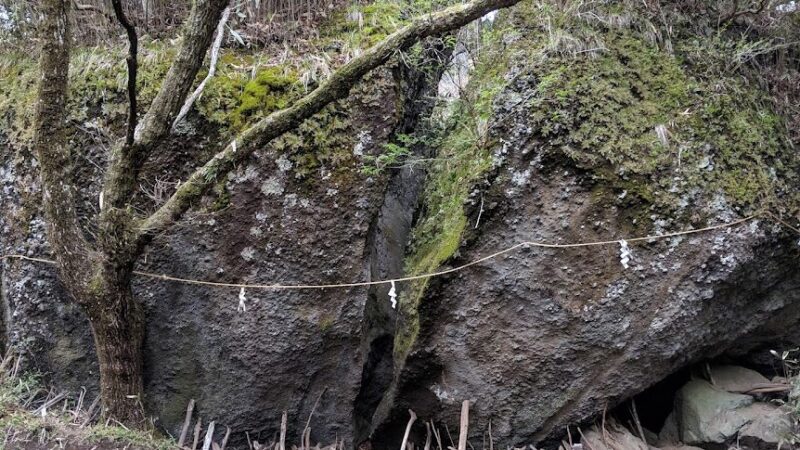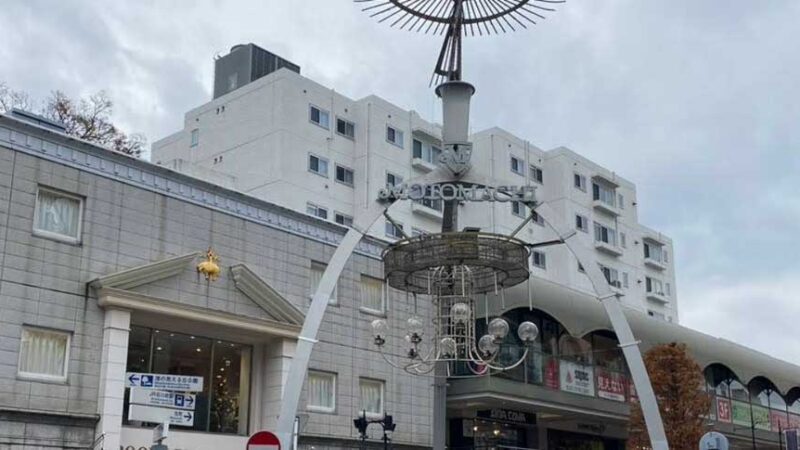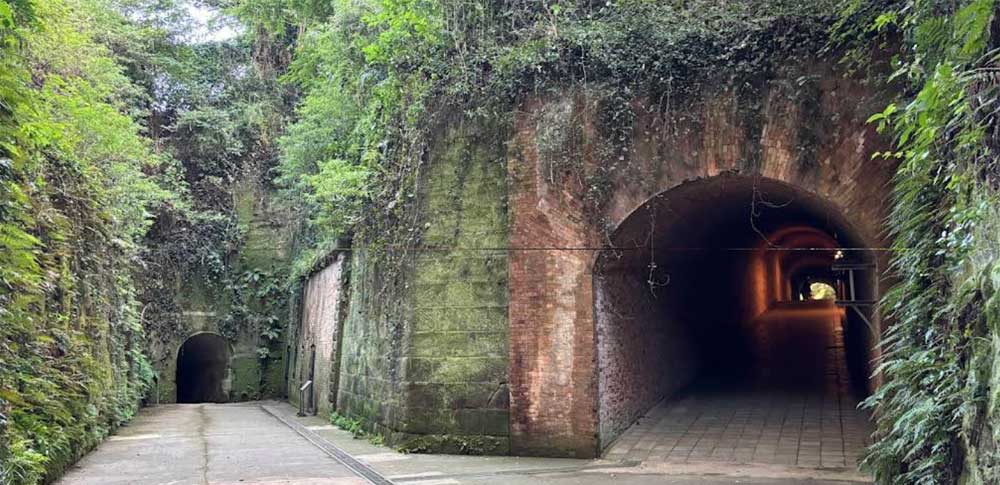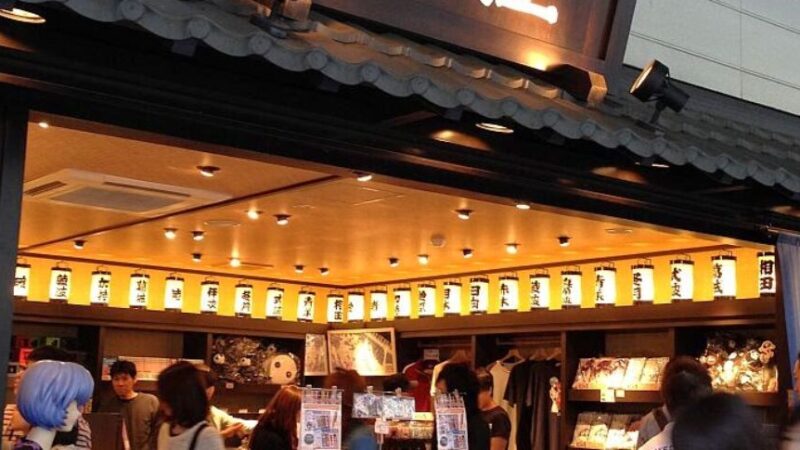
“Neon Genesis Evangelion” has captivated numerous fans as a landmark in Japanese anime history since its broadcast debut in 1995. In particular, Kanagawa Prefecture serves as an important setting for the work, appearing in countless scenes, and many fans from around the world visit it as a pilgrimage destination.
In this article, we provide a thorough explanation of the sacred sites within Kanagawa Prefecture that appear in the Evangelion series. We comprehensively introduce locations featured in the anime, access methods, photography points, and surrounding tourist information for each major area including Hakone, Yokohama, and Kamakura.
The Deep Connection Between Evangelion and Kanagawa Prefecture
The Third Tokyo-2 City, the setting of “Neon Genesis Evangelion,” is designed as a fictional city, but the model for it is the Hakone area of Kanagawa Prefecture. Director Hideaki Anno utilized Hakone’s topography and landscape to construct the world of the work, beautifully fusing actual scenery with science fiction elements.
Kanagawa Prefecture was chosen for its majestic views overlooking Mount Fuji, natural environments such as Lake Ashi, and good accessibility from Tokyo. The mountains, lakes, and roads that appear in the work are based on actual Hakone scenery, and for fans, it has become a special place where “you can experience the world of Evangelion in the real world.”
Hakone Area: Model of the Third Tokyo-2 City
Lake Ashi and the Hakone Mountains
Lake Ashi is one of the most iconic sacred sites in “Evangelion.” The landscape of the lake and mountains that appears repeatedly in the anime’s opening and main story is modeled after the view from Lake Ashi. In particular, the scenery of Mount Fuji and Hakone’s mountain range seen from the lakeside evokes the world view of the work.
Visiting Points:
- Around Hakone Town Port: The view from the sightseeing boat dock is especially recommended
- Lake Outlet Water Gate: A quiet spot where you can take photos at leisure
- Moto-Hakone Port: Ideal for photography with Mount Fuji as a backdrop
Access:
Approximately 40 minutes by Hakone Tozan Bus from Hakone-Yumoto Station on the Odakyu Line, getting off at Moto-Hakone Port or Hakone Town Port
Hakone Ropeway and Owakudani
The view from the Hakone Ropeway looks like a grand panorama reminiscent of aerial scenes in Evangelion. In particular, the volcanic terrain around Owakudani evokes the topography of the Third Tokyo-2 City where battles against the Angels unfold.
The barren landscape and sulfur smoke of Owakudani have a unique atmosphere that matches the world view of the anime. On clear days, Mount Fuji is also visible, making it an ideal photography spot.
Notes When Visiting:
Depending on volcanic activity, there may be entry restrictions, so please check the official website in advance.
Hakone-Yumoto Station Area
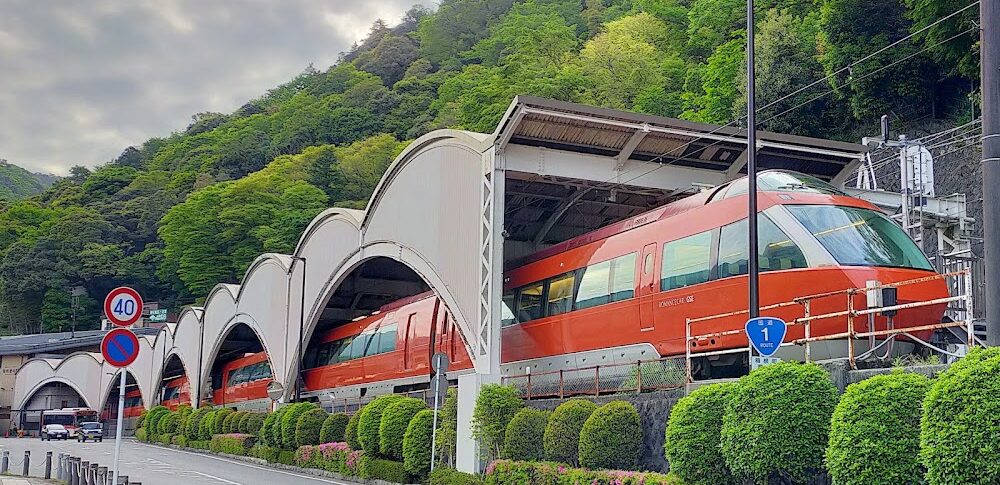
Hakone-Yumoto Station is the gateway to Hakone tourism and serves as the starting point for Evangelion fans’ pilgrimages. Around the station, there are stores and goods shops that have collaborated with Evangelion, making it ideal for preparations before the pilgrimage.
The atmosphere of the hot spring town in front of the station overlaps with the image of the townscape that appears in the work, and many fans take commemorative photos here.
National Route 1 (Hakone New Toll Road)
The Hakone section of National Route 1, particularly the Hakone New Toll Road, is said to be the model for the roads that appear in Evangelion. The straight road running through the mountains reminds one of transport scenes to NERV Headquarters.
Photography Points:
While enjoying the scenery during car travel is the main activity, photograph from safe parking spaces. Never photograph while driving.
Senigohara
The Senigohara pampas grass field is said to be one of the places that influenced the landscape depiction in Evangelion. Particularly during autumn when the pampas grass glows golden, a fantastical atmosphere pervades, allowing you to immerse yourself in the world view of the work.
Best Season:
Late September to early November is the prime time for pampas grass viewing.
Yokohama Area: Urban Landscape and Landmarks
Minato Mirai 21 District
The futuristic urban landscape of Minato Mirai is one of the image sources for the urban areas depicted in Evangelion. The cluster of high-rise buildings, orderly cityscapes, and open spaces along the sea evoke the urban planning of the Third Tokyo-2 City.
Main Photography Spots:
- Yokohama Landmark Tower Observation Deck: A 360-degree panoramic view overlooking all of Yokohama
- Rinko Park: An excellent location to photograph the entire Minato Mirai
- Kissha-Michi: The contrast between retro railway ruins and modern buildings
Yokohama Port Grand International Passenger Terminal
The unique architectural design of the Grand Pier and the view of Yokohama Port from there are spots where you can feel the world view of Evangelion. Particularly, the night view is beautiful and reminiscent of nighttime scenes in the work.
The rooftop wooden deck is open 24 hours, and you can enjoy different faces of Yokohama’s cityscape depending on the time of day.
Around Yokohama Station
Yokohama Station is Kanagawa Prefecture’s largest terminal station and overlaps with the image of a key transportation hub in the world of Evangelion. Commercial facilities around the station occasionally host limited-time Evangelion-related events and pop-up stores.
Kamakura Area: The Fusion of History and Nature
Around Kamakura High School-Mae Station
The area around Kamakura High School-Mae Station on the Enoshima Electric Railway is famous as an anime sacred site, but for Evangelion fans, it is also an important spot to feel Kanagawa Prefecture’s coastline. The seaside scenery overlaps with the image of sea scenes that appear in the work.
Enoshima Island
Enoshima Island is one of Kanagawa Prefecture’s representative tourist attractions and a place where you can feel the boundary between sea and land in the world of Evangelion. The view from the island, particularly the panoramic view of Mount Fuji and Sagami Bay, is spectacular.
Points of Interest:
- Enoshima Sea Candle (Observation Lighthouse): A 360-degree grand panorama
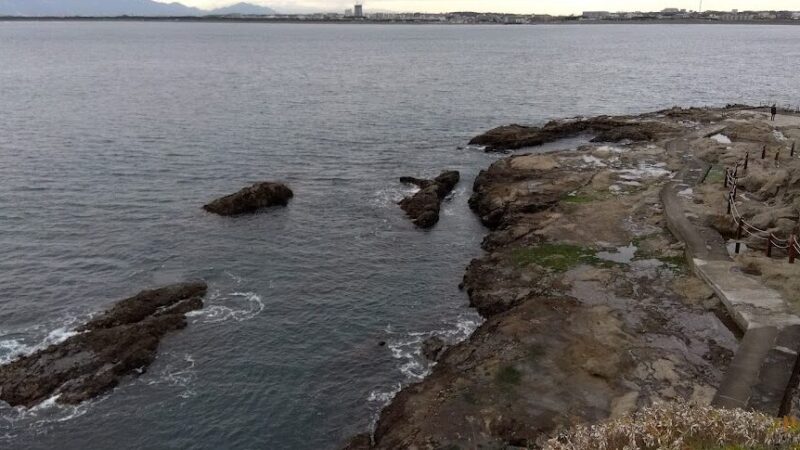
- Chigo-ga-Fuchi: The scenery of a rugged coastline
- Enoshima Shrine: The harmony of a historic shrine with nature
Other Sacred Sites in Kanagawa Prefecture
Lake Sagami
The landscape of mountains and lake around Lake Sagami is also said to have influenced the background art of Evangelion. Since it is not as developed as a tourist destination as Hakone, you can enjoy the pilgrimage quietly.
Tanzawa Mountains
The majestic mountain range of the Tanzawa Mountains is one of the models for the mountains surrounding the Third Tokyo-2 City. For fans who enjoy hiking, we also recommend actually climbing the mountains to experience the world of the work.
Planning and Preparation for Pilgrimage
Organizing an Efficient Pilgrimage Route
The Evangelion sacred sites in Kanagawa Prefecture are scattered over a wide area, so advance planning is important.
Sample 1-Day Course (Hakone-Centered):
- Morning: Hakone-Yumoto Station → Lake Ashi (Hakone Town Port) → Sightseeing Boat
- Afternoon: Hakone Ropeway → Owakudani → Senigohara
Sample 1-Day Course (Yokohama-Centered):
- Morning: Minato Mirai District Exploration
- Afternoon: Grand Pier → Yamashita Park → Chinatown
Sample 2-Day Course:
- Day 1: Pilgrimage centered on Hakone Area
- Day 2: Pilgrimage through Yokohama and Kamakura Areas
Transportation and Access
Hakone Area:
- Odakyu Romance Car: Approximately 85 minutes from Shinjuku to Hakone-Yumoto
- Hakone Free Pass: All-you-can-ride pass for Hakone transportation is a great deal
Yokohama Area:
- Various JR and private railway lines are well-developed, approximately 30 minutes from central Tokyo
- Minato Mirai Line is convenient
Kamakura and Enoshima Area:
- Approximately 1 hour from Tokyo Station on the JR Yokosuka Line
- Travel via the Enoshima Electric Railway is picturesque
Packing Checklist
- Camera and smartphone (don’t forget chargers)
- Work references (scene screenshots are convenient for comparison photography)
- Maps and guidebooks
- Comfortable walking shoes (Hakone has many slopes)
- Clothing appropriate for the weather (Hakone is cooler than the lowlands)
- Drinks and light snacks
Best Season and Timing
Spring (March – May):
The cherry blossom season offers beautiful scenery. The mild climate is ideal for pilgrimage.
Summer (June – August):
Hakone is comfortable as a summer resort. However, rain preparation is necessary during the rainy season.
Autumn (September – November):
The most popular season with fall foliage. Senigohara’s pampas grass is also in prime condition.
Winter (December – February):
Clear air makes Mount Fuji look beautiful. Hot springs are especially pleasant.
Photography Manners and Rules
Observing proper etiquette is extremely important when enjoying a pilgrimage.
Basic Manners
- No Trespassing on Private Property: Do not enter private property even if it appears in the work
- Compliance with Traffic Rules: When photographing on roads, be careful not to obstruct cars or pedestrians
- Consideration for Noise: Avoid speaking loudly in residential areas
- Take Trash With You: For environmental conservation, always take your trash with you
- Consideration for Local Residents: Remember that even tourist destinations are places where people live
Photography Notes
- Tripod Use: Refrain from using tripods in crowded or narrow spaces
- Commercial Facilities: Do not photograph where photography is prohibited
- Other Tourists Appearing in Photos: Be considerate when other tourists are captured in your images
- Occupying Space for Long Periods: Share the space with others at popular spots
Evangelion-Related Facilities and Events
Hakone Evangelion Goods Shops
There are shops dealing in Evangelion-related goods around Hakone-Yumoto Station and near Lake Ashi. Many limited-edition products are available, making them ideal for finding pilgrimage souvenirs.
Collaboration Cafes and Restaurants
Cafes and restaurants collaborating with Evangelion occasionally open for limited periods. Check official websites and SNS for the latest information.
Regular Events
Hakone occasionally hosts collaboration events with Evangelion. Events such as stamp rallies and special exhibitions are implemented that fans cannot miss.
Combining With Surrounding Tourism
Hakone Hot Springs
If you want to heal the fatigue of pilgrimage, Hakone’s hot springs are a must. Day-use hot spring facilities are abundant, allowing you to stop by during your pilgrimage.
Recommended Hot Spring Facilities:
- Hakone Kowakien Yunessun: A hot spring theme park where you can enjoy wearing a swimsuit
- Tenzan Yujiro: A full-fledged day-use hot spring
- Day-use bathing plans at various inns
Yokohama Tourist Attractions
Yokohama has many tourist attractions besides Minato Mirai.
- Yokohama Chinatown: Japan’s largest Chinatown for enjoying cuisine
- Akarenga Warehouse: Shopping and event venue
- Yamashita Park: A waterfront walking path
- Cup Noodles Museum: A hands-on food culture facility
Kamakura Historical Exploration
In Kamakura, you can visit historic temples and shrines.
- Tsurugaoka Hachimangu Shrine: A representative shrine of Kamakura
- Kotoku-in (Kamakura Great Buddha): A national treasure statue
- Hasedera Temple: A temple with beautiful flowers in every season
Accommodation Information and Recommended Hotels
Hakone Area
Luxury Inns:
Hakone has many long-established luxury inns where you can enjoy hot springs and kaiseki cuisine. Recommended for those who want to make their pilgrimage a special trip.
Budget-Friendly Accommodations:
There are also business hotels and guesthouses around Hakone-Yumoto, allowing you to choose according to your budget.
Yokohama Area
Minato Mirai District:
- InterContinental Yokohama
- Yokohama Royal Park Hotel
- New Otani Inn Yokohama Premier
Around Yokohama Station:
- Yokohama Bay Sheraton Hotel & Towers
- Various business hotel chains
Kamakura and Enoshima Area
Historic inns and modern hotels are scattered throughout Kamakura. Accommodations with ocean views are popular on Enoshima Island.
Tips for Further Enjoying Pilgrimage
Preparing for the Work
Rewatching the work before pilgrimage allows you to enjoy the sacred sites more deeply. In particular, having screenshots of relevant scenes on hand makes comparison photography at the site fun.
Gathering Information via SNS
Searching hashtags like “#Evangelion Pilgrimage” and “#Hakone Evangelion” on Twitter and Instagram provides reports from other fans’ pilgrimages and latest information.
Creating a Pilgrimage Notebook
Recording visited locations, photographs taken, and impressions becomes a wonderful memory when reviewed later.
Revisiting Across Seasons
The same location presents a completely different appearance depending on the season. Enjoying the sacred sites across four seasons—spring cherry blossoms, summer greenery, autumn foliage, and winter snow—is also recommended.
Conclusion: Rediscovering Kanagawa’s Charm Through Evangelion Sacred Site Pilgrimage
The Evangelion series sacred site pilgrimage is not merely a matter of visiting the settings of an anime. It becomes a wonderful opportunity to experience Kanagawa Prefecture’s rich nature, history, and culture.
Hakone’s majestic nature, Yokohama’s modern urban landscape, and Kamakura’s historic atmosphere. All of these elements form the world view of Evangelion, and by actually visiting them, your understanding of the work deepens further.
Through pilgrimage, you can sense the background in which the work was created and the intentions of its creators. Additionally, meeting fellow fans who love the same work and interacting with local people are also highlights of pilgrimage.
Enjoy this special journey of experiencing the world of Evangelion in reality while observing proper manners and respecting the region. The sacred sites of Kanagawa Prefecture always welcome all fans.
We hope this article helps you plan your Evangelion sacred site pilgrimage and leads to a wonderful experience. Now, set out on a pilgrimage to Kanagawa Prefecture, the model for the Third Tokyo-2 City!