Introduction: The Relationship Between Uma Musume and Sannenzaka, Kyoto
“Uma Musume Pretty Derby” is a popular work inspired by horse racing, but in addition to racetracks, various real locations appear throughout the series. Among these, the area around Sannenzaka in Kyoto Prefecture has become an important stage that colors the world of the work, and many fans visit it as a sacred site pilgrimage destination.
Sannenzaka (産寧坂) is a historic stone-paved slope that leads to Kiyomizu Temple, one of Kyoto’s representative tourist attractions. Officially also called “Sannen-zaka” (三年坂), the surrounding area is lined with traditional townhouses and offers a distinctly Kyoto atmosphere.
In this article, we provide detailed information so that Uma Musume fans can enjoy sacred site pilgrimages around Sannenzaka in Kyoto to the fullest.
About Uma Musume Pretty Derby
“Uma Musume Pretty Derby” is a multimedia content developed by Cygames. The work features “Uma Musume,” beautiful girls based on real racehorses, aiming to win races called the Twinkle Series. Since the first television anime was broadcast in 2018, it has expanded into various forms including game apps, manga, and anime sequels.
The appeal of the work lies in faithfully following the history and drama of actual horse racing while carefully depicting the growth, friendships, and rivalries of the Uma Musume characters. It is enjoyed not only by horse racing fans but also by viewers unfamiliar with horse racing, and has gained high acclaim as a work that fosters affinity for the world of horse racing.
In the anime and games, real racetracks and related facilities are faithfully recreated, with racetracks throughout Japan such as Tokyo Racecourse, Nakayama Racecourse, Hanshin Racecourse, and Kyoto Racecourse appearing as stages. Additionally, various real locations have been incorporated into the work, including the Fuchu area, which serves as the model for Tracen Academy.
Scenes of Kyoto’s Sannenzaka Area in Uma Musume
Kyoto’s Sannenzaka area appears in the anime “Uma Musume Pretty Derby” as a background setting when Uma Musume characters visit Kyoto. The historically significant slope and surrounding scenery are depicted in episodes related to races at Kyoto Racecourse and in daily scenes of the characters.
In the work, the characteristic stone-paved slope of Sannenzaka, traditional townhouses lined on both sides, and the Kyoto cityscape visible in the distance are depicted with care. The high degree of correspondence with actual scenery has made it a popular sacred site pilgrimage spot.
In the anime’s background art, the unique atmosphere of Sannenzaka—the texture of the stone steps, the appearance of old buildings, and the slope’s gradient—is recreated in detail, allowing visitors to experience the thrill of thinking “this is exactly the place.”
Basic Information About Sannenzaka (Sannen-zaka)
History and Cultural Background
Sannenzaka is a historically significant slope that has long been traversed by many people as a pilgrimage route to Kiyomizu Temple. The name “Sannenzaka” is said to derive from the character “san” (産, meaning childbirth) because it was a pilgrimage route to the Koyasu Tower of Kiyomizu Temple, where people prayed for safe childbirth. It is also called “Sannen-zaka” (三年坂), and there is a folk saying that falling on this slope brings death within three years, though this is said to be a cautionary tale about the slope’s danger.
The area around the slope has been designated a “Traditional Townscape Preservation District” by Kyoto City, with many townhouses preserved from the Edo to Meiji periods. The stone-paved path, lattice-doored townhouses, and rows of souvenir shops maintain the scenery characteristic of Kyoto.
Location and Access
Location
Near Kiyomizu 2-chome, Higashiyama Ward, Kyoto City, Kyoto Prefecture
Nearest Stations and Access
- Using Kyoto Station Bus
- Board Kyoto City Bus line 206 or 100
- Get off at “Kiyomizu-michi” or “Gojo-zaka” bus stop
- Walk about 10 minutes to reach the Sannenzaka entrance
- Travel time: About 30 minutes (including bus ride)
- Using Keihan Railway
- Get off at “Kiyomizu-Gojo Station” on the main line
- Walk about 20 minutes
- Many slopes, so comfortable shoes are recommended
- Using Hankyu Railway
- Get off at “Kawaramachi Station” on the Kyoto Line
- Walk about 25 minutes or transfer to city bus
By Car
The Sannenzaka area, being a tourist destination, has limited parking. We strongly recommend using paid parking lots in the surrounding area or using public transportation. Especially during tourist season (spring cherry blossoms, autumn foliage season), it becomes extremely crowded.
Sacred Site Pilgrimage: Specific Photography Spots
Sannenzaka Stone Steps
The main stone steps of Sannenzaka are an impressive location depicted in the anime. Both a composition looking down from the top of the slope and a composition looking up from the bottom are likely to appear in the work.
Photography Tips
- Early morning (around 7:00-8:00) has fewer tourists and makes for clearer photos
- Be conscious of angles that capture the texture of the stone steps and reflected townhouses
- Photography from the middle of the slope also yields compositions with good depth
Precautions
- During crowded hours, be considerate of other visitors
- Avoid using tripods during crowded times
- Stone steps are slippery, so be careful not to fall by becoming too absorbed in photography
The Junction with Ninenzaka
Sannenzaka connects with Ninenzaka (Ninen-zaka), and this junction point also has distinctive scenery. The unique spatial composition where multiple slopes intersect is a distinctly Kyoto landscape.
Photography Tips
- A composition that overlooks multiple directions from the fork in the slope
- Shop signs and surrounding townhouses are also important for creating atmosphere
- The landscape takes on different appearances depending on the season (cherry blossoms, fresh greenery, autumn foliage, snow)
Surrounding Townhouses and Streetscape
Along Sannenzaka are lined souvenir shops, cafes, and restaurants that have been renovated from traditional Kyoto townhouses. The harmonized combination of lattice doors, tiled roofs, and stone paving is a location that likely served as a model for the anime’s background art.
Photography Tips
- Photograph townhouse exteriors while being considerate of shop operations
- Be conscious of compositions combining stone paving and buildings
- Lanterns and curtains hung at eaves are also elements that enhance Kyoto’s atmosphere
Precautions and Etiquette During Visits
Etiquette as a Tourist Destination
Sannenzaka is a representative tourist destination in Kyoto, visited by Japanese tourists and international travelers alike. When enjoying sacred site pilgrimages, please observe the following etiquette.
- Don’t Obstruct Traffic
Don’t stand in the middle of the slope absorbed in photography
- Consideration for Private Property
Don’t trespass into the grounds of private homes or shops without permission
- Noise Consideration
As this is also a residential area, refrain from loud conversations and noise
- Take Trash With You
Since there are few trash bins in the area, each person should take their trash with them
- Shop Etiquette
If entering a shop to take photos, always obtain permission from the staff
Avoiding Crowded Times
Sannenzaka attracts many tourists year-round, but certain periods and times are particularly crowded.
Crowded Periods
- Spring (late March to early May): Cherry blossom and fresh greenery season
- Autumn (November): Autumn foliage season
- Golden Week, Obon holiday, year-end/New Year period
Relatively Uncrowded Times
- Early morning (7:00-9:00): Before shops open, but ideal for exterior photography
- Weekday mornings
- Winter (mid-January to February): Fewer tourists, allowing for calm pilgrimage
Clothing and Belongings
Recommended Clothing
- Comfortable walking shoes (avoid heels due to many slopes and steps)
- Seasonally appropriate clothing (hot in summer, cold in winter)
- Shoes with non-slip soles for rainy weather
Belongings Checklist
- Camera or smartphone (with sufficient charge)
- Screenshots of relevant anime scenes (for comparison)
- Map app (Google Maps, etc.)
- Beverages (especially in summer)
- Rain gear (Kyoto experiences sudden rain)
Nearby Tourist Attractions
Kiyomizu Temple
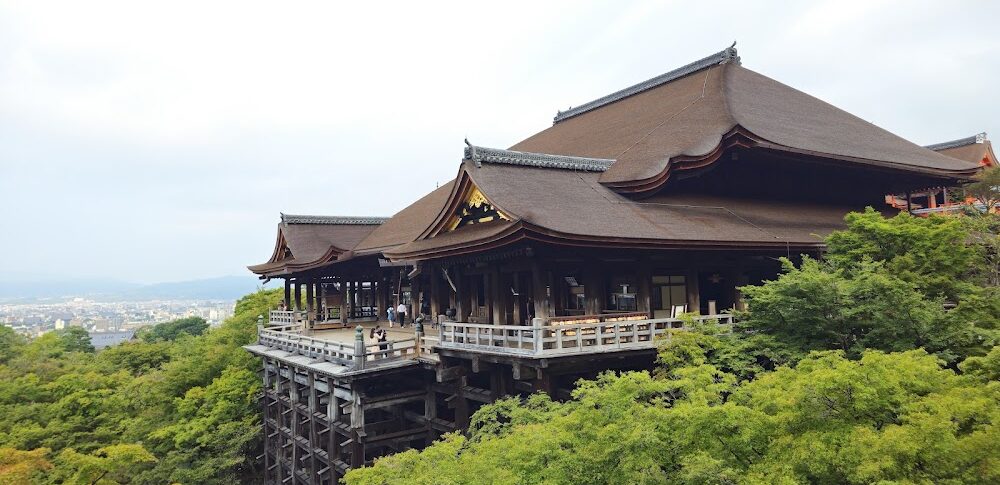
At the top of Sannenzaka lies Kiyomizu Temple, registered as a World Heritage Site. From its main hall, famous for the “Kiyomizu Stage,” you can see a panoramic view of Kyoto city.
Basic Information
- Admission Hours: 6:00-18:00 (varies by season)
- Admission Fee: 400 yen (adult)
- Time Required: 1-2 hours
Yasaka Pagoda (Hokanji Temple)
A five-story pagoda located about a 5-minute walk from Sannenzaka that is a symbolic landmark of Kyoto. The harmony with the surrounding townscape is beautiful and it is also popular as a photography spot.
Kodai Temple
A temple founded by Kitashodokoro Nene, the wife of Toyotomi Hideyoshi, known for its beautiful gardens and illumination displays. About a 10-minute walk from Sannenzaka.
Nene no Michi
A stone-paved path leading to Kodai Temple, known for its quiet and peaceful atmosphere. You can enjoy a different aspect of Kyoto’s charm compared to Sannenzaka.
Other Uma Musume Sacred Sites in Kyoto Prefecture
Kyoto Racecourse
One of the most important locations for Uma Musume’s setting is Kyoto Racecourse. The venue for numerous race scenes in the work allows you to experience the actual atmosphere of the racecourse.
Location
32 Yoshima Watariba-shima-cho, Fushimi Ward, Kyoto City, Kyoto Prefecture
Access
- About 20 minutes by Keihan Bus from JR “Kyoto Station”
- About a 3-minute walk from “Yodo Station” on the Keihan Railway
Racing Dates
Admission is only available on racing days (check the Japan Racing Association website for annual schedule)
Admission Fee
200 yen (free for those under 15)
Okarinono Mori Kamo Shrine (Shiga Prefecture)
A shrine that appears in Uma Musume works, located in Shiga Prefecture adjacent to Kyoto. While it is at a distance from Sannenzaka, many fans visit it together with their Kyoto tourism.
Food and Rest Spots
Cafes Around Sannenzaka
There are numerous cafes and restaurants near Sannenzaka where you can rest during your pilgrimage.
Recommended Cafes
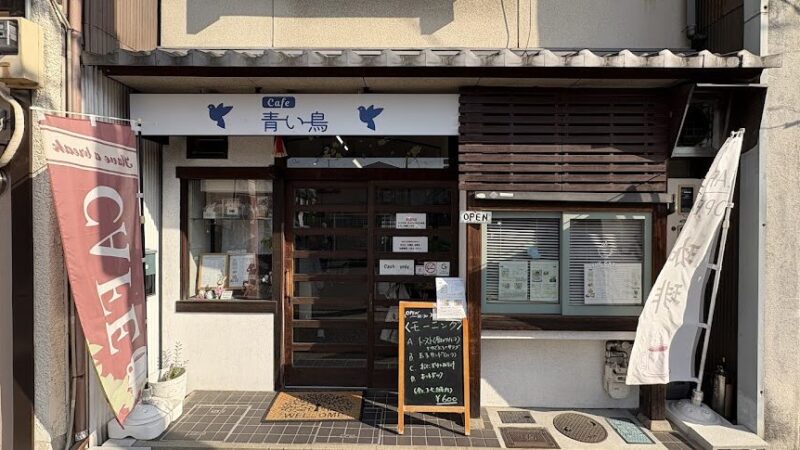
- Traditional Kyoto Townhouse Cafe
A cafe in a renovated traditional townhouse where you can enjoy matcha sweets and Japanese confectionery
- Cafe with Good Views
Located partway up the slope, allowing you to rest while viewing Kyoto’s townscape
- Shops Offering Light Meals
Kyoto specialties such as yudofu (hot pot tofu) and Kyoto cuisine set meals
Kyoto Cuisine
Specialty Dishes
- Yudofu (hot pot tofu)
- Kyoto pickles
- Matcha sweets
- Yatsuhashi (Kyoto sweet)
- Kaiseki cuisine
There are numerous shops around Sannenzaka where you can enjoy Kyoto cuisine. Savor Kyoto’s food culture along with your pilgrimage.
Accommodation Information
Hotels and Traditional Inns Around Sannenzaka
If it’s difficult to complete your Uma Musume pilgrimage in one day, consider staying overnight. There are various types of accommodation around Sannenzaka.
Types of Accommodation
- Traditional Kyoto Townhouse Lodging
Experience authentic Kyoto atmosphere in renovated townhouses
- Luxury Ryokan
Enjoy Kyoto cuisine and hot springs
- Business Hotels
Numerous around Kyoto Station with convenient access
- Guest Houses
Reasonable prices for accommodation
Accommodation in Surrounding Areas
The nearby Gion and Kawaramachi areas are also convenient for lodging within walking distance of Sannenzaka. Alternatively, you can stay near Kyoto Station and commute to Sannenzaka by bus each day.
Combined Plans with Other Sacred Sites
Kyoto, Osaka, and Hyogo Sacred Site Pilgrimage Route
Uma Musume sacred sites are concentrated in the Kansai region, making it possible to efficiently visit multiple sites.
2-Night, 3-Day Sample Plan
Day 1: Kyoto
- Morning: Sacred site pilgrimage around Sannenzaka
- Afternoon: Kiyomizu Temple, Yasaka Shrine, and surrounding sightseeing
- Evening: Kyoto Racecourse (if racing is held)
Day 2: Osaka and Hyogo
- Morning: Sacred sites in Osaka
- Afternoon: Hanshin Racecourse (if racing is held)
- Evening: Kobe area sightseeing
Day 3: Shiga
- Morning: Okarinono Mori Kamo Shrine
- Afternoon: Lake Biwa area sightseeing
Travel from Tokyo to Kyoto
Shinkansen
- Approximately 2 hours 15 minutes from Tokyo Station to Kyoto Station
- Fastest with Nozomi trains
- Cost: Approximately 13,000 yen per way (reserved seat)
Airplane
- From Haneda Airport to Itami or Kansai International Airport
- Flight time: Approximately 1 hour 10 minutes
- Reduced costs using LCC (Peach Aviation, etc.)
- Consider additional travel time from airport to Kyoto city
Highway Bus
- Most economical transportation method
- Travel time: Approximately 8 hours
- Using overnight buses can reduce accommodation costs
Seasonal Highlights
Spring (March to May)
Cherry Blossom Season
- Cherry blossoms around Sannenzaka are beautiful
- The cherry blossoms at Kiyomizu Temple are also magnificent
- Heavy crowds are inevitable, but it’s the most vibrant time of year
Summer (June to August)
Fresh Greenery and Festivals
- Lush green foliage is photogenic
- Especially busy during Gion Festival (July)
- Heat precautions are necessary (Kyoto summers are extremely hot)
Autumn (September to November)
Autumn Foliage Season
- Autumn leaves around Sannenzaka are spectacular
- Peak from mid-to-late November
- Crowded as much as spring
Winter (December to February)
Quiet Kyoto
- Fewer tourists allow for leisurely pilgrimage
- Snowy Sannenzaka has its own charm
- Thorough cold protection is essential due to the biting cold
Photography Techniques and Social Media Posting
How to Photograph Sacred Sites
Tips for Comparison Photography
- Find the same angle as the anime scene
- Consider time of day and weather (photograph under same conditions as the work)
- Using a wide-angle lens captures the surrounding atmosphere
Composition Points
- Utilize the texture of the stone steps
- Emphasize the succession of townhouses
- The blue of the sky and cloud shapes are also important elements
Sharing on Social Media
When sharing sacred site pilgrimage records on social media, the following hashtags are effective:
- #ウマ娘
- #ウマ娘聖地巡礼
- #産寧坂
- #京都観光
- #聖地巡礼
- #舞台探訪
Posting Precautions
- Be careful that personal information doesn’t appear in photos
- Blur the faces of other tourists if they appear
- Carefully consider whether to share location information
Methods of Recording Your Pilgrimage
Pilgrimage Notebook
Keeping records of places visited, dates, weather, and photos taken is convenient for reflection later. Whether digital or analog, keep records in a way that suits you.
Creating a Pilgrimage Map
Using Google Maps’ My Maps feature, you can mark visited sacred sites with pins. This is useful for future visits and sharing information with other fans.
Conclusion: Enjoying Your Sacred Site Pilgrimage to Sannenzaka to the Fullest
Kyoto’s Sannenzaka area is a precious sacred site where you can experience the world of Uma Musume Pretty Derby. The historically significant stone-paved slope, traditional townhouses, and distinctly Kyoto atmosphere further enhance the appeal of the work.
To review the key points for a successful sacred site pilgrimage:
- Thorough Preparation
Check anime scenes and identify locations to visit
- Avoiding Crowds
Target early mornings, weekdays, or off-season periods
- Observing Etiquette
Remember it’s both a tourist destination and residential area
- Enjoying Surrounding Sightseeing
Experience Kyoto’s charms such as Kiyomizu Temple and Yasaka Shrine
- Combining with Other Sacred Sites
Visit Kyoto Racecourse and other Kansai sacred sites
- Choosing by Season
Cherry blossoms and foliage are beautiful but expect crowds
- Recording Memories
Preserve pilgrimage memories through photos and diary entries
Uma Musume Pretty Derby is a work that fosters affinity with the world of horse racing while helping us rediscover beautiful places throughout Japan. Through sacred site pilgrimage to Sannenzaka, you will deepen your understanding of the work and rediscover the charm of Kyoto as a city.
There is something special in the moment where the world of anime intersects with real places. Please use this guide as reference and enjoy a wonderful sacred site pilgrimage journey.
Reference Information
Official Sites
- Uma Musume Pretty Derby Official Website
- Kyoto City Tourist Association
- Japan Racing Association (JRA)
Related Books
- Various Anime Sacred Site Pilgrimage Guidebooks
- Kyoto Tourism Guidebooks
Apps
- Butai Meguri (Sacred Site Pilgrimage Support App)
- Google Maps (My Maps feature)
May your sacred site pilgrimage to Sannenzaka become an unforgettable memory. Fully enjoy the world of Uma Musume and savor Kyoto’s charm. Have a good trip!