The Kyoto International Manga Museum, located in Nakagyō Ward, Kyoto City, Kyoto Prefecture, is a special place often called the “sacred ground” for manga fans. Opening on November 25, 2006, this facility, as Japan’s first comprehensive manga museum, welcomes hundreds of thousands of visitors annually from around the world. Boasting an enormous collection of approximately 300,000 items ranging from precious materials from the Meiji era to contemporary popular works, it is a one-of-a-kind facility where visitors can experience the past, present, and future of manga culture.
About the Kyoto International Manga Museum
Japan’s Largest Manga Museum and Library
The Kyoto International Manga Museum was born as a joint project between Kyoto City and Kyoto Seika University, a culturally unique institution worldwide that specializes in manga. The retro-modern building, which utilizes the former Ryuike Elementary School building, attracts attention as an architectural structure with historical value in itself.
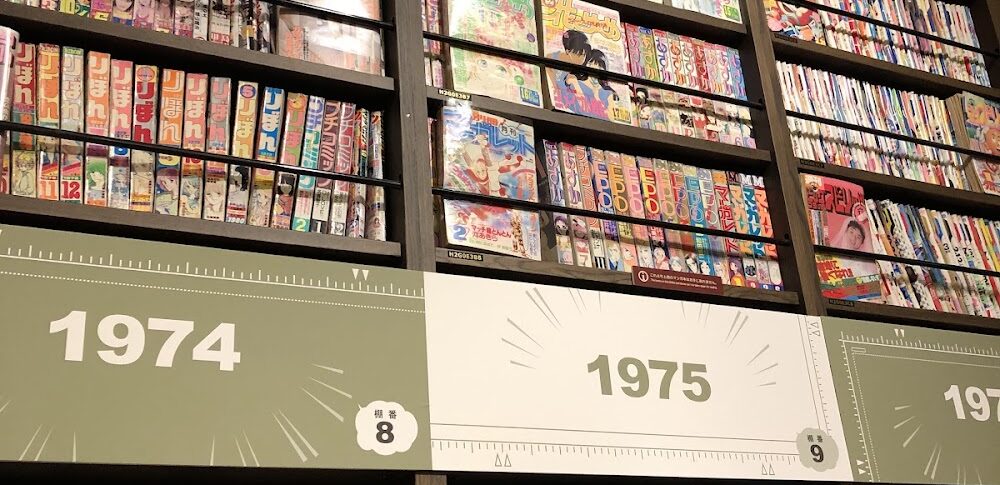
The facility’s greatest characteristic is its collection of approximately 300,000 manga-related materials. Of these, approximately 50,000 manga books are displayed as “Manga Wall” throughout the museum, allowing visitors to freely pick them up and read. Collections spanning from Meiji-era magazines, post-war rental manga, contemporary popular works, to masterpieces from around the world are brought together, transcending both time and national borders.
Why It’s Called “The Sacred Ground of Manga”
The reason the Kyoto International Manga Museum is called “the sacred ground of manga” lies in its multifaceted appeal that goes beyond being merely an exhibition facility. It functions simultaneously as an archive and research institution for materials while also serving as a space to experience and create manga culture.
In addition to permanent exhibitions, the museum features diverse programs including special exhibitions, workshops, kamishibai (paper theater) performances, manga studio production demonstrations, and caricature corners. It also functions as an academic hub bringing together manga researchers from Japan and abroad, gaining international recognition as a center for disseminating manga culture.
Many manga works feature Kyoto as their setting, and it is not uncommon for fans to visit as part of “sacred site pilgrimages” tracing locations connected to their favorite works. The museum itself functions as a “sacred ground” of manga culture, Japan’s pop culture.
Access and Basic Information
Location and Transportation
Address: 〒604-0846 Karasu-maru-dori Oike-agaru, Nakagyō Ward, Kyoto City, Kyoto Prefecture (Former Ryuike Elementary School)
By Train:
- 2-minute walk from Exit 2 of Karasuma-Oike Station on the Kyoto Municipal Subway Karasuma Line/Tōzai Line (most accessible route)
- 10-minute walk from Nijō-jō-mae Station on the Kyoto Municipal Subway Tōzai Line
- 15-minute walk from Karasuma Station on the Hankyu Kyoto Line
By Bus:
- 3-minute walk from Karasuma-Oike bus stop on Kyoto City Bus
- 5-minute walk from Karasuma-Nijō bus stop on Kyoto City Bus
From Kyoto Station, it takes approximately 10 minutes on the Karasuma Line subway, getting off at Karasuma-Oike Station makes access very smooth. Located in central Kyoto, it is easy to combine with other tourist attractions.
Opening Hours and Fee Information
Opening Hours: 10:00 AM to 6:00 PM (Last admission: 5:30 PM)
Closed Days:
- Every Wednesday (or the following day if Wednesday is a holiday)
- New Year’s holidays
- Maintenance periods
Admission Fee:
- Adults: 900 yen
- Junior/High School Students: 400 yen
- Elementary School Students: 200 yen
- Below Elementary School: Free
※Group discounts and annual passes are also available. It is recommended to check the latest pricing information on the official website.
Online Ticket Purchase:
Advance purchase is available through the official online ticket website (e-tix.jp/kyotomm/). As it allows smooth entry even during crowded times, advance purchase is particularly convenient when visiting on weekends or holidays.
Museum Highlights and Permanent Exhibitions
The Spectacular “Manga Wall”
What immediately captures visitors’ attention upon entering the Kyoto International Manga Museum is the “Manga Wall,” which extends approximately 200 meters. The bookshelves installed on both sides of the former elementary school’s corridors are lined with approximately 50,000 manga books.
This wall installation covers a wide range of genres including shonen manga, shojo manga, and seinen manga published from the 1970s through the 2000s. Visitors can freely pick up books and read them anywhere within the museum—an innovative system.
Reunion with nostalgic works and encounters with yet-undiscovered masterpieces await. The experience of reading manga while lying on the grass in the courtyard is a moment of bliss found nowhere else.
Exhibition of Valuable Historical Materials
In the permanent exhibition area, precious materials tracing the history of Japanese manga are displayed. These include Meiji-era caricatures and satirical magazines, children’s magazines from the Taisho and early Showa periods, and post-war rental manga—first-rate materials narrating the evolution of manga culture.
Particularly noteworthy are the collections of original artwork and first editions by masters such as Osamu Tezuka, Shotaro Ishinomori, and Fujiko Fujio. Through works indicating important turning points in manga history, visitors can understand how Japan’s pop culture has developed.
Special Exhibitions
The Kyoto International Manga Museum hosts diverse special exhibitions throughout the year. Retrospective exhibitions focusing on specific artists, thematic collections, introductions to manga from around the world—there are always new discoveries.
Past exhibitions have included “The World of Shojo Manga,” “Osamu Tezuka Exhibition,” and “Manga Around the World.” These special exhibitions range from academically valuable ones reflecting the latest in manga research to highly entertaining ones for fans, captivating visitors from diverse backgrounds.
Experience-Based Content and Events
Production Demonstrations at the Manga Studio
The Manga Studio regularly holds production demonstrations by professional manga artists and assistants. Visitors have a rare opportunity to observe the actual manga-making process up close, including inking, tone application, and background rendering.
The demonstrators rotate monthly, with artists of various genres and styles making appearances. Beyond just viewing the creative process, there are also times for questions and interaction, making it an inspiring experience for those interested in manga creation.
Kamishibai Performances
Performances of kamishibai, Japan’s traditional form of street theater entertainment, are also among the museum’s popular content. The powerful narration by professional kamishibai performers and the nostalgic world of kamishibai are enjoyable for both children and adults.
Kamishibai can be considered a predecessor to manga—a form of visual storytelling—and through its performance, visitors can experience the history of Japan’s narrative culture. Performance schedules are published monthly on the official website, so checking before your visit is recommended.
Caricature Corner
The caricature corner within the museum offers caricature services by professional illustrators. Various styles are available, including manga and anime styles, making it a popular souvenir from a Kyoto trip.
The illustrators change daily, each bringing their unique touch. Monthly schedules are available on the official website, so you may want to time your visit to coincide with an illustrator whose style you prefer.
Workshops and Lectures
The Kyoto International Manga Museum offers comprehensive programs supporting creative activities, including manga drawing lessons, character design classes, and story creation workshops.
From introductory courses for beginners to specialized seminars for experienced creators, diverse courses are available according to skill level. Most of these programs require advance registration, so check the schedule and application method on the official website.
Museum Shop and Cafe
Charm of the Museum Shop
The museum shop at the Kyoto International Manga Museum offers abundant original merchandise available nowhere else. From standard items like museum logo stationery, tote bags, and T-shirts to Japanese-style designed goods with a Kyoto flavor, there is a diverse lineup.
Particularly noteworthy are collaborative products with Kyoto’s long-established confectionery “BAIKAL.” Candies featuring museum-exclusive packaging designs make popular souvenirs.
Additionally, manga-related books, research materials, and exhibition catalogs are sold, offering a well-stocked selection for those wishing to deepen their understanding of manga culture.
Relaxation at the Cafe
The cafe within the museum allows visitors to enjoy light meals and beverages while taking a break. Manga-themed menus and menus incorporating Kyoto’s traditional aesthetic are offered, enriching the moments between viewing exhibitions.
There is also a terrace seating area facing the courtyard, where visitors can relax in an open space on fine days. Spending time leisurely reading manga while enjoying the atmosphere is a unique pleasure this museum offers.
Enjoyment as a Sacred Site Pilgrimage Destination
Kyoto as the Setting for Manga Works
Kyoto serves as the setting for numerous manga and anime works and is popular as a pilgrimage destination. Works set in Kyoto are countless, including “Chihayafuru,” “The Eccentric Family,” and “Inari, Konkon, Koi Iroha.”
The Kyoto International Manga Museum functions as a gathering place for fans of these works. Exhibitions related to works set in Kyoto are sometimes held within the museum, making it a valuable destination for pilgrimage fans.
Adjacent Sacred Site Pilgrimage Spots
Several sacred site pilgrimage spots are scattered around the Kyoto International Manga Museum. Nijō Castle, Kyoto Imperial Palace, the Kamogawa River, and Pontocho are all within walking distance and serve as settings for various works.
Planning a sacred site pilgrimage route starting from the museum to retrace the fictional worlds of manga is highly recommended. Rereading the works within the museum before visiting actual locations creates a deeper emotional impact.
Photo Spots
The Kyoto International Manga Museum building itself, with its retro-modern atmosphere, is popular as a photo spot. Numerous Instagram-worthy locations exist throughout, including corridors retaining the former school’s character, the grassy courtyard, and the Manga Wall.
However, there are rules regarding photography within the museum. Photography is often prohibited in permanent exhibition and special exhibition areas, so confirm which areas allow photography before taking pictures. Additionally, consideration for other visitors’ privacy is necessary.
Research and Academic Functions
A Hub for Manga Culture Research
The Kyoto International Manga Museum serves not merely as an exhibition facility but also as an important research hub for manga culture. Through collaboration with Kyoto Seika University, manga studies research is promoted, with researchers from Japan and abroad visiting for material research.
The approximately 300,000 items in the collection serve as the foundation for multifaceted research into manga history, social impact, and expressive techniques. While access to some rare materials requires a viewing application, general visitors may use them for research purposes.
A Space for International Exchange
True to its name, the Kyoto International Manga Museum is an institution with international perspective. Regular exhibitions introducing manga and comic culture from around the world, as well as symposiums inviting international researchers and artists, are periodically held.
The museum provides opportunities to examine manga culture from a global perspective—considering the influence Japanese manga has had worldwide and, conversely, the influence overseas comic culture has had on Japan.
Points to Know Before Visiting
Recommended Visit Duration
The standard visit duration for the Kyoto International Manga Museum is approximately 2 to 3 hours, though manga enthusiasts can enjoy it for a half-day or full day. A quick overview of the displays can be completed in about an hour, but time passes quickly once you start selecting favorite works from the Manga Wall to read.
Visit duration varies depending on the content of special exhibitions and event schedules, so checking the official website beforehand for that day’s programs is advisable.
Crowding Conditions and Best Visiting Times
Weekends, holidays, and spring/summer vacation periods are relatively crowded. For leisurely viewing, weekday mornings or the time immediately after opening are recommended.
During popular special exhibition periods, crowding is expected, making advance online ticket purchase highly recommended. Additionally, entering right at the final admission time (5:30 PM) may not allow sufficient time to enjoy the museum adequately, so plan with time to spare.
Museum Rules and Etiquette
The Kyoto International Manga Museum has established several rules so all visitors can have a comfortable experience:
- Manga books can be freely read within the museum but cannot be taken outside
- Food and beverages are permitted only in designated cafe areas (water for hydration is permitted in some areas)
- Storing large luggage in lockers is recommended
- Photography in exhibition areas is prohibited or restricted in some areas
- Maintain a quiet environment by refraining from loud conversations
Following these rules helps maintain an environment where all visitors can comfortably spend their time.
Accessibility
The Kyoto International Manga Museum accommodates visits by wheelchair users. Elevators are installed for access to each floor. Multi-purpose restrooms are also available.
However, as the facility uses a former elementary school building, some areas may have steps. If you plan to visit by wheelchair, it is recommended to contact the facility in advance.
Methods for Obtaining Latest Information
Official Website and SNS
The latest information about the Kyoto International Manga Museum can be confirmed on the official website (kyotomm.jp). Be sure to check before visiting for information about special exhibition schedules, event information, and temporary closure notices.
The official Twitter account (@kyotomm) posts daily updates and information in real-time. Information about kamishibai and manga studio demonstrators, caricature artist schedules, and other details can also be confirmed in advance on SNS.
Mailing List and Membership Program
The Kyoto International Manga Museum offers both mailing list subscriptions and a membership program. Purchasing an annual pass allows unlimited admission, with benefits including access to member-exclusive events.
If you plan to visit frequently or have a deep interest in manga culture, consider using these programs.
Combining with Kyoto Tourism
Nearby Tourist Attractions
The Kyoto International Manga Museum, being located in central Kyoto, makes it easy to combine with other major tourist attractions.
Within Walking Distance:
- Nijō Castle (10-minute walk): A Meiji-era castle listed as a UNESCO World Heritage site
- Kyoto Imperial Palace (15-minute walk): The former imperial residence with high historical value
- Nishiki Market (15-minute walk): Known as “Kyoto’s Kitchen,” a renowned food destination
Easy Access via Subway:
- Easily accessible via combined subway and bus routes to famous Kyoto temples and shrines including Kiyomizu-dera, Kinkaku-ji, and Ginkaku-ji
Suggested Model Courses
Half-Day Course:
Morning: Kyoto International Manga Museum (2–3 hours)
Lunch: Food stall browsing at Nishiki Market
Afternoon: Nijō Castle tour
Full-Day Course:
Morning: Nijō Castle tour
Lunch: Nearby cafe or restaurant
Afternoon: Kyoto International Manga Museum (3–4 hours)
Evening: Shopping and dinner in Kawaramachi/Pontocho
Sacred Site Pilgrimage Course:
Morning: Tour shrines and temples related to works
Lunch: Cafe or restaurant featured in works
Afternoon: Re-read works at the Kyoto International Manga Museum
Evening: Stroll along the Kamogawa River
Conclusion: A Must-Visit Sacred Ground for Manga Fans
The Kyoto International Manga Museum is a one-of-a-kind facility worldwide where the past, present, and future of Japanese manga culture converge. With approximately 300,000 items in its collection, freely readable 50,000-book Manga Wall, diverse experiential programs, and even academic research functions, it serves as a comprehensive temple to manga culture, attracting numerous fans from Japan and abroad.
When visiting Kyoto Prefecture, in addition to visiting traditional temples and shrines, be sure to stop by the Kyoto International Manga Museum, a sacred ground of modern Japanese pop culture. Reunion with nostalgic works, encounters with new discoveries, deeper understanding of manga culture, and above all, the bliss of purely enjoying manga awaits you.
Excellent accessibility, comprehensive exhibition content, diverse experiential programs, and the depth that offers new discoveries with each visit—these are all reasons why the Kyoto International Manga Museum is “the sacred ground of manga.” It is a special place that all manga lovers should visit at least once.