
“My Neighbor Totoro,” the masterpiece animation film by Studio Ghibli released in 1988, has a deep connection with Tokorozawa City in Saitama Prefecture that many people are unaware of. This article provides a detailed explanation of the charm of the areas around Tokorozawa City, which is said to be the setting model for this timeless masterpiece, actual spots you can visit, and the connection between Director Hayao Miyazaki and Tokorozawa.
Is the Setting of “My Neighbor Totoro” Based on Tokorozawa City?
The setting of “My Neighbor Totoro” is officially described as “the early 1950s Sayama Hills.” The Sayama Hills is a vast hilly area spanning Saitama and Tokyo prefectures, with Tokorozawa City occupying a central position.
Since Director Hayao Miyazaki himself has lived in Tokorozawa City for many years, it is widely believed that the rural landscape, mixed forests, rice paddies, and small streams depicted in the film are modeled after the nature of the Sayama Hills around Tokorozawa City.
Sayama Hills and Totoro’s Forest
The Sayama Hills is a approximately 3,500-hectare green space spanning Tokyo and Saitama prefectures, affectionately known as “Totoro’s Forest.” This area is characterized by:
- Rich Nature: Extensive mixed forests of konara and kunugi trees, displaying different characteristics with each season
- Diverse Ecosystem: Approximately 1,000 species of plants and thousands of insect species inhabit the area
- Satoyama Original Landscape: The rural Japanese landscape of the early 1950s is still preserved here
Tokorozawa City is actively engaged in preservation activities of the Sayama Hills, and continues to protect the natural environment that served as the setting for the film through initiatives such as the “Totoro’s Hometown Fund.”
Notable Spots Related to Totoro in Tokorozawa City
1. Kurosuke’s House (Former Tokorozawa Municipal Kozashi Nursery School)
Location: 3-1169-1 Mikajima, Tokorozawa City, Saitama Prefecture
“Kurosuke’s House” is an old traditional house said to be one of the models for the Kurogane family that appears in “My Neighbor Totoro.” Officially managed by the “Public Interest Incorporated Foundation Totoro’s Hometown Fund,” the facility features:
- Building Characteristics: A wooden single-story structure built in the early Showa period
- Interior Tours: Interior viewing is possible by advance reservation (open approximately twice a month)
- Display Contents: Exhibitions about the nature of Totoro’s Forest and preservation activities
- Atmosphere: An old traditional house where you can feel the atmosphere of the Kurogane family from the film
At Kurosuke’s House, volunteer staff provide guided tours, allowing you to learn in detail about the relationship between Totoro and Tokorozawa.
2. Totoro’s Forest No. 1
Location: 351 Kamiyamaguchi Zakogiri, Tokorozawa City, Saitama Prefecture
Totoro’s Forest No. 1 is a preserved green space first acquired by the “Totoro’s Hometown Fund” in 1991:
- Area: Approximately 6,600 square meters
- Characteristics: Mixed forest of kunugi and konara trees
- Walking Paths: A maintained trail allows for nature observation
- Access: Approximately 15 minutes on foot from Shimoyamaguchi Station on the Seibu Sayama Line
Currently, Totoro’s Forest extends across more than 60 sites, with multiple preservation areas throughout Tokorozawa City.
3. Hachikoku Mountain Green Space
Location: Higashimurayama City, Tokyo / Tokorozawa City, Saitama Prefecture
Hachikoku Mountain Green Space is a green area near the location said to be the model for Shichikoku Mountain Hospital in “My Neighbor Totoro”:
- Elevation: Approximately 89 meters
- Views: On clear days, you can see Mount Fuji and the Chichibu Mountains in the distance
- Hiking: Multiple hiking courses are maintained
- Nature: A mixed forest landscape like that depicted in the film spreads across the area
Accessible from the Tokorozawa City side as well, this is a popular spot where you can experience the world of Totoro.
4. Sayama Lake (Yamaguchi Reservoir)
Location: Tokorozawa City, Saitama / Higashiyamato City, Tokyo
Sayama Lake is said to be one of the image sources for the film:
- Completion: 1934 (Showa 9)
- Circumference: Approximately 7 kilometers
- Landscape: Rich nature surrounding the lake
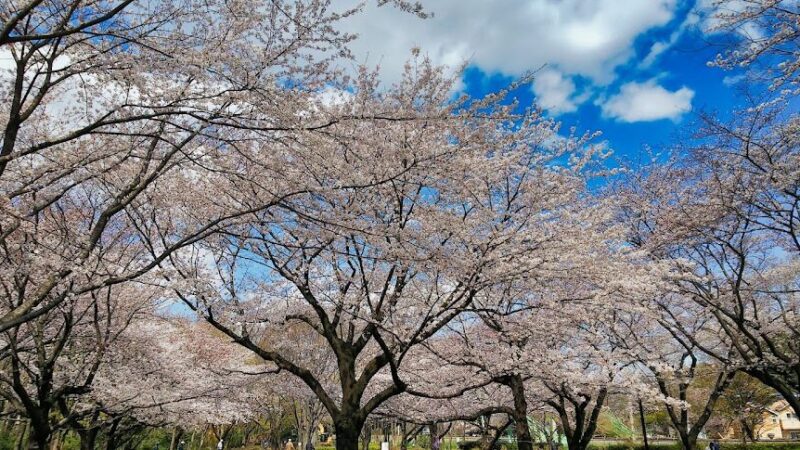
- Cherry Blossom Spot: About 20,000 cherry blossoms bloom in spring
From the lakeside promenade, you can enjoy the beautiful natural scenery depicted in the film.
The Deep Connection Between Director Hayao Miyazaki and Tokorozawa City
Hayao Miyazaki as a Tokorozawa Resident
Director Hayao Miyazaki has maintained a residence in Tokorozawa City since the 1970s and has continued his creative work in this area for many years. The natural environment of Tokorozawa has served as a source of inspiration not only for “My Neighbor Totoro” but for many Studio Ghibli works.
Participation in Nature Conservation Activities
Director Miyazaki has actively participated in nature conservation movements, opposing development plans for the Sayama Hills:
- Totoro’s Hometown Fund: Cooperated in its establishment and serves as an advisor
- Conservation Activities: Continues to make donations and provide support for green space preservation in the Sayama Hills
- Message Communication: Continues to advocate for the importance of nature through his works
Official Relationship with Tokorozawa City
Tokorozawa City values the connection between Totoro and Director Miyazaki:
- Tourism Resource: Uses locations related to Totoro in tourism promotion
- Environmental Education: Utilizes Totoro’s Forest as a venue for environmental education
- Cultural Promotion: Promotes cultural development activities through Studio Ghibli works
However, since Director Miyazaki does not favor excessive commercialization, the city is careful to ensure restrained use.
The Debate Over the Setting Model of “My Neighbor Totoro”
Actually, there are multiple candidate locations for the setting of “My Neighbor Totoro”:
Tokyo’s Higashimurayama City Theory
- Hachikoku Mountain Green Space: Said to be the model for Shichikoku Mountain depicted in the film
- Shin-Akitsu Station Area: There are locations similar to scenes in the film
- Director Miyazaki’s Comments: He has made references to Higashimurayama City
Saitama’s Iruma City Theory
- Totoro’s Forest: Preservation areas of Totoro’s Forest also exist in Iruma City
- Sayama Hills: Iruma City also includes part of the Sayama Hills
Composite Model Theory
The most widely accepted theory is that the Sayama Hills area centered on Tokorozawa City serves as a comprehensive model. Director Miyazaki himself has made statements to the effect that “rather than a specific single location, the entire Sayama Hills serves as the model.”
Tokorozawa City is positioned at the center of the Sayama Hills, and given that Director Miyazaki lived here for many years, it is considered the area with the most influence.
Precautions and Access Information for Visiting Totoro’s Forest
Access Methods
By Train:
- Exit at “Kozashi Station” on the Seibu Ikebukuro Line
- Exit at “Shimoyamaguchi Station” on the Seibu Sayama Line
- Exit at “Shin-Tokorozawa Station” on the Seibu Shinjuku Line
You can transfer to buses or walk to each spot from each station.
By Car:
- Approximately 15 minutes from “Tokorozawa Interchange” on the Kan-Etsu Expressway
- Parking varies by facility, so advance confirmation is necessary
Points to Note When Visiting
- Consideration for Private Property: Part of Totoro’s Forest is private property. Do not enter areas marked as off-limits
- Nature Conservation: Always take your trash with you, and do not collect plants
- Kurosuke’s House Reservations: Viewing requires advance reservation, so please check the official website
- Season and Clothing: Since you will be walking in nature, prepare seasonal clothing and comfortable walking shoes
- Insect Prevention: In summer, measures against mosquitoes and midges are necessary
Recommended Visiting Seasons
- Spring (March-May): Fresh greenery is beautiful, and you can also enjoy cherry blossoms
- Summer (June-August): Surrounded by deep green, you can experience the summer scenes from the film
- Autumn (September-November): Autumn colors are beautiful, and you can also enjoy collecting acorns
- Winter (December-February): After leaf fall, the structure of the mixed forest becomes visible, ideal for bird watching
Activities of the Totoro’s Hometown Fund
The “Public Interest Incorporated Foundation Totoro’s Hometown Fund” is a nature conservation organization established in 1990:
Main Activities
- Land Acquisition and Preservation: Purchase land with donations and preserve it as “Totoro’s Forest”
- Environmental Education: Implementation of nature observation activities and environmental learning programs
- Information Dissemination: Report activities through newsletters and websites
- Volunteer Activities: Promotion of citizen-participatory preservation activities
Ways to Support
- Donations: General donations and membership systems are available
- Volunteering: Support forest maintenance and observation activities
- Merchandise Purchase: Profits from original merchandise are used for preservation activities
Details can be confirmed on the official website.
Other Totoro-Related Information in Tokorozawa City
Tokorozawa City Tourism Information
The Tokorozawa City Tourism Association provides tourism maps for visiting locations related to Totoro:
- Totoro’s Forest Map: Introduces the locations and characteristics of each preservation area
- Walking Courses: Multiple courses are set up
- Guided Tours: Guided tours are occasionally offered depending on the season
Other Nearby Tourist Attractions
Besides Totoro’s Forest, Tokorozawa City has other appealing spots:
- Tokorozawa Aviation Memorial Park: A vast park built on the site of Japan’s first airfield
- Tokorozawa Aviation Museum: Exhibits focusing on aviation
- Seibu-en Yuuen: An amusement park with a retro atmosphere
- Kadokawa Musashino Museum: A multipurpose cultural facility designed by Kengo Kuma
Combining these spots with Totoro-related locations allows for an enriching Tokorozawa tourism experience.
A Complete Guide to Experiencing the World of “My Neighbor Totoro”
1-Day Model Course
Morning:
- 9:00 Arrival at Kozashi Station on the Seibu Line
- 9:30 Visit to Kurosuke’s House (reservation required)
- 11:00 Walk through Totoro’s Forest No. 1
Afternoon:
- 12:00 Lunch in Tokorozawa City
- 13:30 Hiking at Hachikoku Mountain Green Space
- 15:30 Walk around Sayama Lake
- 17:00 Depart for home
Packing Checklist
- Comfortable walking shoes (sneakers or trekking shoes)
- Hat (for sun protection and insect prevention)
- Drinking water
- Towel
- Insect repellent spray (in summer)
- Camera
- Binoculars (for bird watching)
- Picnic mat (for resting)
Photography Tips
- Mixed Forest: Morning light filtering through trees is most beautiful
- Small Streams: Use water surface reflections in your composition
- Rice Paddies: Capture the changing expressions with each season
- Sky: Find open areas with wide sky views
However, refrain from taking photos on private property or in areas marked as off-limits.
Conclusion: The Future of “My Neighbor Totoro” and Tokorozawa City
The relationship between Saitama Prefecture’s Tokorozawa City and “My Neighbor Totoro” runs deeper than simply being a setting model. The nature of Tokorozawa, where Director Hayao Miyazaki has lived for many years and conducted his creative work, is literally the forest where Totoro lives.
Even now, through preservation activities centered on the “Totoro’s Hometown Fund,” the beautiful satoyama landscape depicted in the film is being protected. The fact that you can actually experience the world of “My Neighbor Totoro” in Tokorozawa City, accessible within about an hour from central Tokyo, is a cultural and natural treasure of Japan.
When visiting Tokorozawa City, it becomes an opportunity not just to sightsee but to reflect on the importance of nature conservation and the value of satoyama. The message of “coexistence with nature” that Totoro teaches us is becoming increasingly important in contemporary society.
Please visit Totoro’s Forest in Tokorozawa City and experience the world of the film while touching the abundant nature. If possible, consider participating in some form in activities to preserve this precious nature for future generations.
The story of “My Neighbor Totoro” and Tokorozawa City will continue.