Yuru Camp△: Complete Tokyo Holy Site Pilgrimage Guide
The immensely popular anime “Yuru Camp△” depicts the relaxed camping life of high school girls. Since its first season aired in 2018, this work has continued to lead the camping boom, and the movie version released in 2022 brought new developments. The sight of Nadeshiko and her friends, now adults, thriving with Tokyo as their stage, captured the hearts of many fans.
In this article, we provide a complete guide to holy site pilgrimage spots in Tokyo that became particularly important settings in the movie version of “Yuru Camp△”. We deliver information useful not only for anime fans’ holy site pilgrimages, but also for those interested in actual camping and outdoor activities.
About the Movie “Yuru Camp△”: Why Tokyo Became the Setting
The movie “Yuru Camp△” depicts the five characters—Nadeshiko Kagami, Rin Shima, Ena Saito, Aoi Inuyama, and Chiaki Ogaki—as working adults, with time having passed since the TV anime series. The protagonist Nadeshiko lives in Akishima City, Tokyo, and works at an outdoor shop while working hard with her friends to develop a campground utilizing a closed school.
In contrast to previous series, which mainly featured Yamanashi Prefecture and Shizuoka Prefecture as settings, the movie version features numerous locations within Tokyo. As a holy site easily accessible from the city center, many fans visit for pilgrimage.
Major Holy Site Pilgrimage Spots in Tokyo
Akishima Outdoor Village (Moripark Outdoor Village)
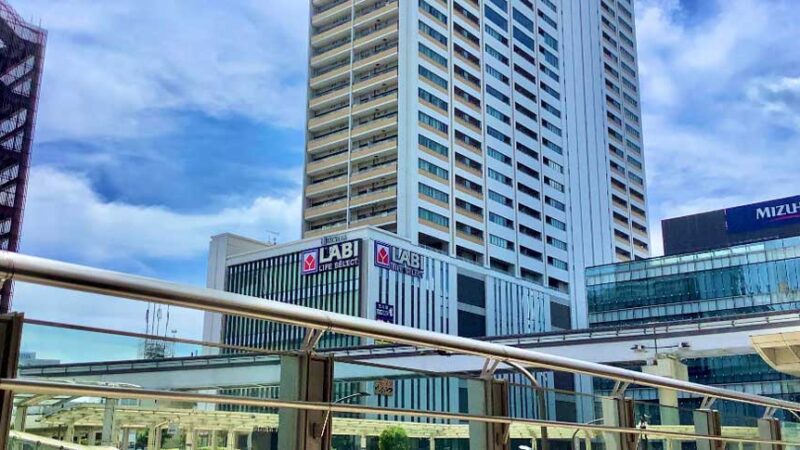
The most important holy site in the movie “Yuru Camp△” is “Moripark Outdoor Village,” directly connected to Akishima Station. This facility served as the model for the outdoor shop where Nadeshiko works as an adult, and it appears in the key visual.
Characteristics of the Facility
Moripark Outdoor Village opened in 2015 as an outdoor specialty commercial facility. Approximately 30 outdoor brands are gathered, handling products for outdoor activities ranging from camping gear to climbing and canoeing.
The facility also has areas where you can actually experience climbing walls and canoeing, allowing you to enjoy not just shopping but experience-type activities. You can experience the same atmosphere as the scenes in the movie where Nadeshiko provides customer service.
Access Method
- About 3 minutes walk from the north exit of JR Ome Line “Akishima Station”
- About 5 minutes from Tachikawa Station on the Chuo Line via the Ome Line
- About 1 hour from Tokyo Station on the Chuo Line
Access from within Tokyo is extremely convenient, allowing you to visit easily by train. The location near the station is a major attraction, as holy site pilgrimage is possible without a car.
Photography Points
The building exterior used in the movie’s key visual can be photographed from near the facility’s front entrance. Additionally, many areas within the shop match scenes from the film, allowing you to enjoy shopping while imagining Nadeshiko at work.
Tama Ohashi Bridge and Surrounding Riverbed
The “Tama Ohashi Bridge,” impressively depicted in the movie’s key visual, spans the Tama River connecting Akishima City and Fukutsu City. The beautiful scenery at dusk is effectively used in the film and has become a popular photography spot among fans.
Highlights of Tama Ohashi Bridge
From Tama Ohashi Bridge, you can see Mount Fuji in the distance on clear days. In the movie’s key visual, the view from the bridge is depicted impressively, and many pilgrims attempt to photograph from the same angle.
The riverbed spreading below the bridge is a place of relaxation for local people, where you can see people enjoying walks and jogging. Scenes of the riverbed also appear in the film, depicted as part of Nadeshiko’s daily life.
Access Method
- About 30 minutes walk from Akishima Station on the JR Ome Line
- About 10 minutes by bus from Akishima Station, getting off at the “Tama Ohashi” bus stop
- Recommended to combine with Akishima Outdoor Village pilgrimage
If walking, the distance is somewhat far, but by walking along the Tama River promenade, you can experience the atmosphere of the film more deeply. Access by bicycle is also comfortable, and many pilgrims use rental bikes.
Best Time for Photography
If you want to photograph the scenery at dusk similar to the key visual, about one hour before sunset is recommended. While sunset times vary by season, from fall through winter, there’s a higher probability of seeing Mount Fuji more clearly.
Around Akishima Station
The area around Akishima Station, shown as the town where Nadeshiko lives in the movie version, also appears in detailed shots. The station plaza and shopping streets, everyday scenery, add color to the work.
Characteristics of Akishima Station
Akishima Station is on the Ome Line, positioned two stations west of Tachikawa Station. Commercial facilities gather around the station, making it the center of local residents’ lives. In the movie, the area around the station appears in scenes of Nadeshiko commuting and shopping after work.
At the station’s north exit is the aforementioned Moripark Outdoor Village, while a shopping street spreads at the south exit. Models for convenience stores and restaurants appearing in the film are scattered throughout, and those who want to enjoy detailed holy site pilgrimage would do well to explore the station area.
Migration Route from Tokyo to Yamanashi Prefecture: Dangozaka Service Area
In the movie “Yuru Camp△”, there are also scenes of heading toward a campground in Yamanashi Prefecture from Tokyo. Featured in this is the “Dangozaka Service Area” on the Chuo Expressway.
Role of Dangozaka SA
Dangozaka SA is an important rest stop used by many drivers heading from Tokyo toward Yamanashi. In the movie, there’s a scene where the team building the campground stops here while heading to Yamanashi, and it can be utilized as a rest stop when moving from Tokyo to holy sites in Yamanashi during actual pilgrimage.
The facility has shops selling Yamanashi specialty products and restaurants where you can enjoy local cuisine, allowing you to taste Yamanashi on the journey. From the observation area, you can also see the surrounding mountains, heightening the anticipation of heading to the campground.
Access and Usage
Dangozaka SA is on the Chuo Expressway, so car access is the standard. There are service areas on both the upbound (Tokyo direction) and downbound (Yamanashi direction) lanes, with different facility configurations for each.
When heading from Tokyo to holy sites in Yamanashi Prefecture (Lake Motosuko, Minobu, Minobu Natural Village, etc.), resting at Dangozaka SA can relieve fatigue from long-distance driving.
Sample Holy Site Pilgrimage Model Courses from Tokyo
Day Trip Course: Tokyo Concentration Plan
Time Required: Approximately 4–5 hours
- Arrival at Akishima Station (10:00)
- Head to Akishima Station via JR Chuo Line and Ome Line
- Confirm holy sites appearing in the film around the station
- Moripark Outdoor Village (10:30–12:30)
- Tour the model of Nadeshiko’s workplace
- Check camping gear at outdoor shops
- Have lunch at the facility
- Move to Tama Ohashi Bridge (13:00–14:30)
- Travel by foot or bicycle (approximately 30 minutes)
- Photograph from the same angle as the key visual
- Explore the riverbed
- Explore Around Akishima Station (15:00–16:00)
- Tour shopping streets and convenience stores appearing in the film
- Rest at a cafe
This course is accessible by train alone and is an ideal holy site pilgrimage plan that even camping beginners and those without cars can enjoy.
1-Night, 2-Day Course: Tokyo and Yamanashi Sightseeing Plan
Day 1: Tokyo
- Morning: Akishima Station area and Moripark Outdoor Village
- Afternoon: Tama Ohashi Bridge and riverbed
- Evening: Dinner around Akishima Station
- Accommodation: Hotel in Tachikawa or Hachioji
Day 2: Yamanashi Prefecture
- Early morning: Depart to Yamanashi by rental car
- Morning: Rest at Dangozaka SA, head to holy sites in Yamanashi
- Afternoon: Lake Motosuko, Minobu, Minobu Natural Village, etc.
- Evening: Return to Tokyo
This course allows you to efficiently visit both Tokyo holy sites featured in the movie and major holy sites in Yamanashi Prefecture, the main setting of the TV anime series.
Notes and Manners for Holy Site Pilgrimage
Photography Manners
Akishima Outdoor Village is an operating commercial facility. When photographing, note the following:
- Obtain permission before photographing inside stores
- Be considerate so as not to inconvenience other customers
- Do not photograph products without permission
- Avoid using tripods during busy times
Tama Ohashi Bridge and the riverbed are public spaces but also living spaces for local residents. Avoid making loud noises or occupying spaces for long periods.
Traffic Safety Considerations
Tama Ohashi Bridge is a bridge with vehicle traffic. Don’t get so absorbed in photography that you step into the roadway; be sufficiently careful. When descending to the riverbed, watch your footing, and avoid approaching during high water or bad weather.
Environmental Conservation Awareness
One of the work’s themes is coexistence with nature. When making holy site pilgrimages, always take your trash with you and maintain awareness of protecting the natural environment. Particularly in the riverbed, take care not to damage vegetation.
Differences Between Tokyo Holy Sites and Yamanashi and Shizuoka Holy Sites
Characteristics of Tokyo Holy Sites
Holy sites in Tokyo appearing in the movie version primarily center on “daily life” scenes. Scenes of Nadeshiko’s workplace, commute, and living area are common, with an urban atmosphere different from campsites and outdoor fields.
Easy train access and major spots concentrated within walking distance of the station make pilgrimage easier for those without cars. Additionally, since it centers on commercial facilities, it’s attractive as it can be enjoyed even in rainy weather.
Combinations with Yamanashi and Shizuoka Holy Sites
The holy sites in Yamanashi and Shizuoka prefectures, the main settings of the TV anime series, center on natural campsites and tourist spots like Lake Motosuko, Fumotoppara, and Minobu. The characteristic is that you can enjoy actual camping while making holy site pilgrimages, allowing you to experience the anime’s worldview more deeply.
An ideal holy site pilgrimage plan is visiting movie version spots in Tokyo and then extending to holy sites in Yamanashi and Shizuoka. This allows you to experience both the “present” of Nadeshiko and friends as working adults and their “past” as high school students.
Tips for Enjoying Holy Site Pilgrimage More
Preparation and Review of the Work
It’s recommended to watch (or rewatch) the movie “Yuru Camp△” before pilgrimage. Knowing which scenes feature which locations beforehand will double the emotion experienced at the site.
If possible, save screenshots from the film on your smartphone or tablet; this makes photographing from the same angles easier.
Information Gathering via SNS
Searching hashtags like “#YuruCampPilgrimage” or “#AkishimaOutdoorVillage” on Twitter (X) or Instagram lets you learn about the latest information and photography tips from other pilgrims. You can also check beforehand about seasonal landscape changes and crowd conditions.
Enjoying Local Cuisine
The Akishima area has many restaurants popular with locals. Enjoying local cuisine between holy site visits is part of the trip’s appeal. There are also cafes and restaurants within Moripark Outdoor Village where you can enjoy meals while experiencing an outdoor feeling.
Combining Holy Site Pilgrimage with Actual Camping
Expansion to Minobu Natural Village
The movie “Yuru Camp△” also features scenes heading from Tokyo to “Minobu Natural Village” in Yamanashi Prefecture. After finishing holy site pilgrimage in Akishima, a plan to actually stay at a campground in Yamanashi is a way to maximally enjoy the work’s worldview.
Minobu Natural Village is a campground located at the foot of Mount Minobusan, where you can see Mount Fuji from mountain sites. In the movie, it appears as a place Nadeshiko and friends visit as reference for campground development, and its beautiful natural environment is depicted impressively.
Preparation for Beginner Campers
Many have become interested in camping due to “Yuru Camp△”. Akishima Outdoor Village stocks abundant gear for beginner campers, and you can consult with staff while acquiring necessary equipment.
It’s recommended to start with day camping before gradually stepping up to overnight camping. The characters in the film also show growth through repeated failures.
Seasonal Appeal of Holy Site Pilgrimage
Spring (March–May)
Cherry blossoms bloom in the Tama River riverbed, letting you feel the arrival of spring. The mild climate makes walking comfortable. Visit on weekdays as Golden Week periods may be crowded.
Summer (June–August)
Vegetation becomes lush, and you can feel the coolness of the water in the riverbed. However, daytime temperatures rise, making heat stroke prevention necessary. Using early morning or evening hours for pilgrimage is recommended.
Autumn (September–November)
Many autumn scenes appear in “Yuru Camp△”. During foliage season, trees along the Tama River turn colors, offering beautiful scenery. Additionally, with clear air, there’s a higher probability of seeing Mount Fuji from Tama Ohashi Bridge.
Winter (December–February)
The season closest to the work’s atmosphere. While harsh cold, it’s also a time to feel the charm of winter camping. With proper cold-weather preparation, experience the winter air the same as in the film.
Coordination with “Yuru Camp△” Holy Sites Outside Tokyo
Major Holy Sites in Yamanashi Prefecture
- Lake Motosuko: Where Rin and Nadeshiko met in Episode 1
- Fumotoppara: Popular campground overlooking Mount Fuji closely
- Minobu Station Area: Appearing as Nadeshiko’s school route
- Kouan Campground: Popular campground on the Lake Motosuko shore
Major Holy Sites in Shizuoka Prefecture
- Asagiri Plateau: Mount Fuji scenic spot
- Michi no Eki Asagiri Plateau: Appearing multiple times in the film
- Lake Tanuki: Diamond Fuji photography spot
Holy Sites in Nagano Prefecture
- Jinba-gata Yama Campground: Scenic spot appearing in SEASON 2
Combining these holy sites with Tokyo spots makes comprehensive “Yuru Camp△” series-wide holy site pilgrimage possible.
Coordination with Official Events
Official events like “Yuru Camp△” Holy Site Pilgrimage Touring Rally are held periodically. These events set approximately 20 checkpoints mainly centered in Yamanashi and Shizuoka prefectures, with participants able to receive perks.
While Tokyo holy sites are often not included as official event checkpoints, combining them with personal pilgrimage provides a richer experience.
Conclusion: Experiencing the “Yuru Camp△” World Starting from Tokyo
The newly added Tokyo holy sites in the movie “Yuru Camp△” offer an unprecedented form of holy site pilgrimage, combining excellent access with urban charm. Spots like Akishima Outdoor Village and Tama Ohashi Bridge can be visited easily by train and are ideal for first-time pilgrims.
By actually walking the streets where adult Nadeshiko works, you can discover new facets of the work. And starting from Tokyo holy sites, if you expand your journey to the natural campsites of Yamanashi and Shizuoka prefectures, you can experience the “Yuru Camp△” series worldview more deeply.
Through anime holy site pilgrimage, you may touch the appeal of actual camping and outdoor activities, opening new hobby worlds. Experience the “relaxed and comfortable time” depicted in “Yuru Camp△” as your own lived experience.