The anime “Shikanoko no Ko no Ko no Ko Shita Tan Tan” aired in summer 2024 and recorded a massive buzz on TikTok, surpassing 10 million views. This girls’ comedy centered around Kanoko, a mysterious girl with deer antlers, and Torako Torashi, a former delinquent, captivated many fans with its surreal worldview and catchy opening theme “Shika-iro Days.”
While it might seem that Nara Prefecture is the setting due to the appearance of deer, the main stage of the story is actually Hino City, Tokyo. This article comprehensively introduces all the sacred location spots that appear in the anime, along with detailed explanations of efficient pilgrimage routes, access methods, and photography tips.
About the Setting of the Anime “Shikanoko no Ko no Ko no Ko Shita Tan Tan”
Why is Hino City the Setting?
Hino City, Tokyo, where “Shikanoko no Ko no Ko no Ko Shita Tan Tan” is set, is a nature-rich town located approximately 30 km west of central Tokyo. While rivers like the Tamagawa and Asakawa flow through it and green hills remain, it is also a historic area known as the birthplace of Shinsumi Vice-Commander Toshizo Hijikata.
The anime features many actual locations within Hino City. Particularly in the opening scenes, iconic spots of Hino City are depicted one after another as the students commute to school, becoming a major topic of conversation among local residents and fans.
Nara Park Also Appears in the Ending
While the main setting of the story is Hino City, the ending animation features Nara Park in Nara City, Nara Prefecture. As befits a work themed around deer, the landscape of Nara Park, where deer actually live, has been incorporated. Fans aiming for a full-scale pilgrimage are recommended to visit both Hino City and Nara Park.
Preparation and Access Methods for Sacred Location Pilgrimage
Access to Hino City
Access to Hino City, Tokyo is primarily available by train and bus. Hino City is close to central Tokyo with a well-developed transportation network, making it easy to access from various locations in the city.
By Train:
- JR Chuo Line: Approximately 35 minutes by rapid express from Shinjuku Station to Hino Station, approximately 40 minutes by regular express
- Tama Monorail: Approximately 10 minutes from Takahata Fudo Station to approximately 15 minutes to Hogukubo Station
- Keio Line: Approximately 35 minutes by limited express from Shinjuku Station to Takahata Fudo Station
By Car:
- Approximately 15 minutes from “Kunitachi Fuchu IC” on the Chuo Expressway
- Coin parking is available around each spot, but public transportation is recommended.
Essential Items for Sacred Location Pilgrimage
- Smartphone/Camera: For comparative photography
- Mobile battery: To prepare for long-distance pilgrimage
- Comfortable walking shoes: Hino City includes hilly terrain and requires considerable walking
- Drinks and light snacks: Particularly in summer, heatstroke prevention is essential
- Map application: Such as Google Maps or NAVITIME
- Anime screen captures: For reference on shooting angles
Precautions During Pilgrimage
Sacred location spots in Hino City often include residential areas and public facilities. Please note the following when photographing:
- Do not trespass on private property
- Avoid loud conversation and noise
- Always take trash with you
- Follow traffic rules and prioritize safety when photographing on roads
- Be considerate so as not to disturb residents
Sacred Location Pilgrimage Model Courses
Here are two model courses for efficiently visiting sacred locations in Hino City.
Half-Day Course (Estimated time: approximately 4 hours)
Route: Takahata Fudo Station → Takahata Fudo Temple → Hogukubo Station → Nakahodokubo Bridge → JR Hino Station → Hino City Hall
- Start from “Takahata Fudo Station” on the Tama Monorail and Keio Line
- Takahata Fudo Temple (approximately 5 minutes on foot)
- Return to Takahata Fudo Station and take the Tama Monorail to Hogukubo Station (approximately 5 minutes)
- Photograph school commute scenes around Hogukubo Station (on foot)
- Nakahodokubo Bridge (approximately 5 minutes on foot)
- Move to JR Hino Station by Tama Monorail or bus
- JR Hino Station building and Toshizo Hijikata statue in front of the station (nearby on foot)
- Hino City Hall (approximately 15 minutes on foot from JR Hino Station)
Full-Day Course (Estimated time: approximately 7 hours)
Route: Half-Day Course + Tamagawa Riverbed + Shoseikairyu Hillside Trail Miharashi Park
In addition to the half-day course:
- From Hino City Hall, go to the Tamagawa Riverbed (near Hino Bridge) by bus or on foot (approximately 20 minutes on foot)
- Rest and photograph at the Tamagawa Riverbed
- Move by bus to the Shoseikairyu Hillside Trail area
- Shoseikairyu Hillside Trail Miharashi Park (with steep slopes; recommended for those with confidence in physical fitness)
Note: The Shoseikairyu Hillside Trail is known as a “steep difficulty” route, and traveling on foot is quite strenuous. If you have concerns about physical fitness, using buses or taxis is recommended.
Detailed Guide to Major Sacred Location Spots
Sacred Location ①: Takahata Fudo Temple Nioumon Gate
Address: 733 Takahata, Hino City, Tokyo
Access: Approximately 5 minutes on foot from Takahata Fudo Station
Visiting Hours: Grounds open at all times (halls are open 9:00~16:00)
Admission Fee: Free (Okuden and Dainichi Hall require admission fee)
Takahata Fudo Kongoji Temple is counted as one of the three great Fudo temples in the Kanto region and is a head temple of the Shingon Chitzan School. It is also known as the Bodhi temple of Shinsumi Vice-Commander Toshizo Hijikata, and a statue of Hijikata stands within the grounds.
In the anime, the Nioumon Gate appears in the opening scene. The stately vermillion-lacquered gate is a historically significant structure representing Hino City and is popular as a photography spot. The grounds are extensive and offer seasonal natural beauty, attracting many tourists beyond anime fans.
Photography Tips:
- The Nioumon Gate is best photographed from the front
- Early morning or weekday mornings are relatively uncrowded
- Be considerate of worshippers
- Photography is generally allowed within the grounds, but some halls prohibit internal photography
Sacred Location ②: JR Hino Station
Address: 3-chome Hino Honcho, Hino City, Tokyo
Access: JR Chuo Line Hino Station
Operating Hours: Station building is always open
JR Hino Station is an important spot that appears in the anime’s opening as students commute to school. The station building is relatively new and features modern design.
In front of the station stands a statue of Shinsumi Vice-Commander Toshizo Hijikata, symbolizing that Hino City is associated with Hijikata. This statue also appears in the anime and has become a fan photography spot.
Photography Tips:
- The station exterior is best photographed from the south exit
- The Toshizo Hijikata statue is located in the station plaza
- Avoid commute and school hours when it’s crowded
- Permission from station staff is required for photography within the station
Sacred Location ③: Hogukubo Station Area and Nakahodokubo Bridge
Address: Hogukubo, Hino City, Tokyo
Access: Tama Monorail Hogukubo Station
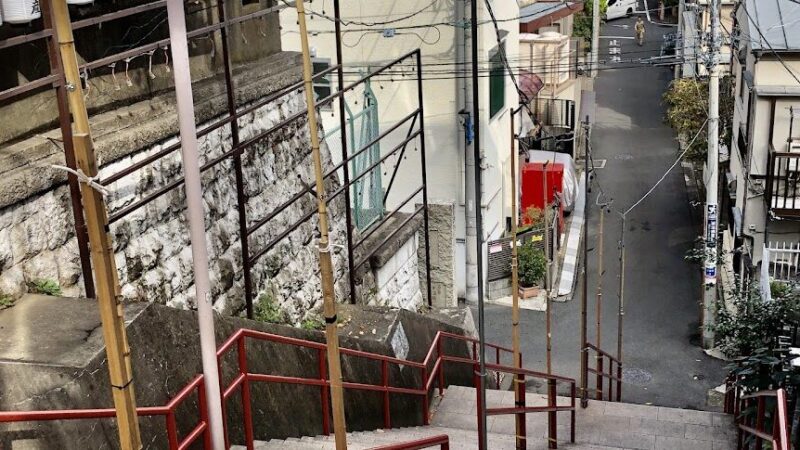
The Hogukubo Station area appears in the anime’s opening as the route students take to commute to school. Turning right from the station ticket gate and descending the stairs to the road and proceeding south allows you to walk in the same direction as the students depicted in the anime.
Walking south with the station at your back leads to the “Nakahodokubo Bridge.” This bridge is also one of the sacred locations appearing in the anime, with residential areas surrounding it.
Photography Tips:
- Hogukubo Station is an elevated station; the road after descending stairs is a photography spot
- The view from the Nakahodokubo Bridge matches the anime
- As this is a residential area, avoid loud noise and disruptive behavior
- Early mornings and weekday mornings are relatively quiet
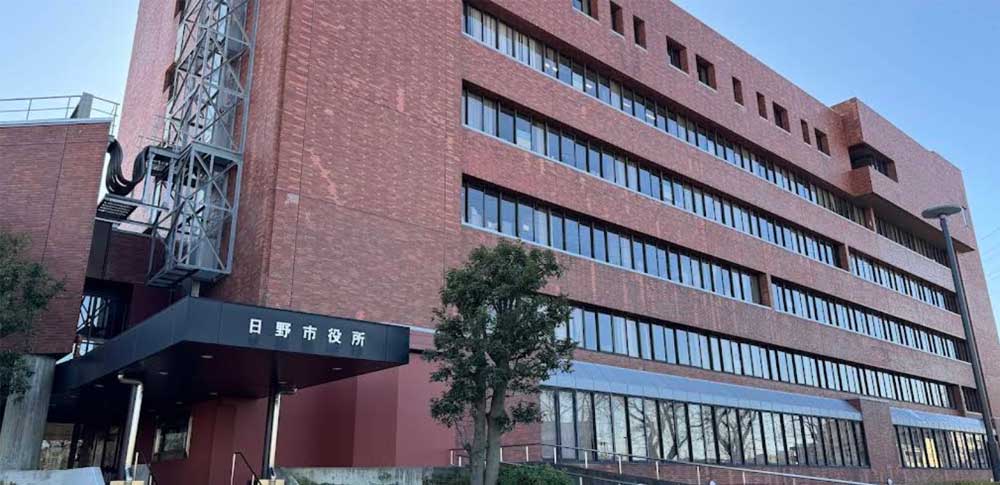
Sacred Location ④: Hino City Hall
Address: 1-12-1 Shinmei, Hino City, Tokyo
Access: Approximately 15 minutes on foot from JR Hino Station, or bus to “City Hall” stop
Office Hours: Weekdays 8:30~17:15 (Closed on weekends and holidays)
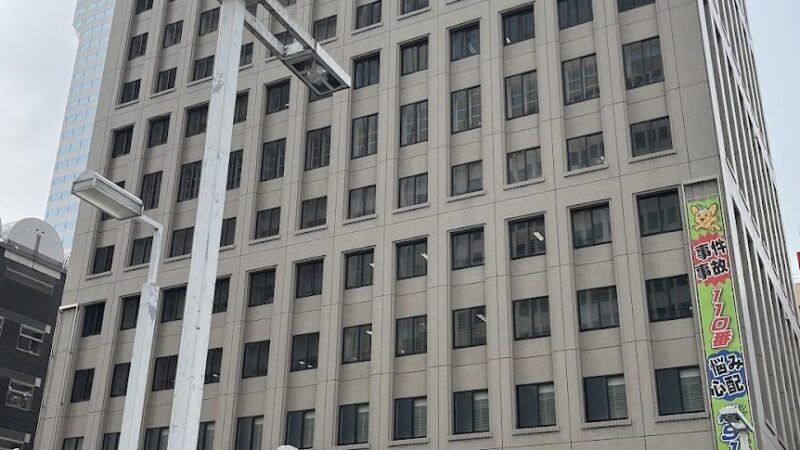
The Hino City Hall building is depicted as a public facility appearing in the anime. It is a modern building with a well-maintained park and plaza in the surrounding area.
The plaza in front of the hall is an open space that is easy to photograph. However, as it is a public facility used by many citizens on weekdays, care must be taken not to interfere with operations.
Photography Tips:
- The building exterior is best photographed from the main entrance
- Closed on weekends and holidays, so only exterior photography is possible
- Avoid using the parking lot as it is for visitors; public transportation is recommended
- Surrounding parks can also be photographed
Sacred Location ⑤: Tamagawa Riverbed (Near Hino Bridge)
Address: Hino, Hino City, Tokyo
Access: Approximately 20 minutes on foot from JR Hino Station, or by bus
The Tamagawa Riverbed appears as a naturally rich spot in the anime’s background. Particularly near Hino Bridge, an open landscape spreads out, popular with local residents for walks and picnics.
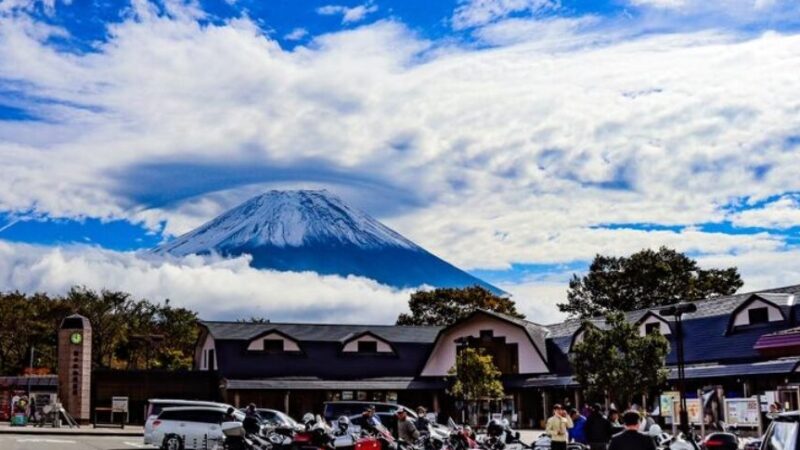
The riverside promenade is well-maintained and is used by joggers and cyclists. On fine days, you can even see the Tanzawa Mountains and Mount Fuji in the distance.
Photography Tips:
- The riverbed is vast; it may take time to find angles matching the anime
- The view from Hino Bridge is also a photography spot
- The landscape is particularly beautiful at dusk
- The riverbed is open to the public, but be cautious during water level rises
Sacred Location ⑥: Shoseikairyu Hillside Trail Miharashi Park
Address: Misawa, Hino City, Tokyo
Access: Approximately 25 minutes on foot from Tama Monorail Mangani Station (steep slopes), or bus use is recommended
Miharashi Park on the Shoseikairyu Hillside Trail is, as its name suggests, a park on a hilltop with an excellent view. In the anime, it appears as the background in an impressive scene.
However, access to this spot is known as a “steep difficulty route,” and traveling on foot requires considerable physical fitness. Especially in summer, the risk of heatstroke is high, so using buses or taxis without overexertion is recommended.
Photography Tips:
- The view from the park is excellent; you can see the entire Hino cityscape
- As access is difficult, visitors are relatively few
- If lacking confidence in physical fitness, check bus schedules in advance
- As it is a nature-rich area, don’t forget insect repellent measures
Efficient Transportation Methods and Escape Routes
Utilizing the Tama Monorail
The Tama Monorail is extremely convenient for sacred location pilgrimages in Hino City, connecting major stations like Takahata Fudo Station, Mangani Station, and Hogukubo Station.
Fare: From 160 yen initial boarding fee
Operating Interval: Approximately 10 minutes during the day
Operating Hours: From early 5 a.m. to late 11 p.m.
Daily passes are not issued, but IC cards (Suica, PASMO) are accepted.
Utilizing Bus Routes
Hino City is served by Keio Bus, Nishi Tokyo Bus, and others, making it convenient for accessing sacred locations away from stations.
Main Routes:
- JR Hino Station~Hino City Hall~Tama Zoological Park
- Takahata Fudo Station~Hyakuso Station~Seiseki Sakuragaoka Station
Checking bus schedules in advance can reduce waiting time.
Steep Slope Escape Route
For areas with steep slopes like the Shoseikairyu Hillside Trail, avoid overexertion and utilize the following escape routes:
- Bus Use: Bus from Mangani Station to Misawa Dai area
- Taxi Use: Direct taxi access from Takahata Fudo Station or Hino Station
- Rental Bicycle: Rental bicycle services are available in Hino City (electric-assisted recommended)
If feeling unwell or the weather is poor, it is important to change your plans without overexertion.
Attractions of Hino City to Enjoy Along with Sacred Location Pilgrimage
Sites Associated with the Shinsumi
Hino City is the birthplace of Shinsumi Vice-Commander Toshizo Hijikata, and various Shinsumi-related spots such as the Toshizo Hijikata Museum and Ishida Temple (Hijikata’s grave) are scattered throughout the city.
A charm of Hino City is that you can enjoy historical walks in conjunction with “Shikanoko” sacred location pilgrimage.
Gourmet Spots
Around Hino Station:
- Local set meal restaurants and coffee shops are abundant
- The station building contains dining establishments and cafes
Around Takahata Fudo Station:
- Soba restaurants and confectioneries line the temple approach
- Local specialties like Takahata manju are also available
Resting at local cuisine during sacred location pilgrimage is also recommended.
Natural Spots
Hino City is a town rich in nature with the Tamagawa River, Asakawa River, and rolling hills.
- Tamagawa Riverbed: Perfect for walks and picnics
- Kurokawa Clear Stream Park: A park with beautiful spring water
- Hyakuso Garden: A Japanese garden known as a famous plum spot
Different landscapes can be enjoyed with each season, offering new discoveries with each visit.
Recommended Visiting Seasons
Spring (March~May)
- Cherry blossoms at Takahata Fudo Temple are beautiful
- Mild climate makes walking ideal
- Golden Week may be crowded
Summer (June~August)
- Experience the same seasonal feeling as the anime’s broadcast period
- Heatstroke prevention measures are essential
- The Tamagawa Riverbed offers cool breezes
Autumn (September~November)
- The autumn foliage of Shoseikairyu hillside is beautiful
- Comfortable weather is ideal for long-distance pilgrimage
- Takahata Fudo Temple’s chrysanthemum festival is also a highlight
Winter (December~February)
- Fewer tourists allow for leisurely photography
- Take thorough cold-weather precautions
- Early sunset requires early action
Conclusion: Making the Most of Hino City Sacred Location Pilgrimage
Hino City, Tokyo, the setting of the anime “Shikanoko no Ko no Ko no Ko Shita Tan Tan,” is a charming town that is easily accessible from the city center and harmonizes nature with history.
The key points to a successful sacred location pilgrimage are as follows:
- Thorough preparation: Prepare map apps, anime screen captures, transportation schedules, etc.
- Course selection matched to physical fitness: Without overexertion, enjoy at your own pace
- Utilizing public transportation: Skillfully use monorails and buses for efficient movement
- Following manners: Remember to be considerate of residents
- Enjoying Hino City’s attractions: Beyond sacred location pilgrimage, also enjoy Shinsumi historical sites and natural spots
A sacred location pilgrimage where you can fully savor the world depicted in “Shikanoko no Ko no Ko no Ko Shita Tan Tan” while discovering the charm of Hino City. Using this article as a reference, please enjoy a wonderful pilgrimage journey.
When you actually witness landscapes depicted in the anime, your affection for the work will deepen further. Please experience a special day immersed in the world of “Shikanoko” in Hino City.