![[Studio Ghibli] My Neighbor Totoro – Sayama Hills (Totoro’s Forest) Saitama Prefecture](https://anime-place.site/cms/wp-content/uploads/2026/05/img_2548.jpg)
“My Neighbor Totoro” is an immortal masterpiece by Studio Ghibli released in 1988. The model for the beautiful rural landscape depicted by director Hayao Miyazaki is the Sayama Hills, commonly known as “Totoro’s Forest,” which spreads across the area from Tokorozawa City, Saitama Prefecture to Higashiyamato City, Tokyo.
This article delivers detailed information based on on-site research, including the charm of the Sayama Hills that Totoro fans should visit at least once, specific sacred sites for pilgrimage, access methods, and ways to enjoy it throughout the four seasons.
The Deep Connection Between My Neighbor Totoro and the Sayama Hills
Director Hayao Miyazaki’s Connection to the Sayama Hills
Director Hayao Miyazaki once lived in Tokorozawa City and was deeply captivated by the rich nature of the Sayama Hills. During the film’s production, it is said that he sketched the coppice forests, streams, and paddy field landscapes of this region many times and incorporated them into the film’s setting.
The Sayama Hills contain numerous spots where you can experience the world of the film, such as “Hachikoku Mountain Greenbelt,” believed to be the model for the Shichigoku Mountain Hospital that appears in the film, and places where you can feel the atmosphere of the old farmhouse where Satsuki and Mei live.
The Origin of the Nickname “Totoro’s Forest”
The Sayama Hills came to be called “Totoro’s Forest” as a spontaneously spreading nickname among fans after the film’s release. In the 1990s, the “Totoro’s Hometown Fund” was established to protect this precious natural environment, and conservation of the greenbelt has progressed through National Trust activities.
Currently, conservation lands from “Totoro’s Forest No. 1” to more than “Totoro’s Forest No. 50” are scattered throughout the area, each maintaining a rich ecosystem.
Basic Information and Access Methods to the Sayama Hills
Geography and Scope of the Sayama Hills
The Sayama Hills span approximately 3,500 hectares across Tokorozawa City, Iruma City, and Sayama City in Saitama Prefecture and Higashiyamato City, Yamato City, Musashimurayama City, and Mizuho Town in Tokyo. Although the elevation at the highest point is only around 200 meters, the terrain is characterized by rich topography.
Main Areas:
- Around Sayama Lake (Yamaguchi Reservoir)
- Around Tamagawa Lake (Murayama Reservoir)
- Hachikoku Mountain Greenbelt
- Totoro’s Forest Conservation Areas (No. 1 and beyond)
- Around Kurosuke’s House
Access by Train
When Using Seibu Lines (Most Recommended):
- Seibu Ikebukuro Line “Kotesashi Station”
- About 30 minutes by express from Ikebukuro
- Convenient for access to Totoro’s Forest No. 1 and Kurosuke’s House
- 20-30 minutes by bus or on foot from the station
- Seibu Tamagawa Lake Line “Seibu Yuenchi Station”
- Optimal for access to Hachikoku Mountain Greenbelt and Tamagawa Lake surroundings
- 10-15 minutes on foot from the station to Hachikoku Mountain Greenbelt entrance
- Seibu Sayama Line “Seibu Stadium Mae Station”
- Convenient for exploring the Sayama Lake area
- About 15 minutes on foot from the station to Sayama Lake embankment
When Using JR Lines:
- JR Musashino Line “Higashi-Tokorozawa Station”
- Southern access point
- 25-35 minutes by bus or on foot from the station
Access by Car and Parking Information
Major Roads:
- About 15-20 minutes from “Tokorozawa IC” on the Kanetsu Expressway
- About 20 minutes from “Iruma IC” on the Kensetsudo Expressway
Parking:
- Around Sayama Lake: Free parking spaces available (crowded on holidays)
- Around Tamagawa Lake: Parking available along the embankment
- Kurosuke’s House: No dedicated parking (use nearby coin parking)
Caution: Vehicles are basically prohibited from entering conservation areas. Use designated parking lots and explore on foot.
Must-See Sacred Sites for Totoro Pilgrimage
1. Kurosuke’s House (Former Tokorozawa Municipal Teacher Housing)
The Most Important Spot!
Kurosuke’s House is an old farmhouse believed to be one of the models for Satsuki and Mei’s house in the film. This Japanese residence, built over 100 years ago, features a hearth and a veranda, vividly retaining the atmosphere of the 1950s.
Basic Information:
- Address: Tokorozawa City, Saitama, Mitsushima 3-1169-1
- Open Days: Tuesday, Wednesday, and Saturday (excluding holidays)
- Hours: 10:00 AM – 3:00 PM
- Admission: Free (donations welcome)
- Official Website: Check via Totoro’s Hometown Fund
Highlights:
- Old well pump (reminiscent of the scene where Mei played)
- Garden visible from the veranda
- Living room with a hearth
- Detailed explanations by volunteer staff
Visiting Tips: Since opening days are limited, confirm in advance on the official website. Interior photography may be restricted, so check with staff.
2. Hachikoku Mountain Greenbelt
Believed to be the model for the “Shichigoku Mountain Hospital” that appears in the film. While there is no actual hospital, the atmosphere of the hills and forest scenery overlap with the film’s scenes.
Basic Information:
- Location: Higashiyamato City, Tokyo / Tokorozawa City, Saitama
- Access: 10 minutes on foot from Seibu Tamagawa Lake Line “Seibu Yuenchi Station”
- Admission: Free (no entrance fee)
- Walking Paths: Well-maintained trails available
Highlights:
- Views from Shogun’s Mound observation deck
- Coppice forest walking paths (beautiful spring greenery and autumn foliage)
- Bird watching spots
- Insect collection areas (designated areas only)
Recommended Course: Seibu Yuenchi Station → Hachikoku Mountain Greenbelt entrance → Shogun’s Mound observation deck → Ridge trail → Northern exit (about 1.5-2 hours)
3. Totoro’s Forest No. 1
The first conservation site established in 1991. A typical coppice forest of the Sayama Hills with Kunugi, Konara, and Egonoki trees, showing different faces in each season.
Basic Information:
- Location: Tokorozawa City, Saitama, Kamiyamaguchi
- Access: 15 minutes on foot from Seibu Sayama Line “Shimoyamaguchi Station”
- Admission: Free (walking freely allowed)
Characteristics:
- Original site of conservation activities
- Typical satoyama coppice forest environment
- Spring allows viewing of alpine plants, summer for insects, and autumn for acorn collecting
4. Sayama Lake (Yamaguchi Reservoir)
A vast artificial lake where the surrounding landscape is said to have influenced the film’s background art. The lakeside walking paths are well-maintained, ideal for walking and cycling.
Basic Information:
- Location: Tokorozawa City and Iruma City, Saitama
- Access: 15 minutes on foot from Seibu Sayama Line “Seibu Stadium Mae Station”
- Parking: Available (free, but crowded on holidays)
Highlights:
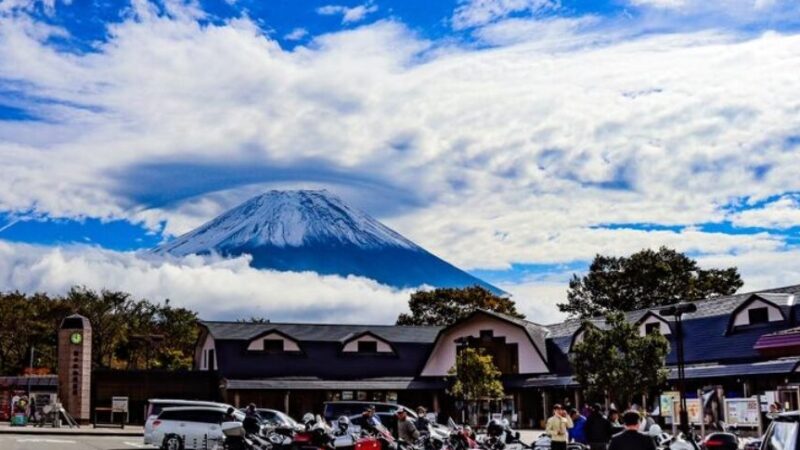
- Views from the embankment (Mount Fuji can be seen on clear days)
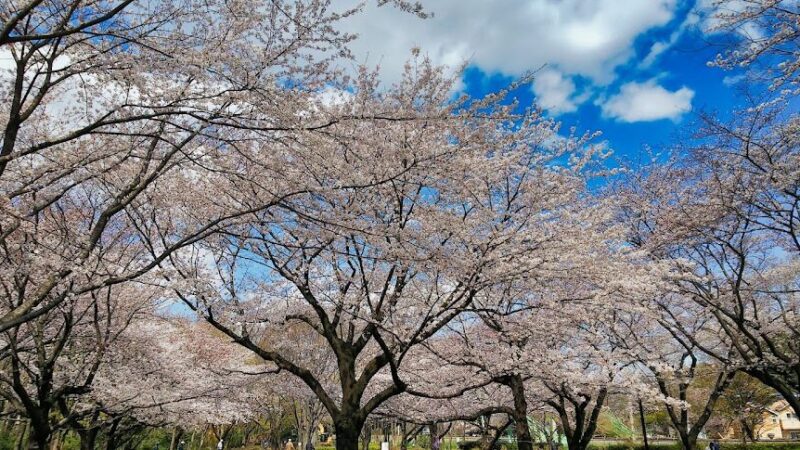
- Cherry tree rows along the lakeside (spring)
- Bird watching (kingfisher, duck species, etc.)
- Cycling roads
5. Tamagawa Lake (Murayama Reservoir)
Located next to Sayama Lake, this reservoir also offers beautiful scenery. The approximately 12km cycling road around it is popular with local cyclists.
Basic Information:
- Location: Higashiyamato City and Musashimurayama City, Tokyo
- Access: 10 minutes on foot from Seibu Tamagawa Lake Line “Musashi-Yamato Station”
Recommended Activities:
- Cycling (rental bicycles available)
- Bird watching
- Embankment walking
6. Fuchi no Mori Greenbelt
A precious forest with spring water located at the boundary between Tokorozawa City and Higashiyamato City. As a place that closely resembles the image of the streams and waterside scenes in the film, it is popular with fans.
Basic Information:
- Location: Tokorozawa City, Saitama / Higashiyamato City, Tokyo
- Access: Bus from Seibu Ikebukuro Line “Tokorozawa Station”
Characteristics:
- Spring water and streams
- Aquatic plant observation
- Quiet forest atmosphere
Ways to Enjoy the Sayama Hills Through the Four Seasons
Spring (March-May)
Highlights:
- Cherry blossoms (around Sayama Lake and Tamagawa Lake): Late March to early April
- Alpine flower blooms: Katakuri, violets, Nils chrysanthemum, etc.
- Fresh greenery in coppice forests: Late April to May
- Active bird calls during breeding season
Recommended Activities:
- Flower viewing walks
- Bird watching
- Forest bathing walks
Summer (June-August)
Highlights:
- Deep green forests: Landscapes full of life force
- Insect observation: Beetles, stag beetles, butterflies, etc.
- Cool lakeside: Fresh breezes near water
- Firefly viewing (in certain areas): Mid-June to early July
Recommended Activities:
- Early morning walks (cooler times of day)
- Insect observation meetings (hosted by Totoro’s Hometown Fund)
- Picnicking by the lake
Caution: Take full heat stroke and insect repellent precautions.
Autumn (September-November)
Highlights:
- Autumn foliage: Peak from late October to mid-November
- Acorn collecting: Popular with children
- Autumn wildflowers
- Migratory bird arrivals
Recommended Activities:
- Autumn foliage viewing walks
- Acorn crafts (events hosted at Kurosuke’s House)
- Photography (beautiful light and shadow contrasts)
Best Season: Early November offers autumn foliage and pleasant weather, making it the most comfortable time.
Winter (December-February)
Highlights:
- Bright forest floors after leaf fall
- Winter bird observation: Robin redstart, pale thrush, etc.
- Frost needles and winter silence
- Mount Fuji views on clear days
Recommended Activities:
- Bird watching
- Winter forest bathing (fewer people, very quiet)
- Views from observation spots
Caution: Dress warmly. Be mindful of time management as sunset comes early.
“Totoro’s Hometown Fund” Activities to Protect Totoro’s Forest
What is National Trust Movement?
To protect the natural environment of the Sayama Hills, the “Totoro’s Hometown Fund” was established in 1990. This is a National Trust movement where land is purchased with citizen donations to protect it from development.
Accomplishments to Date
- Conservation Sites: 50+ locations (as of 2024)
- Conservation Area: 10+ hectares
- Activities: Land acquisition, conservation management, environmental education, event hosting
Ways to Support
Donations:
- Starting from 1,000 yen per share
- Credit card and bank transfer accepted
- Apply via official website
Volunteer Participation:
- Forest maintenance work
- Kurosuke’s House operation assistance
- Event staffing
Totoro Member:
- Annual fee: General 3,000 yen, Students 1,000 yen
- Newsletter mailing
- Event priority notification
Visitors can also support activities to preserve this beautiful nature for future generations.
Model Courses for Sayama Hills Exploration
Beginner-Friendly Half-Day Course (About 3 Hours)
Starting at Seibu Yuenchi Station:
- Seibu Yuenchi Station (Start)
- Hachikoku Mountain Greenbelt Entrance (10 minutes on foot)
- Shogun’s Mound Observation Deck (20 minutes on foot)
- Hachikoku Mountain Greenbelt Exploration (30 minutes)
- Tamagawa Lake Embankment (15 minutes on foot)
- Tamagawa Lake Area Exploration and Rest (40 minutes)
- Musashi-Yamato Station (15 minutes on foot, End)
Distance: About 5km
Difficulty: Easy
Recommended Time: Spring and autumn
Totoro Fan’s Full-Day Course (About 6 Hours)
Starting at Kotesashi Station:
- Kotesashi Station (Start)
- Travel to Kurosuke’s House by bus or on foot (30 minutes)
- Kurosuke’s House Tour (60 minutes)
- Totoro’s Forest No. 1 Exploration (40 minutes)
- Lunch Break (60 minutes, bringing food recommended)
- Travel to Sayama Lake (30 minutes on foot)
- Sayama Lake Embankment Exploration (40 minutes)
- Forest Exploration around Sayama Lake (40 minutes)
- Seibu Stadium Mae Station (20 minutes on foot, End)
Distance: About 8-10km
Difficulty: Moderate
Recommended Time: Spring and autumn (matching Kurosuke’s House opening days)
Advanced Long Course (About 8 Hours)
Starting at Tokorozawa Station, Ending at Seibu Stadium Mae Station:
- Tokorozawa Station (Start)
- Fuchi no Mori Greenbelt (40 minutes by bus and on foot)
- Fuchi no Mori Exploration (40 minutes)
- Travel to Hachikoku Mountain Greenbelt (50 minutes on foot)
- Hachikoku Mountain Greenbelt Exploration (60 minutes)
- Lunch Break (60 minutes)
- Cycling around Tamagawa Lake or Walking (120 minutes)
- Travel to Sayama Lake (40 minutes on foot)
- Sayama Lake Area Exploration (40 minutes)
- Seibu Stadium Mae Station (20 minutes on foot, End)
Distance: About 15-20km
Difficulty: Somewhat challenging
Recommended Time: Spring and autumn on days with good weather
Precautions and Etiquette When Visiting
Clothing and Belongings
Clothing:
- Comfortable walking shoes (trekking shoes recommended)
- Long sleeves and long pants (prevent insect bites and grass scratches)
- Hat (protect from sunlight and branches)
- Seasonal cold-weather gear and rain gear
Belongings:
- Drinking water (few vending machines)
- Light snacks and energy food
- Map and smartphone (check signal availability)
- Insect repellent spray (spring through autumn)
- Sunscreen
- Towel
- Garbage bag (take out all trash)
- Camera and binoculars (optional)
Etiquette for Forest Conservation
- Always take garbage with you – Almost no trash bins available
- Do not collect plants – Many protected plants exist
- Do not catch living creatures – Observation only
- Walk designated paths – Prevent trampling damage
- No open flames – Smoking prohibited outside designated areas
- Keep noise levels down – Respect wildlife
- Keep pets on leash when accompanying them – Pets prohibited in some areas
- Do not trespass on private land – Some areas outside conservation lands are private property
Safety Precautions
- Avoid going alone – Preferably travel with others
- Check weather – Rain makes paths slippery and dangerous
- Descend before sunset – Almost no street lights
- Heat stroke prevention – Especially important in summer
- Bee awareness – Wasps are active July through October
- Tick prevention – Long sleeves and pants essential spring through autumn
- Note emergency contact information – Check mobile signal availability
Nearby Tourism and Food Information
Nearby Tourist Attractions
Seibu-en Yuen’echi:
- An amusement park themed on Showa-era nostalgia
- Right at Seibu Yuenchi Station
- Family enjoyment alongside Totoro’s Forest exploration
Tokorozawa Aviation Memorial Park:
- The birthplace of aviation in Japan
- Spacious grassy fields
- Aviation Origin Memorial Museum
Kadokawa Musashino Museum:
- Complex cultural facility designed by architect Kengo Kuma
- Impressive bookshelf theater
- Bus from Tokorozawa Station
Recommended Dining and Rest Spots
Forest Cafes and Restaurants:
- Sayama Lake Waterfront Cafe
- Rest while viewing the lake
- Light meals and drinks
- Tokorozawa Area Old Farmhouse Cafe
- Retro atmosphere
- Homemade cakes and lunch
Local Cuisine:
- Tokorozawa Udon – Hand-made udon from local noodle shops
- Sayama Tea – Saitama Prefecture’s famous tea
- Local Vegetable Direct Sales Stands – Fresh seasonal vegetables
Convenience Stores and Supermarkets:
- Concentrated around stations
- Almost none in the forest, so purchase in advance is recommended
Accommodation Information
Day trip distance, but for those wanting thorough enjoyment:
- Business Hotels in Tokorozawa – Convenient near stations
- Hot Spring Inns in Iruma City – Soothe your fatigue
- Campgrounds – Overnight nature experience
Events and Experience Programs in Totoro’s Forest
Events Hosted by Totoro’s Hometown Fund
Regularly Held Events:
- Forest Maintenance Volunteer
- Held 1-2 times monthly
- Grass cutting, leaf raking, etc.
- Beginners welcome, tools provided
- Nature Observation Meetings
- Seasonal themes (birds, insects, plants, etc.)
- Expert commentary
- Advance registration required
- Kurosuke’s House Events
- Seasonal craft workshops
- Traditional games experience
- Paper theater and storytelling
Annual Events:
- Spring: Cherry blossom festivals, alpine flower observation meetings
- Summer: Insect observation meetings, firefly viewing events
- Autumn: Acorn collecting, autumn foliage walks
- Winter: Bird observation meetings, mochi-making parties
Environmental Learning Programs
For Schools and Groups:
- Forest ecosystem learning
- Satoyama conservation experience
- Totoro’s Forest guided tours
Inquiries: Totoro’s Hometown Fund Office
Frequently Asked Questions (FAQ)
Q1: Is the Sayama Hills really the model for My Neighbor Totoro?
A1: Director Hayao Miyazaki has not officially stated it as a “model,” but it is widely known that the director observed this area’s nature deeply during his time living in Tokorozawa and it had great influence on the film’s setting. Studio Ghibli also supports the conservation activities of the Sayama Hills, and it is recognized as a place where you can experience the film’s world.
Q2: Can I meet Totoro?
A2: Unfortunately, you cannot meet an actual Totoro. However, while walking through the rich nature, you will be reminded of scenes from the film and can sufficiently feel the atmosphere where Totoro might exist. Especially on quiet forest paths or beautiful sun-dappled trails, you may be enveloped in a mysterious sensation.
Q3: Can families with children enjoy it?
A3: Yes, absolutely. However, since there are challenging mountain paths, choose a course suited to your child’s age and fitness level. The areas around Kurosuke’s House and the maintained paths of Hachikoku Mountain Greenbelt are easy for small children to walk. There are also many activities children enjoy, such as acorn collecting and insect observation.
Q4: How much time should I plan?
A4: It depends on your purpose. Kurosuke’s House alone takes 1-2 hours, Hachikoku Mountain Greenbelt exploration takes 2-3 hours, and visiting multiple spots takes half a day to a full day. For those who want to thoroughly enjoy nature, spending a full day walking leisurely is recommended.
Q5: Can I enjoy it on rainy days?
A5: Rainy forests have a unique beauty, but paths become slippery and dangerous, so full-scale exploration is not recommended. Light rain exploration is possible with rainwear. On rainy days, visiting Kurosuke’s House (opening days only) or nearby indoor facilities (such as Kadokawa Musashino Museum) is also good.
Q6: Can I go with pets?
A6: In some conservation areas, pets may accompany you if kept on a leash. However, the interior of Kurosuke’s House does not allow pets, and some conservation areas may be off-limits. We recommend confirming in advance with Totoro’s Hometown Fund. Also, as etiquette, always clean up after your pet.
Q7: Is photography freely allowed?
A7: Photography of natural scenery is basically free. However, interior photography at Kurosuke’s House may have restrictions, so check with staff. Also, be considerate of other visitors’ privacy when people appear in photos. Commercial use requires separate permission.
Q8: Is barrier-free access available?
A8: Unfortunately, as the walking paths make use of natural terrain, complete barrier-free access is difficult. However, the embankment sections at Sayama Lake and Tamagawa Lake are relatively flat and wheelchair-accessible in some areas. It is recommended to inquire about specific routes in advance.
Conclusion: Experience Healing in Totoro’s Forest
The Sayama Hills in Saitama Prefecture, commonly known as “Totoro’s Forest,” is not merely a sacred site for movie pilgrimage. This is a valuable satoyama environment where a rich ecosystem is maintained, despite being only about an hour from the urban center.
The seasonal changes of nature, the singing of birds, and the sound of trees swaying in the wind—these all teach us the importance of coexisting with nature. Director Hayao Miyazaki’s “My Neighbor Totoro” truly captured the essence of this place.
When you visit, respect the etiquette for protecting nature and walk slowly through the forest. Take your time, sharpen your five senses. If you do, you may recover a mysterious sensation of Totoro’s presence or regain the sensitivity you had as a child.
And pay attention to the activities of Totoro’s Hometown Fund to preserve this beautiful nature for future generations. Your visit may become a first step toward conservation activities.
Totoro’s Forest is always waiting for you.
—
Confirm Latest Information:
- Totoro’s Hometown Fund Official Website
- Tokorozawa City Tourism Association
- Saitama Prefecture Official Tourism Website “Choco Tabi Saitama”
Contact:
- Public Interest Incorporated Foundation Totoro’s Hometown Fund
- Tokorozawa Tourism Information and Product Hall (YOT-TOKO)
- Tokorozawa City Green Space and Nature Division
※Information is current as of 2024. Please verify the latest information before your visit.