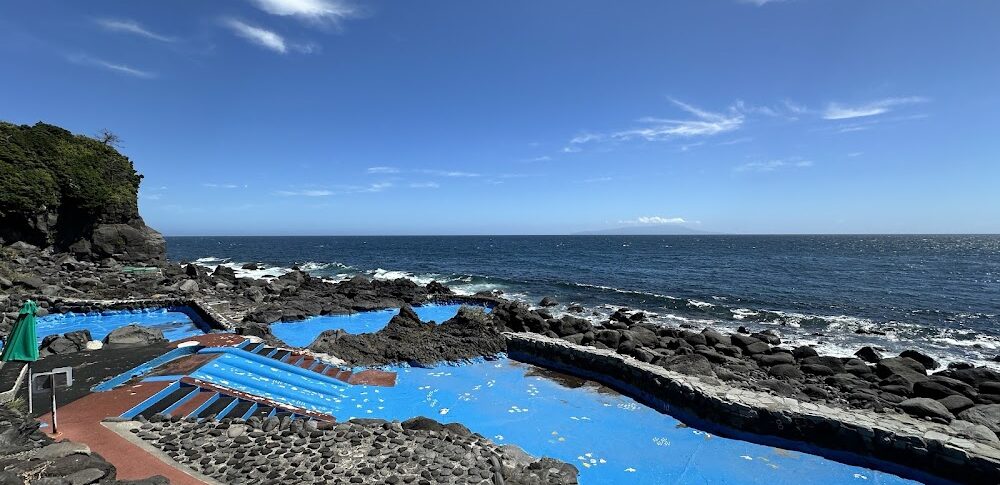
“Grand Blue” is a popular manga created by Kenji Inoue and illustrated by Kousui Yoshioka. It’s a coming-of-age comedy set in a university diving club. The series was adapted into an anime in 2018 and a live-action film in 2020, captivating many fans. The setting of this work is the Izu Peninsula in Shizuoka Prefecture, blessed with beautiful seas and nature.
This article serves as a complete pilgrimage guide for “Grand Blue” fans, providing detailed explanations of actual locations, visiting tips, access methods, and ways to enjoy the surrounding areas.
About the Setting of “Grand Blue” – Shizuoka’s Izu
The story of “Grand Blue” depicts the protagonist Iori Kitahara staying at his uncle’s diving shop “Grand Blue” in Izu while attending a local university and engaging in activities with the diving club “Peek-a-Boo.”
Why Izu Was Chosen
The Izu Peninsula is known as one of Japan’s premier diving spots, with its charm lying in highly transparent waters, abundant marine life, and varied topography. Its accessibility—about two hours from Tokyo—also makes it popular with weekend divers. The choice of Izu as the setting is likely due to the diving culture deeply rooted in the area.
Geography and Characteristics of the Izu Peninsula
The Izu Peninsula is located in the eastern part of Shizuoka Prefecture, surrounded by Sagami Bay and Suruga Bay. Known for its warm climate, rich nature, and hot spring resorts, it attracts many tourists throughout the year. The setting of “Grand Blue” is thought to be primarily modeled after the eastern coastal area of the Izu Peninsula.
Major Pilgrimage Spots
Around Ito City
Ito City is the most likely candidate for the setting of “Grand Blue.” Located in the center of the eastern coast of the Izu Peninsula, Ito has numerous diving shops.
Diving Shop Model Area
While there is no official announcement about which diving shop serves as the model for “Grand Blue” in the series, several diving shops are scattered throughout Ito City, and their seaside atmospheres overlap with the work’s world. When exploring the diving shop area of Ito City, you can find shops with sea views and shops lined with diving equipment like those appearing in the series. Always obtain permission from the shop before photographing.
Ito Coastline
The Ito Coastline is a perfect location that matches the image of scenes where “Grand Blue” characters enjoy diving. With highly transparent waters and beautiful scenery, it’s also an actual spot visited by many divers.
Visiting Points:
- Early morning coastline has fewer people, ideal for photography
- The scenery at dusk is exceptional, allowing you to feel the work’s atmosphere
- The views from the waterside promenade are recommended
Around Atami City
Atami City, located north of Ito, is another area pointed out as being related to the work’s setting.
Atami Sun Beach
Atami Sun Beach is an artificial beach with beautiful sand and blue sea spreading before it, a popular spot. You can enjoy scenery reminiscent of seaside scenes in the series.
Atami’s Streets
The atmosphere of Atami as a hot spring town has commonalities with the street scenery depicted in the work. Walking through the shopping streets and hilly neighborhoods allows you to imagine the paths characters walked.
Around Shimoda City
Shimoda City in the southern part of the Izu Peninsula is also known as a diving mecca.
Shirahama Beach
Shirahama Beach is one of the most beautiful beaches on the Izu Peninsula, characterized by highly transparent water. It’s worthwhile to include it in pilgrimage as a place where you can experience diving scenes like those in “Grand Blue.”
Shimoda Aquarium
The Shimoda Aquarium, where you can learn about marine life, can be an inspiration for becoming interested in diving. You can deepen your understanding of diving and marine life, themes of the work.
Izu Oshima
While strictly belonging to Tokyo, Izu Oshima in the Izu Islands is an interesting spot for “Grand Blue” fans. If there are episodes involving training camps in the series, diving experiences on remote islands become especially memorable.
About the University Model
The “Izu University of Science and Technology” that appears in the series is a fictional university, but let’s consider what educational institutions might have served as a model.
Educational Institutions in the Izu Region
While there are no large comprehensive universities on the Izu Peninsula, specialized schools and junior colleges exist. To feel the work’s atmosphere, visiting the student town-like ambiance throughout the Izu Peninsula and cafes and izakayas where students gather is also recommended.
Universities in Surrounding Areas
Shizuoka City and Numazu City have multiple universities, and many students from these universities actually visit Izu for diving. The work’s realism likely stems from such actual student culture.
Access and Transportation
Train Access
From Tokyo
Using JR Ito Line:
- Limited express “Odoriko” from Tokyo Station arrives at Ito Station in approximately 1 hour 40 minutes
- Alternative: Take the Shinkansen to Atami Station and transfer to the Ito Line (approximately 1 hour 30 minutes total)
Using Izu Kyuko Line:
- From Ito Station, access to Shimoda area via Izu Kyuko Line is possible
- Major stations include Izu Kogen, Izu Atagawa, and Shimoda stations
From Nagoya and Osaka
- Travel via Shinkansen to Atami or Mishima stations
- From Atami Station use JR Ito Line; from Mishima Station use Izu Hakone Railway
Car Access
Using Tomei Expressway
- From Atsugi IC via Odawara-Atsugi Road and Route 135 to Ito in approximately 1 hour 30 minutes
- Route via Numazu IC using Izu Longitudinal Expressway and Route 136 is also possible
Parking Information
Several public parking lots exist in Ito City. Arriving early is recommended during tourist season as congestion occurs. Paid parking lots are scattered along the coastline.
Local Transportation
Bus Routes
Bus routes connect various areas of Ito City and throughout the Izu Peninsula. “Tokai Bus” is the main transportation operator.
Car Rental and Bicycle Rental
For efficient pilgrimage, a rental car is convenient. Rental car shops are located near Ito Station. Electric-assisted bicycle rentals are also available, allowing you to enjoy coastal cycling while completing your pilgrimage.
How to Enjoy Pilgrimage and Etiquette
Photography Tips
Comparison Photography Techniques
To experience the essence of “pilgrimage” by photographing the same angles as scenes from the work:
- Prior Preparation: Save screenshots of relevant scenes from the work
- Timing: Select the same time of day as scenes in the series for better atmosphere
- Angle Adjustment: Confirm the positional relationships of buildings and scenery while deciding your shooting position
Precautions for SNS Posting
- Utilize hashtags like “#GrandBluePilgrimage” and “#GrandBlueIzu”
- Information sharing with other fans can lead to new discoveries
- Be cautious about sharing location information (especially concerning for private property)
Pilgrimage Etiquette
Consideration for Residents
- Avoid loud voices and noise in early morning or late night
- Do not trespass on private property
- Always take trash with you
- Do not interfere with residents’ daily life
Etiquette When Visiting Shops
- Always obtain permission when visiting operating shops like diving shops
- Do not photograph where photography is prohibited
- Avoid long stays if there’s no intention to purchase
- When possible, spend money locally and contribute to the local economy
Recommended Pilgrimage Routes
Day Trip Course (Ito-Centered)
9:00 Arrive at Ito Station
9:30 Explore and photograph Ito Coastline
11:00 Visit diving shop area
12:30 Lunch (seafood cuisine)
14:00 Visit Ito Marine Town
16:00 Hot spring bath
17:30 Return journey from Ito Station
1-Night, 2-Day Course (Izu Peninsula Tour)
[Day 1]
10:00 Arrive at Atami Station, sightsee in Atami
13:00 Move to Ito, explore coastline
15:00 Visit diving shop area
18:00 Check into lodging, hot spring
[Day 2]
9:00 Move toward Izu Kogen area
11:00 Explore Jogasaki Coast
13:00 Move to Shimoda area
15:00 Visit Shirahama Beach
17:00 Begin return journey
Recommendation to Experience Diving
To experience the “Grand Blue” world more deeply, why not try diving yourself?
Beginner Experience Diving
Numerous shops on the Izu Peninsula offer beginner-friendly experience diving programs.
Flow of Experience Diving
- Pre-Dive Briefing: Learn about equipment use and underwater breathing techniques
- Shallow Water Practice: Practice basic movements in pools or shallow sea
- Diving: Dive with an instructor to depths of 5-10 meters
- Duration: Approximately 2-3 hours (including explanation and preparation)
- Cost: Approximately 10,000-15,000 yen
Necessary Items
- Swimsuit
- Towel
- Change of clothes
- Health confirmation documents (provided by each shop)
About License Acquisition
If you wish to pursue diving seriously, obtaining a license (C-card) is recommended.
PADI Open Water Diver
The most common beginner license, allowing you to dive up to 18 meters in oceans worldwide after certification.
- Training Period: 3-4 days
- Cost: Approximately 50,000-80,000 yen
- Content: Classroom training, pool training, ocean training
Recommended Diving Points
Futo
A popular diving spot south of Ito City. With topography enjoyable by beginners through advanced divers and abundant marine life, it’s highly appealing.
Yawatano
A point near Izu Kogen with relatively calm sea conditions. Often used for beginner training.
Oseaki
A representative diving spot on the west coast of the Izu Peninsula. You can enjoy different environments in both the inner and outer bays.
Surrounding Tourist Attractions
Tourist spots to visit alongside pilgrimage in Izu are introduced.
Ito Hot Spring
Ito City is famous as a hot spring resort with numerous hot spring facilities throughout the city.
Day-Trip Hot Spring Facilities
- Ito Marine Town: Day-trip hot spring where you can bathe while viewing the sea
- Ito Hot Spring Wada Judairou Bath: Public bathhouse used by locals
- Tokaikan: Historic building converted into a hot spring facility (tours available)
Jogasaki Coast
A scenic spot in Izu Kogen famous for its cliffs and suspension bridge. Enjoy dramatic sea views through hiking courses.
- Kadowaki Suspension Bridge: A spectacular 23-meter-high, 48-meter-long suspension bridge
- Jogasaki Picnic Course: A 3-kilometer promenade to enjoy coastal beauty
Izu Shaboten Zoo
An animal and botanical park in Izu Kogen popular for unique exhibits such as capybara open-air baths.
Shuzenji Hot Spring
A historic hot spring located in the central Izu Peninsula. The atmospheric streets, including a bamboo grove path, are charming.
Dining Information
Izu’s cuisine is also part of the pilgrimage experience.
Seafood Cuisine
Kinmedai (Golden Eye Snapper) Dishes
Speaking of Izu specialties, kinmedai is quintessential. Enjoy it prepared in various ways: simmered, shabu-shabu, or sashimi.
Recommended Shops:
- Seafood restaurants near Ito Station
- “Bora Naya” in Izu Kogen
- “Kinmedai Tei” in Shimoda
Seafood Rice Bowl
Fresh local fish in seafood bowls are a must-try when visiting Izu.
Local Izakayas
Since “Grand Blue” features memorable izakaya scenes, enjoy Izu’s local sake and seafood delicacies at local taverns.
Izu Local Sake
- Mandai Brewery: Shochu from Izu islands
- Mandai Brewery: Izu local sake
- Hakuin Masamune: Numazu sake
Cafes and Sweets
Cafes in Izu Kogen
Numerous stylish cafes with sea views are found throughout the Izu Kogen area.
- Cafe La Pache: Popular for seaside terrace seating
- Izu Kogen Beer Main Store: Craft beer and restaurant
Tokoyten
Tokoyten made from Izu seaweed is an Izu specialty. Its refreshing flavor is popular.
Accommodation Information
Hotels and Inns
Ito Hot Spring Lodgings
- Hoshi no Resorts Kai Ito: Luxury hot spring inn
- Youkikan: Traditional hot spring inn
- Hatoya Hotel: Famous from commercials, large hotel
Izu Kogen Lodgings
- Pensions and Private Lodges: Relatively affordable with homey atmosphere
- Resort Hotels: Rooms with sea views are popular
Guesthouses and Hostels
Guesthouses and hostels are recommended for budget-conscious travelers.
- Ito Hot Spring Guesthouse K’s House
- Numerous diver-focused accommodations with equipment storage and washing facilities
Campgrounds
For nature enthusiasts, campgrounds on the Izu Peninsula are an option.
- Ito Marine Town Auto Campground
- Izu Natural Village Camp Field
Seasonal Enjoyment
Spring (March-May)
- Climate: Warm and comfortable
- Highlights: Kawazu Cherry Blossoms (late February-early March), azaleas, fresh greenery
- Diving: Water temperature still cool, but excellent transparency
Summer (June-August)
- Climate: Hot, peak beach season
- Highlights: Fireworks festivals (Ito Hot Spring Sea Fireworks Festival, etc.)
- Diving: Warmest water temperature, most comfortable season
- Note: Many tourists; crowded
Autumn (September-November)
- Climate: From lingering heat to gradually cooling
- Highlights: Autumn leaves (around November)
- Diving: Still warm water temperature; comfortable after typhoons pass
- Cuisine: Autumn harvest, fresh seafood
Winter (December-February)
- Climate: Mild with minimal snow
- Highlights: Hot springs, winter sea scenery
- Diving: Dry suit required, but highest transparency
- Events: Popular as first sunrise viewing spot
Event and Festival Information
Ito Hot Spring Sea Fireworks Festival
Held year-round primarily in summer with fireworks launched from the sea. The display is magnificent.
- Dates: Year-round approximately 10 times, primarily July-August
- Venue: Ito Coastline
Ito Suketomo Matsuri
A festival honoring Suketomo Ito, a historical figure in Ito City. Features samurai processions.
- Date: Late May
Anjin Festival
A festival commemorating William Adams (Anjin Miura). A major event in Ito City.
- Date: Early August
- Activities: Fireworks festival, parade, lantern floating, etc.
“Grand Blue” Related Merchandise Purchase Information
Animate and Tora no Ana
You can purchase “Grand Blue” manga and merchandise at major bookstores and anime shops in Shizuoka Prefecture.
- Shizuoka Parco: Animate Shizuoka Store
- Around Numazu Station: Animate Numazu Store (also a pilgrimage site for “Love Live! Sunshine!!”)
Local Bookstores
Bookstores in Ito City also carry “Grand Blue” comics. Purchasing locally during pilgrimage is recommended.
Online Shopping
Purchasing related merchandise before pilgrimage and bringing it along is another way to enjoy the experience.
Pilgrimage Preparation Checklist
Essential Items
- [ ] Smartphone/Camera (don’t forget chargers)
- [ ] Work image data (for comparison photography)
- [ ] Transportation IC card
- [ ] Cash (some shops accept cash only)
- [ ] Comfortable walking shoes
- [ ] Hat and sunscreen (summer)
- [ ] Rainwear (folding umbrella, etc.)
Helpful Items
- [ ] Mobile battery
- [ ] Maps and guidebooks
- [ ] Eco bags (for souvenirs)
- [ ] Water bottle/bottled water
- [ ] Towel (if visiting hot springs)
- [ ] Change of clothes (if trying diving)
Pre-Visit Confirmations
- [ ] Check weather forecast
- [ ] Confirm transportation schedules
- [ ] Reserve accommodations (if staying)
- [ ] Reserve diving shop visits (if planning to dive)
- [ ] Confirm business hours and holidays of planned locations
- [ ] Check event information
Summary: Maximizing Your “Grand Blue” Pilgrimage Experience
The Izu Peninsula in Shizuoka Prefecture, the setting of “Grand Blue,” offers many attractions beyond pilgrimage, including beautiful seas and nature, hot springs, and cuisine.
Keys to Successful Pilgrimage
- Prior Research: Review the work and list places you want to visit
- Relaxed Schedule: Consider travel time; avoid overpacking the itinerary
- Respect Etiquette: Never forget consideration for area residents
- Local Experiences: Engage more deeply with the work’s world through diving experiences
- Enjoy Cuisine: Savor Izu’s seafood
- Relax in Hot Springs: Ease a day’s fatigue
- Share on SNS: Exchange information with other fans and make new discoveries
In Conclusion
A “Grand Blue” pilgrimage not only allows you to experience the work’s world but also rediscover Izu’s charm. The blue sea depicted in the series, warm people, delicious food, and hot springs—all these elements will make your pilgrimage special.
Respecting etiquette and holding feelings of gratitude toward the community, fully enjoy the “Grand Blue” world. If possible, also try diving, a theme of the work, and actually experience the sea world that captivated the characters.
We hope you have a wonderful pilgrimage journey.