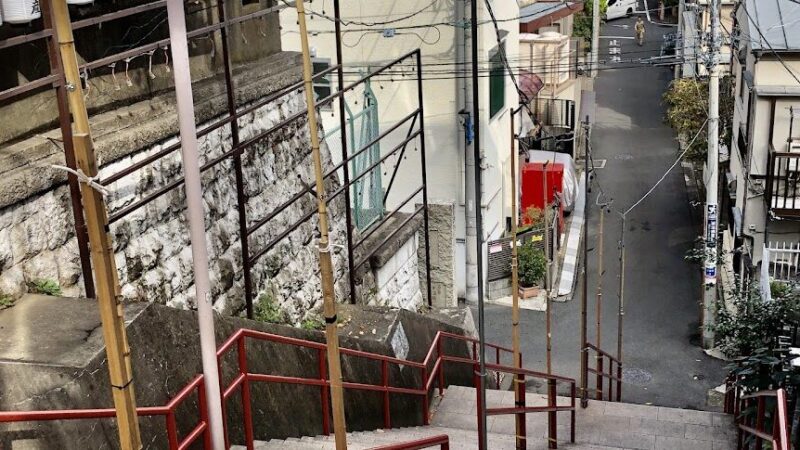
The anime “Lycoris Recoil” broadcast in summer 2022 is a popular work set in Sumida Ward and Taito Ward, Tokyo. In particular, the Asakusa area served as the backdrop for important sightseeing scenes in the work, and many fans have visited for pilgrimage to sacred sites. In this article, we provide a thorough explanation of sacred sites in Asakusa from Lycoris Recoil, introducing efficient pilgrimage routes, photography points, and detailed surrounding tourist information.
The Relationship Between Lycoris Recoil and Asakusa
Asakusa’s Position in the Work
“Lycoris Recoil” depicts girls who outwardly operate a coffee shop called “Café Lycorico” but work as a branch of the secret organization DA behind the scenes. The Café Lycorico where the protagonists Chiyotsu Nishikigi and Takina belong is set to be located around Sumida Ward, Tokyo, with Asakusa appearing as an important tourist destination within their operational range.
In particular, in Episode 5 “Happy Birthday,” a scene is depicted where Chiyotsu and Takina guide Matsushita, a client requesting protection, on the “Lycorico Produces Tokyo Grand Sightseeing” tour through Asakusa. This episode is particularly memorable in the work, and many fans enjoy visiting the same locations for pilgrimage to sacred sites.
Why Asakusa Was Chosen
Asakusa is a representative tourist destination of Tokyo continuing from the Edo period, with a unique atmosphere where traditional Japanese culture and modernity blend together. The anime production team’s choice of Asakusa as the setting is likely related to its popularity with domestic and foreign tourists, as well as its geographical proximity to important locations in the work such as Tokyo Skytree.
In fact, from Oshiage Station to Asakusa is within walking distance, and it is naturally depicted in the work as the activity range of Chiyotsu and the others. This geographical realism becomes an element that makes the world of the work feel more familiar.
Sacred Sites in Asakusa from Episode 5 “Tokyo Grand Sightseeing”
Kaminarimon Gate (Fūraijin Gate)
Appearance Scenes in the Anime
When Chiyotsu and the others guide Matsushita in Episode 5, the first place they visit is Kaminarimon, the symbol of Asakusa. It appears in the work with an impressive frontal shot, accompanied by Chiyotsu’s bright explanations. This gate with its giant red lantern is faithfully recreated in the anime and is the perfect starting point for a sacred site pilgrimage.
Actual Visitation Points
Kaminarimon, formally known as the “Fūraijin Gate,” is a historic gate founded in 942. The large lantern standing 3.9m tall, 3.3m in diameter, and weighing approximately 700kg is an awe-inspiring sight, allowing you to actually experience the landscape you saw in the anime.
- Address: 2-3-1 Asakusa, Taito Ward, Tokyo
- Access: 1-minute walk from “Asakusa Station” on the Tokyo Metro Ginza Line, Toei Asakusa Line, and Tobu Skytree Line
- Photography Tips: The early morning hours have fewer crowds, making it easier to photograph the same angles as the anime. In addition to frontal shots, photography from inside the gate also appears in the work.
Nakamise-dori Street
Depiction in the Anime
The approximately 250m Nakamise-dori Street running from Kaminarimon to the Sensoji Temple main hall is depicted in detail as the scene where Chiyotsu and the others walk. The traditional shops lining both sides and the bustling atmosphere are carefully expressed in the anime, conveying the vitality of a tourist destination.
How to Enjoy Sacred Site Pilgrimage
Nakamise-dori is lined with approximately 90 shops, offering everything from traditional souvenirs like senbei crackers, thunder cakes, and doll-shaped cakes, to modern gourmet offerings like matcha sweets. Enjoying gourmet food while recreating scenes from the anime is one of the delights of sacred site pilgrimage.
- Business Hours: Vary by store, but generally around 10:00-18:00
- Recommended Cuisine: Fried buns, melon pan ice cream, kibi dango
- Photography Spot: The composition becomes the same as in the work when photographed from the middle of the street facing toward Sensoji Temple
Sensoji Temple Main Hall
Importance in the Work
The main hall of Sensoji Temple, located beyond Nakamise-dori, serves as the setting for the climax scene of Episode 5. The solemn atmosphere of the main hall appears as the background in scenes where Chiyotsu and the others converse with Matsushita, making it a memorable location in the work.
Worship and Photography Points
Sensoji Temple is believed to have been founded in 628 and is the oldest temple in Tokyo, with Kannon Bodhisattva as its principal image. The plaza in front of the main hall appears in the work and is a must-see spot for sacred site pilgrimage.
- Visiting Hours: 6:00-17:00 (6:30 opening October-March)
- Admission: Free
- Photography Points: The angle looking up from the bottom of the stairs in front of the main hall, and a composition including the five-story pagoda matches the angle in the anime
- Etiquette: As there are many worshippers, be mindful of those around you when photographing
Hōzōmon Gate (Niōmon Gate)
The Hōzōmon Gate, located between Nakamise-dori and the main hall, also appears as a background in the anime. Behind this gate, giant straw sandals are enshrined, which are depicted in detail in the work. The sandals, standing 4.5m tall, are impressive and popular as a commemorative photo spot.
Five-Story Pagoda
The five-story pagoda rising within the Sensoji Temple grounds appears multiple times as a background in the anime. The 53.32m-high pagoda was rebuilt in 1973 and is a structure symbolizing Asakusa’s landscape. Photographing it together with the main hall brings you closer to the atmosphere of the work.
Additional Sacred Sites Around Asakusa
Views Along the Sumida River
Extending a little beyond Sensoji Temple brings you to the Sumida River. Throughout the work, the area around the Sumida River appears multiple times as an important setting, and the views from the riverside promenade and bridges convey the atmosphere of the work.
Azumabashi Bridge
Azumabashi Bridge, connecting Asakusa and Skytree, is a landmark that appears in the work. From the bridge, you can see both Tokyo Skytree and the Asahi Beer Building (nicknamed the “golden poo”) at a glance, allowing you to experience the world of the work.
Hanayashiki Amusement Park
Hanayashiki, Japan’s oldest amusement park, has few direct appearances but is worth visiting as a classic Asakusa tourist spot. Its retro atmosphere matches well with the work’s time period, and many fans visit it while taking a break from pilgrimage.
Asakusa Entertainment Hall
The Asakusa Entertainment Hall, a sacred ground of traditional performing arts, is also a place symbolizing Asakusa’s culture. While not directly appearing in the work, it is worth visiting to understand Asakusa’s history and culture.
Efficient Sacred Site Pilgrimage Route Proposal
Oshiage and Asakusa Tour Course (Approximately 3-4 hours)
For an efficient sacred site pilgrimage of Lycoris Recoil, a route starting from Oshiage Station is recommended. This route is depicted in the work as the activity area of Chiyotsu and the others, allowing you to follow the flow of the story while visiting.
Recommended Route
- Oshiage Station – The nearest station to Tokyo Skytree, an important setting in the work. Start by looking up at Skytree
- Around Tokyo Skytree – The model of the old broadcast tower that Chiyotsu supposedly “destroyed.” Photography of the exterior takes about 30 minutes
- Sumida Aquarium – Appears in Episode 8 and others. Visit if you have time (60 minutes)
- Walk Along the Sumida River – Takes about 20 minutes from Oshiage to Asakusa. Enjoy the riverside scenery while traveling
- Azumabashi Bridge – Photography spot with Skytree (10 minutes)
- Sensoji Temple (Kaminarimon → Nakamise-dori → Main Hall) – Main setting of Episode 5. Spend about 90 minutes thoroughly visiting
- Asakusa Area Exploration – Hanayashiki, shopping streets, etc. (30-60 minutes)
Complete Episode 5 Recreation Course (Approximately 2 hours)
A route focused on the Asakusa area for those who want to completely recreate the “Tokyo Grand Sightseeing” scene from Episode 5.
- Kaminarimon Front – Commemorative photo (10 minutes)
- Nakamise-dori – Walk while enjoying gourmet food (40 minutes)
- Hōzōmon Gate – Photography of the giant straw sandals (5 minutes)
- Sensoji Temple Main Hall – Worship and photography (30 minutes)
- Grounds Exploration – Five-story pagoda, etc. (20 minutes)
- Sumida River Direction – If you have time, head toward the riverside (15 minutes)
Recommended Plans by Time of Day
Morning (Start 8:00-10:00)
For those who want to avoid crowds and photograph leisurely, an early morning start is recommended. Sensoji Temple opens at 6:00, allowing photography at the same angles as the anime during times when there are few tourists. Worshipping in the crisp morning air becomes a special experience.
Afternoon (Start 13:00-15:00)
Many scenes in the work are depicted during daytime bright hours, so the afternoon light conditions resemble the atmosphere of the work. However, weekends are crowded, so visiting on weekdays is ideal.
Evening to Night (Start 16:00 or later)
Asakusa is also beautiful at night with illumination, showing a different face from daytime. Night scenes also appear in the work, so a pilgrimage from dusk into the evening has atmosphere. Shops on Nakamise-dori close around 18:00, so make sure to pass through before then.
Practical Advice to Enjoy Sacred Site Pilgrimage More
Photography Tips and Etiquette
Angle Research
To photograph the same angles as anime scenes, it’s convenient to take screenshots of the relevant scenes beforehand. Since Episode 5 has many Asakusa scenes, saving multiple shots makes comparison at the location easier.
Crowd Countermeasures
Asakusa is popular with tourists year-round. Crowds are especially heavy on weekends, holidays, and during peak seasons for foreign tourists. If you want to photograph with few people, weekday mornings are the best timing.
Photography Etiquette
- Be considerate not to get in the way of worshippers or other tourists
- Judge the use of tripods based on surroundings (avoid during busy times)
- Obtain permission before photographing shops
- Avoid loud conversations or taking up space for extended periods
Packing Checklist
Essential Items
- Smartphone/Camera (including chargers and spare batteries)
- Anime scene images (for comparison)
- Comfortable walking shoes (as you’ll be walking for 2-3 hours)
- Drinking water (especially in summer)
- Coins (for shopping on Nakamise-dori)
Useful to Have
- Parasol/Hat (sun protection)
- Mobile battery
- Ink stamp book (to commemorate at Sensoji)
- Eco-bag (for souvenirs)
- Pilgrimage notebook (for visit records)
Food Information
Famous Foods on Nakamise-dori
Asakusa gourmet available during sacred site pilgrimage enriches your memories of the visit.
- Fried Buns: A popular sweet with a crispy exterior and moist interior
- Doll-shaped Cakes: Classic Asakusa souvenir, also shaped like Kaminarimon and the five-story pagoda
- Thunder Cake: Traditional candy continuing since the Edo period
- Kibi Dango: Freshly made sweets available at demonstration sales
- Melon Pan Ice Cream: A popular SNS-worthy product
Nearby Restaurants
- Tempura: Asakusa has many famous tempura restaurants
- Monjayaki: Numerous shops on Asakusa Nishi-Sando Shopping Street
- Western Cuisine: Historic Western restaurants scattered throughout
- Cafes: Historic townhouse cafes perfect for breaks
Asakusa Sacred Site Pilgrimage by Season
Spring (March-May)
The cherry blossoms along the Sumida River are beautiful during this season. Cherry blossoms also bloom within the Sensoji Temple grounds, allowing you to enjoy a different seasonal feel from the anime. While the cherry blossom season from late March to early April gets crowded, the combination of cherry blossoms and the temple is spectacular.
Spring Highlights
- Sumida Park cherry blossoms (late March-early April)
- Sanja Matsuri (third weekend of May) – Asakusa’s largest festival
- Comfortable weather makes long walks enjoyable
Summer (June-August)
Summer, when the anime was broadcast, is the season where you can most feel the work’s atmosphere. However, Tokyo summers are hot and humid, so heatstroke prevention is essential.
Summer Precautions and Events
- July’s “Hōzuki Market” is a summer tradition of Sensoji Temple
- August’s “Sumida River Fireworks” draws huge crowds (advance planning essential)
- Frequent hydration and rest in shade are necessary
- Consider visiting early morning or evening
Autumn (September-November)
The climate is stable and ideal for sacred site pilgrimage. Fall foliage is best from mid to late November, enjoyable within the Sensoji Temple grounds and along the Sumida River.
Autumn Recommended Points
- Comfortable temperatures make long walks enjoyable
- The landscape of fall colors and the temple is beautiful
- Limited-time seasonal delicacies are available
Winter (December-February)
The cold is harsh, but the clear air is suitable for photography. Year-end and New Year’s periods see large crowds for New Year’s visits, making pilgrimage difficult, but it’s relatively empty at other times.
Winter Characteristics
- December mid to late-month “Hagoita Market”
- Best to avoid year-end and New Year’s
- Late January to February has fewer tourists
- Proper cold-weather protection is important
Access Information and Accommodations
Access to Asakusa
Train Access
- Tokyo Metro Ginza Line “Asakusa Station”: Direct service from Shibuya and Ginza areas
- Toei Asakusa Line “Asakusa Station”: Convenient from Shinagawa and Haneda Airport
- Tobu Skytree Line “Asakusa Station”: About 2 minutes from Oshiage/Skytree
- Tsukuba Express “Asakusa Station”: About 4 minutes from Akihabara (about 10-minute walk to Kaminarimon)
Travel Time from Major Stations
- From Tokyo Station: About 20 minutes (using Ginza Line)
- From Shinjuku Station: About 30 minutes (Marunouchi Line → Ginza Line)
- From Shibuya Station: About 25 minutes (Ginza Line direct)
- From Haneda Airport: About 40 minutes (Keikyū Line → Toei Asakusa Line)
Accommodation Areas Recommended for Sacred Site Pilgrimage
Around Asakusa
The most convenient base for sacred site pilgrimage is the Asakusa area. You can enjoy pilgrimage from early morning to late night and travel light by leaving your luggage at the hotel.
- Richmond Hotel Asakusa: 3-minute walk from Kaminarimon
- Asakusa View Hotel: Tokyo Skytree visible from high floors
- Hotel Keihan Asakusa: Good value for money
- Guest Houses: For budget-conscious visitors
Oshiage and Kinshicho Area
The Oshiage and Kinshicho areas, the settings for the work, are also popular bases for sacred site pilgrimage. Hotels around Skytree have new facilities and are comfortable.
Akihabara Area
Akihabara, which also appears in the work, is convenient for purchasing anime goods. Access to Asakusa is excellent at about 4 minutes via Tsukuba Express.
Lycoris Recoil Related Event Information
Lycoris Recoil Exhibition
The “Lycoris Recoil Exhibition ~seize the day~” toured nationwide from 2023 to 2024, with its finale held at Matsuzakaya Asakusa from July 24 to August 19, 2024. At the Asakusa venue, new original illustration merchandise was sold, attracting many fans.
Check the official website and SNS regularly for the possibility of future related events in the Asakusa area.
Collaboration Café and Goods Information
Following the work’s popularity, collaboration cafes and pop-up stores have been held at various locations in Tokyo. While regular collaborations are rare around Asakusa, combining pilgrimage with events in areas like Akihabara and Ikebukuro allows for efficient planning.
Methods to Record Sacred Site Pilgrimage
Sharing on Social Media
Recording your sacred site pilgrimage on social media allows you to connect with other fans of the same work.
Recommended Hashtags
- #リコリス・リコイル (Lycoris Recoil)
- #リコリコ聖地巡礼 (Lycoris Recoil Sacred Site Pilgrimage)
- #浅草 (Asakusa)
- #アニメ聖地巡礼 (Anime Sacred Site Pilgrimage)
- #リコリコ (Lycorico)
Photography Tips
- Comparison images of anime scenes and actual landscapes side by side
- “Sacred Site Pilgrimage Achieved” photos at the same angles
- Post with visit date/time and impressions
Ink Stamps and Commemorative Stamps
You can receive ink stamps at Sensoji Temple (initial offering of 300 yen). Many fans record visits in ink stamp books as commemoration of sacred site pilgrimage. Also, commemorative stamps are placed at some tourist information offices and facilities around Asakusa.
Pilgrimage Notebook
Recording the visit date, weather, companions, and memorable impressions in a notebook allows memories to vividly return when you look back later. You can create your own pilgrimage record by pasting photos, keeping admission tickets, or saving receipts from purchased goods.
Balancing Asakusa Tourism with Sacred Site Pilgrimage
How to Enjoy as a General Tourist
Experiencing Asakusa’s history and culture while conducting sacred site pilgrimage of Lycoris Recoil makes for a more fulfilling experience. Sensoji Temple has a history of over 1,400 years, rich with traditional performing arts and festival culture continuing from the Edo period.
Facilities Where You Can Learn Asakusa’s History
- Asakusa Culture and Tourism Center: 8th-floor observation terrace overlooks all of Asakusa
- Sensoji Temple Treasure House: Exhibits temple treasures (irregular hours)
- Edo Shitamachi Traditional Crafts Museum: Displays and experiences traditional crafts
Surrounding Spots to Deepen Work Understanding
Kinshicho Park
Kinshicho Park, which appears in scenes where Chiyotsu and Takina have conversations on benches, can be visited while traveling from Oshiage to Asakusa. The spacious park is a gathering place for local people.
Honjo Police Box Area
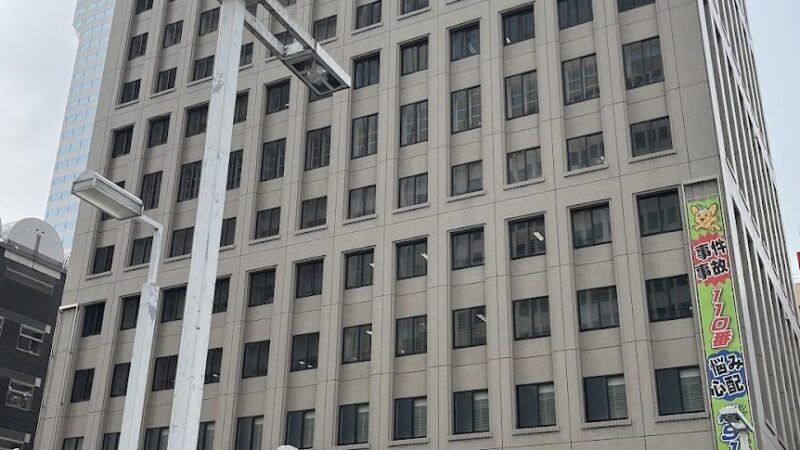
Buildings around the Honjo Police Box that served as models for the DA headquarters exterior in the work are scattered throughout Sumida Ward. Finding these detailed locations is also a joy for core fans.
Conclusion: The Charm of Asakusa Sacred Site Pilgrimage
Asakusa, Tokyo is the perfect spot to experience the world of Lycoris Recoil as a sacred site. Experiencing Episode 5’s “Tokyo Grand Sightseeing” scene firsthand allows you to rediscover Tokyo’s attractions from Chiyotsu and Takina’s perspective.
Asakusa is easy to access as a representative tourist destination of Japan, and shopping and dining are abundant. The fact that it can be enjoyed by non-anime fans makes it easy to balance sacred site pilgrimage with general tourism, which is a major attraction.
Walking from Skytree in Oshiage to Sensoji Temple, experiencing the Tokyo landscapes depicted in the work, will deepen your understanding and affection for the series. Please use this article as a reference to create your own sacred site pilgrimage plan and experience the world of Lycoris Recoil.
Walking through Asakusa’s streets, recalling Chiyotsu’s brightness and Takina’s seriousness, and re-experiencing the work’s memorable scenes is the greatest joy of sacred site pilgrimage. Asakusa, which reveals new discoveries no matter how many times you visit and shows a different face with each season, offers you the chance to realize your own “Lycorico Produces Tokyo Grand Sightseeing.” Why not give it a try?