![[Demon Slayer] Mount Otake, Tokyo](https://anime-place.site/cms/wp-content/uploads/2026/06/places-3767-【鬼滅の刃】大岳山東京都完全ガイド伊之助の聖地巡礼と登山コース詳細.jpg)
Relationship Between Mount Ohtake and Demon Slayer
Mount Ohtake (大岳山, also read as Oodakesan), spanning Hinohara Village and Okutama Town in Nishi-Tama District, Tokyo, is a mountain with an elevation of 1266.5m and is counted among the Okutama Three Mountains and Japan’s Two Hundred Famous Mountains. This mountain has become recognized as a sacred site among Demon Slayer fans because it is believed to be the model for the birthplace of the popular character Inosuke Hashibira.
Connection Between Inosuke Hashibira and Mount Ohtake
Inosuke Hashibira, a wild child who wears a boar mask, is characterized by his unique background of being raised in the mountains. While not officially stated, Mount Ohtake is considered a strong candidate for his birthplace. The rough rocky terrain and landscape covered with primordial forest evoke the wild and robust personality of Inosuke.
When you actually visit Mount Ohtake, you can experience the atmosphere of the mountain where Inosuke was raised in a nature-rich environment where even bear sightings occur, not just wild boars. The sense of achievement in climbing the rocky areas and the spirit of adventure in traversing through deep forests embody Inosuke’s worldview.
Relation to Other Demon Slayer Sacred Sites
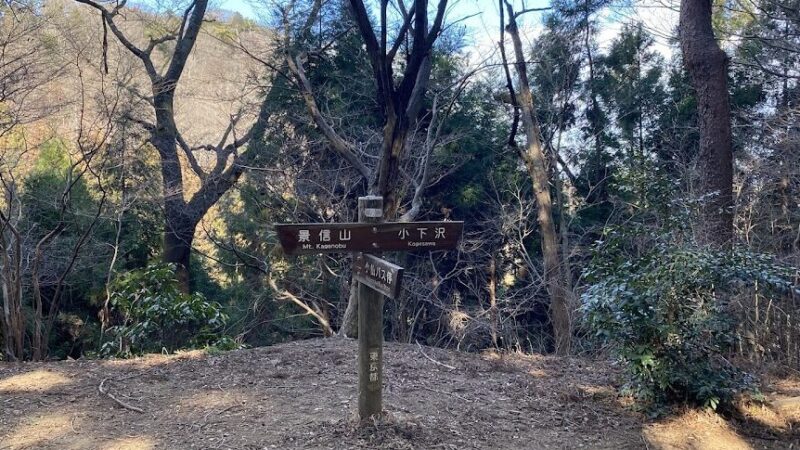
Besides Mount Ohtake, it is believed that other mountains near Tokyo are set as birthplaces for characters in Demon Slayer. The birthplace of the protagonist Tanjiro Kamado and Nezuko is Mount Kumotori, Tokyo’s highest peak (elevation 2017m), Rock Pillar Gyomei Himejima is from Mount Hinode, and Mist Pillar Muichiro Tokito is from Mount Kageshin, and pilgrimage routes visiting these mountains have become popular.
In particular, Mount Mitake provides easy access to both Mount Ohtake and Mount Hinode, making it possible to visit multiple sacred sites in a single day. For Demon Slayer fans, actually walking these mountains is a valuable experience for deepening understanding of the work’s world.
Basic Information and Access to Mount Ohtake
Mountain Basic Data
- Elevation: 1266.5m
- Location: Hinohara Village and Okutama Town, Nishi-Tama District, Tokyo
- Mountain Range: Okutama Mountain Range (one of the Okutama Three Mountains)
- Difficulty: ★★☆☆☆ (Intermediate level)
- Climbing Season: April to November (Crampons required during snowy season)
- Required Time: Day trip 4 to 6 hours
Mount Ohtake has the most rugged terrain among the Okutama Three Mountains and is suitable for intermediate climbers and above due to rocky areas and chain sections. However, depending on route selection, relatively gentle paths are also available, making it possible for beginners with good physical fitness to attempt.
Access Methods
Train Access
The most common access method is using the Mitake Station on the JR Ome Line.
- From JR Shinjuku Station to Tachikawa Station via Chuo Line rapid train (approximately 40 minutes)
- From Tachikawa Station to Mitake Station via Ome Line (approximately 50 minutes)
- From Mitake Station by bus to Ropeway Base (approximately 10 minutes)
- By Mitake Mountain Railway cable car to Mitake Mountain Station (approximately 6 minutes)
Total travel time from Shinjuku is approximately 2 hours 30 minutes. Early morning departure is recommended as weekends and holidays tend to be crowded.
Car Access
- From Hachioji IC on the Chuo Expressway via National Route 411, approximately 1 hour
- From Aome IC on the Ken-O Expressway, approximately 40 minutes
Multiple parking lots are available around Takimoto Station at the foot of Mount Mitake, but they often reach capacity on holidays, so public transportation is recommended.
Main Climbing Routes of Mount Ohtake
Mount Mitake Route (Most Popular)
Course Time: Approximately 5 to 6 hours
Distance: Approximately 10km
Difficulty: Intermediate
This is the most commonly used standard course by climbers.
Route Details:
- Mitake Mountain Station (elevation 831m) – via Musashi Mitake Shrine
- Nagao-dihara – a scenic rest point
- Akutaba Pass – junction to Mount Ohtake
- Mount Ohtake Lodge – final rest point
- Mount Ohtake Summit (elevation 1266.5m)
For the return, you can either retrace the same route or descend via Mount Nabewaridake to Mount Mitake as a variation.
Points of Interest:
- Musashi Mitake Shrine: A shrine where you can feel the history of mountain worship, with popular seal collecting
- Nagao-dihara: A scenic viewpoint overlooking the Kanto Plain
- Rocky Sections: A challenging hiking trail where you can experience Inosuke’s wild atmosphere
- View from the Summit: Overlooking the Okutama mountains, and on clear days, Mount Fuji
Noro-ne Ridge Route (Advanced)
Course Time: Approximately 6 to 7 hours
Distance: Approximately 12km
Difficulty: Advanced
The Noro-ne Ridge route is a course for strong hikers featuring repeated ups and downs resembling a saw blade. With continuous rocky areas and chain sections, you can enjoy thrilling mountain climbing.
Route Details:
- From Mitake Station by bus to Atago Mountain trailhead
- Atago Shrine
- Noro-ne Mountain
- Crossing rocky areas like Tengu Rock
- Mount Ohtake Summit
This route demands high technical and physical requirements and is not recommended for beginners. However, for those who want to deeply experience the harsh mountain environment where Inosuke grew up, this is the ideal route.
Mount Ohtake Cave Route
Course Time: Approximately 5 hours
Distance: Approximately 9km
Difficulty: Intermediate
This route, which goes via the Mount Ohtake Cave, is a unique course where you can feel the mystery of nature.
Route Details:
- From Mitake Mountain Station via Nagao-dihara
- Junction to Mount Ohtake Cave
- Cave exploration (separate fee)
- To the summit via Mount Ohtake Lodge
The interior of the cave is narrow and requires a headlamp. You can have an adventure-filled experience, but a plan with adequate time is necessary.
Seasonal Highlights and Precautions
Spring (April to May)
Spring on Mount Ohtake features beautiful fresh greenery and is the optimal season for climbing. While it gets crowded around Golden Week, the mild temperatures make for comfortable climbing.
Points of Interest:
- Fresh green forest beginning to bud
- Flowers such as Yamato cherry blossoms and Mitsuba azaleas
- Clear, refreshing air after snowmelt
Precautions:
- Remaining snow may be present, so check information in advance
- Large temperature variations, so prepare layered clothing
Summer (June to August)
Summer offers cooler temperatures than urban areas due to the high elevation. However, during the rainy season, the trail becomes muddy, and in mid-summer, there is a risk of afternoon thunderstorms.
Points of Interest:
- Deep green forest bathing
- Blooming alpine plants
- Contrast between summer clouds and blue sky from the summit
Precautions:
- Depart early to avoid afternoon thunderstorms
- Insect repellent measures (deer flies, horseflies, etc.)
- Sufficient hydration
- Be careful on slippery rocky areas
Fall (September to November)
Fall is the autumn foliage season and the most beautiful time of year on Mount Ohtake. Particularly from mid-October to early November, magnificent fall colors can be enjoyed, attracting many climbers.
Points of Interest:
- Finest autumn foliage scenery in Okutama
- Clear air and excellent distant views
- Harvest season observations (mushrooms for observation only)
Precautions:
- Early morning departure expected due to crowded foliage season
- Strict time management due to early sunset
- Warm clothing to prepare for early morning and evening chill
Winter (December to March)
Mount Ohtake requires snow climbing equipment such as crampons and ice axes during winter snowfall. While this is a season for experienced mountaineers, the snow-covered mountain is extraordinarily beautiful.
Points of Interest:
- Fantastical views of tree ice and rime
- The joy of snow mountain climbing
- Clearest air providing the best distant views
Precautions:
- Crampons and ice axes essential
- For snow climbing experienced climbers only
- Plan carefully due to short daylight hours
- Hypothermia risk management
Equipment and Preparation Needed for Climbing
Basic Equipment Checklist
Essential Equipment:
- Hiking boots (high-cut recommended)
- Backpack (20 to 30L)
- Rain jacket and pants
- Warm clothing (fleece or down)
- Gloves
- Hat
- Headlamp (with spare batteries)
- Map and compass (or GPS app)
- Water (1 to 2L)
- Trail snacks and lunch
- First aid kit
- Portable toilet
Recommended Equipment:
- Trekking poles
- Sunglasses
- Sunscreen
- Insect repellent spray
- Towel
- Change of clothes
- Camera (for recording sacred sites)
Physical Fitness and Technical Level
Mount Ohtake climbing requires the following physical fitness and skills:
- Physical Fitness: Stamina to walk continuously for 5 to 6 hours
- Technical Skills: Ability to safely pass through rocky areas and chain sections
- Experience: Multiple day-trip mountain climbing experience
Beginners are recommended to first build experience on easier mountains such as Mount Takao or Mount Mitake before attempting this.
Climbing Plan and Registration
For safe mountaineering, perform the following preparations:
- Create and Submit Climbing Plan
- Can be submitted from the Tokyo Mountain Federation website
- Also share the plan with family and friends
- Confirm Weather
- Check the latest weather forecast the day before and morning of climb
- Cancel or postpone if weather is bad
- Health Management
- Get sufficient sleep the night before
- Eat a good breakfast
- Confirm Emergency Contacts
- 110 (Police)
- Tokyo Mountain Rescue Team
Musashi Mitake Shrine and Seal Collecting
History of Musashi Mitake Shrine
At Mount Mitake, which serves as the starting point for climbing Mount Ohtake, stands Musashi Mitake Shrine, which has prospered as the center of mountain worship since ancient times. The shrine is said to have been founded in 91 BC and holds one of the Kanto region’s most distinguished histories.
The shrine is located at an elevation of 929m and has long served as a sacred ground for mountain ascetics, attracting many practitioners and visitors. The grounds feature a sacred tree over 1000 years old and a shrine hall designated as a National Important Cultural Asset, with plenty to see.
Seal Information
When visiting Mount Ohtake as a Demon Slayer sacred site pilgrimage, obtaining a seal from Musashi Mitake Shrine is also popular.
Types of Seals:
- Standard seal of Musashi Mitake Shrine
- Seasonal special seals
- Seal of the inner shrine (requires additional climbing)
Reception Hours: 9:00 to 16:00 (varies by season)
Donation: 500 yen and up
You can bring your own seal book or purchase one on site. The typical sequence is to offer prayers and receive a seal before attempting the summit.
Nearby Attractions
Nagao-dihara Viewpoint
A scenic viewpoint between Mount Mitake and Mount Ohtake. Overlooks the Kanto Plain, and on clear days, Tokyo Skytree is visible.
Rock Garden
A hiking course enjoying the valley scenery around Mount Mitake. Recommended to visit before or after climbing Mount Ohtake.
Mitake Visitor Center
Features exhibits on climbing information and nature, where you can obtain the latest information on hiking trails.
Nature and Ecosystem of Mount Ohtake
Vegetation
Mount Ohtake features diverse vegetation due to its large elevation difference.
Low Mountain Zone (to 800m):
- Japanese cedar and cypress plantations
- Deciduous broadleaf trees like Japanese oak and lacquer tree
Mountain Zone (800 to 1200m):
- Natural forests of beech and Mongol oak
- Maple species (main players in fall foliage)
- Hornbeam species
Summit Area (1200m and above):
- Erman’s birch
- Rocky area vegetation
Wildlife
True to Inosuke’s birthplace, the area around Mount Ohtake is home to diverse wildlife.
Mammals:
- Sika deer (increasing population)
- Wild boar (Inosuke’s model!)
- Asiatic black bear (sightings reported)
- Japanese macaque
- Raccoon dog, fox
Birds:
- Copper pheasant
- Japanese woodpeckers
- Brown-eared bulbul, Japanese bush warbler
- Birds of prey (buzzard, goshawk, etc.)
Note: Bear sightings have been reported, so countermeasures such as carrying bear bells and avoiding solo hiking are necessary.
How to Enjoy as a Sacred Site Pilgrimage
Points to Feel Inosuke’s World
When visiting Mount Ohtake as Inosuke’s sacred site, the following points allow you to experience the work’s world:
Adventure in Rocky Areas
The characteristic rocky areas and chain sections of Mount Ohtake evoke the physical abilities Inosuke developed in childhood. The sense of achievement in climbing rocks is a moment where you can experience Inosuke’s wild nature.
Silence of Deep Forest
The hiking trail covered by primordial forest recalls Inosuke’s upbringing in a remote mountain. The silence where only bird songs and wind are heard allows you to immerse yourself in the work’s worldview.
Sense of Achievement from the Summit
The feeling of accomplishment standing at the 1266m summit overlaps with Inosuke’s growth as a Demon Slayer.
Recommended Photography Spots
Recommended spots for commemorative photos during sacred site pilgrimage:
- Mount Ohtake Summit Sign: Together with the 1266.5m elevation marker
- Rocky Chain Section: A harsh place befitting Inosuke
- Musashi Mitake Shrine: With the historic shrine hall as backdrop
- Nagao-dihara Viewpoint: Panoramic view of the Kanto Plain
- Forest Near Mount Ohtake Lodge: Atmosphere wrapped in deep green
Tour Plans Visiting Other Demon Slayer Sacred Sites
One-Day Plan: Mount Ohtake + Mount Hinode
- Round trip to Mount Ohtake from Mount Mitake, then traverse to Mount Hinode (Gyomei Himejima’s sacred site)
- Required Time: 7 to 8 hours
Weekend Two-Day Plan: Mount Ohtake + Mount Kumotori
- Day 1: Mount Ohtake climb
- Day 2: Mount Kumotori climb (Tanjiro and Nezuko’s sacred site)
Complete Kanto Sacred Site Tour:
- Mount Kageshin (Muichiro Tokito) → Mount Ohtake (Inosuke Hashibira) → Mount Hinode (Gyomei Himejima) → Mount Kumotori (Kamado siblings)
Enjoyments After Climbing
Hot Spring Facilities
Multiple hot spring facilities in the surrounding area help ease post-climb fatigue.
Shogai Seishun no Yu Tsurutsuruonsen
- Location: Hinode Town
- Water Quality: Alkaline simple hot spring
- Fee: 860 yen for adults
- Feature: “Beautiful woman’s hot spring” with high beauty benefits
Seon no Yu
- Location: Okutama Town
- Water Quality: Alkaline simple hot spring
- Fee: 860 yen for adults
- Feature: Enjoys scenery along the Tamagawa River
Moegi no Yu
- Location: Okutama Town
- Water Quality: Alkaline simple hot spring
- Fee: 780 yen for adults
- Feature: Day-use hot spring popular among climbers
Gourmet Information
Around Mount Mitake:
- Mountain vegetable dishes and hand-made soba
- Vegetarian cuisine at Mount Mitake temple lodgings
- Specialty grated yam soba
Okutama Town:
- Wasabi cuisine
- Venison dishes (game)
- Trout dishes
Souvenirs
- Talismans and seal books from Mount Mitake
- Wasabi products from Okutama
- Local honey
- Handmade wooden crafts
Safety Mountaineering Precautions
Accident Prevention Points
- Fall and Slip Prevention
- Use three-point support as basic on rocky areas
- Wet rocks are particularly slippery, proceed carefully
- Pay special attention on descents
- Getting Lost Prevention
- Always confirm location with map at junctions
- Use climbing apps (YAMAP, YamaReco, etc.)
- If unsure, backtrack without pushing forward
- Health Management
- Regular hydration
- Frequent energy replenishment with trail snacks
- Take breaks without pushing if tired
Emergency Response
If Lost:
- First stay calm and confirm current location
- Call 110 or mountain rescue team
- Stay in place without unnecessary movement and wait for rescue
- Prioritize maintaining body heat
First Aid for Injuries:
- Bleeding: Apply pressure with clean gauze to stop bleeding
- Sprains: RICE treatment (rest, ice, compression, elevation)
- Serious injuries: Request rescue rather than attempting descent alone
Manners and Rules
- Always take trash with you
- Stay on marked trails
- Do not pick plants
- Do not feed wildlife
- Uphill has priority when passing
- Avoid loud voices (bear bells are an exception for bear safety)
- Use portable toilets
Mount Ohtake Mountaineering in Data
Climber Numbers Trend
Mount Ohtake attracts many climbers throughout the year. Particularly since the Demon Slayer boom, the number of climbers for sacred site pilgrimage has increased.
Monthly Climber Number Trends:
- Peak: October to November (autumn foliage season)
- Second: April to May (fresh green season)
- Lowest: January to February (snowy season)
Detailed Course Time Data
Mitake Mountain Station → Mount Ohtake Summit:
- Standard Time: 2 hours 30 minutes to 3 hours
- Distance: Approximately 5km
- Cumulative Elevation Gain: Approximately 435m
Mount Ohtake Summit → Mitake Mountain Station (Descent):
- Standard Time: 2 hours to 2 hours 30 minutes
- Distance: Approximately 5km
- Cumulative Elevation Loss: Approximately -435m
Difficult Section Information
- Mount Ohtake Lodge to Summit Rocky Area (Difficulty: Intermediate)
- Continuous chain sections
- High exposure
- Required Time: 30 to 40 minutes
- Noro-ne Ridge Rocky Crest (Difficulty: Advanced)
- Requires technical skill and physical fitness
- Careful movement necessary
Summary
Mount Ohtake in Tokyo, with an elevation of 1266.5m, has become a sacred site pilgrimage spot as the birthplace of Inosuke Hashibira from Demon Slayer. As one of the Okutama Three Mountains, it is popular among climbers, with the Mount Mitake route being the most common. The mountain features rocky areas and chain sections suitable for intermediate climbers, offering a wonderful climbing experience where you can feel Inosuke’s wild worldview. Seal collecting at Musashi Mitake Shrine and visiting other Demon Slayer sacred sites like Mount Hinode and Mount Kumotori in the surrounding area are also enjoyable.
October to November during the autumn foliage season is most beautiful, while April to May with fresh greenery also offers comfortable climbing. With proper safety equipment, weather confirmation, and submission of a climbing plan, enjoy your adventure in Mount Ohtake, Inosuke’s homeland.
For Demon Slayer fans, Mount Ohtake is a sacred site pilgrimage spot worth visiting as a valuable opportunity to experience the work’s world firsthand.