![[Bocchi the Rock!] Setagaya Ward, Tokyo](https://anime-place.site/cms/wp-content/uploads/2026/07/places-293-ぼっち・ざ・ろっく!-東京都-聖地巡礼.jpg)
“Bocchi the Rock!” is an anime that aired in 2022, telling the story of Gotoh Hitori, an extremely shy person, meeting the members of the band Kessoku Band and growing alongside them. Various locations throughout Tokyo, where the work is set, are known as popular pilgrimage spots visited by many fans.
This article provides a detailed introduction to pilgrimage spots centered on Shimokitazawa within Tokyo, along with access methods, shooting points, and precautions to take during pilgrimage. By actually visiting the live houses where Kessoku Band performed and the places where members spent their daily lives, you will be able to experience the world of the work more deeply.
Basic Information on “Bocchi the Rock!” Pilgrimage
Overview of the Work and Setting
The main setting of “Bocchi the Rock!” is Shimokitazawa in Setagaya Ward, Tokyo. This street, where music and culture thrive, features the live house “STARRY” where Kessoku Band is based, and is portrayed as a central location in the story.
Besides Shimokitazawa, the work also features various areas within Tokyo, including Shinjuku, Ochanomizu, Shin-Koenji, and Shindai. Additionally, Kanazawa Hakkei in Kanagawa Prefecture and Enoshima are depicted as important settings, with the characteristic that there are many easily accessible pilgrimage sites for Tokyo residents.
Planning and Preparation for Pilgrimage
To efficiently visit pilgrimage sites throughout Tokyo, it is recommended to organize routes by area. It is ideal to allocate about half a day to a full day for the Shimokitazawa area alone, and one to two days when including Shinjuku and Ochanomizu.
Essential items to bring include a smartphone (with saved anime scene images), a camera, a map app, and a mobile battery. Additionally, wear comfortable shoes for walking and dress appropriately for the season.
Shimokitazawa Area Pilgrimage Spots
Around Shimokitazawa Station
Shimokitazawa Station | In Front of Odakyu Line Ticket Gate
Shimokitazawa Station is an important spot that appears numerous times in the work. In particular, the area in front of the Odakyu Line ticket gate is depicted impressively in scenes where Hitori visits Shimokitazawa. The atmosphere of the station is very similar to both the actual location and the anime, allowing you to feel as if you’ve stepped into the world of the work.
Access: Odakyu Line / Keio Inokashira Line “Shimokitazawa Station”
Photography Point: Photographing from directly in front of the ticket gate will give you the same angle as the anime. However, care must be taken not to obstruct pedestrian traffic.
Shimokitazawa Station South Exit Surrounding Shopping Street
The shopping street extending from Shimokitazawa Station’s south exit appears multiple times in scenes where members walk. This area, lined with unique vintage clothing stores, accessory shops, and cafes, allows you to experience the atmosphere characteristic of Shimokitazawa.
Live Houses and Music-Related Spots
Shimokitazawa SHELTER (Model for STARRY)
The real live house “Shimokitazawa SHELTER” served as the model for “STARRY,” the live house where Kessoku Band is based. It is the most important setting in the work and a central pilgrimage destination visited by many fans.
Address: B1F, Senda Building, 2-6-10 Kitazawa, Setagaya Ward, Tokyo
Exterior Characteristics: The exterior of STARRY depicted in the anime faithfully recreates the SHELTER building. The staircase leading to the basement and the atmosphere of the signage match the work in detail.
Precautions: As it is an operating live house, only photograph the exterior and be considerate not to interfere with business operations. Extra care is necessary during live event times.
Alley Next to ADRIFT
The alleys around STARRY also appear in the work. In particular, the alley next to ADRIFT (a vintage clothing store) is used in scenes where members have conversations, with an atmosphere characteristic of Shimokitazawa.
The intricately winding streets of Shimokitazawa’s townscape are important elements that form the work’s world view.
Village Vanguard Shimokitazawa Store Vicinity
The area around Village Vanguard Shimokitazawa store, which handles unique miscellaneous goods and books, also appears in the work. It is one of the stores that symbolizes Shimokitazawa, known as a sacred site of subculture.
Parks and Outdoor Spots
Matsugi Children’s Playground
Matsugi Children’s Playground appears in important scenes, such as where Hitori practices alone. Though a small park, it is an essential spot for fans of the work.
Address: 3-18-11 Yodai, Setagaya Ward, Tokyo
Access: About a 7-minute walk from Shimokitazawa Station
Characteristics: A quiet park nestled in a residential area, with the arrangement of play equipment and trees matching the anime. You can sit on a bench and reminisce about scenes from the work.
Manners: As this is a park used by local children, care must be taken not to be loud or monopolize the space for extended periods.
Donguri Hiroba Park
A park appearing in scenes where band members gather. The lush green atmosphere adorns the everyday scenes of the work.
Address: 3-16-22 Kitazawa, Setagaya Ward, Tokyo
Access: About a 10-minute walk from Shimokitazawa Station
Photography Point: The area near the park entrance and the vicinity of benches are angles that appear in the anime.
Shimokita Senrokuji Vacant Lot
Shimokita Senrokuji is a complex facility utilizing the abandoned railroad right-of-way of the Odakyu Line. The open vacant lot area that appears in the work is a spot where you can feel the modern charm of Shimokitazawa.
Address: Near 2-33 Kitazawa, Setagaya Ward, Tokyo
Characteristics: A green-rich open space with cafes and shops also available. It is also an ideal resting spot.
Other Shimokitazawa Spots
Wood Motif Mural
A mural that became famous as a spot for artist photos (artist shot) of Kessoku Band. This wall, decorated with a wood motif, has become a popular spot where many fans take commemorative photos.
Note: There is information suggesting that this mural may be lost due to building redevelopment. It is recommended to check for the latest information before visiting.
Around “Gekii” Small Theater
Shimokitazawa is also known as a theater district with numerous small theaters. The atmosphere around small theaters is also depicted in the work, allowing you to experience Shimokitazawa’s cultural aspects.
Around Izakaya “Kokera”
The dining establishment district of Shimokitazawa also appears in the work. The area around izakaya “Kokera” is used in scenes depicting the nighttime atmosphere of Shimokitazawa.
Vending Machines, Stairs, and Other Fine Details
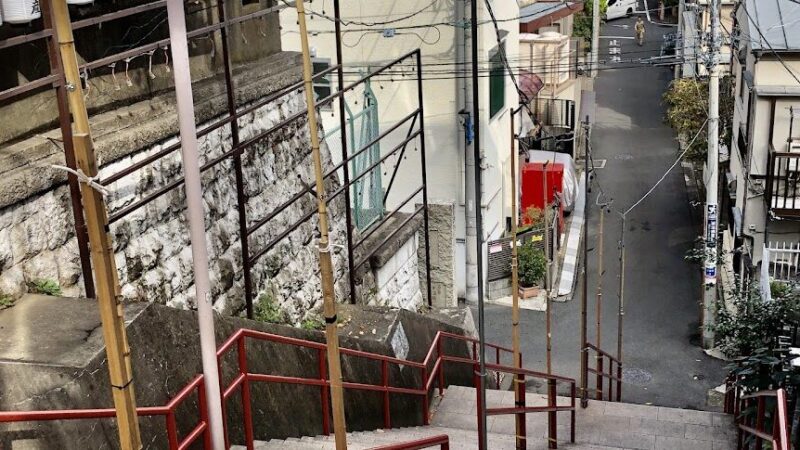
In the work, specific vending machines and stairs are also carefully depicted as backgrounds. Searching for these fine details is also part of the fun of pilgrimage.
Shinjuku Area Pilgrimage Spots
Shinjuku LOFT
Shinjuku LOFT is an important stage where Kessoku Band performs at a large venue. The performance scenes at this large-scale live house depicted in the work are impressive as one of the climaxes of the story.
Address: B2F, Tatehanabi Building, 1-12-9 Kabukicho, Shinjuku Ward, Tokyo
Access: About a 5-minute walk from the east exit of JR “Shinjuku Station,” about a 3-minute walk from “Nishi-Shinjuku Station” on the Seibu Shinjuku Line
Exterior Characteristics: Located in the heart of Kabukicho, this full-fledged live house is in the basement of a building. The exterior and entrance staircase are faithfully recreated in the anime.
Regarding the Interior: The interior of the live house cannot be viewed outside of business hours. Actually attending a live event will allow you to experience the work’s scenes more deeply.
Around Shinjuku Station
Shinjuku Station and the surrounding entertainment districts also appear in the work. Scenes depicting Hitori’s tension amid the hustle and bustle of the metropolis are striking, with a notable contrast to Shimokitazawa.
Photography Points: Shinjuku Station’s east exit crowds and the area in front of ALTA are featured areas in the work.
Ochanomizu Area Pilgrimage Spots
Around Ochanomizu Station
Ochanomizu is famous as a musical instrument shopping district and appears in the work in scenes such as where guitars are purchased. It is a fitting setting for a work themed around music.
Access: JR Chuo Line / Sobu Line “Ochanomizu Station,” Tokyo Metro Marunouchi Line “Ochanomizu Station”
Musical Instrument Shopping Street
Along Meidai-dori in Ochanomizu, numerous musical instrument stores line the street. This area, where guitars, basses, drums, and other band instruments can be found, is an important spot where you can experience the work’s world view.
Major Musical Instrument Stores:
- Ishibashi Musical Instruments
- Kurosawa Musical Instruments
- Shimokura Musical Instruments
- Disk Union Ochanomizu Station Front Store (used instruments)
The exterior and interior atmosphere of the musical instrument stores depicted in the work are based on actual stores in Ochanomizu.
Seisho Bridge
Seisho Bridge, located near Ochanomizu Station, is known as a beautiful arched bridge. It appears as a background scene in the work and is a spot where you can enjoy scenery characteristic of Ochanomizu.
Photography Point: Views from on top of the bridge or angles looking up at the bridge are recommended.
Other Tokyo Area Pilgrimage Spots
Shin-Koenji Area
The area around Shin-Koenji Station also appears in the work. The atmosphere of residential neighborhoods and shopping streets are depicted as settings for everyday scenes.
Access: Tokyo Metro Marunouchi Line “Shin-Koenji Station”
Shindai Area
Shindai Station gained attention by appearing in the end card of the anime’s final episode. It is the station next to Shimokitazawa and features the atmosphere of a quiet residential neighborhood.
Access: Keio Inokashira Line “Shindai Station” (one station from Shimokitazawa Station)
Points of Interest: The exterior of the station building and the surrounding residential neighborhood match the landscape depicted in the end card.
Efficient Pilgrimage Route Suggestions
One-Day Course: Shimokitazawa Concentration Plan
Duration: Approximately 6-8 hours
- Shimokitazawa Station (in front of Odakyu Line ticket gate) – 9:00 AM
- Shimokitazawa SHELTER exterior – 9:30 AM
- Alley next to ADRIFT, shopping street exploration – 10:00 AM
- Matsugi Children’s Playground – 11:00 AM
- Lunch (Shimokitazawa cafe / dining establishment) – 12:00 PM
- Donguri Hiroba Park – 1:30 PM
- Shimokita Senrokuji vacant lot – 2:00 PM
- Wood motif mural (artist shot spot) – 3:00 PM
- Area around Village Vanguard – 3:30 PM
- Souvenir shopping on shopping street – 4:00 PM
This course allows you to efficiently visit major spots in the Shimokitazawa area.
Two-Day Course: Complete Tokyo Area Conquest Plan
Day 1: Shimokitazawa and Shindai Area
- Morning: Around Shimokitazawa Station, SHELTER, shopping street
- Afternoon: Park tours, Shimokita Senrokuji, artist shot spot
- Evening: Move to Shindai Station, explore the area
Day 2: Shinjuku and Ochanomizu Area
- Morning: Ochanomizu Station, musical instrument shopping street, Seisho Bridge
- Afternoon: Move to Shinjuku, Shinjuku LOFT exterior, around Shinjuku Station
- Evening: Shin-Koenji (if time permits)
This course covers nearly all major pilgrimage sites within Tokyo.
Half-Day Course: Shimokitazawa Highlights
Duration: Approximately 3-4 hours
- Shimokitazawa Station – 1:00 PM
- Shimokitazawa SHELTER exterior – 1:15 PM
- Matsugi Children’s Playground – 2:00 PM
- Wood motif mural – 3:00 PM
- Cafe break at Shimokita Senrokuji – 3:30 PM
This carefully curated course of must-see spots is ideal for those with limited time.
Manners and Precautions During Pilgrimage
Basic Manners
As the popularity of pilgrimage for “Bocchi the Rock!” has grown, the official has also issued warnings regarding manners. Please note the following:
Considerations in Residential Areas:
- Do not make loud noises
- Avoid visiting in early morning or late night
- Do not trespass on private property
- Always take trash with you
Notes on Photography:
- Photograph in places where you won’t obstruct pedestrian traffic
- Be considerate of people’s faces appearing in photos
- Avoid occupying a location for extended periods
- Judge tripod use based on surrounding circumstances
Operating Facilities:
- Do not interfere with live houses and shops’ business operations
- Only photograph exteriors; do not photograph inside shops without permission
- Be considerate of staff and other customers
Notes on Park Usage
Matsugi Children’s Playground and Donguri Hiroba Park are public facilities used by local children.
- Do not monopolize play equipment for extended periods
- Prioritize children’s play
- Abide by park rules
- Do not forget consideration for neighboring residents
Considerations When Posting on Social Media
When posting about your pilgrimage on social media, please note the following:
- Do not post information that could identify pedestrians or neighbors
- Refrain from publicly sharing detailed specific addresses
- Avoid posts that encourage manners violations
- Be careful with location information handling
Preliminary Knowledge to Further Enjoy the Work
About Kessoku Band
Kessoku Band consists of four members: Gotoh Hitori (Bocchi-chan), Ijichi Nijika, Yamada Ryou, and Kita Ikuyo.
Members and Instruments:
- Gotoh Hitori: Guitar (Guitar hero)
- Ijichi Nijika: Drums (Band leader)
- Yamada Ryou: Bass
- Kita Ikuyo: Guitar / Vocals
Based at STARRY, the band’s process of gradually developing their skills forms the main axis of the work.
Appeal of In-Work Songs and Music
One of the major appeals of “Bocchi the Rock!” is its genuine band sound. The songs performed in the work are actually performed and recorded by professional musicians.
Main Songs:
- “Seishun Complex”
- “Guitar and Solitude and the Blue Planet”
- “Rolling Stone, Morning Falls Upon You”
- “I Won’t Forget”
- “Karakara”
Paying attention to the lyrics deepens understanding of the work, as the songs express characters’ emotions and growth.
The Appeal of Shimokitazawa as a Town
The reason Shimokitazawa was chosen as the setting lies in the unique culture this town possesses.
Characteristics of Shimokitazawa:
- City of Music: A concentration of numerous live houses
- City of Theater: Many small theaters, a source of subculture dissemination
- City of Vintage Clothing and Miscellaneous Goods: Unique shops line the streets
- Diverse Dining Establishments: From cafes to izakayas
By learning about Shimokitazawa’s appeal through the work and actually visiting, you can experience its cultural atmosphere.
Information Useful for Pilgrimage
Access Information Summary
Access to Shimokitazawa:
- Odakyu Line: About 7 minutes by express from Shinjuku
- Keio Inokashira Line: About 5 minutes by express from Shibuya
Access to Shinjuku:
- Tokyo’s largest terminal station with JR and private railway lines
Access to Ochanomizu:
- JR Chuo / Sobu Line: About 6 minutes from Tokyo Station
- Tokyo Metro Marunouchi Line: About 15 minutes from Shinjuku
Nearby Accommodations
For multi-day pilgrimages, hotels in the Shimokitazawa or Shinjuku areas are convenient.
Shimokitazawa Area:
- Many guest houses and hostels with reasonable prices
- Various unique accommodations scattered throughout
Shinjuku Area:
- Wide range of options from large hotels to budget hotels
- High transit accessibility
Recommended Dining Establishments
Enjoy Shimokitazawa’s cuisine during your pilgrimage.
Cafes:
- Numerous unique cafes
- Rest with coffee and sweets
Lunch:
- Curry shops, ramen restaurants, set meal restaurants, and more
- Generally reasonably priced
Dinner:
- Izakayas, bars, ethnic cuisine, and more
- Some establishments offer meals while listening to music
Related Goods and Souvenirs
Some stores in Shimokitazawa deal in anime merchandise.
- Village Vanguard: Anime-related goods
- Used bookstores: Comics and anime magazines
- Music shops: CDs, records
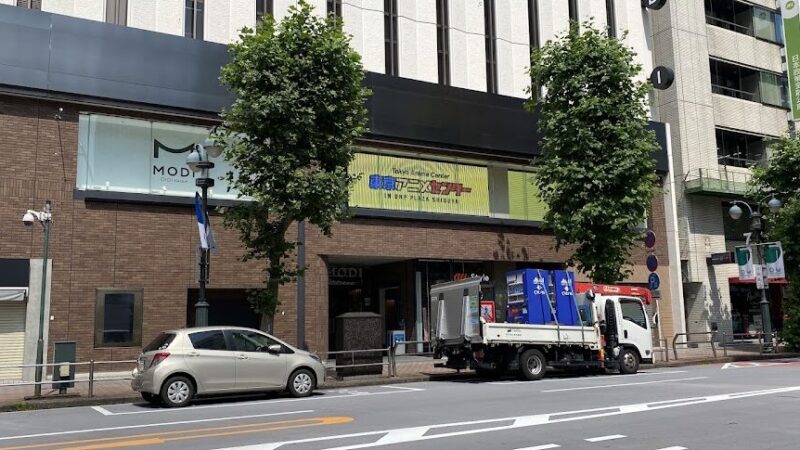
Official work-related merchandise is recommended to be purchased at specialty stores like Animate.
Visit Kanagawa Prefecture Pilgrimage Sites as Well
After visiting pilgrimage sites within Tokyo, consider visiting Kanagawa Prefecture’s sites.
Kanazawa Hakkei
Kanazawa Hakkei is where Hitori’s home is set, and is one of the important settings in the work.
Access: Keikyu Line “Kanazawa Hakkei Station” (approximately 40 minutes from Shinagawa)
Points of Interest:
- Shopping street around the station
- Atmosphere of residential neighborhoods
- Parks with ocean views
Enoshima
Enoshima appears in episodes where band members visit and is a popular tourist destination.
Access: Odakyu Line “Katase Enoshima Station” (approximately 65 minutes from Shinjuku)
Points of Interest:
- Enoshima Ohashi Bridge
- Scenery along the coast
- Area around Enoshima Shrine
Planning a one-night two-day or two-night three-day pilgrimage trip combining Kanagawa sites with Tokyo area sites is also recommended.
Conclusion: Experience the Work’s World Through Pilgrimage
The “Bocchi the Rock!” Tokyo area pilgrimage, centered on Shimokitazawa, allows you to visit diverse areas including Shinjuku and Ochanomizu. Each location carries important scenes from the work, and by actually visiting, you will be able to understand the story more deeply.
Various pilgrimage sites unique to a music-themed work are scattered throughout, including Shimokitazawa SHELTER and other live houses, parks where members spent their days, and the Ochanomizu musical instrument shopping street.
When conducting pilgrimage, remember to be considerate of local residents and facilities, follow proper manners, and enjoy yourself. Recognizing that the official has issued precautions and maintaining tactful behavior is important.
Pilgrimage that traces Kessoku Band’s path while discovering Shimokitazawa’s cultural charm and Tokyo’s diverse character. Please use this guide as a reference to create your own pilgrimage plan. With love for the work and respect for the community, please enjoy a wonderful pilgrimage journey.