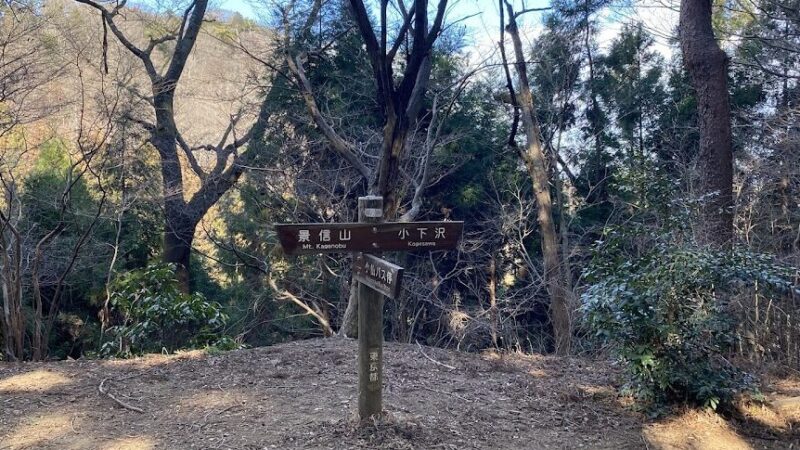

【Demon Slayer】Kagenobu Mountain (Tokyo) Complete Guide|Sacred Site Pilgrimage·Access·Trekking Route Thorough Explanation
Relationship Between Kagenobu Mountain and Demon Slayer
Kagenobu Mountain (Kagenobu-yama) is a mountain with an elevation of 727.1 meters located on the border between Hachioji City, Tokyo and Sagamihara City, Kanagawa Prefecture. As part of the Jinba Mountain range that extends north of Mt. Takao, it is enjoyed by many trekkers.
In recent years, Kagenobu Mountain has been attracting attention among Demon Slayer fans because its connection to the work’s setting and motifs has been pointed out. Since the author, Gotouge Koyoharu, is from Tokyo, it is theorized that the mountains of the Takao-Jinba range may have influenced the work’s world.
In particular, the deep forests and mountainous atmosphere around Kagenobu Mountain are said to overlap greatly with the image of the mountains where the protagonist Tanjiro Kamado trained and the Demon Slayer Corps’ training grounds.
Reasons Kagenobu Mountain Attracts Attention as a Sacred Site
- Deep history of mountain faith: The Kagenobu Mountain area has long been known as a place of Shugendo practice, aligning with the image of the Demon Slayer Corps’ training grounds in Demon Slayer
- Rich natural environment: The beautiful nature of each season evokes the original Japanese landscape depicted in the work
- Good accessibility: It is within day-trip distance from the urban center, making it ideal for fans’ sacred site pilgrimages
- Views from the summit: The scenery overlooking the Kanto Plain is popular as a place where one can experience the work’s world view
Basic Information About Kagenobu Mountain
Geography and Elevation
- Location: Hachioji City, Tokyo·Sagamihara City Midori Ward, Kanagawa Prefecture
- Elevation: 727.1 meters
- Mountain Range: Jinba Mountain Range (Takao-Jinba Mountain Range)
- Adjacent Mountains: Mt. Takao (southeast), Mt. Jinba (west)
History and Origin of Kagenobu Mountain
There are various theories about the origin of Kagenobu Mountain’s name, but the most influential theory is that it is named after Kagenobu Yokoji, a retainer of the warring states general Ujitsugu Hojo. This area was under the control of the Hojo clan during the warring states period and played an important military role.
Near the summit is a location said to be “Kagenobu Mountain Castle Ruins,” where one can feel historical depth. This historical background, combined with Demon Slayer’s Taisho era setting, becomes an element that stimulates fans’ imagination.
Detailed Trekking Routes to Kagenobu Mountain
There are multiple trekking routes to Kagenobu Mountain, which can be enjoyed by both beginners and advanced hikers. In order to experience the world of Demon Slayer while trekking, the main routes are introduced in detail below.
1. Route from Kofuji Bus Stop (Shortest·Beginner-Friendly)
Time Required: Approximately 40 minutes to 1 hour
Distance: Approximately 2km
Difficulty: ★☆☆☆☆(Beginner-friendly)
Route Details
- Board the Kofuji-bound bus from the north exit of JR Chuo Line Takao Station
- Get off at Kofuji bus stop (approximately 15 minutes)
- Walk approximately 5 minutes from the bus stop to the trailhead
- Hike up the maintained trail to the summit
This route reaches the summit in the shortest time, making it recommended for those without much stamina or limited time. The trail is relatively well-maintained and can be safely completed by beginners.
2. Ridge Traversal Route from Takao-Sangu Station (Intermediate)
Time Required: Approximately 4 to 5 hours
Distance: Approximately 10km
Difficulty: ★★★☆☆(Intermediate)
Route Details
- Head to Mt. Takao (elevation 599m) from Takao-Sangu Station
- From Mt. Takao summit, proceed to Kofuji Castle Mountain via Inari Mountain Course or Route 6
- Ridge traverse from Kofuji Castle Mountain (elevation 670m) to Kagenobu Mountain
- Arrive at Kagenobu Mountain summit
This route is a popular course for ridge traversal from Mt. Takao to Kagenobu Mountain. One can hike mountain trails reminiscent of training scenes in Demon Slayer, making it a route with high satisfaction as a sacred site pilgrimage.
At Kofuji Castle Mountain along the way, there is also a tea house where you can rest and recover your stamina.
3. Ridge Traversal Route from Jinba Highland Bus Stop (Advanced)
Time Required: Approximately 6 to 7 hours
Distance: Approximately 15km
Difficulty: ★★★★☆(Advanced)
Route Details
- Take a bus from JR Chuo Line Fujino Station or Takao Station to Jinba Highland
- Reach the summit of Mt. Jinba (elevation 855m)
- Proceed along the ridge traverse route from Mt. Jinba to Kagenobu Mountain
- Arrive at Kagenobu Mountain summit
- Descend via Kofuji bus stop or toward Mt. Takao
This longest distance route requires significant stamina but allows one to fully enjoy the grand nature of the Jinba Mountain range. One can experience a sense of achievement as if re-experiencing Tanjiro’s rigorous training in Demon Slayer.
Highlights and Sacred Site Pilgrimage Spots at Kagenobu Mountain
Summit Area
The Kagenobu Mountain summit is relatively spacious and has several tea houses in operation. From here, the panoramic view of the Kanto Plain is spectacular, and on clear days, one can see Mt. Fuji, the Tanzawa Mountains, and the mountains of Saitama.
Tea House Information
At the summit are tea houses such as “Kagenobu Tea House” and “Triangle Point Kagenobu Lodge,” which serve warm meals and beverages. Specialty dishes such as nameko soup, oden, and tempura soba help soothe the fatigue of the hike.
Operating hours are generally around 9:00 to 16:00, but vary with weather and season, so advance confirmation is recommended.
Triangulation Point
A second-class triangulation point is installed at the Kagenobu Mountain summit and serves as a memorial photo spot for hikers. Demon Slayer fans also enjoy taking photos here with poses and costumes related to the work.
Forest Area and Image of Training Grounds
The trail to Kagenobu Mountain has many sections covered by deep forests, evoking training scenes from Tanjiro in Demon Slayer. In particular, the following elements overlap with the work’s world view.
- Cedar tree sacred approach: Tall, towering cedar trees create a sacred atmosphere
- Rocky areas: Rocks that appear here and there evoke the training scene of “rock cutting”
- Trails along streams: The babbling of clear streams aligns with the image of Tanjiro’s “Water Breathing”
- Steep climbs: Demanding steep climbs are truly like Demon Slayer Corps training
Scenery of Each Season
Spring (March to May)
Fresh greenery is beautiful, and cherry blossoms and azaleas bloom abundantly. Trekking in the refreshing air overlaps with themes of hope and rebirth in the work.
Summer (June to August)
The forest covered in deep green is cool and lets you forget the urban heat. However, insect repellent is essential.
Autumn (September to November)
Autumn is the most beautiful season at Kagenobu Mountain, with spectacular fall foliage views. The colored mountains are as if actually experiencing the beautiful backgrounds of Demon Slayer. Late October to early November is particularly ideal.
Winter (December to February)
This season has clear air and distant visibility. Frost and snowy landscapes may be visible, creating a fantastical atmosphere. Be sure to take proper cold protection measures.
Access Methods and Transportation Information
Access by Train and Bus
Access from Takao Station
- JR Chuo Line “Takao Station” North Exit
- Board Keio Bus “Kofuji”-bound bus (approximately 15 minutes)
- Get off at “Kofuji” bus stop
- Walk approximately 5 minutes to the trailhead
Bus Fare: Approximately 300 yen one-way
Bus Frequency: 1-2 buses per hour on both weekdays and weekends
Access from Takao-Sangu Station (Ridge Traversal Route)
- Get off at Keio Line “Takao-Sangu Station”
- Take the Mt. Takao cable car or lift to the mountain top (hiking also available)
- Ridge traverse from Mt. Takao summit to Kagenobu Mountain
Access by Car and Parking Information
Near Kofuji Bus Stop
There are almost no parking lots near Kofuji bus stop, so car access is not recommended. It is recommended to use a parking lot around Takao Station and switch to the bus.
Near Takao-Sangu Station
There are multiple paid parking lots near Takao-Sangu Station.
- Keio Takao-Sangu Parking Lot: 250 spaces, approximately 1,000 yen per day
- Nearby private parking lots: Multiple available, fees range from approximately 500 to 1,500 yen per day
On weekends and during fall foliage season, lots often fill up early from morning, so use of public transportation is strongly recommended.
Summary of Time Required from Nearest Stations
- From Shinjuku Station to Takao Station: Approximately 50 minutes (JR Chuo Line Rapid)
- From Shinjuku Station to Takao-Sangu Station: Approximately 50 minutes (Keio Line Limited Express)
- From Tokyo Station to Takao Station: Approximately 1 hour 10 minutes (JR Chuo Line)
Trekking Preparation and Precautions
Required Equipment
Basic Equipment
- Hiking boots or trekking shoes: Preferably non-slip and providing ankle support
- Backpack: 20-30 liter capacity
- Drinking water: Minimum 1 liter or more (2 liters recommended in summer)
- Snacks: Rice balls, bread, chocolate, nuts, etc.
- Rain gear: Essential as mountain weather changes rapidly
- Hat: For sun and cold protection
- Gloves: To prevent injury on rocks and for warmth
- Map and compass: Smartphone map apps are convenient, but carry a paper map as well
Convenient Items
- Trekking poles: To reduce knee strain
- Headlight: In case of sunset
- First aid kit: Bandages, disinfectant, tape, etc.
- Towel: For wiping sweat
- Change of clothes: For after descent
- Plastic bags: For carrying out trash
How to Choose Clothing
Basic Principle: Layering
- Base Layer: Moisture-wicking underwear and shirts
- Middle Layer: Fleece or thin down jackets for insulation
- Outer Layer: Windproof and waterproof jacket
Seasonal Clothing Tips
Spring/Autumn: Pay attention to easy-to-remove clothing due to large temperature changes
Summer: Breathable clothing, hat and sunscreen are essential
Winter: Thorough cold protection, prepare gloves and neck warmer as well
Safety Precautions
Things to Confirm Before Trekking
- Weather forecast check: Always check the day before and morning of the trek
- Share trekking plan: Inform family or friends of destination and expected return time
- Health management: Avoid trekking when sleep-deprived or in poor health
- Confirm sunset time: Begin descent by at least 2 hours before sunset
Points to Note During Trekking
- Frequent breaks: Take breaks every 30 minutes to 1 hour
- Hydration: Drink small amounts before becoming thirsty
- Prevent getting lost: Always check signage at intersections; if uncertain, turn back
- Wildlife: Pay attention if there are sightings of boar or bear; make noise with bells
- Falling rocks: Especially during descent, pay attention to your footing and proceed carefully without rushing
Emergency Response
- Emergency Contact: 110 (Police) or 119 (Fire Department)
- Location Information: Use your smartphone’s GPS feature
- Don’t force it: When in poor health or bad weather, the decision to turn back is important
Recommended Ways to Enjoy for Demon Slayer Fans
Kagenobu Mountain Trekking as Sacred Site Pilgrimage
Precautions for Cosplay Trekking
Some fans enjoy trekking while cosplaying as Demon Slayer characters, but please note the following points.
- Ensure safety: Wear appropriate trekking gear over cosplay costumes
- Ease of movement: Adjust long haori cloaks and swords so they don’t interfere with trekking
- Consideration for other hikers: Be modest during crowded times or on narrow trails
- Photography etiquette: Take photos in locations that don’t obstruct other hikers’ passage
- Trash disposal: Be careful that costume parts don’t fall and collect all trash
Recommended Photography Spots
- Near the summit triangulation point: Spectacular backdrop of the Kanto Plain
- Cedar forest trail: Mystical forest atmosphere
- Midpoint between Kofuji Castle Mountain: Beautiful ridge line of the traverse route
- In front of tea house benches: Ideal for photos of rest scenes
Re-experiencing Famous Work Scenes
Recreation of Training Scenes
You can re-experience training scenes where Tanjiro trained under Sakonji Urokodaki by imagining the following experiences.
- Rock cutting training: Imagine cutting rocks at rocky areas on the trail
- Water breathing: Listen to stream sounds while taking deep breaths to center yourself
- Physical strengthening: Climb steep sections while consciously practicing “Total Concentration Breathing”
- Mental focus: Meditate at the summit and experience oneness with nature
Deepening Bonds with Companions
One of the themes of Demon Slayer, the bonds between companions, can be experienced through trekking.
- Encouraging each other while climbing: Even difficult climbs become manageable with companions
- Sharing the sense of accomplishment at the summit: Rejoice together at reaching the goal
- Sharing meals: Share meals and snacks from tea houses
Related Spots in the Area
Takao Mountain Yakuoin Temple
A Shingon Buddhist temple near Mt. Takao’s summit, also known for its tengu worship. This is a spot where one can feel the spirituality of the Demon Slayer Corps in the work and the connection with Sakonji Urokodaki’s tengu mask.
Jinba Mountain White Horse Statue
At the summit of Mt. Jinba, which can be reached via ridge traverse from Kagenobu Mountain, stands a large white horse statue. One can feel the breadth of the work’s world alongside the grand scenery.
Best Season for Kagenobu Mountain Trekking
Spring (March to May): Season of Fresh Greenery and Flowers
Recommendation Level: ★★★★☆
- Temperature: Approximately 10-20°C, ideal for trekking
- Highlights: Fresh greenery, mountain cherry blossoms, azaleas
- Crowdedness: Moderate (Golden Week is crowded)
Spring features mild weather, ideal for beginner trekkers. The beauty of fresh greenery evokes hopeful scenes from Demon Slayer.
Summer (June to August): Deep Green and Seeking Coolness
Recommendation Level: ★★★☆☆
- Temperature: Approximately 20-30°C (mountain top is about 5°C cooler than urban areas)
- Highlights: Deep green, bird songs
- Precautions: Many insects, possibility of afternoon thunderstorms
Early morning trekking is recommended in summer. Start early in the cooler morning hours and complete descent before noon to avoid afternoon thunderstorms.
Autumn (September to November): Fall Foliage Spectacle
Recommendation Level: ★★★★★
- Temperature: Approximately 10-20°C
- Highlights: Fall foliage (peak from late October to early November)
- Crowdedness: Very high (especially on weekends during peak foliage)
Autumn is the most beautiful season at Kagenobu Mountain, offering spectacular fall foliage. However, it is extremely crowded, so early morning departure or weekday visits are recommended.
Winter (December to February): Clear Air and Silence
Recommendation Level: ★★★☆☆
- Temperature: Approximately 0-10°C (mountain top may fall below freezing)
- Highlights: Mt. Fuji views, rime, snowy landscape (when snow-covered)
- Precautions: Thorough cold protection essential, possibility of icy trails
Winter offers clear air and distant visibility, making it an excellent season for views of Mt. Fuji and the Southern Alps. However, cold protection and anti-slip equipment are necessary.
Facilities and Services Around Kagenobu Mountain
Dining and Rest Facilities Before and After Trekking
Around Takao Station
- Restaurants: Many dining options around the station
- Convenience stores: Available at both north and south exits
- Supermarkets: Keio Store, etc.
Around Takao-Sangu Station
- Keio Takao-Sangu Hot Spring Gokuraku-yu: Ideal for bathing after trekking (operating hours 8:00-22:45)
- Trick Art Museum: Alternative plan for rainy days
- Soba and udon restaurants: Local Mt. Takao specialty tororo soba, etc.
Lodging Facilities
Day-trip trekking is the norm, but there are the following lodging options in the area.
- Inns and hotels around Mt. Takao: Several available
- Business hotels in Hachioji city center: Many available at reasonable prices
- Campgrounds: Several near Lake Sagami
Toilet Information
- Kofuji Bus Stop: Public restroom available
- Kagenobu Mountain Summit: Use tea house restrooms (during business hours)
- Kofuji Castle Mountain: Public restroom available
- Mt. Takao: Multiple restrooms available
Restrooms on the trail are limited, so be sure to use one before starting the hike.
Practical Trekking Plan Examples for Kagenobu Mountain
Day-Trip Plan for Beginners (Approximately 4 hours total)
8:00 Arrive at Takao Station North Exit
8:15 Depart for Kofuji Bus Stop
8:30 Arrive at Kofuji Bus Stop, begin hike
9:30 Arrive at Kagenobu Mountain summit
10:00 Rest, lunch, and photography at summit
11:30 Begin descent
12:30 Arrive at Kofuji Bus Stop
12:45 Take bus back to Takao Station
13:00 Arrive at Takao Station, group dispersal
Ridge Traversal Plan for Intermediate Hikers (Approximately 7 hours total)
7:00 Arrive at Takao-Sangu Station
7:30 Begin Mt. Takao hike
9:00 Arrive at Mt. Takao summit, short break
9:30 Depart toward Kofuji Castle Mountain
10:30 Arrive at Kofuji Castle Mountain, rest
11:00 Depart toward Kagenobu Mountain
12:00 Arrive at Kagenobu Mountain summit, lunch
13:00 Begin descent (toward Kofuji Bus Stop)
14:00 Arrive at Kofuji Bus Stop
14:15 Take bus to Takao Station
14:30 Arrive at Takao Station, hot spring or group dispersal
Ridge Traversal Plan for Advanced Hikers (Approximately 8-9 hours total)
6:00 Arrive at Jinba Highland Bus Stop
6:30 Begin Mt. Jinba hike
8:00 Arrive at Mt. Jinba summit, rest
8:30 Begin ridge traverse toward Kagenobu Mountain
10:30 Arrive at Kagenobu Mountain summit, lunch
11:30 Depart toward Kofuji Castle Mountain
12:30 Arrive at Kofuji Castle Mountain, rest
13:00 Depart toward Mt. Takao
14:30 Arrive at Mt. Takao summit, rest
15:30 Begin descent
16:30 Arrive at Takao-Sangu Station
17:00 Hot spring bathing or group dispersal
Cost Overview for Kagenobu Mountain Trekking
Basic Costs (Per Person)
- Transportation: Approximately 2,000-3,000 yen round trip (from urban center)
- Bus fare: Approximately 600 yen round trip (Takao Station-Kofuji)
- Lunch: 500-1,500 yen (bring or purchase at summit tea house)
- Beverages: 300-500 yen
- Other: Hot spring bathing approximately 1,000 yen (optional)
Total: Approximately 3,400-6,600 yen
If acquiring equipment from scratch, an additional 20,000-50,000 yen is needed, but once obtained, it lasts a long time.
History and Culture of Kagenobu Mountain Trekking
Shugendo and Mountain Faith
The Takao-Jinba Mountain range, including Kagenobu Mountain, has long been known as a place for Shugendo training. The history of mountain faith shares commonalities with the spirituality and rigorous training of the Demon Slayer Corps in the work.
Shugendo practitioners climbed steep mountain paths, trained under waterfalls, and strengthened body and mind through fasting and meditation. These training methods overlap greatly with the training Tanjiro underwent under Sakonji Urokodaki, and for fans, they serve as keys to deeper understanding of the work’s world.
History of the Warring States Period
The Kagenobu Mountain area was under the control of the Hojo clan during the warring states period and played an important military role. Ruins of mountain castles and old roads remain today, allowing one to feel historical romance.
While different from the Taisho era depicted in Demon Slayer, the ability to feel the layered nature of Japanese history becomes an element that deepens understanding of the work.
Development of Modern Mountaineering
After the Meiji era, Kagenobu Mountain became open to general trekkers. Along with Mt. Takao, it developed as an accessible trekking destination near the urban center and has been enjoyed by many people.
Conclusion: Experience the World of Demon Slayer at Kagenobu Mountain
Kagenobu Mountain is an attractive sacred site pilgrimage spot for Demon Slayer fans that can be visited on a day trip from central Tokyo. The deep forests, rugged mountain trails, and spectacular views from the summit offer a rare opportunity to actually experience the world depicted in the work.
The appeal lies in the variety of trekking routes available to suit different fitness levels and schedules. The shortest route from Kofuji Bus Stop reaches the summit in about an hour, while more serious trekking such as ridge traversal from Mt. Takao or long-distance traversal from Mt. Jinba are also available.
Through trekking, you can re-experience Tanjiro’s training, deepen bonds with companions, and feel the beauty and harshness of nature firsthand. The scenery of each season is also wonderful, and each visit offers new discoveries.
Please enjoy your sacred site pilgrimage to Kagenobu Mountain with full attention to safety and appropriate equipment and preparation. The world of Demon Slayer will feel closer and deeper to you.
Final Note: Trekking Etiquette and Nature Conservation
When visiting Kagenobu Mountain, please observe the following trekking etiquette.
- Always carry out trash: Taking trash is absolute to protect nature
- Stay on designated trails: Walk only on designated trails to protect vegetation
- Do not collect wild plants and animals: Nature belongs to everyone; removal is prohibited
- Do not speak loudly: Show consideration for other hikers and wildlife
- Uphill hikers have priority on narrow paths: Let uphill hikers pass first on narrow trails
- No open flames: Open flames are prohibited outside designated areas to prevent forest fires
By observing this etiquette, the beautiful nature of Kagenobu Mountain will be passed on to future generations, allowing many people to continue experiencing the world of Demon Slayer.
May your trek to Kagenobu Mountain create wonderful memories. Enjoy your sacred site pilgrimage with Total Concentration Breathing, safely and happily!