
【Makoto Shinkai Works】Your Name. Shinjuku Police Station Back Intersection (Tokyo) Complete Guide | Charm of Sacred Site Pilgrimage and Photography Spots Thoroughly Explained
Released in 2016, “Your Name.” directed by Makoto Shinkai recorded a major hit that will be remembered in Japanese film history. Among the many real locations featured in this work, the intersection behind Shinjuku Police Station stands out as a particularly memorable scene. This article provides detailed explanations from the charm of this sacred site pilgrimage spot to specific methods of visiting.
Shinjuku Police Station Back Intersection | Importance in “Your Name.”
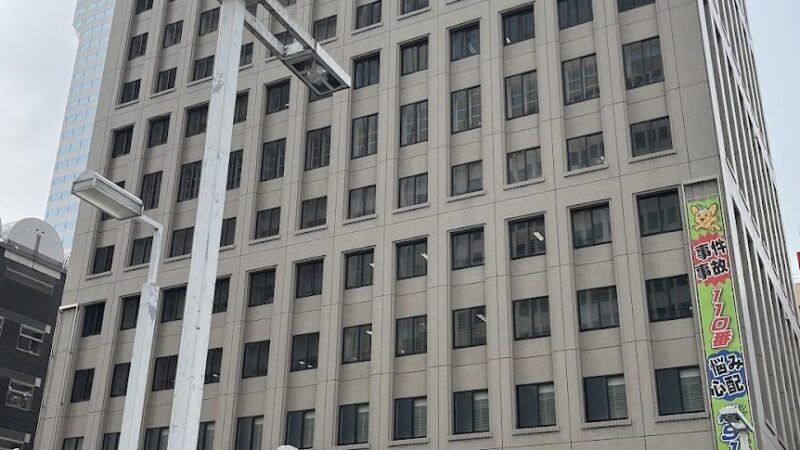
The intersection behind Shinjuku Police Station is located at Kabukicho 1-chome, Shinjuku Ward, Tokyo, and served as the setting for particularly impressive scenes in the film “Your Name.”
Appearance Scenes in the Work
In scenes where Taki searches for Mitsuha throughout Tokyo, the scenery around this intersection is depicted with meticulous detail. The beautiful expression of light characteristic of director Makoto Shinkai and the urban landscape symbolizing Tokyo’s crowds are wonderfully fused in this scene, leaving a lasting impression on many fans.
As a symbol of the energy and chaos of Shinjuku and the loneliness of the city, it plays an important role in the narrative. As a backdrop showing the protagonists passing each other and searching, the intersection’s anonymity and flow of people are effectively utilized.
Director Makoto Shinkai’s Commitment to Background Depiction
Director Makoto Shinkai is known for thoroughly researching real locations, repeatedly taking photographs and sketching. For the intersection behind Shinjuku Police Station as well, he faithfully reproduced the actual scenery while adding the beauty unique to animation, creating a space more attractive than reality itself.
The result of detailed observation of light changes by time of day, arrangement of signs, and flow of people is crystallized in that impressive scene.
How to Access Shinjuku Police Station Back Intersection
Here is detailed access information for those planning a sacred site pilgrimage.
Route from Nearest Station
From JR Shinjuku Station East Exit
- About 8 minutes on foot
- Head straight from the east exit toward Kabukicho
- Cross Yasukuni Street and proceed further toward Kabukicho 1-chome
- As you proceed along Shinjuku Ward Office Street, Shinjuku Police Station comes into view
From Seibu Shinjuku Station
- About 5 minutes on foot
- The nearest station, located in the heart of Kabukicho
- Walk toward the Okubo direction after exiting the station
From Tokyo Metro Marunouchi Line, Fukutoshin Line, and Toei Shinjuku Line Shinjuku-sanchome Station
- About 10 minutes on foot
- Go above ground from E1 exit toward Shinjuku
- Head west on Yasukuni Street, proceeding toward Kabukicho
Address and Landmarks
Location: 1-chome, Kabukicho, Shinjuku Ward, Tokyo
Landmark Buildings:
- Shinjuku Police Station (origin of the intersection’s name)
- Surrounding restaurants and commercial facilities
- Distinctive neon signs and billboards
The intersection itself is a public road accessible 24 hours, but care should be taken not to inconvenience pedestrians when photographing.
Best Time and Photography Spots for Sacred Site Pilgrimage
To fully enjoy the atmosphere of “Your Name,” choosing the right time to visit and photography spots is important.
Recommended Times
Dusk (17:00–19:00)
A time when you can recreate the twilight light that was impressive in the film. You can experience the beauty of the “magic hour” characteristic of Makoto Shinkai works. The contrast between the setting sun sinking between buildings and the neon that gradually turns on is spectacular.
Night (19:00–22:00)
A time when you can enjoy Shinjuku’s night view. The flood of light created by neon signs and street lights is exactly the Tokyo night as depicted by director Shinkai. With heavy foot traffic, you can experience the hustle and bustle of the city.
Early Morning (6:00–8:00)
A time when few people are around, allowing for relaxed photography. The intersection lit by the morning sun presents a different appearance from the film. Recommended for those who want to carefully observe the location.
Photography Points and Angles
Position with a View of the Entire Intersection
To recreate scenes from the film, photography from a position overlooking the entire intersection is recommended. However, photograph from the sidewalk and be careful not to step into the roadway.
Composition Conscious of Building Arrangement
You can achieve photos closer to the work’s atmosphere by including Shinjuku Police Station and surrounding buildings in the background. Signs and neon are also important elements, so include them in your frame.
Smartphone Photography Techniques
- Utilize HDR mode to express differences in brightness
- Night mode for beautiful light blur in nighttime shooting
- Display grid lines to maintain horizontal level
- Use continuous shooting to capture moments with fewer pedestrians
“Your Name.” Related Spots Around Shinjuku Police Station Back Intersection
Other sacred sites from “Your Name.” are scattered throughout the Shinjuku area. Here are routes for efficient pilgrimage.
Shinjuku Station Area
JR Shinjuku Station Platform
The setting for an important scene where Taki and Mitsuha pass each other. It’s recommended to visit during times when commuter rush is less busy.
Shinjuku Southern Terrace
An elevated walkway extending from the south exit toward Yoyogi. Appealing for its urban scenery and open feeling.
Kabukicho Area
Multiple spots where you can feel the work’s atmosphere are within walking distance of the intersection behind Shinjuku Police Station.
Kabukicho 1-chome Street
An area symbolizing Tokyo’s nightlife. Walking through the sea of neon increases the sense of immersion in the work’s world.
Shinjuku Golden Gai
A drinking alley with a retro Showa atmosphere. While not a direct appearance in the film, it’s a place where you can feel Tokyo’s diversity.
Efficient Pilgrimage Route Example
- Start at JR Shinjuku Station East Exit (photograph at station platform)
- Walk toward Kabukicho (about 5 minutes)
- Intersection behind Shinjuku Police Station (main photography, about 30 minutes)
- Explore surrounding Kabukicho (20 minutes)
- Return toward Shinjuku Station (move to other sacred sites)
Total time is approximately 1.5–2 hours.
Precautions and Etiquette During Sacred Site Pilgrimage
To enjoy sacred site pilgrimage, consideration for local residents and other visitors is essential.
Etiquette When Photographing
Public Road Photography Rules
- Keep photography to the sidewalk and do not enter the roadway
- Photograph from positions that don’t inconvenience pedestrians
- Avoid prolonged occupation of one location
- Judge whether to use a tripod based on surrounding conditions
- Show consideration when posting to SNS if other people are captured
Consideration for Noise
Shinjuku is a busy district, but avoid loud conversations early in the morning or late at night. Especially in areas near residences, it’s important to act quietly.
Safety Precautions
Traffic Safety
Given the intersection’s nature, there is vehicle traffic. Be sufficiently careful not to ignore traffic rules while absorbed in photography.
Valuables Management
Shinjuku has heavy foot traffic, creating risks of theft and bag snatching. Pay careful attention to managing cameras and smartphones, and never take your eyes off your belongings.
Nighttime Visits
Night scenery photography is attractive, but especially when visiting alone, choose times with heavy foot traffic and avoid dark alleys.
Consideration for the Community
Consideration for Shops and Facilities
Do not trespass on the premises of nearby shops or facilities without permission. When photographing, do so from public roads.
Garbage Disposal
If you eat something, always take garbage with you or dispose of it in designated trash bins. Keeping sacred sites beautiful is the responsibility of visitors.
Makoto Shinkai’s Works and Tokyo Scenery | The Urban Charm Depicted in “Your Name.”
In director Makoto Shinkai’s works, Tokyo is not merely a background but an important element that tells the story.
Exquisite Balance Between Realism and Beautification
Director Shinkai’s background art faithfully reproduces real locations while acquiring beauty beyond reality through light expression and color design. The scene at the intersection behind Shinjuku Police Station allows you to experience both the discovery of “this is that place” and the emotion of “the film is more beautiful” when visiting the actual location.
Urban Loneliness and Possibility of Encounters
The difficulty and miracle of meeting a specific person in the massive flow of people that is Shinjuku. “Your Name.” depicts contemporary urban life’s thin human connections and the yearning for “fateful encounters” that still exist within it.
The intersection behind Shinjuku Police Station functions as a symbolic representation of exactly this. Countless people pass through, yet searching for just one person is difficult. But because of this, that encounter becomes special—such a message is embedded here.
Sacred Site Pilgrimage Culture After “Your Name.”
Following “Your Name.”‘s major success, sacred site pilgrimage for anime films has become an established culture. The intersection behind Shinjuku Police Station has become a popular spot visited by many fans.
Visiting actual locations deepens understanding of works and brings new discoveries. The emotion of the scenery seen in films actually existing, and the fun of comparing reality with animation. These are experiences unique to sacred site pilgrimage.
Nearby Tourist Spots and Gourmet Information
Here are recommended spots in the Shinjuku area to visit before or after sacred site pilgrimage.
Shinjuku Tourist Attractions
Shinjuku Gyoen
Also famous as the setting for director Shinkai’s separate work “The Garden of Words.” An expansive garden where you can enjoy nature away from the city bustle. About 15 minutes on foot from the intersection behind Shinjuku Police Station.
Tokyo Metropolitan Government Building Observation Deck
A free observation deck where you can see Tokyo’s scenery at a glance. On clear days, you can even see Mount Fuji. You can take an overview of Tokyo’s scenery that appears in Shinkai works.
Shinjuku Alta Front Plaza
Famous as a meeting spot. One of the centers of Tokyo’s youth culture.
Gourmet Spots
Shinjuku Food and Drink District
Shinjuku brings together restaurants of all genres—Japanese, Western, Chinese, and ethnic cuisines.
Omoide Yokocho
A retro Showa-era drinking alley. Small shops serving yakitori and skewers line the street.
Kabukicho Ramen Shops
Many are open late into the night, making them convenient for meals after sacred site pilgrimage.
Rest Spots
Cafe Chains
Numerous cafes around Shinjuku Station are perfect for organizing photographed images or researching your next destination.
Commercial Facilities Like Shinjuku Marui and Lumine
Rest spaces and cafes are well-equipped, allowing you to spend time regardless of weather.
Other Sacred Sites from “Your Name.”
Besides Shinjuku, “Your Name.” has numerous sacred sites.
Sacred Sites in Tokyo
Sugatani Shrine in Yotsuya
Famous for its staircase featured in the film’s climax scene. One of the most popular sacred sites.
Around Shinanomachi Station
A location model for a scene where Taki and Mitsuha pass each other on a train.
National Art Center Tokyo in Roppongi
Reportedly the model for the restaurant where Taki works part-time.
Sacred Sites in Greater Tokyo and Regional Areas
Hida Takayama (Gifu Prefecture)
The region that became the model for Itomori Town where Mitsuha lives. Appealing for its old townscape and nature.
Lake Suwa (Nagano Prefecture)
Said to be one of the models for Lake Itomori. Offers beautiful scenery.
Hida-Furukawa Station
Appears in scenes of Mitsuha’s commute to high school. The local railway station building is impressive.
Planning Sacred Site Pilgrimage Tours
Tokyo Course Covering One Day
Shinjuku Area → Sugatani Shrine in Yotsuya → Shinanomachi/Sendagaya Area → Roppongi
Complete Coverage Course Over 2 Nights and 3 Days
Day 1: Sacred sites in Tokyo
Day 2: Move to Hida Takayama, explore the town
Day 3: Visit Hida-Furukawa and Lake Suwa, then return home
Other Works by Director Makoto Shinkai and Sacred Site Pilgrimage
Besides “Your Name.,” Makoto Shinkai’s other works have many fascinating sacred sites.
“Weathering with You” (2019)
Tokyo is again the stage—Shinjuku, Yoyogi, and Ikebukuro. The area around Shinjuku Police Station also appears and can be visited together with “Your Name.”
Main Sacred Sites
- Around former Yoyogi Hall
- Around Tabata Station
- Asahi Inari Shrine (Ginza)
“The Garden of Words” (2013)
Shinjuku Gyoen is the main stage. The work is striking for its beautiful depiction of rainy days.
“5 Centimeters per Second” (2007)
Multiple locations appear—Sangenjaya Station, Yoyogi area, and Tanegashima Island.
Charm of Makoto Shinkai Sacred Site Pilgrimage
It’s interesting to do a pilgrimage with the theme of “Tokyo as depicted by Shinkai” since the same region often appears in multiple works. You can compare how different works depict it and observe changes in scenery over time.
Tools and Goods to Better Enjoy Sacred Site Pilgrimage
Here are convenient tools and goods for efficient and fulfilling sacred site pilgrimage.
Smartphone Apps
Map Apps
It’s convenient to save sacred site locations in advance using Google Maps. The offline map feature provides peace of mind even in areas with weak signal.
Photo Editing Apps
Many apps can process your photos to look like Shinkai works. With light expression and color adjustment, you can create photos closer to the work’s atmosphere.
SNS Apps
Searching hashtags like “#YourNameSacredSite” or “#ShinjukuPoliceStationBackIntersection” on Instagram and Twitter lets you see other fans’ visit records.
Packing List
Essential Items
- Smartphone (for camera, map, and information gathering)
- Mobile battery
- Transit IC card
- Beverages
- Rain gear (foldable umbrella)
Convenient Items
- SLR or mirrorless camera
- Small tripod or smartphone stand
- Notebook and pen (for recording impressions)
- Screenshots and reference materials from the work
Ways to Record Your Experience
Photography Tips
Photographing the same location from multiple angles makes it enjoyable to look back later. “Recreation photos” matching scenes from the work are also popular.
Pilgrimage Diary and Blog
Recording visit dates, weather, and impressions creates wonderful memories to revisit later. Sharing on SNS or blogs connects you with people who share your interests.
Video Recording
Recording the intersection’s atmosphere and flow of people with your smartphone’s video function is also recommended. It offers a different sense of immediacy than photos.
History and Changes of Shinjuku Police Station Back Intersection
Before gaining attention as a sacred site pilgrimage spot, this intersection has been watching over Tokyo’s history.
Shinjuku’s Development and the Intersection
Shinjuku developed from an Edo-era post station through railway opening in the Meiji period into today’s massive entertainment district. The area around the intersection behind Shinjuku Police Station has also undergone major changes with the times.
Changes After “Your Name.” Release
Following the 2016 film release, the number of fans visiting this intersection increased. Particularly notable is the influx of overseas tourists, and the intersection has taken on aspects of a new tourist spot in Shinjuku.
Future Outlook
Shinjuku is a constantly changing city. Scenery may change due to redevelopment, but that too is part of a living city’s history. Recording the scenery as it was when the film was released will become valuable material in the future.
Summary: Experience the World of “Your Name.” at Shinjuku Police Station Back Intersection
The intersection behind Shinjuku Police Station is a precious sacred site where you can experience the world of “Your Name.” You can actually visit and feel the beauty of Tokyo as depicted by director Shinkai and the energy of the urban environment.
Sacred Site Pilgrimage Points to Remember
- Access: About 8 minutes on foot from JR Shinjuku Station East Exit, about 5 minutes from Seibu Shinjuku Station
- Recommended Times: Dusk (17:00–19:00) or night (19:00–22:00)
- Photography Tips: From a position overlooking the entire intersection, with composition conscious of building arrangement
- Etiquette: Show consideration so as not to inconvenience pedestrians, follow traffic rules
- Nearby Spots: Visit other sacred sites like Shinjuku Station, Kabukicho, and Sugatani Shrine in Yotsuya
What You Gain Through Sacred Site Pilgrimage
Sacred site pilgrimage is not mere tourism. It deepens understanding of works, allows you to follow the creator’s perspective, and connects you with people who love the same work. Visiting the intersection behind Shinjuku Police Station will help “Your Name.” become more deeply engraved in your heart.
The emotion when visiting the actual location, comparing it with film scenes, and discovering differences between reality and animation—these are all the essence of sacred site pilgrimage.
Please verify with your own eyes the Tokyo scenery director Shinkai depicted. Different from when you watched the film, new emotion awaits.
For Safe and Enjoyable Sacred Site Pilgrimage
Finally, remember that sacred site pilgrimage involves visiting the living spaces of community residents. Follow etiquette and show consideration for those around you to create wonderful memories.
The magic of “Your Name.” is not confined to the screen. That magic certainly exists in the actual streets of Tokyo. Why not become part of the story yourself at the intersection behind Shinjuku Police Station?
Wishing you a wonderful sacred site pilgrimage.