
【Uma Musume Pretty Derby】Complete Guide to Ōkunitama Shrine (Tokyo)
The Relationship Between Ōkunitama Shrine and Uma Musume Pretty Derby
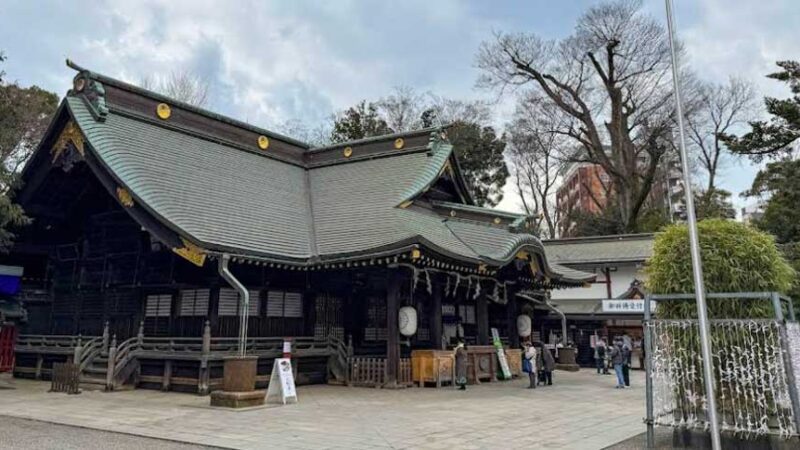
Ōkunitama Shrine (大國魂神社) is an ancient shrine located in Fuchu, Tokyo, boasting a history of approximately 1,900 years. This shrine is known as one of the important sacred sites for Uma Musume Pretty Derby fans.
Why Ōkunitama Shrine Is a Sacred Site for Uma Musume
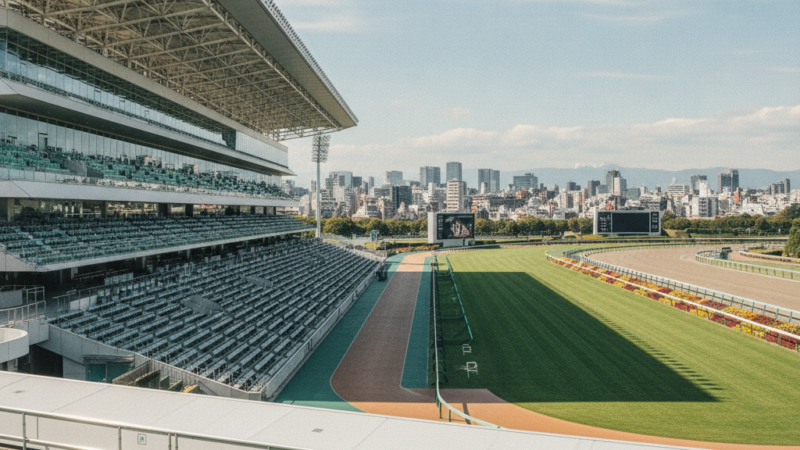
The reason Ōkunitama Shrine is considered a sacred site lies in its location. The shrine is situated right next to Tokyo Racecourse, and Fuchu is one of the centers of Japanese horse racing. Uma Musume Pretty Derby is a work that personifies racehorses, and facilities and shrines around actual racecourses are deeply connected to the world of the work.
Ōkunitama Shrine is also known as a place visited by horse racing enthusiasts and fans for luck and victory prayers, making it a pilgrimage destination for fans as a place where the world view of Uma Musume intersects with real horse racing culture.
Depictions in the Work and Actual Scenery
In the anime and games of Uma Musume Pretty Derby, the scenery around Fuchu is faithfully recreated. The distinctive approach to Ōkunitama Shrine, its torii gates, and the atmosphere of the grounds are familiar to many fans through the work.
When you actually visit, the scenery you saw in the anime overlaps with the real landscape, allowing you to experience the sensation of entering the world of the work. In particular, the approach lined with zelkova trees displays beautiful scenery throughout the four seasons, offering different views depending on when you visit.
Basic Information About Ōkunitama Shrine
History and Origins of the Shrine
Ōkunitama Shrine is said to have been founded in 111 AD (the 41st year of Emperor Keiko) and is the chief shrine of Musashi Province. Also called “Roku-sho-miya” (Six Shrines) because it enshrines six shrines within Musashi Province, it has long been revered as a central shrine of the region.
The principal deity is Ōkunitama-no-Ōkami, worshipped as a god of fortune, relationships, and purification from evil. Additionally, as the guardian spirit of Musashi Province, it protects the entire region.
Points of Interest Within the Grounds
Main Hall
The current main hall was built in 1667 (Kanbun 7) and is designated as a tangible cultural asset of Tokyo. It features substantial construction and intricate carvings, exemplifying the finest Edo-period shrine architecture.
Zuijin Gate
The Zuijin Gate towering at the entrance to the shrine grounds was rebuilt in 2010 (Heisei 22) and is relatively new. With its bright crimson color, it is popular as a photography spot.
Zelkova Tree-lined Approach
The zelkova trees lining the approach are designated as a national natural monument. The sight of giant trees, centuries old, standing in rows is awe-inspiring, particularly during the fresh green season and autumn foliage.
Treasure Hall
The shrine houses numerous cultural properties, and the treasure hall regularly opens them to the public. You can view items of historical significance, including ancient documents and sacred treasures.
Access Information
Access by Train
From Keio Line Fuchu Station
- Approximately 5 minutes’ walk from Fuchu Station South Exit on the Keio Line
- The most convenient access method
- The approach path leads from the station, making it easy to find your way
From JR Fuchu-Honcho Station
- Approximately 8 minutes’ walk from Fuchu-Honcho Station on the JR Nanbu and Musashino Lines
- This is convenient if using JR
From JR Musashi-Koganei Station
- About 10 minutes by bus, get off at the “Ōkunitama Shrine” bus stop
Access by Car
From the Chuo Expressway
- Approximately 10 minutes from Inagi IC
- Approximately 10 minutes from Kunitachi-Fuchu IC
Parking Information
- The shrine’s parking lot is free for visitors
- Capacity is approximately 150 vehicles
- The lot may fill up during busy periods like New Year’s and festivals
- There are multiple coin parking lots in the surrounding area
Access from Tokyo Racecourse
For Uma Musume fans doing a pilgrimage visiting both locations, Tokyo Racecourse and Ōkunitama Shrine are approximately 15 minutes’ walk apart.
On race days, many visitors from the racecourse come to worship. The sight of racing fans visiting for victory prayers before races or to give thanks after races is a unique scene to this shrine.
Points for Visiting
Visiting Hours
- The grounds are open 24 hours
- The shrine office is open from 9 AM to 5 PM
- Goshuin (shrine stamps) and amulets are available during office hours
Proper Etiquette for Visiting
- Bow once before passing through the torii gate
- Walk on the sides of the approach path (the center is said to be the path of the gods)
- Purify your hands and mouth at the water basin
- Worship at the main hall using the two bows, two claps, one bow gesture
Recommended Visiting Times
Early morning (7 AM–9 AM)
Few people are present, allowing for quiet worship. Visiting in the fresh morning air is especially refreshing.
Weekday mornings
Relatively uncrowded, allowing ample time to explore the grounds at leisure.
Late afternoon (4 PM–5 PM)
The grounds illuminated by the setting sun take on a mystical atmosphere. This time is also recommended for photography.
Goshuin and Amulets
Goshuin Information
Ōkunitama Shrine issues not only regular goshuin but also seasonal limited-edition goshuin.
Regular Goshuin
- Fee: 500 yen
- Available at the shrine office
- Both hand-written and pre-written versions available
Limited-Edition Goshuin
- Issued during special times like the Kurakami Festival and New Year’s
- Many have special designs and are popular with collectors
Goshuin Booklets
- Original goshuin booklets are also available
- Beautifully designed with zelkova trees and the main hall
- Fee: approximately 1,500–2,000 yen
Recommended Amulets
Kachi Mamori (Victory Amulet)
Popular with horse racing fans and those facing competitive situations. Among Uma Musume fans, many purchase this amulet to wish for the victory of their favorite character.
Enmusubi Mamori (Relationship Amulet)
Ōkunitama-no-Ōkami is also known as a god of relationships. Recommended for those seeking good fortune in romance.
Yakuyoke Mamori (Purification Amulet)
An amulet said to offer protection from and purification of evil.
Traffic Safety Mamori
Popular with those who frequently travel by car or motorcycle.
Annual Events and Festivals
Kurakami Festival (April 30–May 6)
The most important festival at Ōkunitama Shrine is the Kurakami Festival. It is designated as an intangible folk cultural property of Tokyo and is considered one of the three major unusual festivals of the Kanto region.
Highlights
- Mikoshi (portable shrine) procession on May 5
- Sound of large drums
- Float parades
- Komakurabe (horse racing ritual)
During the festival period, approximately 700,000 people visit, and the entire Fuchu area becomes festive. For Uma Musume fans, the Komakurabe ritual, which relates to horses, is an interesting point.
Sumomo Festival (July 20)
Also called the “Crow Uchiwa Festival,” this is a summer festival featuring the sale of Japanese apricots and the distribution of crow fans and crow fan-shaped amulets.
Reitaisai (Autumn Equinox Festival, October)
The autumn grand festival also draws many worshippers. Sacred music performances and various rituals are held.
Hatsumode (New Year, January 1–3)
Approximately 500,000 people visit for New Year’s prayers during the first three days of January. Although very crowded, the sight is spectacular.
Uma Musume Fan’s Pilgrimage Guide
Photography Spots
Zelkova Tree-lined Approach
The zelkova-lined path displays different beauty throughout the seasons and is a must-photograph spot. Spring greenery and autumn foliage are especially recommended.
Zuijin Gate
The bright crimson gate is popular as an Instagram-worthy photography spot.
Main Hall Front
Photos with the solemn main hall as background make lasting pilgrimage memories.
Manners and Precautions
Photography Notes
- Be considerate of other visitors
- Use tripods only as circumstances permit
- Minimize photography during festivals or busy times
Visiting Etiquette
- Do not speak loudly
- Do not run
- Take all trash with you
- Remember this is a sacred place
Cosplay
- Refrain from wearing cosplay within the shrine grounds
- Change clothes in designated areas
- Shrine permission may be required
Recommended Pilgrimage Routes
Half-Day Course
- Arrive at Fuchu Station
- Worship at Ōkunitama Shrine (60 minutes)
- Stroll through the Baba-Daimon zelkova trees (20 minutes)
- Fuchu City Hometown Forest Museum (60 minutes)
- Lunch around Fuchu Station
Full-Day Course
- Arrive at Fuchu Station
- Worship at Ōkunitama Shrine (90 minutes)
- Visit Tokyo Racecourse (120 minutes)
- Lunch (at the racecourse or around Fuchu Station)
- Fuchu City Hometown Forest Museum (60 minutes)
- Stroll through Fuchu no Mori Park (60 minutes)
- Dinner around Fuchu Station
Nearby Sacred Sites
Tokyo Racecourse
Located approximately 15 minutes’ walk from Ōkunitama Shrine, Tokyo Racecourse is the setting itself for Uma Musume.
Highlights
- Watch actual races on racing days
- Interact with horses at the Horsemanship Park
- Uma Musume-related events are sometimes held
- Learn racing history at the JRA Racing Museum
Access
- Approximately 15 minutes’ walk from Fuchu Station
- Free shuttle buses run from Fuchu Station on racing days
Fuchu City Hometown Forest Museum
This museum teaches about Fuchu’s history and culture. It also features exhibits on horse racing and horses, which are of interest to Uma Musume fans.
Baba-Daimon Zelkova Trees
Developed as the approach to Ōkunitama Shrine, the zelkova trees here are designated as a national natural monument. The landscape of approximately 150 zelkova trees stretching about 500 meters is impressive.
Food and Souvenir Information
Cuisine Around Fuchu
Fuchu Specialties
- Fuchu-yaki: A local specialty
- Racecourse Curry: A famous specialty of Tokyo Racecourse
- Cafes along the zelkova-lined street
Recommended Restaurants
- Longstanding confectionery shops dot the approach
- Diverse dining options surround Fuchu Station
- Enjoy gourmet food at the racecourse on racing days
Souvenirs
Ōkunitama Shrine Souvenirs
- Various amulets
- Goshuin booklets
- Shrine original merchandise
Fuchu Souvenirs
- Fuchu specialty sweets
- Products inspired by the zelkova trees
- Racing merchandise (available at the racecourse)
Accommodation Information
As there are few accommodations in the Fuchu area, those staying overnight for a pilgrimage should use hotels in nearby areas like Shinjuku or Tachikawa.
Well-Connected Areas
- Shinjuku: Approximately 20 minutes to Fuchu via Keio Line
- Tachikawa: Approximately 10 minutes to Fuchu-Honcho via JR Nanbu Line
- Chofu: Approximately 10 minutes to Fuchu via Keio Line
Seasonal Highlights
Spring (March–May)
- Cherry blossoms in bloom (late March–early April)
- Kurakami Festival (April 30–May 6)
- Zelkova trees display beautiful fresh green foliage
- Spring G1 races held at Tokyo Racecourse
Summer (June–August)
- Sumomo Festival (July 20)
- Lush green grounds provide a cool atmosphere
- Early morning visits are recommended
Autumn (September–November)
- Zelkova autumn foliage (mid-to-late November)
- Autumn grand festival (October)
- Autumn G1 races held at Tokyo Racecourse
- Best season for weather and strolling
Winter (December–February)
- Hatsumode (January 1–3)
- Clear air for worship
- Winter zelkova trees have their own charm
Conclusion: What to Know Before Visiting Ōkunitama Shrine
Ōkunitama Shrine is not only a sacred site to visit as a fan of Uma Musume Pretty Derby, but also a place of deep cultural value as a shrine with 1,900 years of history.
Best Season to Visit
April through May, when the zelkova trees are in fresh leaf, or November, when autumn foliage is at its peak, are recommended. The Kurakami Festival period is particularly lively but expect crowds.
Estimated Time Needed
Plan for 30 minutes to 1 hour for shrine worship alone, or 1.5 to 2 hours for a leisurely stroll.
Packing Checklist
- Camera (smartphone is fine)
- Goshuin booklet (if collecting stamps)
- Comfortable walking shoes
- Seasonal attire
- Beverages (especially in summer)
Finally
When visiting Ōkunitama Shrine as a Uma Musume Pretty Derby pilgrimage site, remember that this is a sacred place of worship for many people. Follow proper etiquette and manners when visiting. Connecting with the shrine’s history and culture will deepen your appreciation of the work.
Experience the atmosphere of “horse racing town” woven together by Fuchu, Tokyo Racecourse, and Ōkunitama Shrine while fully appreciating the world of Uma Musume. It will surely be a memorable pilgrimage that deepens your love for the work even further.