
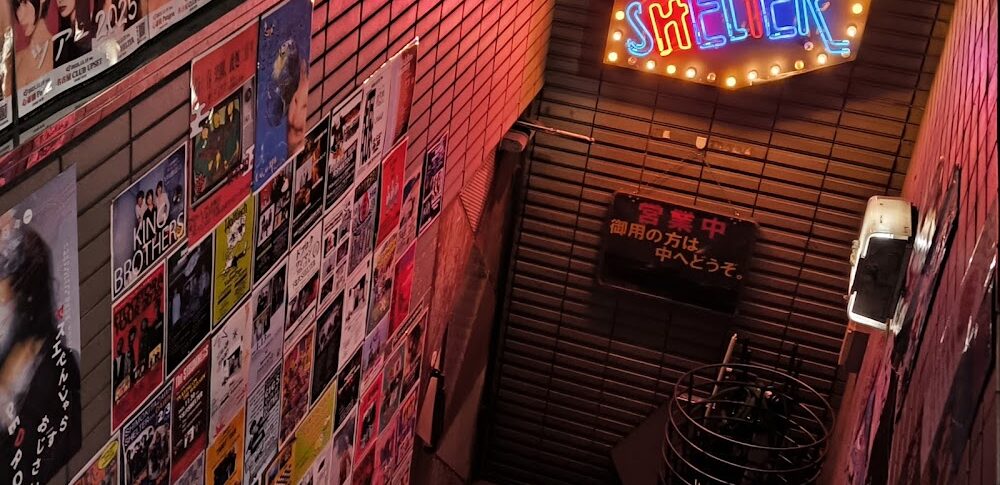
Bocchi the Rock! Shimokitazawa SHELTER Complete Guide: Definitive Edition of Sacred Site Pilgrimage
Introduction: The Relationship Between “Bocchi the Rock!” and Shimokitazawa SHELTER
The TV anime “Bocchi the Rock!” broadcast in 2022 tells the story of Gotou Hitori (nicknamed Bocchi-chan), an extremely shy protagonist, growing as a member of the band Kessoku Band. The live house “STARRY” that serves as the home of Kessoku Band in the work is modeled after SHELTER, a real live house located in Shimokitazawa, Tokyo.
Following the anime broadcast, Shimokitazawa SHELTER became a central destination for sacred site pilgrimages, with many fans visiting the location. This article provides a thorough introduction to sacred sites in the Shimokitazawa area centered around Shimokitazawa SHELTER.
What is Shimokitazawa SHELTER: The Sacred Site of Kessoku Band
The History and Characteristics of SHELTER
Shimokitazawa SHELTER is a long-established live house that has been operating since the 1980s. As a full-fledged music facility in the basement, numerous bands and artists have graced its stage. With a capacity of approximately 250 people, it is used by a wide range of performers from indie bands to famous artists.
In “Bocchi the Rock!”, the venue appears under the name “STARRY,” where Kessoku Band performs, Ijichi Nijika works as a substitute store manager, and members gather for meetings, making it an important location central to the story.
Reproduction Accuracy in the Anime
The anime production team conducted detailed research on Shimokitazawa SHELTER, faithfully reproducing fine details including the entrance sign, stairs, pylons, backstage, and areas around the stage. Particularly in scenes where Bocchi-chan visits STARRY for the first time in episode 1 and when Kessoku Band performs, the atmosphere of the actual SHELTER is strongly reflected.
The cover of original comic volume 6 uses the exterior of SHELTER exactly, making it an indispensable sacred site for the work.
Sacred Site Pilgrimage: Access to Shimokitazawa SHELTER and Precautions
How to Access
Address: B1F Senda Building, 2-6-10 Kitazawa, Setagaya Ward, Tokyo
Nearest Stations:
- Approximately 3 minutes on foot from “Shimokitazawa Station” on the Odakyu Line and Keio Inokashira Line
- The venue is located beyond the shopping street from the south exit of Shimokitazawa Station
Shimokitazawa Station is conveniently accessed in approximately 10 minutes from Shinjuku on the Odakyu Line and approximately 5 minutes from Shibuya on the Keio Inokashira Line. The area around the station has many complex alleys, so using a smartphone map application is recommended.
Business Hours and Event Information
SHELTER normally operates only on days when live events are held. The event schedule can be confirmed on the official website. Since the venue is basically closed on days without live events, confirm the operating days before visiting.
“Bocchi the Rock!” related events and collaboration projects are held irregularly, featuring exclusive merchandise sales and panel exhibitions.
Pilgrimage Etiquette and Precautions
As sacred site pilgrimages have become more popular, SHELTER has issued notices regarding pilgrim etiquette. Please pay careful attention to the following points:
Photography Etiquette:
- Exterior photography is permitted, but be considerate of passersby and other customers
- Interior photography of the live house is basically prohibited; always confirm with staff
- Avoid extended photography in stairways and entrances that would obstruct other users’ passage
- Refrain from using large equipment such as tripods and reflectors
Consideration for Neighborhood Residents:
- Avoid loud conversations and commotion
- Avoid visiting late at night or early in the morning
- Always take garbage with you
- Do not trespass on private property without permission
Use as a Live House:
- If possible, actually attend live performances to experience live house culture
- Properly pay for tickets and drink charges
- Observe live house etiquette and enjoy music alongside other customers
SHELTER is a working live house before being a model for the work. Be mindful of regular customers and performing artists by acting with discretion.
Sacred Sites Around Shimokitazawa Station
North Side of Shimokitazawa Station
Shimokitazawa Station Platform
The Shimokitazawa Station platform that appears multiple times in the work is faithfully reproduced from the actual Odakyu Line and Keio Inokashira Line stations. Many memorable scenes appear, including where Bocchi-chan nervously heads to Shimokitazawa and where members meet up.
When photographing at the station ticket gates and platforms, avoid commute/school hours and take sufficient care not to disturb other users.
North Exit Shopping Street
The shopping street extending from the north exit of Shimokitazawa Station also appears in the work. The atmosphere characteristic of Shimokitazawa is depicted, with vintage clothing stores, cafes, and record shops with distinctive character lining the street.
South Side of Shimokitazawa Station
The Road Leading to SHELTER
The road Bocchi-chan walks when heading to STARRY in episode 1 is the actual road leading from Shimokitazawa Station’s south exit to SHELTER. You can follow the exact same route depicted in the anime, with characteristic vending machines and buildings appearing in the work.
Since this is a narrow alley, care is needed when photographing to avoid obstructing pedestrian traffic.
Surrounding Restaurants and Cafes
Shimokitazawa has many distinctive restaurants, and several are used as models in the work. Enjoying Shimokitazawa cuisine during your pilgrimage is also recommended.
Major Sacred Sites Outside Shimokitazawa
“Bocchi the Rock!” is set not only in Shimokitazawa. Here are major sacred sites organized by area.
Kanazawa Hakkei: Bocchi-chan’s Daily Life
Kanazawa Hakkei in Kanazawa Ward, Yokohama City, Kanagawa Prefecture, is the setting of Bocchi-chan’s home. The area around Kanazawa Hakkei Station on the Keikyu Line appears frequently, depicting Bocchi-chan’s daily life.
Main Appearances:
- Kanazawa Hakkei Station
- Shopping streets around the station
- Residential area scenery
- Paths along the coast
Kanazawa Hakkei is approximately one hour from Shimokitazawa by train, making it possible to visit both locations in a single day.
Enoshima: The Stage of the Cultural Festival Live
The area around Enoshima, where a cultural festival live episode unfolds in the work, is also an important sacred site. Enoshima Station and coastal scenery appear.
Shinjuku and Shibuya: Urban Scenes
The bustling streets of Shinjuku and Shibuya also appear in the work. Scenes of live houses and musical instrument stores in Shinjuku are particularly memorable.
Ochanomizu: Musical Instrument District
Ochanomizu, which appears in an episode about purchasing instruments, is actually known as Japan’s largest musical instrument district.
Collaboration Goods and Memorabilia
Official Collaboration Goods
Multiple official collaboration goods between Shimokitazawa SHELTER and the anime “Bocchi the Rock!” have been released.
Main Items:
- Backstage pass motif T-shirts
- Original stickers
- Towels
- Key chains
- Tote bags
- Acrylic stands
These goods can be purchased through Aniplex’s official online store and at SHELTER during events. Many products are limited quantity, so early purchase is recommended if you want specific items.
Pilgrimage Memorial Photo Spots
Multiple photo spots allow you to recreate memorable scenes from the anime, including the SHELTER exterior, distinctive signage, and entrance stairs. However, remember the etiquette mentioned earlier and take care not to disturb other users and passersby.
Experiencing Real Live House Culture
Watching Live at SHELTER
The best way to do a pilgrimage is to actually watch a live performance at SHELTER. You can understand the world of “Bocchi the Rock!” more deeply and experience live house culture firsthand.
Flow of Attending a Live:
- Check the schedule on the official website
- Purchase tickets for a band that interests you
- Arrive at the venue when doors open on the day
- Pay for drinks (typically 500-600 yen)
- Enjoy the live performance
Even if you’re visiting a live house for the first time, staff will guide you politely, so you can feel at ease.
Live House Etiquette
- Photography and recording during performances are prohibited
- When watching in front, be careful of intense moshing
- Support the artist with cheers and clapping
- Purchase merchandise from the goods stand to support the artist
Insights into the Work’s Impact from an Interview with SHELTER’s Manager
Toshiaki Yoshimura, manager of Shimokitazawa SHELTER, has spoken in media interviews about the impact of “Bocchi the Rock!”
Following the anime broadcast, there was a clear increase in younger visitors to the venue, and people who had never been to a live house before gained the opportunity to experience music. The work is playing a role in broadening the base of live house culture, and it is evaluated as having a positive impact on the music industry.
On the other hand, the sacred site pilgrimage boom has also created challenges, with the importance of consideration for normal operations and raising awareness about etiquette becoming crucial.
Efficient Pilgrimage Plans
Half-Day Course (Shimokitazawa-Focused)
Duration: Approximately 3-4 hours
- Arrival at Shimokitazawa Station (10:00)
- Photography of scenes around the station (10:00-10:30)
- SHELTER exterior viewing (10:30-11:00)
- Shimokitazawa shopping street exploration (11:00-12:00)
- Lunch (12:00-13:00)
- Tour of scenes appearing in the work (13:00-14:00)
Full-Day Course (Multiple Areas)
Duration: Approximately 8-10 hours
- Arrival at Kanazawa Hakkei Station (9:00)
- Kanazawa Hakkei area pilgrimage (9:00-11:00)
- Travel (11:00-12:00)
- Arrival in Shimokitazawa, lunch (12:00-13:00)
- Shimokitazawa area pilgrimage (13:00-16:00)
- Travel to Shinjuku or Shibuya (16:00-17:00)
- Shinjuku/Shibuya area pilgrimage (17:00-18:00)
Two-Day Course (Complete Coverage)
Day 1: Kanazawa Hakkei, Enoshima
Day 2: Shimokitazawa, Shinjuku, Shibuya, Ochanomizu
If you have flexible time, it’s best to incorporate a schedule that includes attending a live event at SHELTER.
Nearby Accommodations and Access
Recommended Lodging Areas
Around Shimokitazawa:
- Many guest houses and capsule hotels
- Closest to sacred sites, can also enjoy Shimokitazawa at night
Shinjuku/Shibuya:
- Abundant hotel options
- Good access to other sacred sites
- Convenient for sightseeing the next day
Yokohama/Kawasaki Area:
- Good access to Kanazawa Hakkei
- Relatively reasonable accommodation rates
Using Transportation Passes
Using one-day passes for Tokyo Metro and Toei Subway, or special tickets from private railways, makes pilgrimages to multiple areas more efficient and economical.
Seasonal Enjoyment
Spring (March-May)
Cherry blossoms and fresh greenery around Shimokitazawa are beautiful during this season. With pleasant weather, this is an ideal time for pilgrimage. Avoid Golden Week when it’s crowded; weekday visits are recommended.
Summer (June-August)
This season coincides with the summer festival season, and SHELTER sees increased events. Don’t forget heat countermeasures. The Enoshima area can be enjoyed combined with swimming.
Fall (September-November)
Pleasant weather makes this ideal for extended pilgrimages. This season also coincides with the anime broadcast period, when you can most feel the work’s atmosphere.
Winter (December-February)
Cold weather precautions are necessary, but the heat of a winter live house is exceptional. Year-end and New Year’s feature special events like countdown live performances.
To Enjoy the Work More Deeply
Comparison with Original Manga
Reading the original manga by Hamaji Aki in addition to watching the anime allows deeper understanding of the work’s world. Volume 6’s cover in particular is the SHELTER exterior itself, and reading before pilgrimage increases the emotional impact.
Listening to the Soundtrack
Walking through Shimokitazawa while listening to Kessoku Band’s songs allows you to immerse yourself in the work’s world. Songs like “Seishun Complex” and “Guitar and Solitude and Blue Planet” are perfect as BGM for pilgrimage.
Interacting with Other Fans
Using hashtags like “#BocchitheRock Sacred Site Pilgrimage” on SNS to exchange information with other fans is another enjoyable aspect. However, be careful with personal information handling.
Conclusion: Enjoy the Work and Music Culture Through Sacred Site Pilgrimage
Shimokitazawa SHELTER, the sacred site of “Bocchi the Rock!”, is simultaneously both a model for the anime and a working live house that supports important music culture.
Experiencing the work’s worldview through sacred site pilgrimage is a wonderful experience, but it also becomes an opportunity to experience real live house culture and discover the wonder of music. Just as Bocchi-chan met friends and grew through music, those who visit may also have new discoveries and encounters.
By keeping etiquette in mind, remembering consideration for other users and neighborhood residents, and being thoughtful in your pilgrimage, this wonderful sacred site can continue to be cherished.
Walk the streets of Shimokitazawa, stand before SHELTER, feel Kessoku Band’s music, and fully enjoy the world of “Bocchi the Rock!” And if possible, try attending an actual live performance to experience firsthand the charm of music the work sought to convey.
FAQs
Q1: Can I visit Shimokitazawa SHELTER without a reservation?
A1: SHELTER normally operates only on live event days and is closed on days without events. The exterior can be viewed freely, but to see the interior, you need to purchase a live ticket and enter. Check the schedule on the official website before visiting.
Q2: When is the best time for a sacred site pilgrimage?
A2: Spring (March-May) and fall (September-November) when weather is pleasant are recommended. Fall especially coincides with the anime broadcast period, making it easier to feel the work’s atmosphere. However, if you want to attend live events, plan according to SHELTER’s schedule.
Q3: Can I visit multiple sacred sites outside Shimokitazawa in one day?
A3: It’s possible to visit 2-3 areas in one day, such as Shimokitazawa with Kanazawa Hakkei, or Shimokitazawa with Shinjuku/Shibuya. However, if you want to pilgrimage thoroughly or spend time on photography, it’s recommended to split across multiple days or prioritize locations.
Q4: Is photography permitted at SHELTER?
A4: Exterior photography is allowed, but be considerate of passersby and other customers. Interior photography is basically prohibited, and photography/recording during live performances is strictly forbidden. Always confirm with staff if you want to photograph.
Q5: This is my first time at a live house. What should I prepare?
A5: You basically need ticket cost and drink charge (typically 500-600 yen). Come in easy-to-move clothing and shoes, and bring minimal baggage. Most live houses have lockers where you can store large luggage. Staff will guide first-time visitors politely, so you can feel at ease.
Q6: Where can I purchase collaboration goods?
A6: Official collaboration goods are available through Aniplex’s official online store. They are also occasionally sold at limited-edition releases during SHELTER events. Popular items often sell out, so early purchase is recommended if you want specific items.
Q7: What precautions should I take during pilgrimage?
A7: Most importantly, understand that SHELTER is a working live house used by regular customers and artists. When photographing, be considerate of other users’ experiences and avoid loud conversation and extended stays. Also note that the surrounding area is residential, so be mindful of noise. Enjoy your pilgrimage while observing thoughtful etiquette.