Bungo Stray Dogs Kanagawa Prefecture Sacred Site Pilgrimage Complete Guide|All-Encompassing Locations Centered on Yokohama
Introduction: The Deep Connection Between Bungo Stray Dogs and Kanagawa Prefecture
“Bungo Stray Dogs” (commonly known as Bungou Stray Dogs) is a popular manga and anime work created by Kafka Asagiri and illustrated by Harukawa35. In this story where characters modeled after real-life literary figures use supernatural abilities to fight, Kanagawa Prefecture, particularly Yokohama City, is depicted as an important stage for the narrative.
The bases of the “Armed Detective Agency” and “Port Mafia” that appear in the work are set in Yokohama, and many actual Yokohama landscapes are reflected in the work. Therefore, Kanagawa Prefecture has become a must-see sacred site pilgrimage destination for Bungo Stray Dogs fans.
This article provides detailed introductions to Bungo Stray Dogs-related spots within Kanagawa Prefecture and delivers information to maximize your enjoyment of sacred site pilgrimage, including efficient pilgrimage routes and photography tips.
Why Kanagawa Prefecture Became the Stage for Bungo Stray Dogs
The Historical Background of Yokohama as a Port Town
Since its opening in the late Edo period, Yokohama has developed as an international city symbolizing Japan’s modernization. In the world of Bungo Stray Dogs, this setting of a historic port town adds depth to the narrative.
The underworld where ability users operate in the shadows, conflicts with international organizations like the “Guild,” and the international character and history inherent to Yokohama made it the perfect setting for the work.
Retro-Modern Streetscapes and the Work’s World View
Yokohama has numerous structures that retain traces of the Taisho and early Showa periods, such as the Red Brick Warehouse, Yamashita Park, and the Yokohama Three Towers (King’s Tower, Queen’s Tower, Jack’s Tower). This retro-modern atmosphere harmonizes beautifully with the worldview of a work featuring literary figures as inspiration.
Detailed Information on Major Sacred Sites in the Yokohama Area
Red Brick Warehouse and Surroundings
Appearances in the Work
The Red Brick Warehouse appears multiple times in the opening credits of the anime’s first season and in important scenes in the main episodes. It is used impressively in scenes where Armed Detective Agency members visit for missions and in confrontation scenes with the Port Mafia.
How to Access
- Approximately 6 minutes walk from “Bashamichi Station” or “Nihon-odori Station” on the Minatomirai Line
- Approximately 15 minutes walk from “Sakuragicho Station” on the JR and Municipal Subway
- Directly beneath the “Red Brick Park” bus stop
Photography Points
Photographing from the front of the Red Brick Warehouse allows you to recreate the same angle as anime cuts. Especially at dusk, the illuminated red brick warehouse is the best time to express the atmosphere of the work.
Shots with the warehouse and sea as backgrounds are also recommended, and you can feel the port town atmosphere unique to Yokohama.
Yamashita Park
Importance in the Work
Yamashita Park appears in various scenes including conversations between characters and tense pre-battle scenes. In particular, cuts with the sea as background are impressive, and it is also used in scenes where Nakajima Atsushi and Dazai Osamu have conversations.
Points of Interest
- Hikawa Maru: A historic passenger ship moored at Yamashita Park that also appears in the work
- Bay Bridge Vista: A scenery also used in the work’s opening credits
- The statue of “a girl wearing red shoes” vicinity: Identified as a location where characters stood
Access
From Exit 4 of “Motomachi-Chukagai Station” on the Minatomirai Line, it’s about a 3-minute walk, making it ideally located as a pilgrimage base.
Yokohama Port Opening Memorial Hall (Osanbashi International Ship Terminal)
Appearances in the Work
The Osanbashi appears in the anime’s opening and ending credits and important scenes in the main episodes. In particular, the rooftop deck “Whale’s Back” offers a 360-degree panoramic view that overlooks Yokohama’s cityscape.
Photography Tips
- Shooting from the rooftop deck with the Minatomirai skyscrapers in the background
- Shots facing toward the bay bridge on the seaside
- A tripod is helpful for night landscape photography (but be careful of restrictions during crowded times)
Operating Information
- Free admission, open 24 hours (rooftop deck)
- Access: Approximately 7 minutes walk from “Nihon-odori Station” on the Minatomirai Line
Minatomirai Area
Around Landmark Tower
Landmark Tower, a symbol of Minatomirai, frequently appears in scenes reflecting Yokohama’s cityscape. From the observation deck “Sky Garden,” you can overlook the Yokohama cityscape that appears in the work.
Queens Square Yokohama
A convenient spot for shopping and cafe breaks, it’s ideal as a rest stop between sacred site visits.
Rinko Park
A spacious park along the waterfront, used as a location for open scenes in the work.
Yokohama Chinatown Area
Relevance in the Work
Yokohama Chinatown is set as the location of the Port Mafia’s base, creating an underworld atmosphere as an important stage. The actual atmosphere of Chinatown gives depth to the work’s worldview.
Recommended Spots
- Zenrin Gate (East Gate): An iconic gate of Chinatown
- Guan Yu Temple: Solemn atmosphere matches the work’s worldview
- Chinatown Main Street: The lively street atmosphere is reflected in the work
Gourmet Information
Between sacred site visits, you can enjoy authentic Chinese cuisine and street food. Xiaolongbao, steamed pork buns, and tapioca drinks are perfect for energy replenishment.
Motomachi and Yamashita Area
Western-Style Buildings and the Work’s Worldview
The Yamashita area has Western-style buildings from the Meiji and Taisho periods scattered throughout, perfectly matching the retro-modern worldview of Bungo Stray Dogs.
- Foreign Cemetery: Historical atmosphere resonates with the work’s time setting
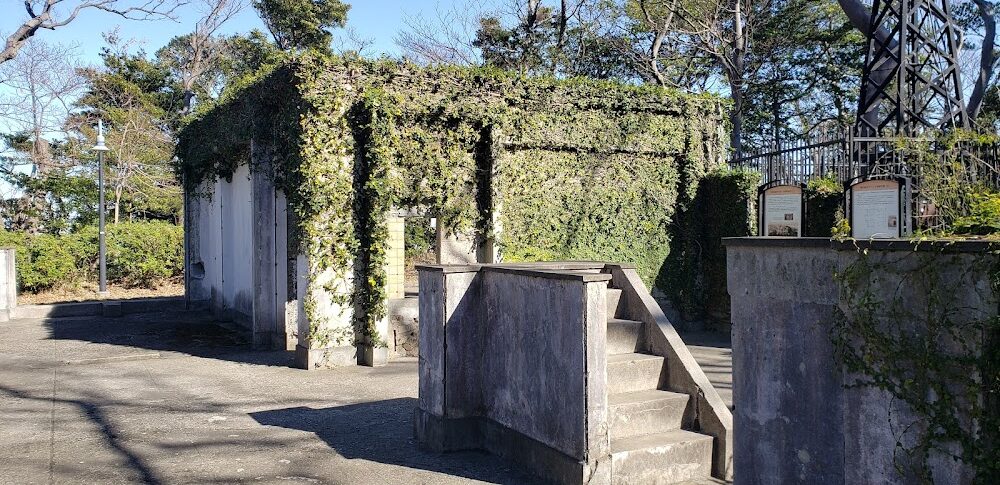
- Hill with a View of the Harbor Park: A viewing spot overlooking Yokohama Port
- Bluff No. 18 and other Western-style buildings: Architectural works full of Taisho romance
Access
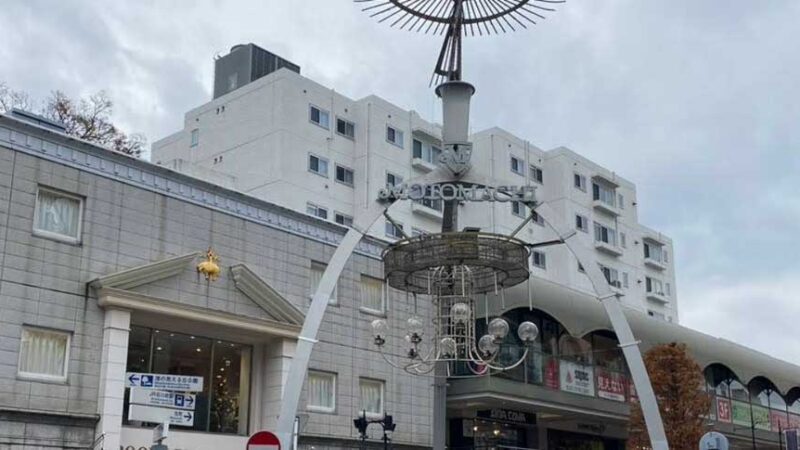
Within walking distance via “Motomachi-Chukagai Station” Exit 6 on the Minatomirai Line and Motomachi Shopping Street.
Yokohama Station Area
Appearances in the Work
Yokohama Station is depicted as a base for character movement. The modern urban atmosphere expresses the contemporary nature of the work.
Convenience
It’s ideal as a starting point and endpoint for sacred site pilgrimage, and access is extremely convenient as multiple railway lines connect here.
Efficient Sacred Site Pilgrimage Model Courses
1-Day Course: Complete Central Yokohama Conquest Plan
Morning (9:00-12:00)
- Start at Yokohama Station (9:00)
- Move to “Motomachi-Chukagai Station” on the Minatomirai Line (9:15)
- Explore and photograph Yamashita Park (9:30-10:30)
- Yokohama Port Opening Memorial Hall (10:45-11:30)
- Walk to Red Brick Warehouse (11:45)
Lunch (12:00-13:00)
Rest at a restaurant or cafe inside the Red Brick Warehouse
Afternoon (13:00-17:00)
- Explore Minatomirai Area (13:30-15:00)
- Around Landmark Tower
- Rinko Park
- Move to Motomachi-Chinatown Area (15:30)
- Explore and photograph Yokohama Chinatown (15:45-16:45)
- Yamashita Western-Style Buildings Area (17:00-18:00)
Evening (18:00-)
- Night photography: Return to Osanbashi or Red Brick Warehouse (18:30-19:30)
- Return to Yokohama Station (20:00)
Half-Day Course: Selected Major Spots Plan
Time Required: Approximately 4-5 hours
- Start at “Nihon-odori Station” on the Minatomirai Line
- Osanbashi (30 minutes)
- Yamashita Park (40 minutes)
- Red Brick Warehouse (40 minutes)
- Minatomirai Area (60 minutes)
- Return to Yokohama Station
This course is recommended for those with limited time as it efficiently covers the most important sacred sites.
2-Day Course: Expanded Kanagawa Prefecture-Wide Pilgrimage Plan
Day 1: Central Yokohama
Major spot visits in Yokohama City following the 1-day course above
Day 2: Expanded Surrounding Areas
- Kamakura area: Sites connected to literary figures (footsteps of real-life authors such as Dazai Osamu and Akutagawa Ryunosuke)
- Enoshima: Image source for seaside scenes
- Kawasaki area: Industrial landscape atmosphere related to some scenes in the work
Preparation and Items for Sacred Site Pilgrimage
Essential Items
Camera/Smartphone
Essential for commemorative photos at sacred sites. Remember to bring spare batteries or mobile battery chargers.
Work Materials
- Anime screenshots (saved on smartphone)
- Relevant manga scenes
- Sacred site pilgrimage maps (downloaded in advance or printed)
Maps/Navigation
It’s convenient to download navigation apps like Google Maps. Also make use of offline map features.
Handy Items
- Comfortable walking shoes: You may walk over 10km in a day
- Hat/sunscreen: For outdoor photography in summer
- Rain gear: To prepare for weather changes
- Notebook/pen: For visit records and impression notes
- Drinks/light snacks: Frequent hydration is important
Advance Preparation
Reviewing the Work
Revisiting the anime or manga before your visit increases the emotional impact at the actual locations. In particular, knowing which scenes are filmed where is efficient.
Weather Check
Yokohama is on the coast, so wind can be strong some days. Check the weather forecast and prepare appropriate clothing.
Confirming Operating Hours and Holidays
Some facilities have limited operating hours or days off. Particularly Western-style buildings often close on Mondays, so be careful.
Photography Manners and Rules
Basic Etiquette
Respecting Rules of Private Property and Facilities
Avoid photography in areas marked as no-photography zones, and follow facility rules. Some places like shops inside the Red Brick Warehouse have photography restrictions.
Consideration for Other Visitors
Not only pilgrimage visitors but many general tourists visit these areas. Avoid occupying spaces for long periods or speaking loudly, and be considerate to those around you.
Tripod Use
Using tripods in crowded places or on sidewalks may obstruct other pedestrians. When using them, choose times and locations with less foot traffic.
Precautions When Posting on SNS
Spoiler Consideration
When posting content including spoilers from recent episodes, remember to include spoiler warnings.
Handling of Location Information
Sharing real-time location information carries security risks, so judge carefully.
Copyright Consideration
When using images from the work, be mindful of copyright and practice appropriate citation and usage.
Recommended Visiting Seasons
Spring (March-May)
Merits
- Mild weather perfect for sightseeing
- Cherry blossom season (late March to early April) with beautiful blossoms at Yamashita Park and Motomachi Park
- Relatively uncrowded before Golden Week
Points to Note
- Golden Week is extremely crowded
- Hay fever precautions needed for those affected
Summer (June-August)
Merits
- Summer events and fireworks displays may be held
- Long evening photography hours
- Pleasant sea breeze along the coast
Points to Note
- Heat measures and heat stroke prevention are essential
- Rain gear must-have during rainy season (mid-June to mid-July)
- Sun protection is important
Fall (September-November)
Merits
- The most comfortable season to spend time in
- Beautiful autumn foliage (November)
- Clear air ideal for photography
- Many events held during this period
Points to Note
- Popular season with crowds
- Typhoon season (September-October) requires weather precautions
Winter (December-February)
Merits
- Beautiful illuminations (late November to February)
- Clear air ideal for night landscape photography
- Relatively uncrowded
- Special festive atmosphere during Christmas season
Points to Note
- Cold weather measures necessary
- Early sunset (around 4:30 PM)
- Some facilities closed during year-end/New Year holidays
Accommodation Information and Access
Recommended Accommodation Areas
Around Yokohama Station
- Best transportation convenience
- Wide selection of hotels
- Price range: Business hotels ¥5,000~, City hotels ¥10,000~
Minatomirai Area
- Closest to sacred sites
- Many luxury hotels
- Enjoyable night views
- Price range: ¥10,000~¥30,000+
Kannai and Sakuragicho Area
- Good access to sacred sites
- Many business hotels at relatively reasonable prices
- Price range: ¥4,000~¥10,000
Motomachi-Chinatown Area
- Atmosphere full of exotic charm
- Convenient for dining in Chinatown
- Price range: ¥7,000~¥15,000
Access from Outside Kanagawa Prefecture
From Tokyo Area
- JR Tokaido/Yokosuka Line: About 25 minutes from Tokyo Station to Yokohama Station
- Tokyu Toyoko Line: About 30 minutes from Shibuya Station to Yokohama Station (direct to Minatomirai Line)
- JR Shonan-Shinjuku Line: About 35 minutes from Shinjuku Station to Yokohama Station
From Kansai Area
- Shinkansen: About 2 hours 10 minutes from Shin-Osaka to Shin-Yokohama, then JR Yokohama Line about 11 minutes to Yokohama Station
- Overnight bus: About 8 hours from Osaka/Kyoto to Yokohama Station (budget option)
From Chubu Area
- Shinkansen: About 1 hour 40 minutes from Nagoya to Shin-Yokohama
From Other Regions
- Airplane: About 30 minutes from Haneda Airport to Yokohama Station by Keikyu Line
- Long-distance bus: Direct buses from all over Japan to Yokohama Station available
City Transportation
Minatomirai Line
The most convenient line for sacred site pilgrimage. Main stations:
- Yokohama Station
- Shin-Takashima Station
- Minatomirai Station
- Bashamichi Station
- Nihon-odori Station
- Motomachi-Chinatown Station
One-Day Pass
- Minatomirai Line “Minto Burari Ticket”: ¥460 for adults (weekends and holidays only)
- City Subway/Bus Common “Minto Burari Ticket Wide”: ¥500 for adults
Using these tickets can reduce transportation costs.
Walking
Major sacred site spots are concentrated within walking distance, so walking between them is recommended on fine days. You can enjoy Yokohama’s cityscape while moving.
Goods Purchase and Collaboration Cafe Information
Regular Goods Sales Stores
Animate Yokohama
Located 5 minutes walk west of Yokohama Station, with a constantly stocked selection of Bungo Stray Dogs-related merchandise.
- Address: 2-8-16 Minami-Saiwai, Nishi Ward, Yokohama City, Kanagawa Prefecture
- Operating Hours: 11:00-20:00
Toranoana Yokohama Branch
Where you can purchase doujinshi, official goods, and limited products.
Bookstores Around Yokohama Station
You can purchase original manga and anime DVDs/Blu-rays at Yurindo, TSUTAYA, Kinokuniya Bookstore, and other locations.
Limited-Time Collaboration Information
Bungo Stray Dogs regularly holds collaboration events and collaboration cafes in Yokohama City.
Past Collaboration Examples
- Collaboration events at Yokohama Red Brick Warehouse
- Stamp rallies in Minatomirai Area
- Limited-time collaboration cafes (around Yokohama Station)
- Yokohama City Subway collaboration projects
How to Obtain Latest Information
- Official Twitter (@bungosd_anime)
- Official website
- Yokohama tourism information site
- Store information at Animate and other locations
Checking the latest collaboration information before your visit allows for a more fulfilling sacred site pilgrimage.
Nearby Sites Connected to Literary Figures
Since Bungo Stray Dogs features real-life literary figures as inspiration, visiting actual sites connected to these authors is an interesting experience.
Kamakura Area
Sites Connected to Akutagawa Ryunosuke
Kamakura has sites such as an inn where Akutagawa Ryunosuke stayed. The Kanagawa Modern Literature Museum exhibits materials related to these literary figures.
Dazai Osamu and Kamakura
Dazai Osamu also stayed in Kamakura, which became the setting for his works.
Literary Spots in Yokohama City
Kanagawa Modern Literature Museum
Located in Hill with a View of the Harbor Park, it exhibits materials related to literary figures connected to Kanagawa Prefecture. You can also view materials about Natsume Soseki, Akutagawa Ryunosuke, Dazai Osamu, and other authors who became inspirations for Bungo Stray Dogs characters.
- Address: 110 Yamashita-cho, Naka Ward, Yokohama City
- Access: 10 minutes walk from Exit 6 of “Motomachi-Chinatown Station” on the Minatomirai Line
- Opening Hours: 9:30-17:00 (last admission 16:30)
- Closed: Mondays (if a holiday, closed the following weekday)
Advice on How to Enjoy Sacred Site Pilgrimage
Deepening Understanding of the Work
Scene Recreation Photography
Photographing specific anime and manga scenes from the same angle allows you to experience entering the world of the work. Preparing screenshots in advance allows you to compare while at the location.
Becoming the Character
Stand where your favorite character stood, pose the same way, and experience the world of the work.
Interaction with Fellow Fans
Information Sharing on SNS
Using hashtags like “#Bungo Stray Dogs Sacred Site Pilgrimage” or “#Bungou Stray Dogs Sacred Site” on Twitter and Instagram allows you to interact with fellow fans.
Meeting Fans at Sacred Sites
You may meet other fans with the same purpose at sacred sites. Practicing proper etiquette while enjoying interaction is the essence of sacred site pilgrimage.
How to Record Your Experience
Pilgrimage Notebook
Recording the date, weather, and impressions allows memories to resurface when reviewing later.
Photo Album
Organizing visit records, whether digital or analog, becomes enjoyable to look back on.
SNS Posting
Posting visit records on SNS in real-time or later allows interaction and information sharing with other fans.
Budget Estimate
Day Trip Plan (from Kanto Region)
- Transportation: ¥1,000~¥2,000
- Meals: ¥2,000~¥3,000
- Facility admission: ¥500~¥1,000 (observation decks, etc.)
- Goods purchase: ¥3,000~¥10,000 (optional)
- Total: Approximately ¥7,000~¥15,000
1 Night 2 Days Plan (from Kanto Region)
- Transportation: ¥2,000~¥5,000
- Accommodation: ¥5,000~¥15,000
- Meals: ¥4,000~¥6,000 (for 2 days)
- Facility admission: ¥1,000~¥2,000
- Goods purchase: ¥3,000~¥10,000 (optional)
- Total: Approximately ¥15,000~¥40,000
2 Nights 3 Days Plan from Distant Regions
- Transportation: ¥10,000~¥50,000 (varies greatly by region)
- Accommodation: ¥10,000~¥30,000 (for 2 nights)
- Meals: ¥6,000~¥10,000 (for 3 days)
- Facility admission: ¥1,500~¥3,000
- Goods purchase: ¥5,000~¥15,000 (optional)
- Total: Approximately ¥30,000~¥100,000
Money-saving tips include taking advantage of early booking discounts on transportation and accommodation, using business hotels, and purchasing food at convenience stores or supermarkets.
For Safe and Comfortable Sacred Site Pilgrimage
Health Management
Hydration
Especially in summer, frequent water intake is important for heat stroke prevention. While convenience stores and vending machines are plentiful, always carry drinks.
Adequate Rest
Overly ambitious schedules are not advisable. Take appropriate breaks at cafes or benches while visiting.
Valuable Items Management
Tourist areas can be crowded, so careful management of valuables is important. Effective measures include wearing backpacks in front of you and keeping valuables distributed.
Emergency Response
If You Feel Unwell
Yokohama City has numerous medical facilities. In case of sudden illness, purchase medicine at a nearby pharmacy or convenience store, or visit a medical facility if necessary.
If You Get Lost
Use your smartphone’s GPS feature. Also, getting a map from a station or tourist information center provides peace of mind.
Conclusion: To Maximize Your Enjoyment of Bungo Stray Dogs Sacred Site Pilgrimage
Kanagawa Prefecture, particularly Yokohama City, is the ultimate sacred site where you can experience the worldview of Bungo Stray Dogs. Visiting the numerous spots featured in the work such as the Red Brick Warehouse, Yamashita Park, Osanbashi, and the Minatomirai area deepens your understanding and attachment to the work.
Careful route planning, appropriate preparation, and adherence to etiquette enable safe and fulfilling sacred site pilgrimage. Check seasonal charm and collaboration event information to create your own special sacred site pilgrimage experience.
Experience the special time where Yokohama’s beautiful cityscape merges with the worldview of Bungo Stray Dogs. For all fans who love the work, sacred site pilgrimage in Kanagawa Prefecture is sure to become an unforgettable memory.
Finally, sacred site pilgrimage is a wonderful way to express your love for the work, but don’t forget consideration for local residents and other tourists. Practice proper etiquette and keep your sacred site pilgrimage enjoyable and safe.