【Detective Conan|Magician of the Century End】Holy Site Pilgrimage (Tsutenkaku) Complete Guide|Must-See Location and Stage Spots for Fans
The third film in the Detective Conan theatrical series, “Magician of the Century End” (released in 1999), continues to captivate many fans with the elegant debut scene of the Phantom Thief Kid and the mystery drama set in Osaka. In particular, the famous scene at the beginning of the story where the Phantom Thief Kid stands atop Tsutenkaku and proclaims loudly, “Ladies and gentlemen! Now, let the show begin!” is still talked about today.
In this article, for fans considering holy site pilgrimage of “Magician of the Century End,” we provide thorough explanations of Osaka’s location and stage spots, including Tsutenkaku. This is a definitive guide that comprehensively covers all information necessary for holy site pilgrimage, from actual visiting methods and shooting points to surrounding tourist information.
“Magician of the Century End” – Work Overview and Background of Osaka as the Setting
Basic Information and Story of the Work
“Detective Conan: Magician of the Century End” is the third installment of the Detective Conan theatrical series, released on April 17, 1999. With box office revenue of 2.6 billion yen, it is positioned as an important work that established the series’ popularity.
The story begins with a notice letter stating that the great phantom thief Kid will steal “Imperial Easter Egg,” a relic of the Romanov Dynasty owned by the Suzuki Zaibatsu, causing a stir. Conan rushes to Osaka, reunites with Heiji Hattori, and engages in a series of confrontations with Kid.
Why Osaka Was Chosen as the Setting
The choice of Osaka as the primary setting in this work is largely related to the presence of Heiji Hattori, the great detective of the West. To thoroughly depict the combination of the popular Heiji Hattori and Conan from the original manga in the theatrical version, Osaka, Heiji’s hometown, became the ideal setting.
Additionally, iconic landmarks such as Osaka Castle and Tsutenkaku serve as locations with visual impact befitting the Phantom Thief Kid’s elegant crime predictions. The unique atmosphere and culture of Osaka, different from Tokyo, add fresh appeal to the work.
Story Structure and Stage Transitions
“Magician of the Century End” unfolds in a three-act structure. The first half features confrontations with Kid in Osaka, the middle section takes place on a luxury ship with a murder case, and the final section involves mystery-solving at an old castle. This structure keeps audiences engaged without boredom throughout the story.
In the Osaka section, numerous existing structures appear, including Shin-Osaka Station, Osaka Castle, Tsutenkaku, Dotonbori, and the former Yomiuri Television building (near the Osaka Dome), creating reality and a sense of urgency.
Tsutenkaku: Thorough Explanation of the Phantom Thief Kid’s Famous Scene
Detailed Scenes of Tsutenkaku in the Film
Tsutenkaku becomes the stage for particularly impressive scenes in “Magician of the Century End.” The crime prediction notice from the Phantom Thief Kid indicates that the crime will occur at Tsutenkaku, serving as the climax of the early story.
Under moonlight, the Phantom Thief Kid, with his white cape fluttering, lands on the top floor of Tsutenkaku’s observation deck and declares to the gathered police, media, and spectators: “Ladies and gentlemen! Now, let the show begin!” This scene, symbolizing Kid’s elegance and charisma, is etched in the memories of many fans as a famous moment.
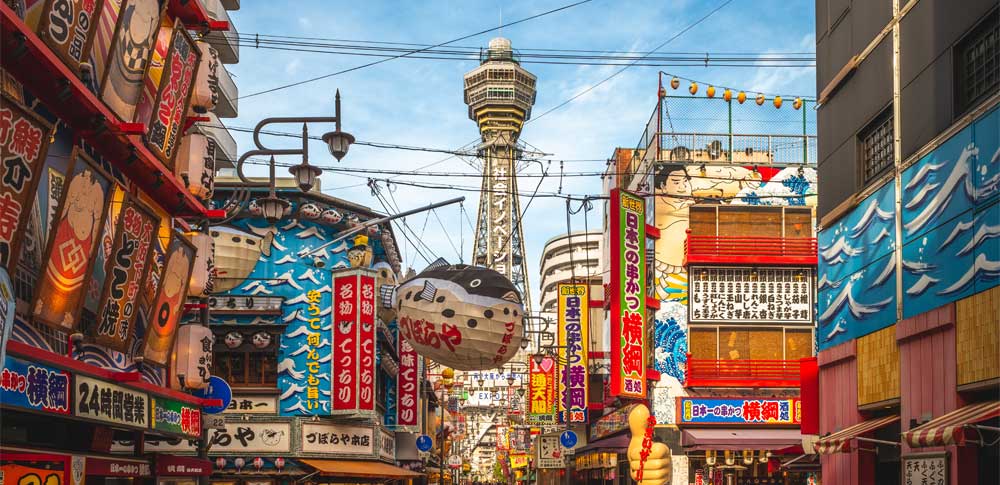
In this scene, not only the exterior of Tsutenkaku but also the surrounding Shinsekai street scenery and nightscape are carefully depicted, giving the work a unique atmosphere with Osaka’s down-to-earth charm.
The Real Tsutenkaku: Basic Information and History
Tsutenkaku is an observation tower located in Ebisuhigashi, Naniwa Ward, Osaka City, and is the second generation, rebuilt in 1956. The original Tsutenkaku was built in 1912 but was dismantled due to a fire in 1943. The current Tsutenkaku is 103 meters tall (108 meters including the lightning rod) and is cherished as a symbol of Osaka.
The observation deck is located at 87.5 meters above ground, offering panoramic views of Osaka City. Additionally, on the 5th floor is the “Golden Observation Deck,” and since 2022, “Tenbou Paradise” at 94.5 meters above ground has opened, allowing for thrilling experiences.
At the base of Tsutenkaku lies “Shinsekai,” a entertainment district lined with skewered cutlet restaurants and izakayas with a casual atmosphere. The statue of Billiken is also famous, with a legend that rubbing the soles of its feet brings good fortune.
Holy Site Pilgrimage: Photography Points at Tsutenkaku
When conducting holy site pilgrimage at Tsutenkaku for “Magician of the Century End,” here are the photography points.
View from the Observation Deck
In the film, Kid stands at the top of Tsutenkaku, but general tourists can view Osaka’s cityscape from the observation deck. Particularly the nightscape resembles the movie atmosphere, and on nights when the moon is visible, viewers are reminded of scenes from the film.
Angle Looking Up at Tsutenkaku
The angle of looking up at Tsutenkaku from the streets of Shinsekai evokes the scene of Kid’s descent in the movie. Photography from around Janjan Yokocho is especially recommended. Night lighting makes Tsutenkaku beautiful and photogenic.
Tsutenkaku Hondonri Shopping Street
The shopping street leading to Tsutenkaku also has an excellent atmosphere. Showa-era retro signs and shop structures have a flavor close to the time period of the film (1999).
Commemorative Photography with Billiken Statue
The Billiken statue on the observation deck is a mascot-like presence at Tsutenkaku. Many fans take photos with Billiken as a memento of their holy site pilgrimage.
Access Methods and Operating Information
Access by Train
- Osaka Metro Sakaiji Line “Ebisumachi Station” Exit 3, 4-minute walk
- Osaka Metro Midosuji Line “Dobutsuenmae Station” Exit 1, 6-minute walk
- JR “Shin-Imamiya Station” East Exit, 9-minute walk
- Hankai Tramway “Ebisumachi Station,” 3-minute walk
Operating Hours
- General Observation Deck: 10:00 a.m. to 8:00 p.m. (last entry 7:30 p.m.)
- Special Outdoor Observation Deck “Tenbou Paradise”: 10:00 a.m. to 7:40 p.m. (last entry 7:20 p.m.)
※Operating hours may change; please verify the latest information on the official website.
Admission Fee
- General Observation Deck: Adults ¥900, University/High School/Middle School/Elementary School Students ¥400
- Special Outdoor Observation Deck Combination Ticket: Adults ¥1,800, University/High School/Middle School/Elementary School Students ¥900
Official Website
https://www.tsutenkaku.co.jp/
Notes When Visiting and Recommended Times
Tsutenkaku is a popular tourist spot, so it gets crowded on weekends and holidays. In particular, there may be waiting times for elevators to the observation deck, so it’s recommended to plan with time to spare.
Recommended Times
For recreating scenes from the movie, dusk to nighttime is optimal. Arriving before sunset and enjoying both sunset and night views is a popular plan. Weekday afternoons are relatively uncrowded and allow leisurely viewing.
Photography Notes
Photography is permitted inside the observation deck, but tripod use is prohibited. Be considerate of other visitors. The special outdoor observation deck may have photography restrictions for safety reasons.
Osaka Castle: Historic Structure Serving as the Stage for Egg Display
The Role of Osaka Castle in the Film
In “Magician of the Century End,” the “Imperial Easter Egg,” a relic of the Romanov Dynasty owned by the Suzuki Zaibatsu, is displayed to the public at Osaka Castle. The scenes where Conan and others visit Osaka Castle depict the exterior of the keep and the interior exhibition rooms.
Osaka Castle functions in the work as a prestigious location where valuable artworks are displayed, lending historical gravity to the story. The castle also appears in scenes where Heiji Hattori, as a local guide, escorts Conan and others.
The Real Osaka Castle: Highlights and History
Osaka Castle was built by Toyotomi Hideyoshi in 1583 and is one of Japan’s most representative castles. The current keep is the third generation, rebuilt in 1931, and houses a history museum inside that introduces exhibits about Toyotomi Hideyoshi and the history of Osaka Castle.
The keep is eight stories tall, and from its top floor observation deck, one can view Osaka City in a full 360-degree panorama. Known as a cherry blossom viewing spot with approximately 3,000 cherry trees blooming in spring, it offers seasonal beauty.
Main Highlights
- Keep: Historical exhibits inside and observation deck on the top floor
- Osaka Castle Park: Vast grounds with nature in all seasons
- Stone walls and moats: Historic structures conveying Sengoku-period construction techniques
- Watchtowers and gates: Historic buildings designated as important cultural properties
Holy Site Pilgrimage: Photography Points at Osaka Castle
Exterior of the Keep
The keep, symbol of Osaka Castle, can be photographed from various angles. Views from Nishi-no-Maru Garden are particularly beautiful and closely match the composition depicted in the film.
Interior Exhibition Rooms of the Keep
In the film, this space is depicted as where the egg is displayed. The actual exhibition rooms feature items related to Toyotomi Hideyoshi, allowing visitors to feel the historical atmosphere.
Gokuraku Bridge
The Gokuraku Bridge within Osaka Castle Park allows photography with the keep as a backdrop. It’s a popular photo spot among tourists.
Access and Operating Information
Access by Train
- Osaka Metro Tanimachi Line/Chuo Line “Tanimachi 4-chome Station,” approximately 15-minute walk
- Osaka Metro Chuo Line/Nagahori Tsurumi-ryokuchi Line “Morinomiya Station,” approximately 15-minute walk
- JR Osaka Loop Line “Osaka Castle Park Station,” approximately 15-minute walk
- Keihan Electric Railway “Temmabashi Station,” approximately 15-minute walk
Operating Hours
- 9:00 a.m. to 5:00 p.m. (last entry 4:30 p.m.)
※Extended hours available during certain seasons
Admission Fee
- Adults ¥600, Middle School Students and Below Free
Closed Dates
- December 28 to January 1
Dotonbori and Shinsaibashi: Osaka’s Entertainment Districts
Osaka Cityscape Scenes in the Film
In “Magician of the Century End,” scenes where Conan and others move through Osaka streets depict the entertainment districts around Dotonbori and Shinsaibashi. In particular, the Glico sign and Ebisu Bridge (Ebishibashi) in Dotonbori are depicted as landscapes symbolizing Osaka.
In scenes where Heiji guides an Osaka sightseeing tour, the lively commercial streets and restaurants are depicted, expressing Osaka’s down-to-earth culture and human warmth.
Dotonbori: Osaka’s Symbolic Entertainment District
Dotonbori is the central entertainment district of Osaka’s Minami area, where iconic sights such as the Glico sign and the moving crab sign of Kani Doraku are concentrated. Along the Dotonbori River, restaurants line up where one can enjoy Osaka specialties such as takoyaki, okonomiyaki, and skewered cutlets.
Main Highlights
- Glico Sign (Ebisu Bridge): Classic photo spot
- Kani Doraku Main Store: Giant moving crab sign
- Dotonbori River: Night scenery enjoyed from the riverside promenade
- Hozenji Yokocho: Atmospheric stone-paved alley
Shinsaibashi Suji Shopping Street: Shopping and Gourmet Street
Shinsaibashi Suji Shopping Street is an arcade shopping street approximately 580 meters long with about 180 shops including fashion, miscellaneous goods, and restaurants. The film features scenes of walking through the shopping street, conveying Osaka’s vibrant atmosphere.
Holy Site Pilgrimage Route: Dotonbori and Shinsaibashi Area
Recommended Walking Route
- Start from Shinsaibashi Station
- Head south through Shinsaibashi Suji Shopping Street
- Photography at Ebisu Bridge with the Glico sign
- Stroll along the Dotonbori River
- Feel Osaka’s atmosphere in Hozenji Yokocho
- Head to Namba Station
Duration: 1 to 2 hours
Access and How to Enjoy
Access by Train
- Osaka Metro Midosuji Line/Nagahori Tsurumi-ryokuchi Line “Shinsaibashi Station”
- Osaka Metro Midosuji Line/Sennichimae Line/Yotsubashi Line “Namba Station”
The Dotonbori and Shinsaibashi area has many 24-hour shops and can be enjoyed day and night. Particularly, Dotonbori with neon lights glowing at night resembles the movie atmosphere and is recommended for holy site pilgrimage.
Shin-Osaka Station: Where the Story Begins
Opening Scene of the Film
In “Magician of the Century End,” the Osaka section begins with a scene where Conan and others arrive in Osaka from Tokyo by Shinkansen. The Shinkansen platform and ticket gate at Shin-Osaka Station are depicted, serving as an important turning point where the story’s setting shifts from Tokyo to Osaka.
Overview of Shin-Osaka Station
Shin-Osaka Station is the main station for the Tokaido and Sanyo Shinkansen lines and functions as Osaka’s gateway. With approximately 370,000 daily passengers (including Shinkansen users), it is the second most-used station in Osaka City.
The station interior features well-stocked souvenir shops and restaurants where one can purchase Osaka specialties. It’s convenient as a starting point or return base for holy site pilgrimage.
Use in Holy Site Pilgrimage
Shin-Osaka Station is ideal as a starting point for holy site pilgrimage. By arriving in Osaka by Shinkansen like Conan and others, you can experience their journey firsthand. Recommend taking commemorative photos inside the station before heading to each holy site via Osaka Metro.
Access from Shin-Osaka Station to Major Holy Sites
- Tsutenkaku: Osaka Metro Midosuji Line to “Dobutsuenmae Station” – approximately 20 minutes
- Osaka Castle: JR Osaka Loop Line to “Osaka Castle Park Station” – approximately 25 minutes
- Dotonbori: Osaka Metro Midosuji Line to “Namba Station” – approximately 15 minutes
Former Yomiuri Television Building (Near Osaka Dome)
Former Yomiuri Television Building That Appeared in the Film
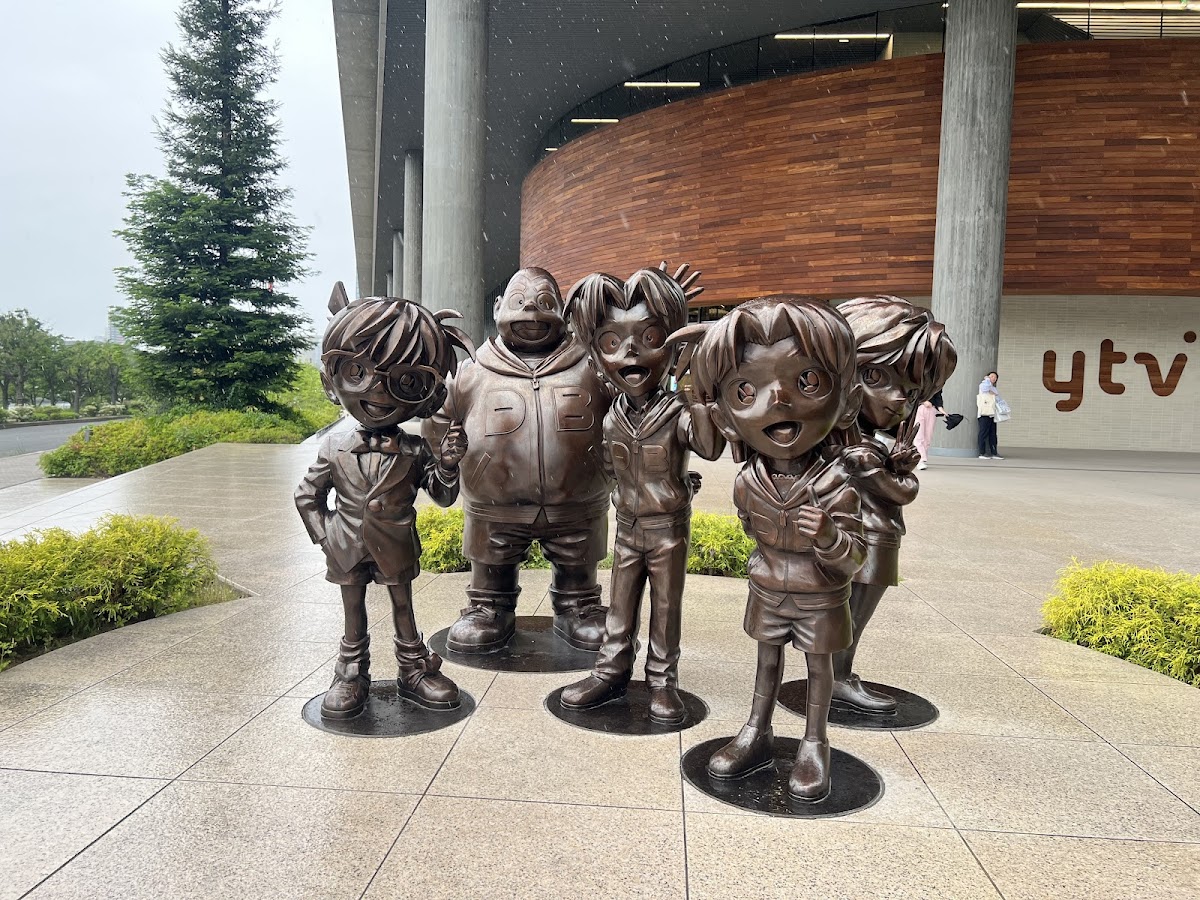
At the time of the film’s release (1999), Yomiuri Television’s headquarters was located in Nishi Ward, Osaka City, near the Osaka Dome (now Kyocera Dome Osaka). In the film, Yomiuri Television’s building appears as a background in certain scenes.
Currently, Yomiuri Television headquarters moved to Osaka Business Park (OBP) in Chuo Ward, Osaka City in 2019. While the former building site has been redeveloped, the Osaka Dome area, which retains the atmosphere of that time, can still be visited.
Kyocera Dome Osaka
The Osaka Dome is a multipurpose dome that opened in 1997 and serves as the home stadium for professional baseball’s Orix Buffaloes. At the time of the film’s release, it was called “Osaka Dome,” but was renamed “Kyocera Dome Osaka” in 2006.
Concerts and events are frequently held here, and it is cherished as a major entertainment facility in Osaka.
Access
Access by Train
- Osaka Metro Nagahori Tsurumi-ryokuchi Line “Dome-mae Chiyozaki Station” – Direct access
- Hanshin Namba Line “Dome-mae Station” – Direct access
- JR Osaka Loop Line “Taisho Station” – 7-minute walk
Other Appearing Locations
Luxury Ship Model
The luxury ship serving as the setting in the film’s middle section is said to be based on an actual ship. The murder case and deduction scenes aboard the ship add elements of closed-room mystery, bringing tension to the story.
Ancient Castle Model: Neuschwanstein Castle
The ancient castle serving as the setting in the film’s latter half is said to be modeled on “Neuschwanstein Castle” in Bavaria, Germany. As a place where the secrets of the Romanov Dynasty are hidden, it creates a mysterious atmosphere.
Neuschwanstein Castle was built by King Ludwig II of Bavaria in the 19th century and is also known as the model for Cinderella’s Castle at Disneyland. The white beautiful castle is a fitting stage for the film’s fantastical final scene.
While traveling to Germany is challenging, hardcore fans sometimes visit as an overseas holy site pilgrimage destination.
Efficient Holy Site Pilgrimage Model Courses
One-Day Osaka Holy Site Pilgrimage Plan
Morning: Osaka Castle Area
- 9:00 Arrival at Shin-Osaka Station (if using Shinkansen)
- 9:30 Visit Osaka Castle Keep (timed with opening hours)
- 11:00 Stroll through Osaka Castle Park
Lunch: Dotonbori Area
- 12:00 Enjoy Osaka gourmet at Dotonbori (takoyaki, okonomiyaki, etc.)
- 13:00 Commemorative photo at Ebisu Bridge with Glico sign
- 13:30 Shopping in Shinsaibashi Suji Shopping Street
Afternoon: Tsutenkaku and Shinsekai Area
- 15:00 Arrival at Tsutenkaku, visit observation deck
- 16:30 Enjoy skewered cutlets in Shinsekai
- 17:30 Stroll through Janjan Yokocho
Evening: Night View
- 18:30 Return to Tsutenkaku observation deck for night view
- 19:30 Enjoy Dotonbori’s nightscape
- 21:00 Proceed to Shin-Osaka Station or accommodation
Two-Day Plan for Leisurely Pilgrimage
Day 1: Holy Sites in Osaka City
- Morning: Shin-Osaka Station → Osaka Castle
- Afternoon: Dotonbori and Shinsaibashi area
- Evening: Tsutenkaku and Shinsekai area
- Night: Dotonbori nightscape
Day 2: Surrounding Area and Related Spots
- Morning: Area around Kyocera Dome Osaka
- Afternoon: Universal Studios Japan (USJ) searching for Conan merchandise
- Evening: Umeda Sky Building for panoramic Osaka night views
Transportation and Transit Passes
For holy site pilgrimage in Osaka, the “Enjoy Eco Card,” a one-day Osaka Metro pass (weekday ¥880, weekend/holiday ¥600), is convenient. All Osaka Metro lines and Osaka City buses can be ridden freely, allowing efficient visits to each holy site.
Additionally, the “Osaka Sightseeing Pass” (1-day ticket ¥2,800, 2-day ticket ¥3,600) waives admission to approximately 50 facilities including Osaka Castle Keep and Tsutenkaku, and includes unlimited Osaka Metro and bus rides, making it recommended for combining sightseeing with holy site pilgrimage.
Tips for Enjoying Holy Site Pilgrimage More
View the Film Beforehand
It is strongly recommended to watch “Magician of the Century End” again before embarking on holy site pilgrimage. Reviewing the details of each scene beforehand heightens the emotion when visiting the actual locations.
Particularly, taking screenshots of impressive cuts such as the Tsutenkaku scenes, Osaka Castle scenes, and Dotonbori street views adds fun to finding the same angles at the actual locations.
Photography Etiquette
Photography is one of the joys of holy site pilgrimage, but it’s important to follow etiquette.
- Do not enter private property or restricted areas
- Be considerate not to inconvenience other tourists or local residents
- Avoid hindering traffic when photographing on roads
- Obtain permission before photographing inside shops
- Tripod use is restricted in some places; verify beforehand
Information Sharing on Social Media
Searching with hashtags such as “#DetectiveConanHolySitePilgrimage,” “#MagicianoftheCenturyEnd,” and “#Tsutenkaku” on Twitter, Instagram, and TikTok yields visitation reports and photography point information from other fans.
When sharing your holy site pilgrimage on social media, be mindful of spoilers and careful with location information disclosure.
Merchandise and Souvenir Information
At major tourist attractions in Osaka, shops carrying official Detective Conan merchandise are available. Particularly at USJ (Universal Studios Japan), limited-time Conan events and merchandise sales occasionally occur.
Additionally, searching for Conan merchandise at souvenir shops in Tsutenkaku and Osaka Castle, combined with Osaka-themed souvenirs, is also enjoyable. Souvenir shops inside Shin-Osaka Station sometimes carry Osaka-themed Conan merchandise.
Osaka Gourmet and Holy Site Pilgrimage
Skewered Cutlets in Shinsekai
The Shinsekai area around Tsutenkaku is known as the mecca for skewered cutlets. Many skewered cutlet restaurants are famous for the rule “no double dipping,” and you can enjoy authentic flavors during holy site pilgrimage breaks.
Recommended Shops
- Daruma: Long-established skewered cutlet shop in Shinsekai
- Yaeshikatsu: Beloved by locals
- Tengu: Reasonably priced with varied options
Takoyaki and Okonomiyaki at Dotonbori
In the Dotonbori area, you can savor Osaka specialties takoyaki and okonomiyaki. With famous shops concentrated here, you can also enjoy comparisons.
Popular Shops
- Kukuru: Fluffy takoyaki
- Chibo: Long-established okonomiyaki shop
- Mitsu no: Traditional taste over 70 years
Cafes Near Osaka Castle
Within Osaka Castle Park and nearby areas are cafes ideal for rest. Taking time to enjoy coffee while planning the next holy site visit is also recommended.
Seasonal Holy Site Pilgrimage Pleasures
Spring (March to May): Cherry Blossoms and Fresh Green
Osaka Castle Park is renowned as a cherry blossom viewing spot, with approximately 3,000 cherry trees blooming from late March to early April. You can enjoy holy site pilgrimage and cherry blossom viewing simultaneously during this ideal season.
The Shinsekai area around Tsutenkaku also offers pleasant spring strolling, allowing pilgrimage while eating takoyaki and skewered cutlets.
Summer (June to August): Festivals and Night Views
Summer is festival season in Osaka. In July, the Tenjin Festival is held, with fireworks displayed on the Dotonbori River and Okawa. You can experience Osaka’s summer festivals alongside holy site pilgrimage.
The night views of Tsutenkaku and Dotonbori shine beautifully against summer skies, evoking scenes from the film. However, summer heat is intense, so remember heat stroke prevention and hydration.
Autumn (September to November): Autumn Leaves and Food Season
In autumn, Osaka Castle Park offers beautiful foliage, with the keep and autumn leaves creating stunning contrast. The pleasant climate allows leisurely holy site pilgrimage.
Autumn’s food season is perfect for savoring Osaka gourmet. Enjoy skewered cutlets in Shinsekai, takoyaki in Dotonbori, and other Osaka flavors.
Winter (December to February): Illuminations and Clear Air
Winter in Osaka offers clear air, with the Tsutenkaku observation deck views being particularly beautiful during this season. Night views shine even more brightly.
December sees illuminations at Dotonbori and Shinsaibashi, allowing holy site pilgrimage amid festive atmosphere. Tsutenkaku may also feature Christmas-themed lighting.
Accommodation Information and Access Bases
Recommended Accommodation Areas
Namba (Namba) Area
Close to Dotonbori and Shinsaibashi with major Osaka Metro lines converging here. Hotel options are plentiful, making it ideal as a holy site pilgrimage base.
Shin-Osaka Area
Convenient Shinkansen access for visitors from Tokyo and other regions. Many business hotels offer reasonable accommodation.
Umeda and Osaka Station Area
Central Osaka with shops and restaurants aplenty. Offers wide range from luxury to business hotels.
Tennoji and Shinsekai Area
Closest area to Tsutenkaku with down-to-earth atmosphere. Many relatively inexpensive accommodations available, recommended for experiencing authentic Osaka.
Access from Distant Locations
Airplane
Use Kansai International Airport or Osaka International Airport (Itami Airport). From Kansai Airport, South Sea Railway Limited Express Rapeet reaches Namba in approximately 40 minutes, or JR Kansai Airport Express reaches Shin-Osaka in approximately 50 minutes.
Shinkansen
Tokaido Shinkansen from Tokyo to Shin-Osaka takes approximately 2 hours 30 minutes. From Shin-Osaka Station, access each holy site via Osaka Metro or JR.
Highway Bus
For budget-friendly Osaka access, nationwide highway buses are convenient. Many buses arrive at Umeda or Namba, where you can start holy site pilgrimage.
Conan Holy Sites Beyond “Magician of the Century End”
“Crimson Love Letter” in Kyoto and Osaka
The theatrical film “Crimson Love Letter” (2017) depicts Heiji Hattori and Wakasa Kazuha’s romance with Osaka and Kyoto as settings. In Osaka, Dotonbori and the new Yomiuri Television headquarters appear anew.
Anime Episodes Set in Osaka
In the anime series, episodes featuring Heiji Hattori often set stories in Osaka, with “Naniwa Serial Murder Case” and “Conan and Heiji – Love Cipher” episodes depicting Osaka’s cityscape.
Combining these episodes with “Magician of the Century End” in holy site pilgrimage creates an even richer Osaka Conan tour experience.
Conclusion: Experiencing the World of “Magician of the Century End” Through Holy Site Pilgrimage
“Detective Conan: Magician of the Century End,” despite over 20 years since its release, maintains timeless appeal as a masterpiece. The elegant debut scene of the Phantom Thief Kid, the Tsutenkaku where mystery unfolds, Osaka Castle where the Romanov relic is displayed, and the lively Dotonbori streets all enhance the story through actual Osaka landmarks.
By visiting the holy sites introduced in this article, you can realistically experience the film’s worldview and feel the emotion of standing in places where Conan and Heiji walked. Viewing Osaka’s cityscape from Tsutenkaku’s observation deck may allow you to briefly experience the Phantom Thief Kid’s feelings.
Holy site pilgrimage is not merely sightseeing but a special experience that deepens appreciation for works and connects fans sharing the same love. Remembering manners and consideration for local residents, fully enjoy “Magician of the Century End” holy site pilgrimage.
The beautiful Osaka gourmet, warm people, and emotion-filled holy sites await you. Now, embark on a journey tracing Conan and Heiji’s footsteps!