Nagi no Asukara: Complete Pilgrimage Guide to Kumano City, Mie Prefecture
“Nagi no Asukara” (A Lull in the Sea) is an original anime series produced by P.A.WORKS, a masterpiece depicting the romantic relationships and growth of adolescent boys and girls in a world where people live both in the sea and on land. Kumano City in Mie Prefecture, which serves as the real-world model for this work, is dotted with numerous locations that inspired the beautiful seas, schools, and townscapes appearing in the series.
This article provides detailed information useful for anime fans’ pilgrimages. From spots you should actually visit, access methods, latest collaboration initiatives, to efficient pilgrimage routes, we offer complete support for your pilgrimage in Kumano City, Mie Prefecture.
The Relationship Between “Nagi no Asukara” and Kumano City, Mie Prefecture
Work Overview and Setting
“Nagi no Asukara” is a 26-episode television anime that aired from October 2013 to April 2014. The story unfolds around charming characters including Sakishima Hikari, Mukaido Manaka, Hiradaira Chisaki, Isaki Kaname, Kihara Tsumugu, and Kihara Sayu, set in the underwater village of “Shioshishio” and the land-based town of “Oshiooshi.”
Kumano City in Mie Prefecture was chosen as the primary location model for this work. Particularly in Kumano City’s Ōdomari, Hatasu, Atashika, and Nikishima districts, as well as the neighboring Kii-Nagashima district in Kihoku Town, many scenes and locations from the series actually exist.
Why Kumano City, Mie Prefecture Was Chosen
Kumano City was selected as a pilgrimage site due to its beautiful coastline and quiet fishing village scenery. The intricate terrain characteristic of rias coastlines, highly transparent seas, and unique geographical conditions where mountains and sea are in close proximity match perfectly with the atmosphere of the work’s world.
The production staff actually conducted location scouting and carefully researched local scenery and buildings, breathing real Kumano City into the anime. This sincere approach to production has become the driving force that motivates many fans to make pilgrimages.
Complete Guide to Major Pilgrimage Spots
Former Hatasu Elementary School (Model for Namiji Junior High School & Mihama Junior High School)
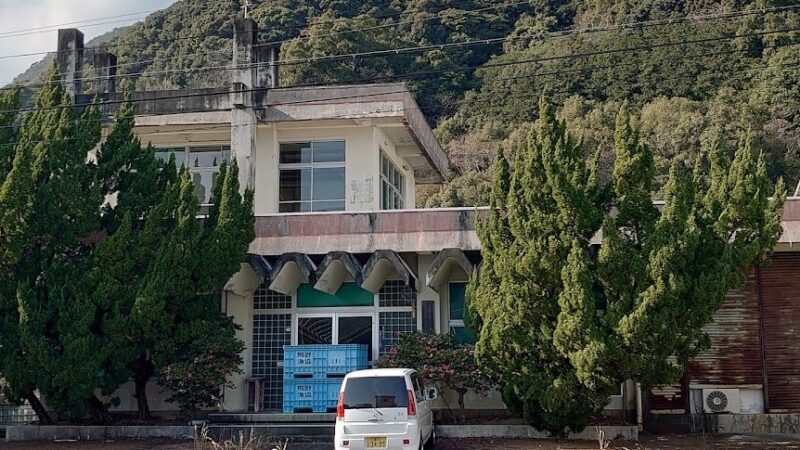
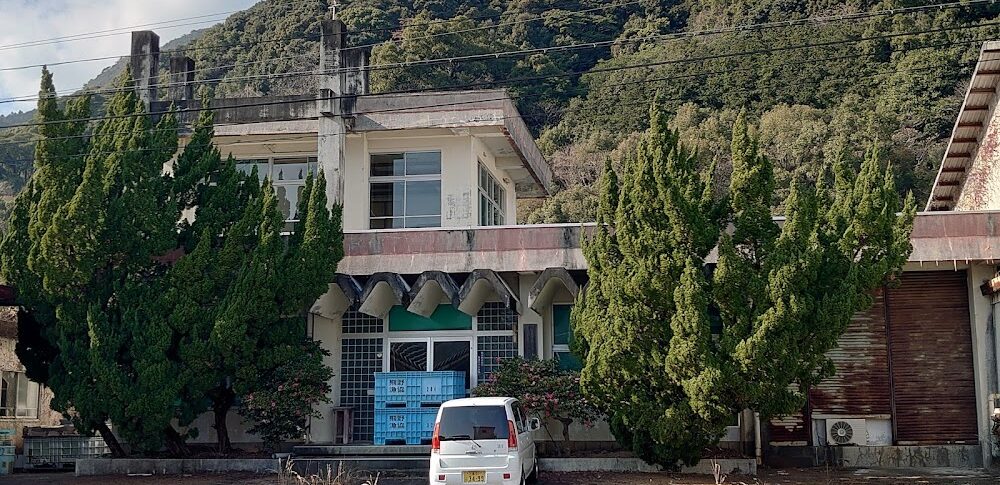
The most important spot for pilgrimage is the former Hatasu Elementary School. This closed school served as the model for Namiji Junior High School where Hikari and friends attended, as well as the land-based Mihama Junior High School.
Location: Hatasu-cho, Kumano City, Mie Prefecture
Features: The wooden school building standing on a hill facing the sea perfectly recreates the atmosphere from the series. You can tour while comparing anime scenes with the exterior of the school building, the ocean view from the windows, and the schoolyard layout. Although currently closed, the building is preserved and exterior viewing is possible.
Important Notes: As this is private property and a managed facility, unauthorized entry onto the premises is strictly prohibited. While photographing the exterior is permitted, be mindful of local residents and observe proper etiquette when visiting.
Atashika Beach (Atashika Swimming Beach)
Atashika Beach, selected as one of the “100 Best Beaches in Japan,” is a beautiful beach that appears in important scenes in the series. The contrast between the emerald green sea and white sand is impressive.
Location: Atashika-cho, Kumano City, Mie Prefecture
Highlights:
- Ocean view from the breakwater (model for scenes where Hikari and friends talk)
- Beautiful panorama of the entire coastline
- Magical scenery at dusk
Access: Approximately 20 minutes by Mie Kotsu bus from Kumano City Station, get off at “Atashika” bus stop
Around Atashika Beach, there is also Sayamart (model for the convenience store in the series), which you can visit as an actual operating store. Since it’s run by locals, please be courteous when shopping.
Atashika Port & Breakwater
The breakwater at Atashika Port is an important location that appears many times in the series. It served as the stage for memorable scenes such as conversations between Hikari and Manaka, and scenes of Miuna gazing at the sea.
Photo Points:
- Composition looking at the sea from the tip of the breakwater
- Angle of sitting on the breakwater gazing at the sea
- View overlooking the entire port from the high ground
Safety Notes: The breakwater is extremely dangerous on days with high waves or bad weather. Always check the weather and visit with safety in mind.
Nikishima Bay & Nikishima Port
The Nikishima district is an area characterized by intricate bay topography. It’s considered one of the image sources for the underwater village in the series.
Location: Nikishima-cho, Kumano City, Mie Prefecture
Features: Complex coastlines characteristic of rias coasts and quiet fishing village scenery spread out. The harmony of mountains surrounding the bay and the sea is beautiful, and you can feel the atmosphere of the work’s world.
Access: Approximately 30 minutes by Mie Kotsu bus from Kumano City Station, get off at “Nikishima” bus stop
Ōdomari Beach & Ōdomari Port
The Ōdomari district is also an important location model from the series. Particularly the coastal road and port scenery match anime scenes.
Highlights:
- Coastal road (model for scenes where characters walked)
- Port scenery
- Quiet atmosphere unique to fishing villages
Onigajo
Onigajo, designated as a National Place of Scenic Beauty and Natural Monument, served as the model for impressive rocky shore scenes in the series.
Location: Kimoto-cho, Kumano City, Mie Prefecture
Features: The powerful scenery created by rough rock surfaces and waves allows you to fully appreciate nature’s sculptural beauty. Walking paths are maintained for safe viewing.
Access: Take Mie Kotsu bus from Kumano City Station to “Onigajo Higashiguchi,” about 5 minutes walk
Time Required: About 1 hour to complete the walking path circuit
Spots in Kii-Nagashima District, Kihoku Town
In Kii-Nagashima district of Kihoku Town, adjacent to Kumano City, there are also several pilgrimage spots.
Akabane Railroad Crossing
This is the model for the railroad crossing appearing in the series. It’s an actual JR Kisei Line crossing where you can see trains passing.
Location: Kii-Nagashima district, Kihoku-cho, Kitamuro-gun, Mie Prefecture
Photo Point: The composition photographing the crossing head-on matches the anime scene.
Kiryu Shipyard
This is an actual shipyard that served as the model for shipyard scenes. As it’s private property, only exterior viewing is permitted.
Note: Since this is an operating facility, consideration is needed to not interfere with business operations.
Cafés & Restaurants
Restaurants you can stop by during your pilgrimage are also important points.
Umi Hikari: A café near Kumano City Station that has become a gathering place for “Nagi no Asukara” fans. Work-related goods displays and collaboration menu items are sometimes offered.
Business Hours: Varies by establishment, so advance confirmation is recommended.
Efficient Pilgrimage Route Plans
1-Day Course (Using Public Transportation)
Here’s an efficient route for pilgrimages using only public transportation.
9:00 Arrive at Kumano City Station
- Arrive at Kumano City Station by Limited Express Nanki or local train
- Obtain latest information and maps at Kumano City Tourist Information Center
- Check collaboration goods at Kumano City Station specialty product hall
10:00 Bus to Atashika Area
- Travel to Atashika area by Mie Kotsu bus
- Collaboration-wrapped buses may be operating
10:30 Atashika Beach Area
- Photography at Atashika Beach
- Tour of Atashika Port & breakwater
- Visit Sayamart
- Time required: approximately 2 hours
13:00 Lunch
- Lunch in Atashika district or around Kumano City Station
14:00 Hatasu District
- Travel to former Hatasu Elementary School by bus or taxi
- Time required: approximately 1 hour
15:30 Nikishima/Ōdomari Area
- Travel to Nikishima area by bus
- Tour Nikishima Bay and Ōdomari Beach
- Time required: approximately 1.5 hours
17:00 Return to Kumano City Station
- Time adjustment needed if stopping at Onigajo
2-Day Course (Using Rental Car)
Using a rental car allows you to efficiently visit more spots.
Day 1:
- Morning: Around Kumano City Station, Onigajo
- Afternoon: Atashika Beach area, Hatasu district
- Evening: Nikishima/Ōdomari districts
- Overnight: Kumano City or nearby hot spring area
Day 2:
- Morning: Kii-Nagashima district, Kihoku Town (Akabane crossing, shipyard, etc.)
- Afternoon: Revisit missed spots, souvenir shopping
Bicycle Usage Recommendation
Rental bicycles are also available around Kumano City Station. On days with good weather, pilgrimage by bicycle is also refreshing. However, due to terrain with many ups and downs, electric-assist bicycles are recommended.
Access Information
Transportation to Kumano City
Train Access
From Nagoya Direction:
- About 3 hours 30 minutes by JR Limited Express “Nanki”
- Nagoya Station → Kumano City Station (direct)
From Osaka/Kyoto Direction:
- JR Limited Express “Kuroshio” to Kii-Tanabe Station, transfer to local train to Kumano City Station
- Travel time: approximately 4-5 hours
From Tokyo Direction:
- Shinkansen to Nagoya Station, transfer to Limited Express “Nanki”
- Travel time: approximately 5-6 hours
Car Access
From Nagoya Direction:
- Via Ise Expressway/Kisei Expressway, about 2 hours 30 minutes
- Kisei Expressway “Kumano Ōdomari IC” is nearest
From Osaka Direction:
- Via Hanwa Expressway/Kisei Expressway, about 3 hours 30 minutes
Transportation Within the City
Route Buses
Mie Kotsu route buses connect major pilgrimage spots. However, since frequency is limited, checking timetables in advance is important.
Main Routes:
- Kumano City Station ⇔ Atashika direction
- Kumano City Station ⇔ Nikishima direction
Note: Some routes have reduced frequency on weekends and holidays.
Taxis
There is a taxi stand in front of Kumano City Station. Consider using taxis if bus times don’t match or you want to tour efficiently.
Rental Cars
There are rental car shops around Kumano City Station. Advance reservations are recommended.
Latest Collaboration Information (2025)
Nagi no Asukara × Kumano City 2025 Collaboration Initiatives
New collaboration initiatives have been implemented since January 25, 2025. The 10th anniversary commemorative event in 2024 saw over 1,500 fans visit, creating great excitement.
Main Collaboration Content:
- Character panels installed at various locations throughout the city
- Original goods sales
- Collaboration café menu offerings
- Digital stamp rally implementation
- Special design goshuin and stamps
Latest information is updated regularly on the Kumano City Tourism Association official website. Be sure to check before visiting.
Goods & Souvenir Information
At the Kumano City Station Specialty Product Hall, you can purchase “Nagi no Asukara” related goods and local specialty products. Limited goods have limited quantities, so early purchase is recommended.
Main Goods:
- Original clear files
- Character acrylic stands
- Postcard sets
- Can badges
- Tote bags
Pilgrimage Etiquette and Rules
Basic Etiquette
When enjoying pilgrimage sites, consideration for local residents is extremely important. Please be sure to follow this etiquette:
- No Trespassing on Private Property: Never enter prohibited areas such as the former Hatasu Elementary School
- Watch Noise Levels: Don’t speak loudly in residential areas, refrain from early morning/late night visits
- Always Take Trash Home: Taking trash home is essential to preserve beautiful scenery
- Follow Traffic Rules: Don’t obstruct vehicle traffic when photographing on roads
- Consideration for Operating Facilities: At operating stores like Sayamart, be careful not to interfere with business
Photography Precautions
- Portrait Rights Consideration: Be careful not to include local residents in photos
- Tripod Usage Consideration: Use in locations that don’t obstruct pedestrians or vehicles
- Drone Photography: Often requires permission, so prior confirmation is essential
- Beach Photography: Be careful of waves and tides, prioritize safety
Contributing to the Local Community
When making pilgrimages, be conscious of contributing to the local economy.
- Eat at local restaurants
- Purchase souvenirs at local shops
- Use accommodations within the city
- Also visit local tourist facilities
Such actions lead to continued collaborations and maintenance of pilgrimage sites.
Tips for Enjoying Pilgrimages More
Items to Prepare
Essential Items:
- Smartphone (map app, camera function)
- Anime screenshots or comparison images
- Comfortable walking shoes (many slopes and stairs)
- Beverages (some areas have few vending machines)
- Sunscreen, hat (summer)
- Cold weather gear (winter)
Useful to Have:
- Mobile battery
- Binoculars (for checking distant views)
- Pilgrimage notebook (for visit records)
- Spare SD card
Best Seasons
Spring (March-May):
- Mild climate optimal for pilgrimage
- Especially beautiful during cherry blossom season
Summer (June-August):
- Swimming season when the sea is most beautiful
- Can also swim at Atashika Beach
- Heatstroke countermeasures essential
Autumn (September-November):
- Comfortable climate
- Beautiful contrast of mountains and sea during autumn foliage season
Winter (December-February):
- Fewer tourists, can tour leisurely
- Winter sea also has charm
- Cold weather countermeasures necessary
Surrounding Tourist Spots
Spots to visit along with pilgrimage sites:
Kumano Kodo: World Heritage pilgrimage routes
Hana no Iwaya Shrine: One of Japan’s oldest shrines
Shishi-iwa (Lion Rock): Symbolic strange rock of Kumano City
Maruyama Senmaida: One of Japan’s largest terraced rice fields
Kumano Hongu Taisha: One of the Kumano Sanzan (in neighboring Wakayama Prefecture)
Interaction with Fan Communities
Information Sharing on Social Media
When sharing your pilgrimage on social media, use these hashtags:
- #凪のあすから (Nagi no Asukara)
- #凪あす (Nagiasu)
- #聖地巡礼 (Seichi Junrei – Pilgrimage)
- #三重県熊野市 (Kumano City, Mie Prefecture)
- #凪のあすから聖地 (Nagi no Asukara Pilgrimage Site)
You can also reference other fans’ pilgrimage reports on Twitter, Instagram, TikTok, etc.
Meetup & Event Information
“Nagi no Asukara” related events are regularly held in Kumano City. Participating in official collaboration events or fan-organized meetups allows you to enjoy the work more deeply.
Follow the Kumano City Tourism Association official website and fan community social media accounts to check latest information.
Accommodation Information
Accommodations in Kumano City
Hotels:
- Business hotels around Kumano City Station
- Budget: approximately ¥5,000-8,000 per night
Guesthouses/Pensions:
- Guesthouses with ocean views scattered around Atashika Beach
- Can enjoy cuisine using local ingredients
- Budget: approximately ¥8,000-12,000 per night with 2 meals
Hot Spring Ryokan:
- Iruka Onsen and other nearby hot spring areas also available
- Budget: approximately ¥12,000-20,000 per night with 2 meals
Reservation Points
- Early reservations essential during event periods due to crowds
- Particularly difficult to book on weekends and holidays
- Check cancellation policies before reserving
Summary: Making Your Pilgrimage Successful
Kumano City, Mie Prefecture, the pilgrimage site for “Nagi no Asukara,” is a special place where beautiful nature and the work’s worldview magnificently merge. Use the information introduced in this article to realize a fulfilling pilgrimage.
Success Points:
- Check bus timetables and facility operating hours in advance
- Prepare clothing and equipment according to weather
- Don’t forget consideration for local residents
- Set schedules with time to spare
- Check latest collaboration information
Please enjoy a memorable pilgrimage journey while fully appreciating Kumano City’s beautiful sea and the worldview of “Nagi no Asukara.” By visiting with love for the work and respect for the local area, you should gain deeper emotion.
Through pilgrimage, discover new charms of the work and also enjoy interaction with fans who love the same work. Kumano City, Mie Prefecture is an attractive pilgrimage site where new discoveries await no matter how many times you visit.