
Summer Wars Sacred Site Pilgrimage Complete Guide | A Journey Through Filming Locations in Ueda City, Nagano Prefecture
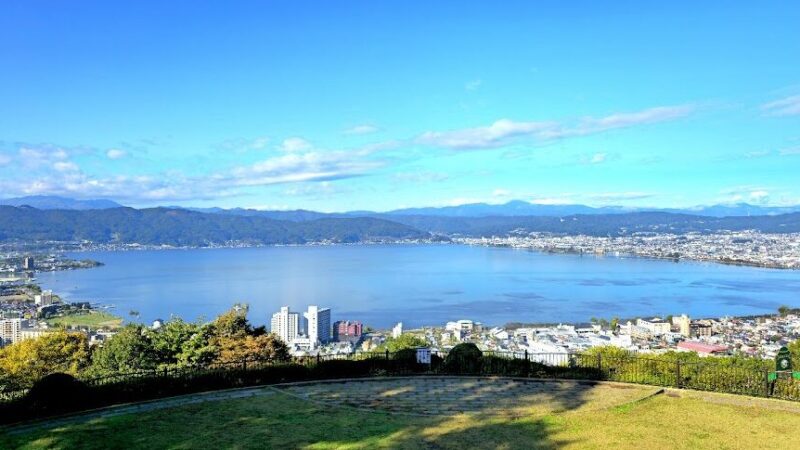
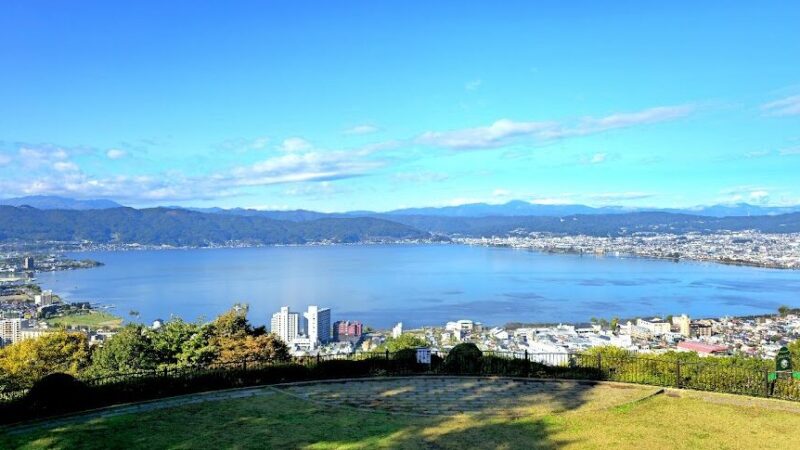
Director Mamoru Hosoda’s acclaimed animated film “Summer Wars” is set against the beautiful scenery of Shinshu, centered around Ueda City in Nagano Prefecture. This article provides detailed location information, access methods, and recommended pilgrimage routes for fans who want to visit the sacred sites featured in the film.
The Relationship Between Summer Wars and Ueda City, Nagano Prefecture
“Summer Wars,” released in 2009 and directed by Mamoru Hosoda, is a full-length animated film that tells the story of Kenji Koiso, a high school student who visits the countryside of Nagano Prefecture during summer vacation, and together with his senior Natsuki Shinohara, faces a crisis in the virtual world OZ.
Why Ueda City Became the Setting
When depicting the landscape of traditional large Japanese families, director Mamoru Hosoda chose Ueda City for its abundant natural environment and historic streetscapes. Ueda City is also known as a place connected to the Sanada clan, making it a perfect setting for the Jinnai family’s samurai lineage depicted in the film.
The film’s art director, Yoji Takeshige, actually conducted research around Ueda City, and the background art of the film was created based on these landscapes and buildings. Therefore, many of the landscapes featured in the film are modeled after real locations.
Major Sacred Site Pilgrimage Spots
1. Ueda Castle Ruins Park
Film Appearances
The park appears in scenes where Kenji and Natsuki head to Ueda by train at the beginning of the film, and throughout the story as a symbol of Ueda.
Highlights
- The megastone called Sanada Stone
- Restored turrets and gates
- A famous cherry blossom spot that becomes the venue for the Senbon Zakura Festival in spring
- Historic sites connected to Sanada Yukimura
Access
About 12 minutes on foot from Ueda Station, or by bus to “Ueda Castle Ruins Park Entrance”
Address
2-chome Ninomaru, Ueda City, Nagano Prefecture
Admission
Free for the park (fee required for Ueda Castle Ruins Museum)
2. Ueda Electric Railway Bessho Line
Film Appearances
The railway is the model for the train that Kenji and Natsuki use to travel from Ueda Station to the Jinnai residence. The retro vehicles are depicted impressively.
Highlights
- Peaceful scenery typical of local railways
- Retro vehicles such as the round-window train (5000 series)
- A picturesque route running through farmland
Recommended Section to Ride
A approximately 30-minute journey from Ueda Station to the final stop of Bessho Onsen Station. The Yagisawa and Bessho Onsen stations along the way also convey the atmosphere of the film.
Fares
Ueda Station to Bessho Onsen Station: 590 yen for adults (one way)
3. Rural Area Modeled After the Jinnai Residence
The exterior of the Jinnai residence, which is the central stage of the film, and its surrounding environment are created by combining multiple locations within Ueda City. Rather than being modeled after a single house, the following areas are said to have been referenced.
Shioda Plateau (Shiodadaira) Area
A basin in the southeastern part of Ueda City, also called “Shinshu’s Kamakura.” This historic area features old houses and farmland, and is said to be the area most similar to the atmosphere around the Jinnai residence in the film.
- Settlements around Maeyama Temple
- Areas around Ikushima Tarushima Shrine
- Rural landscapes along the road to Bessho Onsen
Characteristics
- Scenic views surrounded by vast farmland and mountains
- Traditional Japanese houses scattered throughout
- Landscape similar to the mountain ranges visible from the veranda in the film
4. Bessho Onsen (Hot Spring) Town
Film Appearances
While direct appearances are limited, it is a place where fans can feel the atmosphere of the film as a tourist destination in Ueda City.
Highlights
- One of the oldest hot springs in Shinshu
- Kitamuki Kannon Hall
- Anraku Temple’s nationally designated cultural property, the octagonal triple-tiered pagoda
- Retro hot spring town atmosphere
Access
Exit at Bessho Onsen Station on the Ueda Electric Railway Bessho Line
5. Ueda Station Vicinity
Film Appearances
Ueda Station is modeled after the station where Kenji and Natsuki arrive.
Highlights
- Sanada Yukimura statue in front of the station
- Tourist information center (sacred site pilgrimage maps available)
- Souvenir shops
Services for Sacred Site Pilgrims
The tourist information center at Ueda Station occasionally distributes sacred site pilgrimage maps (availability varies depending on stock).
6. Ikushima Tarushima Shrine (Ikushima Tarushima Jinja)
Connection to the Film
This ancient shrine, one of Ueda City’s most representative, is said to have inspired the Shinto altar and religious elements of the Jinnai residence.
Highlights
- Main hall floating on a pond (designated important cultural property)
- Valuable cultural properties including takeda Shingen’s oath documents
- Mystical atmosphere of the grounds
Access
About 25 minutes by bus from Ueda Station, then 5 minutes on foot from the “Shimono-go” bus stop
Address
701 Shimonogo Nakaikenishi, Ueda City, Nagano Prefecture
7. Maeyama Temple (Zensanji)
Connection to the Film
An historic temple in the Shioda Plateau area, and the surrounding landscape is said to have been a reference for the film.
Highlights
- Nationally designated important cultural property triple-tiered pagoda (famous as an unfinished pagoda)
- Peaceful mountain village scenery
- Famous for autumn foliage
Access
About 10 minutes by taxi from Bessho Onsen Station on the Ueda Electric Railway Bessho Line
Recommended Model Courses for Sacred Site Pilgrimage
Day Trip Course (Approximately 6-8 hours)
9:00 AM Arrival at Ueda Station
- Obtain a sacred site pilgrimage map at the tourist information center
- Take commemorative photos around the station
9:30 AM Ueda Castle Ruins Park
- Duration: approximately 1 hour
- Explore the castle ruins and feel the atmosphere of the film
11:00 AM Move by Ueda Electric Railway Bessho Line
- About 30 minutes from Ueda Station to Bessho Onsen Station
- Enjoy farmland views from the train windows
11:30 AM Lunch at Bessho Onsen
- Duration: approximately 1 hour 30 minutes
- Explore the hot spring town and have lunch
1:30 PM Tour of Shioda Plateau Area
- Rental car or taxi recommended
- Visit Maeyama Temple and Ikushima Tarushima Shrine
- Drive through farmland
- Duration: approximately 2-3 hours
4:30 PM Purchase souvenirs around Ueda Station
- Shinshu soba, Sanada merchandise, etc.
5:30 PM Depart from Ueda Station
1-Night 2-Day Full Experience Course
Day 1
- Morning: Arrive at Ueda Station, explore Ueda Castle Ruins Park
- Afternoon: Travel to Bessho Onsen by Ueda Electric Railway Bessho Line
- Evening: Explore the hot spring town, visit Kitamuki Kannon shrine
- Night: Stay at Bessho Onsen
Day 2
- Morning: Visit the nationally designated important cultural property octagonal triple-tiered pagoda of Anraku Temple
- Afternoon: Thoroughly tour the Shioda Plateau area
- Evening: Shopping around Ueda Station
Access Information
From Tokyo Area
Using Shinkansen
- About 1 hour 30 minutes from Tokyo Station to Ueda Station by Hokuriku Shinkansen
- Fares: 5,390 yen for unreserved seats, 6,110 yen for reserved seats (regular season)
Using Highway Bus
- About 3 hours 30 minutes from Shinjuku to Ueda
- Fares: approximately 3,000 yen one way (varies by company)
Using Automobile
- About 2 hours 30 minutes via Kan-etsu Expressway and Joshin-etsu Expressway
- Get off at Ueda Sugadaira IC and head to the city center
From Nagoya Area
Using Train
- About 3 hours 30 minutes from Nagoya via Chuo Main Line and Shinonoi Line
- Or about 3 hours from Nagoya via Hokuriku Shinkansen (via Kanazawa)
Using Automobile
- About 3 hours via Chuo Expressway and Nagano Expressway
From Osaka Area
Using Train
- About 3 hours 30 minutes from Shin-Osaka via Hokuriku Shinkansen (via Kanazawa)
Using Automobile
- About 4 hours 30 minutes via Meishin Expressway and Chuo Expressway
Local Transportation
Ueda Electric Railway Bessho Line
This local railway is considered an essential item for sacred site pilgrimage. A 1-day free pass (1,200 yen) allows unlimited boarding and alighting, making it convenient.
Rental Car
A rental car is the most convenient way to efficiently tour the Shioda Plateau area. There are several rental car companies around Ueda Station.
Price Range
- Light vehicle: 5,000 yen per day and up
- Compact car: 6,000 yen per day and up
Rental Bicycle
Bicycles are available for rent around Ueda Station and Bessho Onsen Station. On nice days, touring rural scenery by bicycle is also recommended.
Price Range
- Regular bicycle: 500-1,000 yen per day
- Electric-assist bicycle: 1,500-2,000 yen per day
Taxi
A taxi is also an option when traveling with multiple people or when you want to use time efficiently. There is a taxi stand at Ueda Station.
How to Enjoy Sacred Site Pilgrimage and Etiquette
Photo Shooting Tips
Recommended Photography Spots
- Ueda Electric Railway Bessho Line vehicles (from the platform)
- Turrets and gates of Ueda Castle Ruins
- Shioda Plateau farmland (especially during rice ripening season)
- Bessho Onsen hot spring town
Photography Precautions
- Do not enter private property without permission
- Be considerate of local residents’ convenience
- Shoot in places that do not obstruct traffic
- Confirm surroundings before using a tripod
Sacred Site Pilgrimage Etiquette
Rules to Follow
- Do not approach or photograph private property and residential homes
- Always take trash with you
- Do not make loud noises
- Do not forget to greet local people
- Be careful not to interfere with farm work
Contributing to the Local Community
- Patronize local restaurants and cafes
- Purchase souvenirs at local shops
- Use hot spring facilities
Following these manners allows sacred site pilgrimage to continue in the future.
Best Seasons and Clothing
Spring (March-May)
Characteristics
- Ueda Castle’s thousand cherry blossoms bloom (mid-April)
- Temperatures begin to warm up, making it a comfortable season
Clothing
It can be chilly in the early morning and evening, so bring a jacket. Long-sleeved shirts are comfortable during the day.
Summer (June-August)
Characteristics
- The season depicted in the film
- Lush green farmland spreads throughout
- Various events such as Ueda Wasshoi take place
Clothing
Strong sunlight makes a hat, sunglasses, and sunscreen essential. However, due to the high elevation, it is not as hot as Tokyo.
Notes
The film is set during mid-August (Obon period), but tourist numbers increase, requiring early advance accommodation reservations.
Autumn (September-November)
Characteristics
- Golden rice ears are beautiful (September)
- Autumn foliage is at its best (late October to early November)
- Pleasant climate
Clothing
Long sleeves during the day; a light jacket or cardigan is reassuring for mornings and evenings.
Winter (December-February)
Characteristics
- Ueda Castle covered in snow is beautiful
- Fewer tourists, allowing quiet pilgrimage
- Hot springs are especially enjoyable
Clothing
Proper winter outerwear is necessary. Since snow can accumulate, choose non-slip shoes.
Notes
There is a possibility of road freezing, so when using a rental car, confirm winter tire installation.
Accommodation Information
Hot Spring Inns at Bessho Onsen
Characteristics
- Enjoy Shinshu’s oldest hot spring
- Ideal as a base for sacred site pilgrimage
- Variety from long-established inns to affordable accommodations
Price Range
1 night with 2 meals: approximately 10,000-30,000 yen
Recommended Points
Enjoy hot springs slowly while feeling the film’s atmosphere.
Business Hotels in Ueda City Center
Characteristics
- Close to Ueda Station with convenient access
- Affordable prices
- Dining districts nearby
Price Range
Room only: approximately 5,000-8,000 yen
Recommended Points
Ideal for those wanting to keep costs down or enjoy Ueda’s nightlife.
Guest Houses and Private Lodgings
Characteristics
- Homey atmosphere
- Opportunity to interact with local people
- Easy for solo travelers
Price Range
Room only: 3,000 yen and up; 1 night with 2 meals: 6,000 yen and up
Food and Dining Information
Shinshu Soba
Nagano Prefecture, including Ueda City, is famous for soba noodles. Be sure to try authentic Shinshu soba when on your sacred site pilgrimage.
Recommended Restaurants
- Long-established soba shops in Ueda City center
- Soba establishments around Bessho Onsen
- Hand-made soba restaurants in the Shioda Plateau area
Signature Dishes
- Zaru soba (chilled soba)
- Tororo soba
- Kurumi soba (walnut soba)
Shinshu Beef
High-quality beef from Nagano Prefecture. Enjoy it prepared various ways: yakiniku (grilled meat), steak, or sukiyaki.
Oyaki
A Nagano Prefecture regional dish consisting of vegetables or mountain plants wrapped in wheat flour dough and baked (or steamed). Available for purchase around Ueda Station and tourist sites.
Local Sake
Nagano is famous as a sake production area. There are several sake breweries around Ueda City where you can enjoy local sake.
Famous Brands
- Sanada Rokumonsen
- Iwashimizu
Also popular as souvenirs.
Bessho Onsen Specialties
Hot Spring Buns
Standard sweets of the hot spring town. Perfect for eating on the go.
Hot Spring Eggs
Hot spring eggs made using the heat of the hot spring have an exquisite creamy texture.
Souvenir Information
Summer Wars Related Merchandise
Summer Wars sacred site pilgrimage-related merchandise is sometimes sold at Ueda Station and information centers (availability varies by time period).
- Original postcards
- Sacred site pilgrimage maps
- Collaboration merchandise
Shinshu Standard Souvenirs
Shinshu Soba
Dried noodles and fresh soba are popular as souvenirs.
Nozawana Pickles
A representative pickle of Nagano Prefecture.
Apple-Related Products
- Apple juice
- Apple jam
- Apple pie
Oyaki
Frozen oyaki are popular souvenirs due to their portability.
Sanada Merchandise
Connected to Sanada Yukimura, merchandise featuring Sanada’s Twelve Famous Warriors and the six-coin motif is abundant.
Nearby Tourist Attractions
Sanada Clan History Museum
Location
2984-1 Honhara, Sanada Town, Ueda City, Nagano Prefecture
Highlights
A museum where you can learn about the history of three generations of the Sanada clan. It has become a popular tourist spot due to the influence of the historical drama “Sanada Maru.”
Access
About 40 minutes by bus from Ueda Station
Utsukushigahara Plateau
Characteristics
An approximately 2,000-meter elevation plateau with a 360-degree panorama. Cool even in summer, it is ideal for hiking.
Access
About 1 hour by car from Ueda City center
Karuizawa
Characteristics
A popular resort area about 1 hour by car from Ueda City. Many tourists visit it in combination with sacred site pilgrimage.
Access
About 40 minutes from Ueda Station to Karuizawa Station by Shinano Railway
Event Information
Ueda Wasshoi (Late July)
Ueda City’s largest summer festival, with dance parades and floats parading through the city. An event where you can feel the summer atmosphere of the film.
Ueda Castle Senbon Zakura Festival (Early to Mid-April)
Held when cherry blossoms around Ueda Castle Ruins Park are at their peak. Night cherry blossom illumination is beautiful, attracting many tourists.
Bessho Onsen Takenoyui Festival (Early June)
A traditional festival of Bessho Onsen in which the ritual of drawing hot water and offering it to a shrine is performed.
Sanada Festival (Late April)
A festival celebrating the Sanada clan, featuring samurai processions and battle reenactments.
Information Useful for Sacred Site Pilgrimage
Tourist Information Centers
Ueda City Tourism Hall
Address: 2-8-4 Ote, Ueda City, Nagano Prefecture
Phone: 0268-23-5408
Hours: 9:00 AM-5:00 PM
Summer Wars sacred site pilgrimage maps and Ueda City tourism pamphlets are available.
Wi-Fi Environment
Free Wi-Fi is available at Ueda Station and major tourist facilities. However, since signal strength may be weak in rural areas such as the Shioda Plateau, it is recommended to download maps in advance.
Restroom Information
Restrooms are available at major tourist spots, stations, and convenience stores. When touring farmland, it is recommended to use restrooms beforehand.
ATM and Currency Exchange
ATMs at convenience stores and banks are available around Ueda Station and the city center. Since ATMs are scarce around Bessho Onsen and the Shioda Plateau area, prepare cash in advance.
Medical Facilities
General hospitals and clinics are available in Ueda City center. In case of emergency, consult the front desk of your accommodation or the tourist information center.
History of Sacred Site Pilgrimage and Ueda City’s Initiatives
Since the release of “Summer Wars,” many anime fans have visited Ueda City for sacred site pilgrimage. Ueda City welcomes this trend and supports sacred site pilgrimage as part of tourism promotion.
Ueda City’s Initiatives
- Creation and distribution of sacred site pilgrimage maps
- Information provision at tourist information centers
- Hosting Summer Wars-related events (irregular)
- Promotion of anime tourism
Economic Effects
Anime sacred site pilgrimage significantly contributes to tourism promotion in rural areas. In Ueda City, visits by Summer Wars fans have brought economic benefits to the accommodation, food service, and retail industries.
Sacred Sites of Other Mamoru Hosoda Works
Other works by director Mamoru Hosoda are also modeled after real locations. Some fans visit them in combination with Summer Wars sacred site pilgrimage.
“The Girl Who Leapt Through Time”
Tokyo locations (Shimokitazawa, Kunitachi City, etc.) are the setting.
“Wolf Children Ame & Yuki”
Kamiji Town, Toyama Prefecture is the primary setting.
“The Boy and the Beast”
Tokyo Shibuya is one of the settings.
Conclusion: To Maximize Your Summer Wars Sacred Site Pilgrimage Experience
The Summer Wars sacred site pilgrimage is a precious opportunity to experience the world of the film in person. Ueda City’s beautiful nature, historic streetscapes, and warm-hearted people make the pilgrimage even more special.
Tips for a Successful Sacred Site Pilgrimage
- Prepare Thoroughly in Advance
Rewatch the film and make a list of places you want to visit.
- Allow Time in Your Schedule
Since Ueda City has many attractions, a schedule of at least 1-2 nights is recommended.
- Enjoy Local Culture
In addition to sacred site pilgrimage, enjoy Shinshu’s food, hot springs, and history.
- Follow Proper Etiquette
Be mindful of local residents and maintain respectful behavior.
- Choose a Season
While summer, the season depicted in the film, is ideal, spring cherry blossoms and autumn foliage are also recommended.
- Share on Social Media
Sharing your experience on social media allows you to interact with other fans (but be careful about personal information).
Spend special time immersed in the world of Summer Wars in Ueda City, Nagano Prefecture, where the film is set. It will surely become an unforgettable memory.
Ueda City, beyond being the setting for the film, boasts diverse attractions including the history connected to the Sanada clan, beautiful nature, and hot springs. It is hoped that through sacred site pilgrimage, you will discover the deep charm of this region.
Thank you, and have a wonderful trip!