TARI TARI Complete Sacred Sites Pilgrimage Guide to Enoshima, Kanagawa – From Wasou’s Home to Kamakura High School Station
“TARI TARI,” an original anime produced by P.A.WORKS that aired in 2012, is a touching work depicting the youth of high school students set in the Enoshima and Shonan area of Kanagawa Prefecture. The story of five friends—Sakai Wasou, Miyamoto Kurari, and Okita Sara, members of the choral club with occasional badminton practice—facing their respective worries and dreams while growing up captured the hearts of many fans.
This article details pilgrimage spots in the Enoshima area and surrounding Kamakura and Fujisawa regions, which are the sacred sites of TARI TARI. It covers access methods for actual visits, photography points, recommended pilgrimage routes, and information to maximize enjoyment of sacred site pilgrimage including local ways of enjoying the area.
The Stage of TARI TARI – The Charm of Enoshima and Shonan, Kanagawa Prefecture
The Relationship Between the Work and Its Setting
The stage of TARI TARI is the Shonan area centered around Fujisawa City, Kanagawa Prefecture. In particular, Enoshima frequently appears as a central stage in the work, and with the setting that the protagonist Sakai Wasou’s home is on Enoshima, various spots on the island are depicted in the story.
The scenery along the Enoshima Electric Railway (Enoden) line is also an important element of the work, and the coastline around Kamakura High School Station and the Enoden trains themselves appear in impressive scenes. The blue sky and sea of Shonan and historic town landscapes serve as stage props that color the youth drama of high school students.
Geography and Characteristics of Shonan and Enoshima
Enoshima is a land-tied island projecting into Sagami Bay, connected to the mainland by Enoshima Benten Bridge (Enoshima Ohashi). Within the island are tourist spots such as Enoshima Shrine, Enoshima Samuel Cocking Garden, and Enoshima Sea Candle (observation lighthouse), which attract many visitors throughout the year.
The Enoden connects Fujisawa Station to Kamakura Station via streetcar, and in sections running along the coastline, beautiful views of the Shonan sea can be enjoyed from the train windows. For TARI TARI sacred site pilgrimage, travel using the Enoden is both an efficient method and a way to experience the atmosphere of the work.
Major Sacred Sites in the Enoshima Area
Shima no Chaya Aburay – Model of Wasou’s Home
Basic Information
- Address: 2-5-8 Enoshima, Fujisawa City, Kanagawa Prefecture
- Business Hours: 10:00~sunset (varies seasonally)
- Closed: During rain
- Access: Approximately 20 minutes walk from Enoshima Benten Bridge, past Enoshima Shrine’s Okutsumiyu
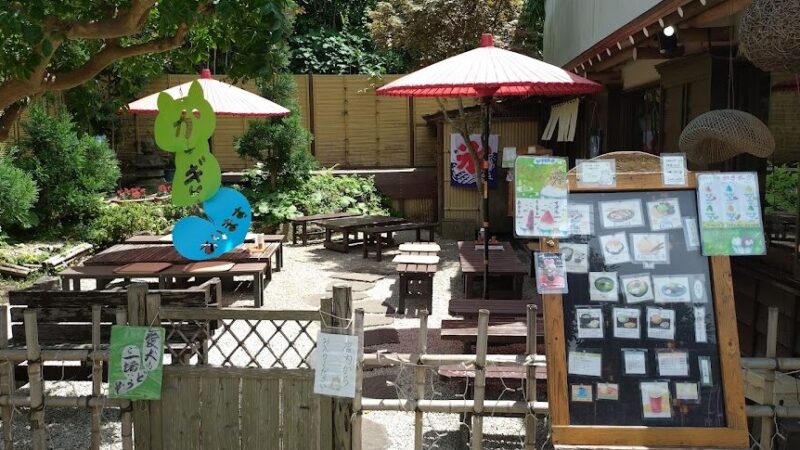
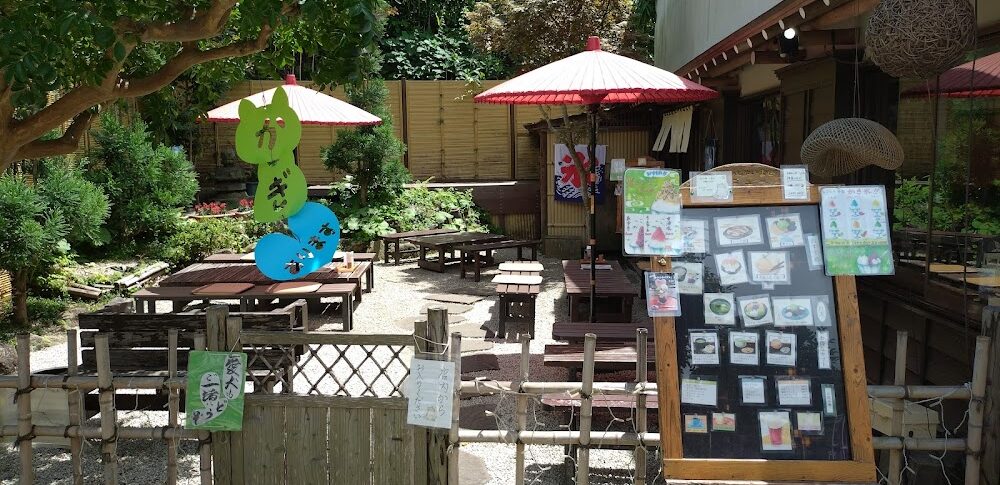
The most important spot in TARI TARI sacred site pilgrimage is “Shima no Chaya Aburay,” the model for the home of protagonist Sakai Wasou. Located at the rear of Enoshima, just before the stairs descending to Iwaya Cave, this traditional sweet shop uses a historical townhouse, wonderfully recreating the atmosphere of Wasou’s home in the story.
Inside the shop, isoshoku (coastal cuisine) and sweets can be enjoyed, with tokotenbashi (sago strips) and anmitsu (sweet bean paste with fruit) being popular menu items. The shop displays TARI TARI merchandise, illustrations, and messages left by fans, warmly welcoming pilgrims.
Photography Points
- Shop exterior: Full view from the stairs above, especially angles capturing the signboard and entire building
- Shop entrance: The entrance where Wasou came and went
- Surrounding alleys: The view from the direction of Enoshima Shrine’s Okutsumiyu
When visiting, it is important to obtain permission from the shop before photographing during business hours and to be considerate of other customers. If possible, it is recommended to enjoy food or sweets while leisurely immersing yourself in the world of the work.
Enoshima Shrine – Okutsumiyu and Chutsumiyu
Enoshima Shrine consists of three shrines: Hetsumiyu, Chutsumiyu, and Okutsumiyu. In TARI TARI, the area around Okutsumiyu in particular is depicted impressively. Okutsumiyu, located just near Aburay, has scenes of Wasou visiting in the story, and the views from the grounds are an excellent spot.
Points as a Sacred Site
- Okutsumiyu Main Hall: Where Wasou was praying
- View from Okutsumiyu: A spectacular spot overlooking Sagami Bay
- Shrine approach stairs: Stone steps where characters walked
Chutsumiyu also appears in the work and is visited by many worshippers as a central tourism spot for Enoshima. It is said to bring good fortune in matchmaking and is popular among young people wishing for love’s fulfillment.
Enomaru (Cafe) – Where Sarou and Kurari Visited
In the latter part of Episode 1, Okita Sara and Miyamoto Kurari visit a cafe called “Enomaru,” which is modeled after an actual Enoshima cafe. The atmosphere of slowly spending time while gazing at the sea overlaps with scenes from the work.
Shop Information
- Located on Enoshima island with sea views
- Terraced seating with attractive views
- Diverse light meals and drink menus
It is also ideal as a rest spot during sacred site pilgrimage, and stopping by during a break in exploring Enoshima is recommended.
Enoshima Benten Bridge (Enoshima Ohashi)
The Enoshima Benten Bridge, which appears multiple times in TARI TARI’s opening sequence and main story, is a symbolic place connecting the mainland and Enoshima. The full view of Enoshima seen while crossing the bridge and the seascape viewed from the bridge are important spots where one can experience the work’s world.
Photography Points
- The bridge entrance (mainland side) looking toward Enoshima
- Sea views from the middle of the bridge
- Enoshima entrance after crossing the bridge
Walking across takes about 10 minutes, and slowly walking while feeling the sea breeze allows a deeper appreciation of the work’s atmosphere.
Enoshima Samuel Cocking Garden and Enoshima Sea Candle
A botanical garden and observation lighthouse located on the middle of Enoshima also appear as backgrounds in the story. The Enoshima Sea Candle (observation lighthouse) in particular, as a landmark of Enoshima, can be confirmed in distant view scenes.
Highlights
- 360-degree panoramic views from the observation deck
- Views of the Shonan coast and Mount Fuji
- Beautiful scenery at dusk
By visiting as part of sacred site pilgrimage, one can develop a comprehensive understanding of the entire Enoshima that became the stage for the work.
Sacred Sites Along the Enoden Line
Around Kamakura High School Station – Impressive Coastline
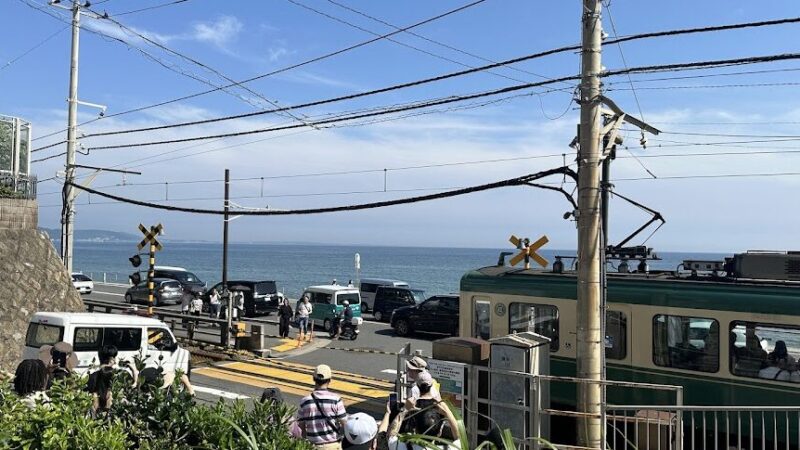
The coastal scenes that appear multiple times in TARI TARI are modeled on the area around Kamakura High School Station. This area where the Enoden’s railroad crossing intersects with the coastline is a popular pilgrimage spot also known as a sacred site for many anime works.
Characteristics as a Sacred Site
- Scenes with the Enoden crossing and seascape in the background
- Coastline along National Route 134
- Views of the sea from the station platform
Access
- Get off at Enoshima Electric Railway Kamakura High School Station
- About 10 minutes from Enoshima Station
When photographing, be aware of safety due to heavy traffic on the roadside, and be considerate of local residents and other tourists.
Around Shichirigahama Station
The area around Shichirigahama Station, which also appears in the work, has a beautiful coastline. The road from the station to the coast and the scenery along National Route 134 are depicted in the work.
Recommended Points
- The slope from the station to the coast
- Shichirigahama beach and seascape
- A spot with beautiful sunset views
Enoshima Station
Enoshima Station, which the protagonists use for commuting in TARI TARI, is an ideal starting point for sacred site pilgrimage. The station building and surrounding scenery also appear in the story and serve as an important gateway to Enoshima.
Station Area Points
- Exterior of Enoshima Electric Railway Enoshima Station
- Station plaza and shopping street
- Road toward Enoshima
Odakyu Line’s Katase-Enoshima Station is also nearby, providing abundant access options.
Sacred Sites in the Kamakura Area
Jōchi-ji Temple – Model of Sarou’s Home
The model for Okita Sara’s family home is Jōchi-ji Temple, which holds high status second only to the Five Great Temples of Kamakura. This historically significant Zen temple founded in the Kamakura period has an atmosphere that matches the setting of Sara’s home in the story.
Basic Information
- Address: 1402 Yamanouchi, Kamakura City, Kanagawa Prefecture
- Viewing Hours: 9:00~16:30
- Viewing Fee: 200 yen
- Access: About 8 minutes walk from JR Kita-Kamakura Station
Highlights
- Historic mountain gate and stone stairs
- Tranquil grounds wrapped in silence
- Beautiful bamboo groves and garden landscapes
Jōchi-ji Temple has relatively few tourists and allows for leisurely worship. You can feel the atmosphere of Sara’s home while experiencing Kamakura’s history and culture.
Around Kamakura Station
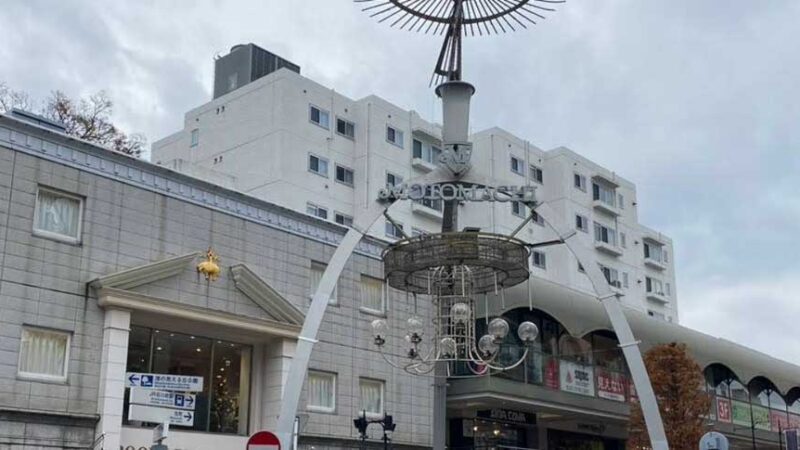
The area around Kamakura Station, the terminus of the Enoden, also has scenes that appear in the work. The lively atmosphere in front of the station and shopping streets such as Komachi-dori are spots that can be enjoyed during breaks in sacred site pilgrimage.
Efficient Sacred Site Pilgrimage Routes
Basic Route in One Day (Enoshima-Centered)
Morning (9:00~12:00)
- Arrival at Enoshima Station (9:00)
- Walk across Enoshima Benten Bridge (9:10~9:20)
- Visit Enoshima Shrine’s Hetsumiyu and Chutsumiyu (9:30~10:00)
- Enoshima Samuel Cocking Garden and Sea Candle (10:10~10:40)
- Enoshima Shrine Okutsumiyu (10:50~11:10)
- Arrival at Shima no Chaya Aburay (11:20)
Lunch (12:00~13:00)
- Lunch at Aburay or other island restaurants
Afternoon (13:00~17:00)
- Enoshima Iwaya Cave (13:00~13:40) *Optional
- Rest at Enomaru and other cafes (14:00~14:40)
- Depart Enoshima and travel by Enoden (15:00)
- Get off at Kamakura High School Station, photograph coastline (15:20~16:00)
- Explore around Shichirigahama Station (16:20~17:00)
Comprehensive Route Over Two Days
Day 1: Enoshima Focus
- Leisurely explore all Enoshima spots
- Views from Enoshima Sea Candle at dusk
- Dinner on the island
Day 2: Enoden Line and Kamakura
- Morning: Kamakura High School, Shichirigahama, and other Enoden line areas
- Afternoon: Temple and shrine tours in Kamakura such as Jōchi-ji
- Shopping and dining around Kamakura Station
Optimal Times for Photography
Morning (9:00~11:00)
- Enoshima is relatively uncrowded
- Easy to photograph with front lighting
- Can coordinate with shop opening times
Evening (16:00~18:00)
- Beautiful sunset over the coastline
- Can photograph Enoden with dusk
- However, this is also a busy time
Access Methods and Transportation
Access from Tokyo Area
By Train
- Using JR Tokaido Line/Shonan-Shinjuku Line
- Shinjuku Station → Fujisawa Station (about 60 minutes)
- Transfer to Enoden at Fujisawa Station → Enoshima Station (about 10 minutes)
- Using Odakyu Line
- Shinjuku Station → Katase-Enoshima Station (Limited Express about 60 minutes)
- About 10 minutes walk from Katase-Enoshima Station to Enoshima
Recommended Tickets
- Enoden All-Day Pass “Noriori-kun”: 800 yen
- Unlimited rides on entire Enoden line
- Perfect for sacred site pilgrimage
- Odakyu “Enoshima/Kamakura Free Pass”: 1,640 yen (from Shinjuku)
- Odakyu round trip + Enoden unlimited + facility discounts
Access by Car
Using Expressways
- Tomei Expressway Atsugi IC → About 30 minutes via National Route 134
- Shin-Shonan Bypass Chigasaki Kaigan IC → About 15 minutes via National Route 134
Parking Information
- Multiple paid parking lots around Enoshima
- Early arrival recommended on holidays as it gets congested
- Fees: About 1,000~2,000 yen per day
As a caution, the Enoshima area becomes extremely crowded during summer and holidays, so using public transportation is strongly recommended.
How to Enjoy Sacred Site Pilgrimage and Etiquette
Preview the Work Before Visiting
To maximize enjoyment of sacred site pilgrimage, it is important to view TARI TARI beforehand. Matching scenes that appear in each episode with actual locations deepens understanding of the work and multiplies the emotional impact.
Recommended Preparations
- View all 13 episodes
- Save screenshots of impressive scenes
- Create a list of locations that appear
- Mark major spots on map apps
Photography Etiquette
Photographing is one of the main pleasures of sacred site pilgrimage, but it is important to follow these guidelines:
Basic Etiquette
- Do not enter private property without permission
- Obtain permission before photographing at operating businesses
- Be considerate so as not to disturb other tourists or local residents
- Strictly observe traffic rules (especially at crossings and on roads)
- Always take trash with you
Notes for Aburay
- Generally use the shop as a customer during business hours
- Obtain permission from staff before photographing inside
- Avoid long stays during busy times
- Remember to be considerate of other customers
Contribution to the Local Area
Sacred site pilgrimage also contributes to the local economy. When visiting, actively use local shops and build good relationships with the community, which is key to enjoying the sacred site for a long time.
Points for Enjoying the Local Area
- Taste Enoshima specialty shirasudon (whitebait rice bowl)
- Purchase local souvenirs
- Use island restaurants and sweet shops
- Enjoy other tourist spots in Enoshima and Kamakura
Seasonal Ways to Enjoy
Spring (March~May)
Spring, the season when the story of TARI TARI begins, is an ideal time for sacred site pilgrimage. The mild weather makes it easy to walk, and the island’s plants are beautiful.
Spring Highlights
- Cherry blossom season (late March~early April) in Kamakura
- Easy-to-walk weather for island exploration
- Beautiful fresh greenery at Enoshima Shrine
Summer (June~August)
Summer, when the main stage of the work takes place, is the season when you can most deeply experience the work’s atmosphere. However, it is also the period with the most tourists.
Ways to Enjoy Summer
- Beautiful contrast of blue sky and sea
- Lively atmosphere of beach season
- Summer festivals and events
Precautions
- Extremely crowded (especially weekends in July~August)
- Heat stroke prevention is essential
- Early morning visits are recommended
Fall (September~November)
Fall is also recommended for sacred site pilgrimage, with impressive scenes such as the cultural festival in the latter part of the work. You can explore without the summer crowds and in comfortable weather.
Autumn Appeal
- Beautiful autumn foliage at Kamakura temples and shrines
- Comfortable weather
- Beautiful sunset over the coastline
Winter (December~February)
A hidden gem season with few tourists where you can leisurely explore. The charm of winter includes clear air and good visibility of Mount Fuji.
Winter Appeal
- Leisurely exploration of Enoshima without crowds
- Views of Mount Fuji from Enoshima Sea Candle
- The solemn atmosphere of the winter sea
Nearby Accommodations and Gourmet Information
Recommended Accommodation Areas
Around Fujisawa/Enoshima
- Enoshima Island Spa (day-trip hot spring / accommodation)
- Business hotels around Fujisawa Station
- Inns around Katase-Enoshima Station
Around Kamakura
- Hotels around Kamakura Station
- Inns along Yuigahama and Zaimokuza coasts
Enjoying Shonan Gourmet
Enoshima Specialties
- Shirasudon: Fresh whitebait is in season from April~December
- Sazae’s tsubo-yaki: Offered at many island shops
- Enoshima Beer: Craft beer available
Recommended Shops
- Tobitcho: Popular whitebait cuisine restaurant
- Kai-saku: Full selection of seafood cuisine
- Shima no Chaya Aburay: Sweets and light meals
Preserving Memories of TARI TARI Sacred Site Pilgrimage
Photography Tips
Composition Techniques
- Research angles that recreate scenes from the work
- Be mindful of similar times of day and weather conditions
- Use wide-angle lenses to capture entire landscapes
Recommended Photography Equipment
- Smartphone photography is sufficient
- Single-lens reflex or mirrorless cameras offer higher quality
- Backup batteries are essential
Sharing on Social Media
Memories of TARI TARI sacred site pilgrimage can be shared on social media to connect with other fans.
Recommended Hashtags
- #TARITARI
- #TARITARI Sacred Site Pilgrimage
- #Enoshima
- #Sacred Site Pilgrimage
Creating a Pilgrimage Journal
Creating a pilgrimage journal recording visited locations, photos taken, and feelings can bring back the emotion when viewing it later. Whether digital or analog, keep memories in your own way.
The Appeal of the Work and Its Relationship to Sacred Sites
The Youth Depicted by TARI TARI
TARI TARI is a story of five young people in their final year of high school who face themselves and grow through choir. Each carries their own worries—Wasou’s sense of loss from losing her mother, Kurari’s impatience about not abandoning her dreams, Sara’s conflict about inheriting the family business—carefully depicted against the beautiful Shonan landscape.
The Meaning of Enoshima as a Stage
Enoshima is connected to the mainland by a bridge while remaining an independent island, a special space. This quality of Enoshima—”a place that is continuous with daily life yet somehow special”—functions perfectly as a stage for depicting the youth of high school students.
The setting that Wasou’s home is on Enoshima can be interpreted as symbolizing her inner loneliness while simultaneously conveying the openness of being surrounded by the sea. Visiting sacred sites allows one to viscerally understand such deep meanings in the work, which is the true appeal of sacred site pilgrimage.
Deepening Understanding of the Work Through Sacred Site Pilgrimage
Actually visiting Enoshima and Kamakura, walking the paths the characters walked, and seeing the views they saw greatly deepen understanding and attachment to the work. Physical experiences—the smell of sea breeze, the incline of hills, and the vastness of the sea—that cannot be felt through anime screens give three-dimensional understanding of the work’s world.
Particularly, experiences like eating at Aburay or climbing the stone steps of Enoshima Shrine are nothing less than experiencing Wasou and Sara’s daily lives. Through such experiences, new insights emerge about details of the work not noticed during viewing and deeper understanding of characters’ emotions.
Conclusion – What Can Be Gained from TARI TARI Sacred Site Pilgrimage
Enoshima and Shonan in Kanagawa Prefecture, sacred sites of TARI TARI, is a wonderful place to experience the world of the work. Visiting “Shima no Chaya Aburay,” the model for Wasou’s home, swaying on the Enoden while gazing at the coastline, and touring historic temples in Kamakura are invaluable memories for fans.
Sacred site pilgrimage is not merely tourism but an act of giving form to one’s love of a work and deepening understanding of it. Simultaneously, it is also a journey to enjoy the beautiful Shonan scenery, taste local culture and food, and make new discoveries.
Using the information provided in this article, please visit TARI TARI’s sacred sites and carve out a page of your own youth. The “melody of the heart” that Sakai Wasou and the others sang in the work will surely resonate in your heart alongside Enoshima’s scenery.
I hope that through sacred site pilgrimage, TARI TARI becomes an even more special work to you.