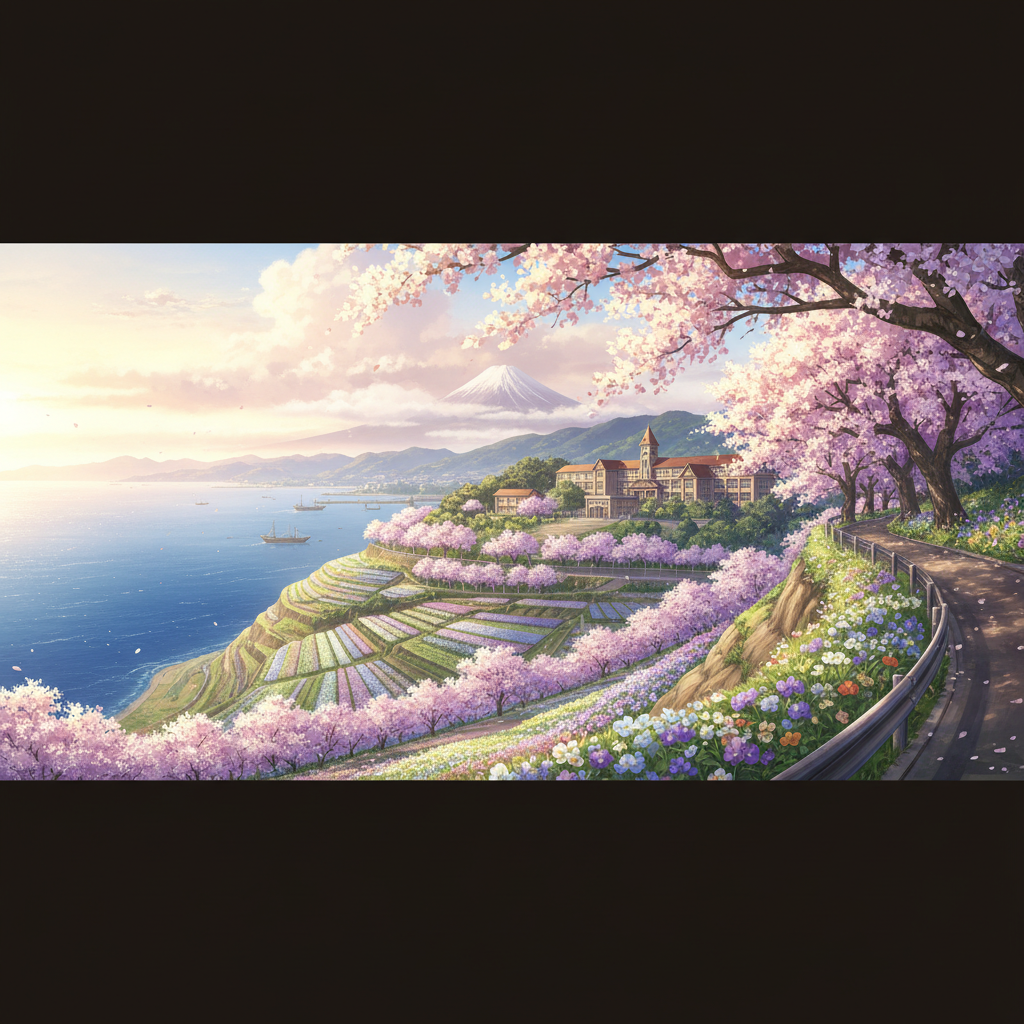
“Kaoru Hana wa Rin to Saku” Complete Kanagawa Prefecture Pilgrimage Guide | Thorough Explanation of Filming Locations and Model Sites
“Kaoru Hana wa Rin to Saku” is a popular shojo manga by Mika Sankami that was adapted into an anime in 2024, attracting many fans to visit pilgrimage sites. The story is set primarily in Kanagawa Prefecture, featuring numerous real beautiful locations in Yokohama, Kamakura, and other areas. This article thoroughly explains pilgrimage spots within Kanagawa Prefecture and provides detailed information to help fans enjoy a fulfilling pilgrimage trip.
What is “Kaoru Hana wa Rin to Saku”? Work Overview and Setting Background
“Kaoru Hana wa Rin to Saku” depicts a romance that transcends class differences between Wakuri Kaoruko, who attends a prestigious private girls’ school, and Tsumugi Rintaro, who works while attending evening high school. The story is primarily set in Kanagawa Prefecture, with the port town scenery of Yokohama, historic buildings, and the nature-rich landscapes of Kamakura coloring the world of the work.
The original manga is serialized in “Bessatsu Margaret” and has received high praise for its delicate psychological descriptions and beautiful background depictions. When it was adapted into anime in 2024, the faithful recreation of actual Kanagawa Prefecture scenery led to pilgrimage becoming popular among fans.
The reason Kanagawa Prefecture was chosen as the setting is its unique atmosphere where history and modernity coexist, the exotic charm characteristic of a port town, and the diverse regional characteristics symbolizing class disparity. The contrast between the area modeled after the prestigious girls’ school that Kaoruko attends and the downtown area where Rintaro works is effectively expressed through the multifaceted nature of Kanagawa Prefecture.
Yokohama Area Pilgrimage Spots
Yamate District | Model Location for Kaoruko’s School Surroundings
The Yamate district in Yokohama’s Naka Ward is considered the model for the area surrounding the prestigious girls’ school that Kaoruko attends. This area developed as a foreign settlement from the Meiji era and is still known as an upscale residential area dotted with Western-style buildings and churches.
Main Highlights:
- Yamate Western-style Buildings: Seven Western-style buildings including the Ehrismann Residence, Berrick Hall, and the Diplomat’s House are open to the public. You can experience the upper-class atmosphere that appears in the work.
- Harbor View Park: An observation spot overlooking Yokohama Port, used as the background for important scenes in the work.
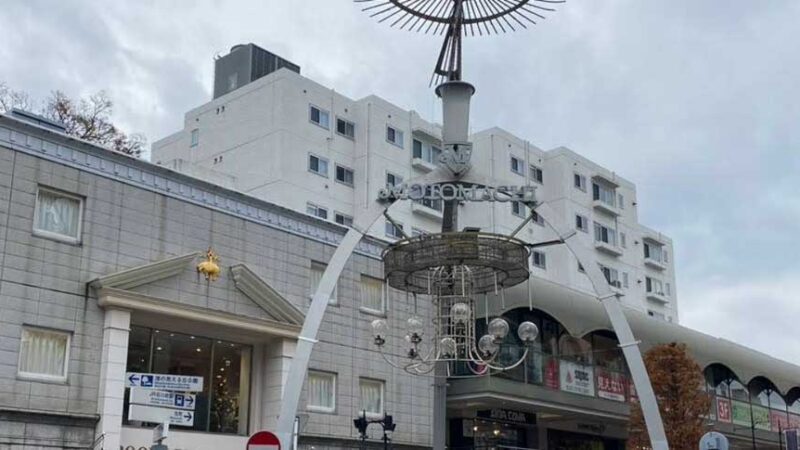
- Motomachi Shopping Street: A fashionable shopping street that Kaoruko would have visited with friends. Luxury boutiques and cafes line the street.
Access Information:
5 minutes on foot from “Motomachi-Chukagai Station” on the Minatomirai Line. Also within walking distance from JR Ishikawacho Station. As the Yamate district has many slopes, visiting in comfortable shoes is recommended.
Minato Mirai District | Setting for Date Scenes
Yokohama’s waterfront Minato Mirai district appears as the background for date scenes between Kaoruko and Rintaro. The landscape where modern high-rise buildings harmonize with historic structures symbolically expresses the changes in their relationship.
Pilgrimage Spots:
- Yokohama Red Brick Warehouse: Depicted as a place the two visited in the work. A tourist spot where you can enjoy shopping and gourmet food.
- Yokohama Landmark Tower: The night view from the observation floor “Sky Garden” was used in important scenes of the work.
- 汽車道 (Kishamichi Promenade): A promenade connecting Sakuragicho Station to Minato Mirai where you can stroll while viewing the sea. Considered the model for walking scenes in the work.
- Rinko Park: A park with vast lawns and ocean views. Appears in the background of conversation scenes in the work.
Visiting Points:
The time from dusk to night is especially recommended. This is when you can best feel the atmosphere of the work, with beautiful contrast between illuminated buildings and the sea.
Noge/Isezakicho | Model Location for Rintaro’s Living Area
The downtown areas of Yokohama, Noge and Isezakicho, serve as models for the area where Rintaro works and lives. The common atmosphere, contrasting with the Yamate district, visually expresses the work’s theme of class disparity.
Distinctive Spots:
- Noge Restaurant District: A restaurant district retaining a Showa-era retro atmosphere. Considered the image source for the restaurant where Rintaro works.
- Along Ooka River: Also known as a cherry blossom viewing spot, appears as a background expressing seasonal changes in the work.
- Isezaki Mall: A historic shopping street used for Rintaro’s daily shopping scenes and similar.
Pilgrimage Precautions:
This area is where many people actually live and work. When photographing or making pilgrimages, consideration should be given to avoid inconveniencing local residents.
Kamakura Area Pilgrimage Spots
Kamakura Coastline | Setting for Important Scenes
Kamakura’s coastline appears as the setting for important scenes where Kaoruko and Rintaro’s relationship deepens. The beautiful Shonan coastline serves as a symbolic background expressing their emotions.
Main Spots:
- Shichirigahama: A scenic spot overlooking Enoshima and Mt. Fuji. Used in impressive conversation scenes in the work.
- Inamuragasaki: A cape known for beautiful sunsets. Said to have influenced the work’s key visuals.
- Yuigahama: Setting for summer beach scenes. A coastline showing different expressions depending on the season.
Access:
Accessible on foot from each station on the Enoshima Electric Railway (Enoden). The nearest stations are Shichirigahama Station, Inamuragasaki Station, and Yuigahama Station. The Enoden itself is an important element appearing in the work.
Kamakura’s Ancient Temples and Shrines | Places Depicted as Spiritual Refuges
Kamakura’s historic temples and shrines appear in the work as places where characters visit seeking peace of mind.
Recommended Pilgrimage Spots:
- Tsurugaoka Hachimangu: A shrine representing Kamakura. Appears in New Year’s visit scenes and similar in the work.
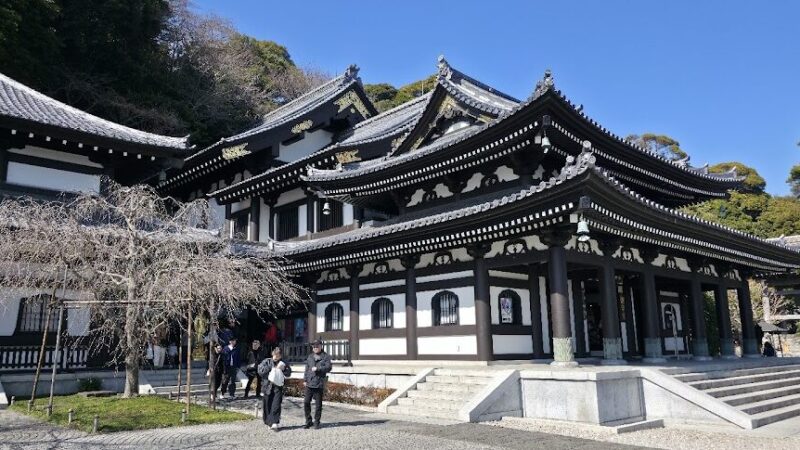
- Hasedera: An ancient temple famous for hydrangeas. The ocean view from the grounds is beautiful and used in the work’s backgrounds.
- Hokokuji (Bamboo Garden): A temple known for the beauty of its bamboo grove. The tranquil atmosphere is utilized in emotional scenes of the work.
Visiting Precautions:
Temples and shrines are religious facilities. Observe proper manners and act quietly. Many areas prohibit photography, so prior confirmation is necessary.
Along the Enoden Line | Symbolic Scenery of the Work
The Enoshima Electric Railway (Enoden) is an important motif that appears repeatedly in the work. The scenery of the streetcar running along the coast symbolizes the work’s worldview.
Photography Spots:
- Crossing near Kamakurakokomae Station: A famous photography spot where the Enoden passes with the ocean in the background. However, be careful of safety due to high traffic volume.
- Around Koshigoe Station: A section running on roads as a streetcar. The Showa-era retro atmosphere matches the work’s worldview.
- Gokurakuji Station: A charming station building selected for the Kanto Station 100. Appears in meeting scenes and similar in the work.
Enoden Riding Points:
Using the one-day pass “Noriorikun” (800 yen for adults) allows unlimited boarding. During crowded times, boarding may not be possible, so allowing time flexibility is recommended.
Other Kanagawa Prefecture Pilgrimage Spots
Miura Peninsula Area
The nature-rich scenery of the Miura Peninsula also appears in the work. The peaceful seaside scenery, different from urban Yokohama, adds depth to the story.
Notable Spots:
- Jogashima: An island at the southernmost tip of the Miura Peninsula. Considered the model for excursion date scenes in the work.
- Kannonzaki: A cape overlooking Tokyo Bay. The lighthouse and coastal scenery were used in the work’s backgrounds.
Kawasaki Area
Kawasaki City, where industrial zones and residential areas coexist, is also depicted as part of Rintaro’s living area.
Distinctive Places:
- Kawasaki Daishi: A famous temple crowded with New Year’s visitors. Appears in New Year scenes in the work.
- Lazona Kawasaki: A modern shopping mall. Background for everyday shopping scenes in the work.
Model Pilgrimage Courses
One-Day Yokohama-Kamakura Course
Morning: Yokohama Yamate Area
- 9:00 Start at Motomachi-Chukagai Station
- 9:30 View from Harbor View Park
- 10:30 Tour Yamate Western-style buildings
- 12:00 Lunch in Motomachi
Afternoon: Kamakura Area
- 13:30 Arrive at Kamakura Station
- 14:00 Visit Tsurugaoka Hachimangu
- 15:00 Take Enoden to Shichirigahama
- 16:00 Coastline walk
- 17:30 Sunset viewing
Two-Day Leisurely Course
Day 1: Complete Yokohama Exploration
- Morning: Yamate/Motomachi area
- Afternoon: Minato Mirai district
- Evening: Noge/Isezakicho stroll
- Night: Yokohama Port night view
Day 2: Kamakura/Enoshima Experience
- Morning: Kamakura temple and shrine tour
- Afternoon: Coastline travel by Enoden
- Evening: Enoshima sightseeing
- Night: Dinner around Kamakura Station
Practical Information for Pilgrimage
Transportation Access and Getting Around
Access from Major Stations:
- Tokyo Station to Yokohama Station: About 30 minutes on JR Tokaido Line/Keihin-Tohoku Line
- Yokohama Station to Kamakura Station: About 25 minutes on JR Yokosuka Line
- Shinjuku Station to Kamakura Station: About 60 minutes on JR Shonan-Shinjuku Line
Discount Tickets:
- Kamakura-Enoshima Free Pass: Unlimited JR and Enoden rides (700 yen for adults)
- Minato Burari Ticket: Convenient for touring Yokohama city tourist spots (500 yen for adults)
- Enoden One-Day Pass Noriorikun: Unlimited Enoden all-line rides (800 yen for adults)
Accommodation Information
Yokohama Area:
- The Minato Mirai district has many luxury hotels where you can enjoy night views
- Sakuragicho/Kannai area has ample business hotels with good cost performance
Kamakura Area:
- Guest houses renovated from old private homes offer atmospheric stays
- Around Enoshima, accommodations with ocean views are scattered
Seasonal Highlights
Spring (March–May):
- Cherry blossom trees along Ooka River (late March–early April)
- Cherry blossoms at Kamakura temples and shrines
- Mild climate ideal for strolling
Summer (June–August):
- Hydrangeas at Hasedera (June)
- Swimming at Yuigahama/Shichirigahama (July–August)
- Many summer festivals and events
Autumn (September–November):
- Autumn leaves in Kamakura (late November–early December)
- Good Mt. Fuji views due to clear air
- Food autumn, ideal for gourmet tours
Winter (December–February):
- Minato Mirai illuminations
- New Year’s visits (Tsurugaoka Hachimangu, Kawasaki Daishi, etc.)
- Beautiful night views due to clear air
Manners and Rules During Pilgrimage
Basic Precautions
- No Trespassing on Private Property: Even if places appear in the work, never enter private property or restricted areas.
- Consideration When Photographing: Keep photography brief to avoid inconveniencing other tourists and local residents. Judge tripod use based on surrounding conditions.
- Always Take Trash Home: To keep pilgrimage sites beautiful, always take your trash home.
- Be Mindful of Noise: In residential areas and quiet places, refrain from loud conversations and noise.
- Obey Traffic Rules: When photographing at crossings or roads, be very careful not to obstruct traffic.
Temple and Shrine Visiting Manners
- Bow before passing through torii gates or temple gates
- Purify hands and mouth at the temizuya (purification fountain)
- Walk on the sides of the approach path as the center is considered the path of the gods
- Check photography prohibited areas and follow rules
- Act quietly and don’t disturb other worshippers
Tips for Enjoying Pilgrimage More
Review the Work
By reviewing the original manga and anime before pilgrimage, you can better understand the importance and background of each spot. Visiting while recalling specific scenes doubles the emotion.
Bring Official Merchandise
Taking photos with official work merchandise makes for more memorable records. However, be considerate not to inconvenience those around you.
Gather Information on Social Media
Searching hashtags like “#KaoruHanawaRintoSakuPilgrimage” on Twitter or Instagram will reveal other fans’ visit records and new discoveries.
Enjoy Local Gourmet Food
Kanagawa Prefecture has abundant delicious gourmet food including Yokohama Chinatown, Kamakura’s shirasu-don, and Enoshima’s seafood. Along with pilgrimage, enjoy the region’s food culture.
Collect Temple Stamps
You can receive temple stamps at Kamakura’s temples and shrines. Bringing a stamp book as a pilgrimage memento is also recommended.
Nearby Tourist Spots
Introducing attractive Kanagawa Prefecture tourist spots to visit along with pilgrimage.
Yokohama Area
- Yokohama Chinatown: Japan’s largest Chinatown where you can enjoy authentic Chinese cuisine
- Sankeien Garden: A vast Japanese garden where you can enjoy scenery through the four seasons
- Cup Noodles Museum: An experiential food culture museum
Kamakura/Enoshima Area
- Enoshima: Enjoy views from the observation deck, Enoshima Shrine, and cave exploration
- Enoshima Aquarium: A popular aquarium centered on Sagami Bay creatures
- Kenchoji/Engakuji: Famous temples of the Kamakura Five Mountains where you can experience Zen culture
Summary: The Appeal of “Kaoru Hana wa Rin to Saku” Pilgrimage
Pilgrimage for “Kaoru Hana wa Rin to Saku” is not only an opportunity to experience the work’s worldview but also a journey to discover Kanagawa Prefecture’s diverse charms. Through the work, you can learn about various faces of Kanagawa Prefecture including Yokohama’s refined urban landscape, Kamakura’s history and nature, and the beauty of the coastline.
By actually walking the paths that Kaoruko and Rintaro walked and viewing the same scenery, your understanding of the work deepens and you can better empathize with the characters’ emotions. Also, interactions with fans who love the same work through pilgrimage is a great appeal of this journey.
Kanagawa Prefecture has good access from Tokyo and can be fully enjoyed on a day trip, but if you have time, staying overnight to experience the night views and quiet morning atmosphere is recommended. Please visit the pilgrimage sites multiple times to see different expressions each season.
Through pilgrimage, let’s embark on a journey to enjoy the world of “Kaoru Hana wa Rin to Saku” more deeply and rediscover the wonderfulness of Kanagawa Prefecture. Enjoy a memorable pilgrimage trip while not forgetting respect and manners toward the region.