The Origins of Lucky Star Holy Land Pilgrimage: The History of Washimiya Shrine in Kuki City, Saitama Prefecture and Regional Revitalization
Washimiya Shrine located in Washimiya, Kuki City, Saitama Prefecture holds an extremely important position in the history of Japanese anime tourism as a holy site for the anime “Lucky Star.” More than 18 years have passed since the anime’s broadcast began in 2007, yet this region continues to receive many fans and is recognized both domestically and internationally as the “holy site of holy sites” and the “birthplace of holy land pilgrimage,” serving as a success model for content tourism.
The Relationship Between Lucky Star and Washimiya Shrine
Overview of the Work
“Lucky Star” is an anime adaptation of a four-panel manga by Kagami Mizusawa, broadcast from April to September 2007. This work, which depicts the everyday lives of female high school students attending a school in Saitama Prefecture, depicts the casual conversations and school life of unique characters including protagonist Konata Izumi, twin sisters Kagami and Tsukasa Hiiragi, and Miyuki Takara, earning significant popularity as a late-night anime.
The setting of the work is composed primarily of multiple locations within Saitama Prefecture, with Washimiya in Kuki City (the surrounding area of the Hiiragi sisters’ home and Washimiya Shrine), Satte City (Konata’s home and the rice paddies from the opening), Kasuga City (the area around Konata’s school), and other real-world locations serving as models.
The Circumstances Behind Washimiya Shrine Becoming the Model
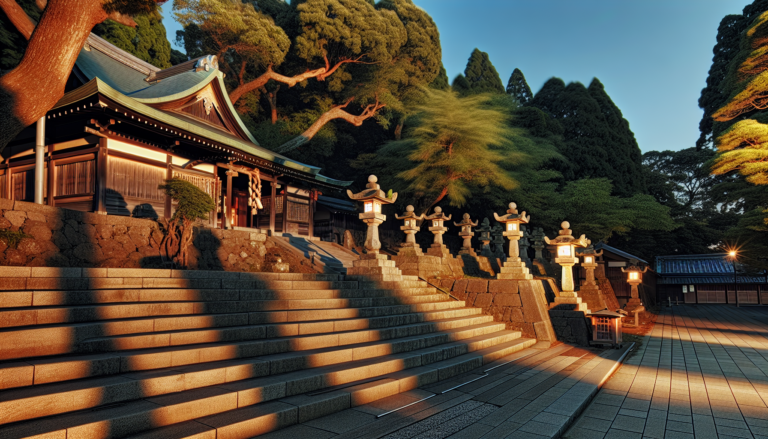
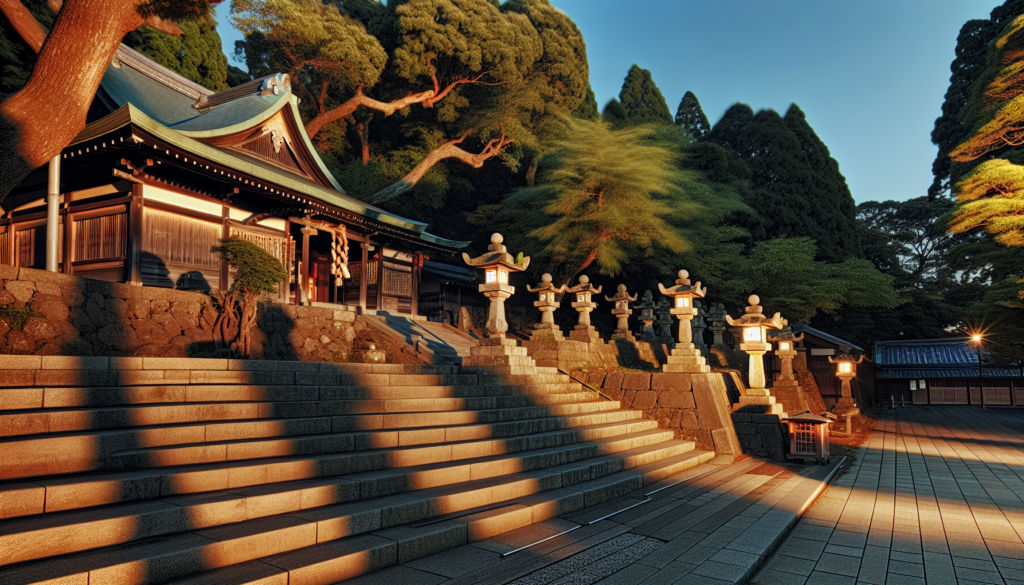
The “Takamiya Shrine” that appears in the work, set as the home of the Hiiragi sisters Kagami and Tsukasa, became a topic of discussion on the internet from the beginning of the broadcast due to its faithful recreation of Washimiya Shrine’s exterior and grounds. In the anime itself, the shrine’s torii gate, approach, and worship hall are depicted in detail, capturing viewers’ interest through the precision of the background art.
Washimiya Shrine is known as the oldest major shrine in the Kanto region and is also called the “original Otori Shrine.” The convergence of its historical value and the work’s setting created a special significance for fans.
The Development of Sacralization and Its Impact on the Region
The Early Holy Land Pilgrimage Boom
Beginning immediately after the anime’s broadcast start in 2007, anime fans from across the country began visiting Washimiya Shrine. At that time, the term “holy land pilgrimage” was not yet common, and the act of visiting the setting of an anime was beginning to be recognized as a new cultural phenomenon.
Fans took photographs at the shrine grounds, conducted “location hunting” to recreate the anime’s compositions, and shared their experiences online. This spontaneous fan activity became word-of-mouth information, drawing even more people to Washimiya.
The Dramatic Increase in New Year’s Visit Numbers
The most striking change at Washimiya Shrine was the increase in New Year’s visitors. Before 2007, the shrine received approximately 130,000 visitors during New Year’s, but after the anime’s broadcast, this number increased to approximately 300,000 in 2008, 420,000 in 2009, and 470,000 in 2010. This became the second-highest number of New Year’s visitors in Saitama Prefecture, following Hikawa Shrine, representing a dramatic change for the region.
This increase was not merely a temporary boom; it led to sustained visitor numbers thereafter, serving as a case study demonstrating the sustainability of anime holy land pilgrimage.
Economic Ripple Effects for the Region
The increase in New Year’s visitors had a significant impact on the economic activities of the entire Washimiya region. Restaurants, souvenir shops, and accommodations surrounding the shrine benefited, leading to the revitalization of the local shopping district. According to surveys by the Kuki Chamber of Commerce and Industry Washimiya Branch (formerly Washimiya Chamber of Commerce), related economic effects reached several hundred million yen.
Particularly notable is how local businesses actively began developing products and decorating storefronts for anime fans. The sale of Lucky Star merchandise, the development of food products featuring characters, and anime-related displays at shops increased the points of contact between the region and fans.
Collaborative Regional Development Between the Community and Fans
Initiatives by the Kuki Chamber of Commerce and Industry Washimiya Branch
One factor in the success of holy land pilgrimage in Washimiya was the region’s flexible and proactive response. The Kuki Chamber of Commerce and Industry Washimiya Branch viewed the visits of anime fans as an opportunity for regional revitalization and implemented various measures.
The chamber launched a regional development project utilizing “Lucky Star,” conducting activities that prioritized dialogue with fans. A characteristic feature was the consideration taken to avoid falling into unilateral commercialism while providing products and services that fans sought by listening to their voices.
The Birth and Continuation of the Lucky Star Portable Shrine
An undertaking that symbolizes collaboration between the region and fans is the “Lucky Star Portable Shrine” that began in 2008. During the Toshi Festival (Hajimatsuri) at Washimiya Shrine, a portable shrine decorated with anime characters was created, and fans and local residents carried it together, demonstrating a new form of holy land pilgrimage.
The construction costs of the shrine were covered by donations from fans, and its operation on the day was conducted with cooperation between fans and local residents. This activity transcended being merely an anime event and became established as a new regional culture that fused traditional festival culture with pop culture.
The Lucky Star Portable Shrine continues to this day as of 2025 and gathers many fans from across the country every September at the Toshi Festival. This continuity speaks to the true success of holy land pilgrimage in Washimiya.
The Establishment of Year-Round Events
Throughout the year, Lucky Star-related events are held in Washimiya. The main ones include the following:
New Year Lucky Star Merchandise Sale: From December 31st through January 3rd, members of the Kuki Chamber of Commerce and Industry and related parties sell Lucky Star merchandise. This has become a regular event where many fans visit in combination with New Year’s visits.
Hiiragi Sisters Birthday Event: On the characters’ birthdays in the work (July 7th), a commemorative event is held in early July each year. Limited merchandise sales and fan interaction events are held, with fans gathering from across the country.
Toshi Festival and Lucky Star Portable Shrine: During the Washimiya Shrine festival held in early September, the procession of the Lucky Star portable shrine takes place, allowing visitors to experience the fusion of regional traditional culture and anime culture.
These events enable ongoing relationship-building with fans throughout the year rather than serving as a one-time boom.
Points of Interest at Washimiya Shrine and Its Surroundings
The History and Significance of Washimiya Shrine
Washimiya Shrine is known as the oldest major shrine in the Kanto region, with its founding said to trace back to ancient times. Its principal deities are Amedori no Mikoto, Takehihadori no Mikoto, and Onmachi no Mikoto, and it has long been venerated as a deity of military good fortune, commercial prosperity, and good luck.
Known also as the “original Otori Shrine,” the Tori no Ichi market held on the Day of the Rooster in November is said to be the origin of Tori no Ichi markets throughout the Kanto region. This historical and cultural value, combined with its value as an anime holy site, attracts a diverse range of visitors.
Points of Interest Within the Grounds
Washimiya Shrine’s grounds contain numerous points of interest for both anime fans and general visitors alike.
Main Hall and Worship Hall: The dignified shrine buildings that appeared in the anime convey the beauty of traditional shrine architecture. Worship at the hall before the worship area becomes a special experience for fans.
Ema Wooden Plaques Hanging Area: Many wooden plaques with Lucky Star illustrations have been dedicated, and visitors can read fan messages. These plaques, inscribed with love for the work and memories of holy land pilgrimage, create the special atmosphere of this place.
Goshuin Stamps: In addition to regular goshuin stamps, Washimiya Shrine sometimes issues special Lucky Star-related goshuin stamps. These have become valuable items for collectors.
Holy Sites Around Washimiya Station
Along the approximately 10-minute walk from Washimiya Station on the Tobu Isesaki Line to Washimiya Shrine, locations that appeared in the anime and related facilities are scattered.
Washimiya Station: The station building, which appeared in the anime’s opening and ending themes, is the starting point of holy land pilgrimage. Anime-related decorations and posters may be displayed within the station and surrounding areas.
Washimiya Town Center: Along the approach from the station to the shrine lies the shopping district and scenery that appeared in the anime. Walking while comparing scenes with the work allows visitors to relive the daily lives of the characters.
Washimiya Post Office: The post office that appeared in the anime actually exists and has become a fan photography spot. The office may display Lucky Star-related exhibits during certain periods.
Kuki Chamber of Commerce and Industry Washimiya Branch: It serves as a sales point for Lucky Star merchandise, with many fans visiting during event times. Limited merchandise sales and exhibitions may be held on the second floor of the chamber building.
Kuki Municipal Government Washimiya Comprehensive Branch Office: This serves as the administrative center of the region and also provides Lucky Star-related information. It is convenient for obtaining tourism information and regional information.
Otori Teahouse Denden: An rest facility that opened in front of Washimiya Shrine in November 2018, serving oden and dengaku. It is ideal for rest and meals after worship, and also issues goshuin stamps.
Nationwide Impact and Recognition as “88 Anime Holy Sites Worth Visiting in Japan”
As a Pioneer of Anime Tourism
The successful case in Washimiya has had a major influence on anime holy land pilgrimages throughout Japan. The model of regional collaboration with fans to build sustainable relationships has been referenced by many municipalities and regional organizations.
Subsequent success cases such as Oarai Town in Ibaraki Prefecture with “Girls’ Last Tour” and Hida City in Gifu Prefecture with “Your Name” have learned much from Washimiya’s experience. The fundamental principles of local resident understanding and cooperation, respect for fans, and continuous communication represent the path shown by Washimiya.
Recognition as One of the “88 Anime Holy Sites Worth Visiting in Japan”
In 2018, Kuki City in Saitama Prefecture was recognized as a holy site for “Lucky Star” in the “88 Anime Holy Sites Worth Visiting in Japan” selected by the General Incorporated Association Anime Tourism Association. This recognition signified that the region’s regional revitalization efforts spanning more than 10 years had been officially evaluated.
Through selection to the Holy Sites 88, Washimiya became more widely recognized by anime fans both domestically and internationally, contributing to the promotion of inbound tourism. The number of international visitors has also increased, and the region has attracted attention as a unique tourist destination where Japanese pop culture and traditional culture converge.
Introduction by the Japanese Ministry of Foreign Affairs
Japan’s Ministry of Foreign Affairs has introduced the efforts of Washimiya and Lucky Star as a success case in regional revitalization. Under the title “From Zero to Legend,” it is evaluated as a pioneering model of regional activation through anime holy land pilgrimage, and from the perspective of international cultural exchange.
This case is positioned as part of Japan’s soft power diplomacy, contributing to the promotion of international understanding through anime culture.
Factors That Led to Success in Holy Land Pilgrimage
Understanding and Cooperation from Local Residents
The greatest factor in Washimiya’s success was that local residents warmly welcomed anime fans’ visits. Although there was initial bewilderment, understanding and cooperation gradually expanded as residents witnessed the fans’ good manners and respect for the community.
The good relationship between local residents and fans is based on mutual respect. Fans respect the shrine and regional culture, while local residents understand fans’ cultural activities. This mutual understanding became the foundation for a long-term relationship.
Flexible Response from the Chamber of Commerce
The flexible and prompt response of the Kuki Chamber of Commerce and Industry Washimiya Branch was also an important success factor. In responding to anime fans as a new visitor group, the chamber approached the situation without being bound by existing frameworks.
The attitude of emphasizing dialogue with fans and developing policies based on understanding their needs realized true fan service without falling into unilateral commercialism. This attitude led to trust and continued support from fans.
Spontaneous Fan Activity and Etiquette Awareness
The spontaneous activities and high etiquette awareness of fans were also important elements of success. Most fans visiting Washimiya had respect for the shrine and community and acted while observing etiquette.
By observing basic manners such as taking trash with them, being considerate of noise, and following regional rules, they avoided friction with local residents and built good relationships. Furthermore, fans themselves disseminated information and conducted etiquette awareness activities, with self-regulation within the community also functioning effectively.
Continuous Events and Communication
Preventing the boom from becoming temporary and maintaining ongoing events throughout the year while preserving communication with fans was key to success. The Lucky Star Portable Shrine, birthday events, merchandise sales, and other regular points of contact encouraged fans’ continued visits.
Information dissemination through social media and websites was also actively conducted, maintaining connections with fans from distant locations. This ongoing communication has led to the maintenance of a long-term fan base.
Washimiya Today and the Future
Current Situation as of 2025
As of 2025, more than 18 years have passed since the anime broadcast of Lucky Star began, yet many fans continue to visit Washimiya Shrine. During New Year’s, the festival, and various events, the area is particularly crowded, and its status as a holy site is now firmly established.
While acquisition of new fans is not as active as in the early years, existing fans who continue to love the work visit regularly, and younger generations who have newly encountered the work also visit the holy sites. In the present age when anime holy land pilgrimage culture has become generalized, Washimiya retains special significance as the “origin of holy sites.”
Collaboration with Other Holy Sites
The holy sites of Lucky Star are not limited to Washimiya but also exist in Satte City and Kasuga City. Cooperation between these regions is also progressing, with tours visiting multiple sites and joint events being planned.
Saitama Prefecture as a whole is putting effort into promoting anime tourism, with “Saitama the Anime Prefecture” branding efforts progressing as various work holy sites are scattered throughout the region.
Passing Down to the Next Generation
Passing down the holy land pilgrimage culture in Washimiya to the next generation is also an important task. Efforts are being made to convey the value of this cultural asset to the region’s younger generation and encourage their participation in ongoing activities.
Additionally, conveying the appeal of anime works themselves to new generations is important. Through providing viewing opportunities via streaming services and holding commemorative events, new encounters with works are being created.
A Guide to Enjoying Holy Land Pilgrimage
Access Methods
By Train: Get off at Washimiya Station on the Tobu Isesaki Line, approximately 10 minutes’ walk to Washimiya Shrine. Access from central Tokyo is possible in approximately one hour.
By Car: Approximately 15 minutes from “Kuki IC” or “Kazo IC” on the Tohoku Expressway. There are visitor parking lots near the shrine, but congestion is expected during event times, so the use of public transportation is recommended.
Precautions When Visiting
Manners at the Shrine: Washimiya Shrine is a historic shrine and is a place of faith before being an anime holy site. Observe proper shrine etiquette and be considerate not to disturb other visitors.
Photography: Photography within the grounds is basically permitted, but consideration is necessary during sacred rites and ceremonies. Also, be careful not to have other visitors appear in photographs.
Consideration for Local Residents: When passing through residential areas, be mindful of noise and do not trespass on private property. It is important to maintain respect for residents’ living spaces.
Recommended Times to Visit
New Year’s Period (December 31st – January 3rd): The busiest period, with Lucky Star merchandise sales held. This offers an opportunity to interact with many fans, but expect crowds.
Hiiragi Sisters’ Birthday Event (Early July): A special time for work fans, with limited merchandise sales and events being held.
Toshi Festival (Early September): A traditional festival where the Lucky Star portable shrine is carried in procession, allowing visitors to experience the fusion of regional and anime culture.
Quiet Weekdays: For those wishing to peacefully visit the shrine and explore the surroundings, visiting on weekdays without events is recommended.
Conclusion
The “Lucky Star” holy land pilgrimage in Washimiya, Kuki City, Saitama Prefecture is a cultural phenomenon created through collaboration between diverse parties: anime fans, local residents, the chamber of commerce, and the shrine. More than 18 years after the anime’s broadcast began in 2007, this region continues to receive many fans, and its sustainability is highly evaluated as a success model in Japan’s content tourism.
The wonderful fusion of the historical and cultural value held by Washimiya Shrine, the oldest major shrine in the Kanto region, and contemporary pop culture created a new regional culture. This case provides many insights for future anime tourism and regional revitalization.
Washimiya, where visitors can experience multilayered values including love for anime works, respect for regional culture, and interaction among fans through holy land pilgrimage, is truly worthy of being called the “holy site of holy sites.” It is expected that many more fans will continue to visit and nurture new culture together with the community going forward.
The story of Lucky Star and Washimiya demonstrates the potential that emerges when content and regions mutually respect each other and collaborate. This successful experience continues to contribute to regional revitalization and anime tourism development throughout Japan, and its influence is expected to continue spreading in the future.