Takayama City in Gifu Prefecture is a sacred site that draws the attention of fans nationwide as the setting for “Hyouka,” a popular mystery novel written by Honobu Yonezawa. Adapted into anime by Kyoto Animation in 2012 and made into a live-action film in 2017, this work depicts the beautiful townscapes and culture of Hida Takayama in fine detail as the model for the fictional city “Kamiyama City” that appears in the story.
In this article, we carefully select 15 pilgrimage sites to sacred locations that “Hyouka” fans should visit, and provide detailed explanations of the charm of each location and its connection to the work. Why not walk through the world of “Hyouka,” officially supported by Takayama City, and experience it firsthand?
What is “Hyouka”? The Appeal of the Work and Its Deep Connection to Takayama City
A Masterpiece of Youth Mystery by Honobu Yonezawa
“Hyouka” is the debut work published in 2001 by novelist Honobu Yonezawa, a native of Takayama City, Gifu Prefecture. Published as the first work in the “Classics Club Series,” it is a youth mystery in which the protagonist Takeo Oreki, who believes in energy conservation, solves everyday mysteries in the classics club together with the curious Eru Chitanda.
The characteristic feature of the work is that it is a “daily mystery” type mystery that carefully solves not major incidents like murders, but small mysteries that occur in school life and the community. The delicate psychological portrayals of the characters and the changing seasonal landscapes of Hida Takayama add depth to the story.
Beautifully Rendered Adaptation by Kyoto Animation
The TV anime “Hyouka” broadcast from April to September 2012 was produced by Kyoto Animation and consists of 22 episodes. The meticulous artwork and art direction characteristic of Kyoto Animation faithfully reproduced the actual buildings and landscapes of Takayama City, becoming a major topic of discussion among fans.
In the anime, Takayama City, the birthplace of original author Honobu Yonezawa, is depicted as “Kamiyama City,” with numerous existing tourist attractions and everyday scenery appearing throughout. This careful location recreation became a major factor in sparking the sacred site pilgrimage boom.
Takayama City’s Official Support for Sacred Site Pilgrimage
Takayama City supports “Hyouka” as its setting and promotes the work with the full backing of the city. The Takayama City Tourism Association freely distributes the “Hyouka × Hida Takayama Setting Exploration Map,” allowing visitors to efficiently tour the main sacred sites.
In 2018, Takayama City was selected for “88 Japanese Anime Sacred Sites Worth Visiting,” hosted by the General Incorporated Association Anime Tourism Association, and was officially certified as an anime sacred site. Anime Hyouka-related merchandise and panel exhibits are displayed at tourist information centers and some shops throughout the city, creating an environment where fans can easily visit.
Access to Takayama City and Preparation for Sacred Site Pilgrimage
Main Access Routes to Takayama City
By Train
- Limited express “Wide View Hida” from Nagoya Station: approximately 2 hours 30 minutes
- Limited express “Wide View Hida” from Toyama Station: approximately 1 hour 30 minutes
- From the Osaka/Kyoto area: convenient via Nagoya
By Car
- From the Nagoya area via Chuo Expressway/Nagano Expressway: approximately 3 hours
- From the Toyama area via Tokai-Hokuriku Expressway: approximately 1 hour 30 minutes
By Highway Bus
- From Tokyo/Shinjuku: approximately 5 hours 30 minutes
- From Osaka: approximately 5 hours
- From Nagoya: approximately 2 hours 45 minutes
Preparation for Sacred Site Pilgrimage
To maximize enjoyment of sacred site pilgrimage, we recommend the following preparations:
- Obtain the Setting Exploration Map: Acquire the official free map distributed at Takayama Station Tourist Information Center and tourism facilities throughout the city.
- Smartphone Apps: Download pilgrimage apps and map apps for convenience.
- Preview the Work: Reviewing the anime version beforehand will make location identification at the site smoother.
- Comfortable Shoes: Since walking is the primary means of moving around Takayama City, comfortable shoes are essential.
- Camera: Don’t forget a smartphone or camera for commemorative photos at sacred sites.
15 Selected “Hyouka” Sacred Site Pilgrimage Spots in Takayama City
1. Takayama Station | Where the Story Begins
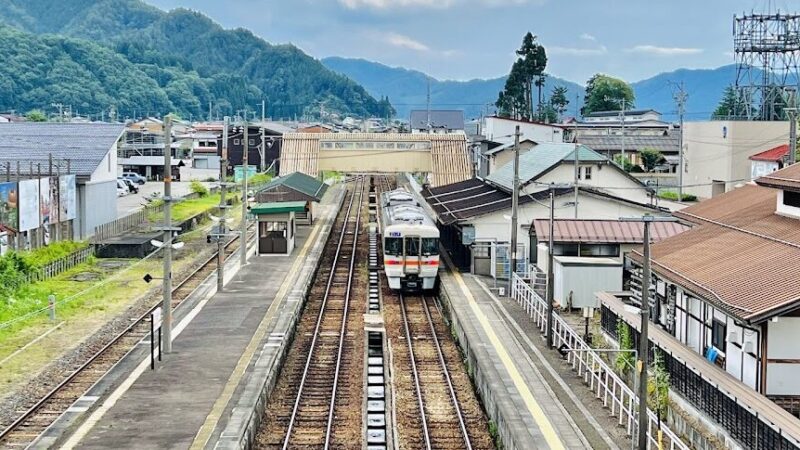
Takayama Station is depicted multiple times in the work as a station regularly used by Oreki, Eru, and others. Featured in the opening scene of anime episode 1, it’s an ideal starting point for sacred site pilgrimage.
While the station building is modern, many aspects of the surrounding atmosphere match the work’s depiction, particularly the station plaza and interior atmosphere, which are faithfully recreated in the anime. The tourist information center in the station can also provide information related to “Hyouka.”
Access: JR Takayama Line Takayama Station
Points of Interest: Station exterior, station plaza, interior atmosphere
2. Kajibashi Bridge | One of the Most Iconic Bridges in the Work
Kajibashi Bridge is one of the most symbolic sacred sites for “Hyouka” fans. It appears repeatedly in the anime’s opening and ending sequences as well as important scenes in the main story, with memorable depictions of conversations between Oreki and Eru.
Two characteristic copper statues are installed at both ends of the bridge, which are also faithfully recreated in the anime. From this bridge spanning the Miya River, one can enjoy panoramic views of the Hida mountains and old townscapes, with four-season-specific beautiful scenery to savor. The scenery at dusk is especially spectacular.
Access: About 10 minutes walk from Takayama Station
Points of Interest: View from the bridge, statues, Miya River scenery
Photography Spots: The view from the bridge’s center, capturing the bridge from a distance
3. Yayoi Bridge | Another Important Bridge
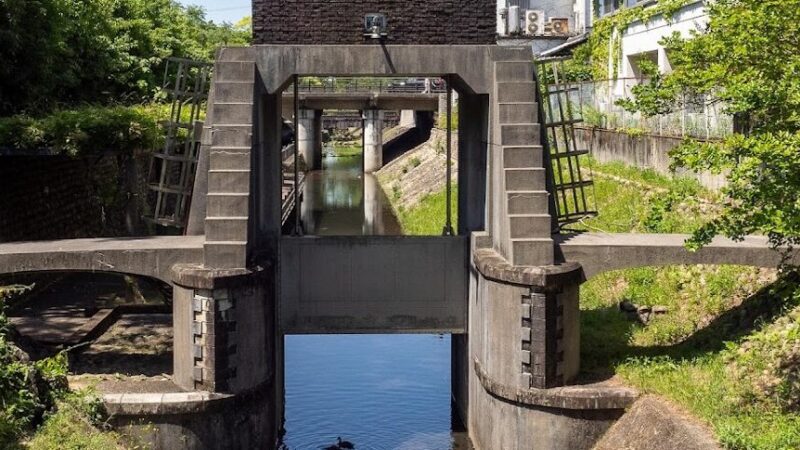
Yayoi Bridge is located near Kajibashi Bridge and is believed to have been used as a location for filming scenes of Kajibashi Bridge from a different angle in the work. The angle from this bridge overlooking Kajibashi matches some anime cuts, making it known among pilgrims as a “hidden photography spot.”
The bridge itself has a simple yet charming structure, allowing visitors to quietly enjoy the Miya River’s flow and surrounding townscape. Visiting it together with Kajibashi Bridge provides a more three-dimensional understanding of the work’s scenery.
Access: About 3 minutes walk from Kajibashi Bridge
Points of Interest: View of Kajibashi Bridge, calm flow of the Miya River
4. Old Town District (Sanmachi Street) | Representative Tourist Destination of Hida Takayama
Takayama’s “Old Town District” is a nationally designated Important Preservation District for Groups of Historic Buildings that retains the appearance of an Edo Period castle town. In “Hyouka,” it is depicted as the center of Kamiyama City, with scenes of the classics club members visiting for culture festival preparation and walking through daily.
The three streets called “Sanmachi Street” (Ichinomachi, Ninomachi, Sannomachi) are particularly notable for their latticed eaves, sake brewery noren curtains, and latticed doors that retain strong echoes of the Edo Period. The anime depicts these details with careful attention, and walking through them creates a sense of stepping into the work’s world.
Access: About 12 minutes walk from Takayama Station
Points of Interest: Traditional townhouse architecture, sake breweries, craft shops, cafes
Recommended Times: Early morning quiet hours or late afternoon with soft light
5. Miyagawa Morning Market Street | Traditional Market Held Daily
The Miyagawa Morning Market along the Miya River is a traditional market in Takayama that has continued since the Edo Period. In “Hyouka,” it is depicted as background scenery in everyday scenes full of life, serving as an important location where glimpses of local people’s lives are visible.
Held each morning from around 7 a.m. to noon (varying by season), local farmers display fresh vegetables, fruits, crafts, pickles, and more. The market atmosphere depicted in the anime exists here as it was, allowing visitors to experience vibrant local culture.
Access: About 2 minutes walk from Kajibashi Bridge
Business Hours: 7:00-12:00 approximately (varies by season)
Points of Interest: Local produce, Hida crafts, morning market energy
6. Honcho Street | Shopping Street with Unique Shops
Honcho Street is a shopping street running north-south through central Takayama, appearing multiple times in “Hyouka” as a route the classics club members regularly pass through. It is characterized by an atmosphere close to local people’s daily lives, different from the old town district.
Along the street are lined unique restaurants, craft shops, bookstores, and other establishments, with multiple buildings whose exteriors match those depicted in the anime. An everyday landscape unfolds where local high school students stop by after school.
Access: About 8 minutes walk from Takayama Station
Points of Interest: Atmosphere of local shops, everyday town scenery
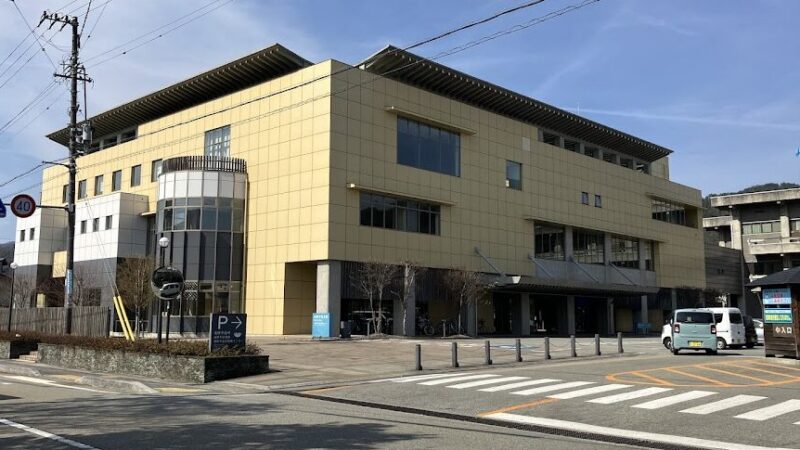
7. Takayama City Library “Kanshōkan” | Beautiful Western Architecture
Kanshōkan is a library built in Western architectural style in the Taisho Period and serves as the model for the municipal library in the work. The exterior is faithfully reproduced in the anime, with memorable scenes of Oreki and others visiting for research.
Currently open to the public as the Takayama City Politics Memorial Hall, the interior is also viewable. The elegant architectural style evoking Taisho romanticism and preserved former assembly hall and mayor’s office make this a historically significant facility.
Access: About 15 minutes walk from Takayama Station
Opening Hours: 9:00-17:00 (last entry 16:30)
Closed: Year-end and new year holidays
Admission: Free
Points of Interest: Western architecture exterior, assembly hall, exhibition rooms
8. Kissaten “Kissaten Katsute” | Model of Eru’s Family Cafe
“Kissaten Katsute” is believed to be the model for “Kissaten Ko,” the cafe run by Eru Chitanda’s family in the work. Located near the old town district, it offers coffee and light meals in a calm atmosphere.
The interior has a Showa retro atmosphere, with many aspects overlapping the work’s depiction, making it a place of special significance for fans. Anime-related fan notebooks are also displayed, allowing visitors to share feelings with other pilgrims who have visited.
Access: About 5 minutes walk from the Old Town District
Business Hours: Varies by shop; prior confirmation recommended
Recommended Menu: Coffee, light meals
9. Bagpipe | A Haven for Oreki and Friends
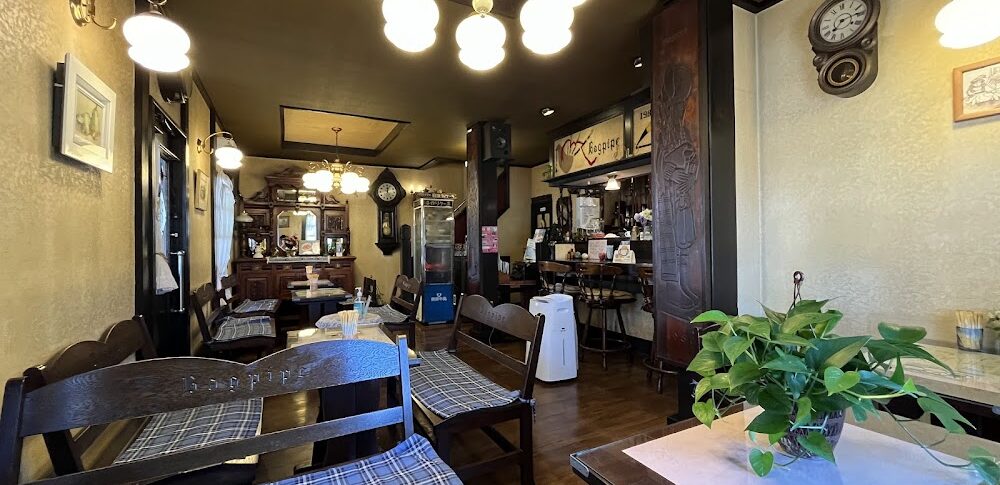
Bagpipe is featured in the work as a cafe where the classics club members gather, serving as the setting for important conversation scenes. An actual existing cafe, it is finely reproduced in the anime’s exterior and interior.
The shop interior has a warm atmosphere, and hearty coffee menus like Vienna coffee are popular. It is known among pilgrims as a “must-visit place,” allowing visitors to spend time slowly reminiscing about scenes from the work.
Access: About 12 minutes walk from Takayama Station
Business Hours: Varies by shop; prior confirmation recommended
Recommended Menu: Vienna coffee, cake set
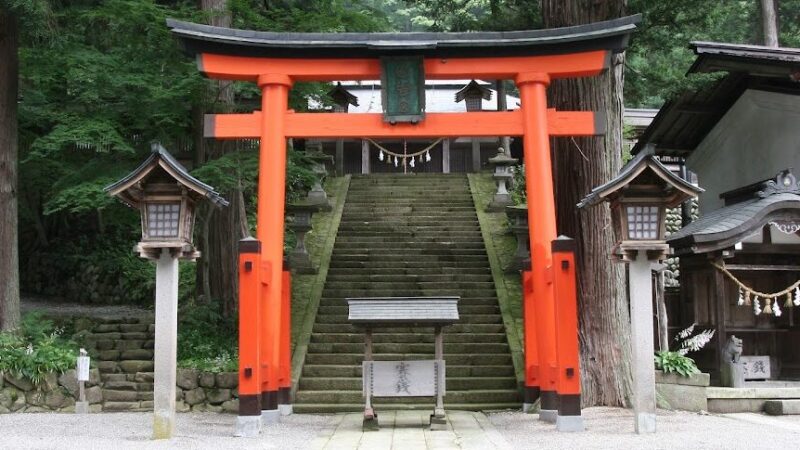
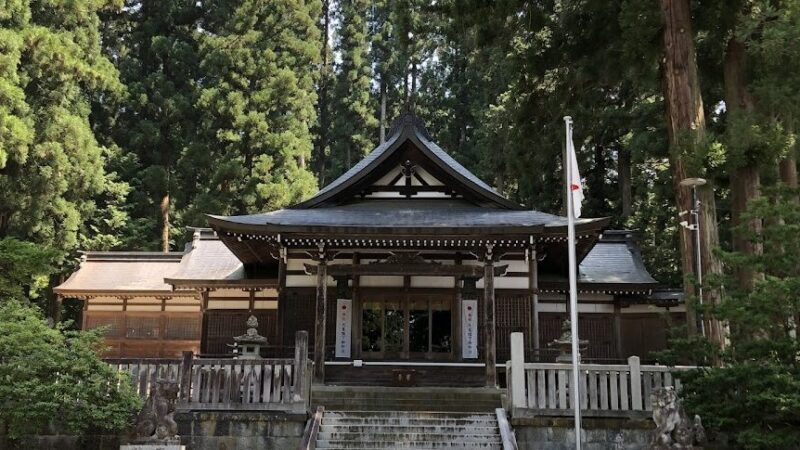
10. Hie Shrine (Hie Jinja) | Model of Arikusu Shrine
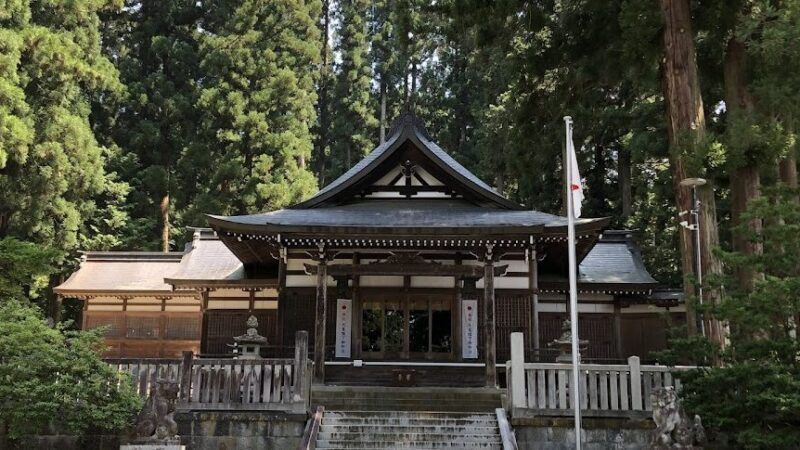
Hie Shrine is believed to be the model for “Arikusu Shrine” that appears in the work. It becomes the setting for the “Kудрляфка’s Order” arc where the Seiya Festival (culture festival) takes place, with the shrine grounds and approach depicted in detailed anime fashion.
The southern approach has a long stone staircase with large cryptomeria trees covering both sides, creating a mystical atmosphere. The spring festival “Yamao Matsuri” is famous as a Takayama festival and also served as a model for the work’s Seiya Festival.
Access: About 20 minutes walk from Takayama Station, or by bus
Points of Interest: Long stone staircase approach, main hall, shrine grounds atmosphere
Special Times: Spring Yamao Festival (April 14-15)
11. Takayama Jinya | Feel History in an Edo Period Government Office
Takayama Jinya was the administrative headquarters where a Tokugawa Shogunate magistrate governed the directly controlled Hida territory, and is designated as a national historic site as the only remaining county commissioner and magistrate office building. In “Hyouka,” it is depicted as a place with historical background and an important building of the town.
The expansive grounds contain preserved office buildings, official residences, rice warehouses, and more, providing insight into Edo Period administration. The morning market is also held in front of the jinya, making it a central spot for Takayama tourism.
Access: About 10 minutes walk from Takayama Station
Opening Hours: 8:45-17:00 (varies by season)
Closed: Year-end and new year holidays
Admission: 440 yen for adults
Points of Interest: Magistrate office architecture, official office, large hall, rice warehouse
12. Nakabashi Bridge | Bridge with Distinctive Red Railings
Nakabashi Bridge spans the Miya River and features beautiful vermillion railings, making it one of Takayama’s representative scenic spots. In “Hyouka,” it appears as cityscape background scenery, particularly in impressive night scenes.
The illuminated Nakabashi Bridge at night possesses an enchanting beauty, with its reflection in the Miya River providing an excellent photography spot. The bridge shows four-seasonal expressions with cherry blossoms in spring and autumn leaves in fall.
Access: About 10 minutes walk from Takayama Station
Points of Interest: Vermillion railings, nighttime illumination, four-seasonal scenery
Photography Spots: From on the bridge or along the riverside with the bridge in composition
13. Hida Takayama Town Museum | Understanding Regional History and Culture
The Town Museum is a facility displaying Takayama’s history and culture, useful for understanding the historical background of Kamiyama City depicted in “Hyouka.” It helps deepen knowledge about the region’s history and culture that the classics club investigates in the work.
With free admission, Hida traditional crafts, festivals, town history, and more are carefully displayed. Located in the heart of the old town district, it’s ideal for stopping by between pilgrimage activities.
Access: Within the Old Town District
Opening Hours: 9:00-19:00 (varies by season)
Closed: Year-end and new year holidays
Admission: Free
Points of Interest: Hida history exhibits, traditional craft items, festival-related materials
14. Higashiyama Walking Trail | Peaceful Temple District Pilgrimage Route
The Higashiyama Walking Trail connects temple groups spread across the eastern side of Takayama’s townscape. In “Hyouka,” it appears as quiet residential and temple scenery in backgrounds, with scenes of classics club members walking depicted.
The approximately 2.5km trail features 13 temples and 5 shrines, allowing visitors to touch Takayama’s history and culture in a serene atmosphere. With few tourists, it’s a hidden gem where one can enjoy leisurely walks.
Access: About 15 minutes walk from Takayama Station (to trail entrance)
Time Required: Approximately 1-2 hours
Points of Interest: Temple architecture, quiet walking trail, seasonal nature
15. Hida-no-Sato | Open-Air Museum Recreating Gasshō-zukuri Village
Hida-no-Sato is an open-air museum that relocates and preserves traditional folk houses including gasshō-zukuri (steep gable farmhouses) from the Hida region. While not a direct sacred site in “Hyouka,” this facility allows for deep understanding of the cultural background of Hida Takayama, the work’s setting.
With more than 30 buildings scattered across expansive grounds, visitors can experience Hida’s lifestyle and culture. Seasonal events are held, with winter illuminations being particularly enchanting and beautiful.
Access: About 10 minutes by bus from Takayama Station
Opening Hours: 8:30-17:00 (varies by season)
Admission: 700 yen for adults
Points of Interest: Gasshō-zukuri farmhouses, folk materials, seasonal events
Recommended Sacred Site Pilgrimage Model Courses
Half-Day Course (approximately 4 hours)
Morning Start
- Takayama Station (starting point)
- Kajibashi Bridge and Yayoi Bridge (30 minutes)
- Miyagawa Morning Market Street (30 minutes)
- Old Town District walk (60 minutes)
- Lunch and break at a cafe (60 minutes)
- Takayama City Library Kanshōkan (30 minutes)
- Takayama Station (goal)
This course efficiently covers major sacred sites, making it a beginner-friendly route. Walking is the primary mode of transportation, covering central Takayama comprehensively.
Full-Day Course (approximately 8 hours)
Starting Early
- Takayama Station (starting point)
- Miyagawa Morning Market viewing (40 minutes)
- Kajibashi Bridge, Yayoi Bridge, Nakabashi Bridge (40 minutes)
- Takayama Jinya tour (60 minutes)
- Old Town District walk and lunch (120 minutes)
- Break at “Bagpipe” cafe (40 minutes)
- Takayama City Library Kanshōkan (30 minutes)
- Honcho Street walk (30 minutes)
- Hie Shrine visit (60 minutes)
- Higashiyama Walking Trail (60 minutes)
- Takayama Station (goal)
This course covers all major sacred sites while fully savoring Takayama’s charms, making for a fulfilling itinerary.
Two-Day Course
Day 1
- Morning: Arrive at Takayama Station, tour city sacred sites (Kajibashi Bridge, old town district, cafes, etc.)
- Afternoon: Takayama Jinya, Kanshōkan, Hie Shrine
- Evening: View nighttime illumination of Nakabashi Bridge, overnight stay in the city
Day 2
- Morning: Miyagawa Morning Market, Higashiyama Walking Trail
- Afternoon: Visit Hida-no-Sato and other surrounding spots
- Evening: Depart from Takayama Station
With time to spare, taking two days to slowly enjoy sacred site pilgrimage and Takayama sightseeing is recommended.
Precautions and Etiquette for Sacred Site Pilgrimage
Consideration When Photographing
When taking photos during sacred site pilgrimage, please observe the following:
- No trespassing on private property: Some locations in the work are on private land. Never enter areas marked as off-limits.
- Respect for operating shops: When photographing operating cafes and other shops, always ask the staff for permission.
- Consideration for passersby: Avoid obstructing foot traffic while absorbed in photography.
- Tripod use: Refrain from using tripods in crowded areas to avoid bothering others.
Consideration for Local Residents
Takayama City is both a tourist destination and a place where local residents live:
- Mind the noise: Act quietly, especially in early mornings and evenings.
- Dispose of trash properly: For environmental preservation, always take trash with you or dispose of it in designated areas.
- Follow traffic rules: Respect pedestrian priority, traffic signals, and other basic traffic regulations.
- Value greetings: Building good relationships with local residents through friendly greetings is important.
Seasonal Precautions
Spring (March-May)
- Early mornings and evenings can be cold; bring a jacket
- Takayama’s spring festival (Yamao Festival) period is very crowded
Summer (June-August)
- Strong sunlight requires hats and sunscreen
- Frequent hydration is essential
Autumn (September-November)
- Takayama’s autumn festival (Hachiman Festival) period is crowded
- Autumn leaves season is particularly beautiful but attracts many tourists
Winter (December-February)
- Watch for snow and ice; non-slip shoes are essential
- Pack proper warm clothing
- Some facilities may close seasonally
Enjoying Gourmet Food and Souvenirs in Takayama City
Hida Takayama’s Famous Cuisine
Enjoy delicious local gourmet dishes during your sacred site pilgrimage:
Hida Beef
A must-try when visiting Takayama, this nationally renowned beef can be enjoyed in various forms: hand-rolled sushi, steaks, skewers, and more. Many Hida beef skewer shops along the old town district offer options for eating while walking.
Takayama Ramen
Characterized by light soy-based broth and thin curly noodles, Takayama ramen is a beloved local dish. The city has numerous ramen shops from longstanding establishments to new arrivals, each with unique characteristics.
Hoba Miso (Magnolia Leaf Miso)
A local dish featuring miso and vegetables, along with Hida beef, cooked on a magnolia leaf. The fragrant aroma and miso flavor create an exquisite taste.
Mitarashi Dango
Takayama’s mitarashi dango is characterized by soy-based sauce and sweet-savory flavors. Fresh-grilled dango can be enjoyed at traditional sweet shops in the old town district.
Recommended Souvenirs
Sarubōbo
A traditional doll from the Hida region, popular as a good-luck charm. Available in various colors and sizes, making it an ideal souvenir.
Local Sake
With 7 sake breweries in Takayama City, each producing distinctive sake, many offering tastings to help find your preferred flavor.
Hida Shunkei Lacquerware
Beautiful transparent lacquerware that brings out wood grain, representing traditional Hida craftsmanship.
Hyouka-Related Merchandise
Some shops sell original Hyouka merchandise, creating especially special souvenirs for fans.
Deepening Appreciation of “Hyouka”
Read the Original Novels
By reading author Honobu Yonezawa’s original “Classics Club Series” novels alongside the anime, you can gain deeper understanding of character psychology and landscape descriptions of Takayama. The following works have been published:
- Hyouka (2001)
- The Bunggler’s Ending Credits (2002)
- Kудрляфка’s Order (2005)
- Detour of the Dolls (2007, short story collection)
- The Distance Between Two People Approximated (2010)
- “Wings” They Say Even Now (2016, short story collection)
Check Out the Live-Action Film Version
The 2017 live-action “Hyouka” film, starring Kento Yamazaki, presents the story from a perspective different from the anime. Filmed on location in actual Takayama, the film version has its own unique sacred sites worth visiting.
Experience Local Culture
One charm of “Hyouka” is how deeply Hida Takayama’s culture and history are woven into the narrative. By learning about the Takayama Festivals, old town district history, regional traditional crafts, and other cultural backgrounds of the work, you can more deeply savor the work’s world.
Conclusion: Journey to Experience the World of Hyouka
Gifu Prefecture’s Takayama City is a special place where you can actually experience the beautiful landscapes and culture depicted in anime for “Hyouka.” By visiting locations that appear in the work—such as Kajibashi Bridge, the old town district, and cafes—you can relive the everyday lives of Oreki and Eru.
Sacred site pilgrimage is more than mere tourism; it is a special experience that deepens love for a work and connects you with fellow fans. Takayama City, with full city support for “Hyouka,” provides a welcoming environment for fans to visit.
Please use this article as reference to plan your sacred site pilgrimage to Hida Takayama. Beautiful four-seasonal landscapes, warm-hearted local people, delicious cuisine, and the world of “Hyouka” await you. Surely Oreki, with his energy-conservation philosophy, would say while enjoying this beautiful town, “If something must be done, let’s finish it quickly.”
Create unforgettable memories in Takayama City, a sacred site of “Hyouka.”