![[Bakemonogatari] Chiyoda Ward, Tokyo](https://anime-place.site/cms/wp-content/uploads/2026/05/places-1672-化物語-東京都.jpg)
Monogatari Series and Tokyo’s Deep Connection
The anime “Monogatari Series” produced by Shaft and based on Nisio Isin’s original work is cherished by many fans as the origin of the series. While the original work is set in a fictional rural town, the anime version incorporates various real locations within Tokyo as motifs, with numerous sacred sites scattered primarily around Suginami Ward, Setagaya Ward, and Meguro Ward.
Centered around the Seibu Shinjuku Line near Shaft Studio’s headquarters, there are numerous locations that appear in the live-action opening sequences and important scenes throughout the work. In recent years, with the arrival of “Smartslo Monogatari,” information about pachinko slot machine installation locations in Tokyo has become an important concern for pachinko fans.
This article comprehensively explains sacred site pilgrimage spots in Tokyo that Monogatari fans should visit, pachinko slot machine installation information, and efficient route planning for exploring the series’ locations.
Monogatari Sacred Site Pilgrimage Map in Tokyo
Suginami Ward Area: Around Igashira and Igusa
Igashira Station (Seibu Shinjuku Line)
The most symbolic location in Monogatari sacred site pilgrimages is Igashira Station. Particularly, the live-action footage used in the opening “staple stable” of “Hitagi Crab” was filmed around this station.
Main Spots:
- Igashira Station South Exit: The setting for the scene where Koyomi Araragi appears in Episode 1 “Hitagi Crab Part 2”
- Shimoisogasa 5 Intersection: An important scene where Hitagi Senjougahara encounters the “Heavy Crab”
- Residential streets around Igashira Station: Live-action backgrounds frequently used in opening sequences
Igashira Station is a semi-rapid stop on the Seibu Shinjuku Line, accessible from Shinjuku in approximately 20 minutes. The area surrounding the station remains a quiet residential neighborhood where the everyday scenery depicted in the anime is preserved as-is.
Igusa Hachiman Shrine
Located in Shimoisogasa, Suginami Ward, Tokyo, Igusa Hachiman Shrine serves as an important motif throughout the Monogatari Series. The atmosphere of the grounds, the torii gates, and the approach to the shrine have been faithfully recreated in the anime, making it a must-visit sacred site for fans.
Access Information:
- Approximately 12 minutes walk from Igashira Station on the Seibu Shinjuku Line
- Visiting hours: Open 24/7 (Shrine office: 9:00-17:00)
- Address: 1-33-1 Zenpukuji, Suginami Ward, Tokyo
The areas of Zenpukuji, Kamiigusa, and Shimoisogasa surrounding the shrine retain a strong atmosphere of the residential neighborhoods frequently appearing in the daily scenes of the Monogatari Series.
Setagaya Ward and Meguro Ward Area
Komazawa Olympic Park (Setagaya Ward and Meguro Ward)
Komazawa Olympic Park, which served as the setting for important battle scenes in “Kizumonogatari ,” is an extensive metropolitan park spanning Setagaya and Meguro wards. Facilities used during the 1964 Tokyo Olympics remain today, characterized by distinctive Showa modernist architecture.
Highlights:
- Around the Olympic Memorial Tower: Appears in the combat scenes of the work
- Stadium: Facility used as background
- Walking paths within the park: Models for character movement scenes
Access:
- Approximately 15 minutes walk from Komazawa University Station on the Tokyu Den-en-toshi Line
- Open at all times
- Address: 1-1 Komazawa Park, Setagaya Ward, Tokyo
Since the park is vast, it is recommended to confirm desired visiting points on a map beforehand.
Kakinoki-zaka (Meguro Ward)
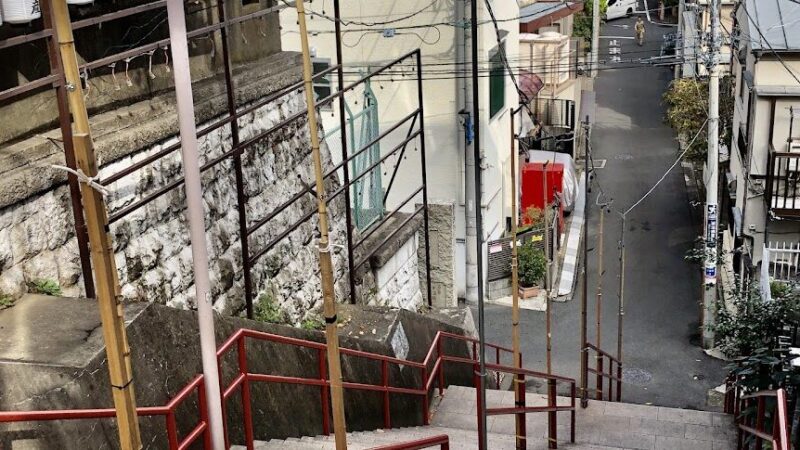
The Kakinoki-zaka area, which frequently appears starting with “Suruga Monkey Part 1” and throughout the Monogatari Series, is a quiet residential area along the Tokyu Toyoko Line. The place name Kakinoki-zaka itself is mentioned in the work, making it an important sacred site for fans.
Main Spots:
- Along the Tokyu Toyoko Line tracks: Scene where Suruga Kanbaru appears in Suruga Monkey
- Near Inari Bridge: Bridge overlooking the tracks appearing in the work
- Around Tokyu Kakinoki-zaka Substation: Distinctive industrial landscape used as background
Access:
- Approximately 10 minutes walk from Toritsu University Station on the Tokyu Toyoko Line
- Address: Kakinoki-zaka, Meguro Ward, Tokyo
The scenery along the tracks is a place symbolizing the intertwining of the everyday and the extraordinary in the Monogatari Series, visited by many fans. When photographing, consideration must be given to the residential nature of the area, and care should be taken not to disturb residents.
Shibuya Ward and Shinjuku Ward Area
Shinjuku Station South Exit and Yoyogi Direction
The Shinjuku Station area, which appears in the live-action portions of the “staple stable” opening of “Hitagi Crab,” is a location symbolizing the urban aspects of Monogatari.
Photography Spots:
- Bridge in front of Takashimaya heading south from Shinjuku Station New South Exit (Southern Terrace Exit)
- Pedestrian bridge overlooking the direction of Yoyogi Station
- Address: Around 5-24-2 Sendagaya, Shibuya Ward, Tokyo
Since this area is always crowded with pedestrians, an early morning visit is recommended. Many fans attempt to recreate the same angle as the opening sequence.
Chiyoda Ward and Minato Ward Area
Odaiba and Dream Bridge (Minato Ward)
The Dream Bridge at Odaiba is the setting for the memorable scene where Koyomi Araragi and Black Hanekawa clash in “Tsubasa Cat Part 5.” The pedestrian bridge with a futuristic design is known as a place symbolizing the tense atmosphere of scenes in the work.
Features:
- Pedestrian deck approximately 360 meters long
- Spectacular views of Tokyo Bay and Rainbow Bridge
- Particularly beautiful nightscape, evoking scenes from the work
Access:
- Approximately 5 minutes walk from Tokyo International Cruise Terminal Station on the Yurikamome Line
- Approximately 15 minutes walk from Tokyo Teleport Station on the Rinkai Line
- Address: Connecting Aoumi, Koto Ward and Daiba, Minato Ward, Tokyo
The surrounding area features depictions of large facilities reminiscent of Saitama Super Arena, with the entire Odaiba area functioning as the setting for “Tsubasa Cat.”
Harumi Pier (Chuo Ward)
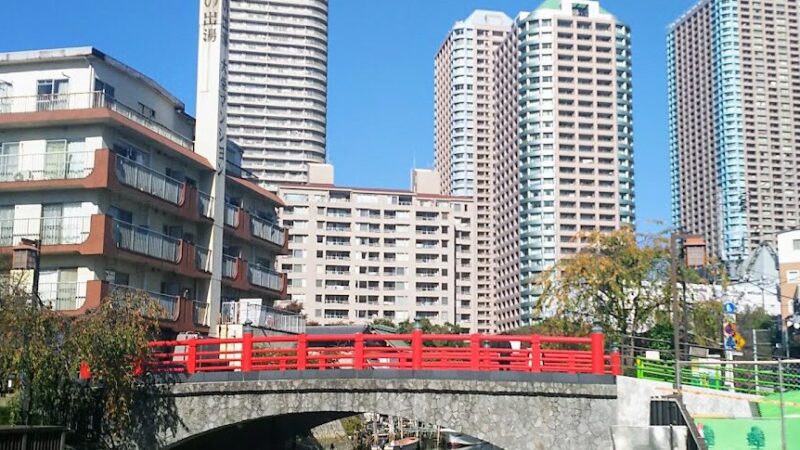
Harumi Pier, where an object that became the motif for the Araragi family bath exists, is a little-known sacred site among fans.
Access:
- Approximately 15 minutes walk from Kachidoki Station on the Toei Oedo Line
- Address: Harumi, Chuo Ward, Tokyo
Smartslo Monogatari Installation Information in Tokyo
“Smartslo Monogatari,” introduced in 2024, has attracted attention from both anime and pachinko slot machine fans. Numerous locations in Tokyo have installed it, with particular concentration in the Akihabara area.
Chiyoda Ward (Akihabara Area)
Big Apple Akihabara Store
Installation Information:
- Number of machines: 30 units (as of February 2026)
- Exchange rate: 1,000 yen/46 coins
- Address: 1-16-1 Sotokanda, Chiyoda Ward, Tokyo
- Access: 3 minutes walk from JR Akihabara Station Electric Town Exit
Boasting the largest number of installations in the Akihabara area, this location gets particularly crowded on weekends. An early arrival is recommended.
Esupasu Nittaku Akihabara Station Front Store
Installation Information:
- Number of machines: 22 units
- Exchange rate: 1,000 yen/46 coins
- Address: 1-15-6 Sotokanda, Chiyoda Ward, Tokyo
- Feature: All machines equipped with individual counting machines
This store’s convenient location in front of the station makes it popular with office workers on their way home.
Island Akihabara Store
Installation Information:
- Number of machines: 15 units
- Exchange rate: 1,000 yen/47 coins
- Address: 4-3-3 Sotokanda, Chiyoda Ward, Tokyo
- Access: 5 minutes walk from JR Akihabara Station Electric Town Exit
Characterized by a slightly favorable exchange rate setting.
Shinjuku Ward
Esupasu Day Shinjuku Kabukicho Store
Installation Information:
- Address: 1-23-3 Kabukicho, Shinjuku Ward, Tokyo
- Feature: Latest machines and facilities installation store
If playing Monogatari in the Shinjuku area, this store is the first choice. Located in the heart of Kabukicho, it also offers late-night operations.
Points to Keep in Mind When Searching for Installation Locations
- Confirm latest information on information sites like DMM Pachi Town: Installation numbers fluctuate, so confirmation before visiting is essential
- Weekday afternoons are ideal: Expect crowding on weekends and evenings
- Compare exchange rates: The number of coins per 1,000 yen varies by store
- Take advantage of member card benefits: Utilize first-visit bonuses and point returns
Efficient Routes for Monogatari Sacred Site Exploration
1-Day Suginami Ward Concentrated Course
Duration: Approximately 5-6 hours
- Igashira Station (9:00-10:30)
- Photography around the south exit
- Shimoisogasa 5 Intersection
- Recreation of opening live-action sequence
- Igusa Hachiman Shrine (10:45-12:00)
- Exploring the shrine grounds
- Paying respects and photography
- Lunch (12:00-13:00)
- Dining around Igashira Station
- Exploring Zenpukuji and Kamiigusa Area (13:00-15:00)
- Enjoying the residential neighborhood atmosphere
- Shinjuku Station South Exit (15:30-16:30)
- Opening live-action sequence filming location
2-Day Complete Tokyo Course
Day 1: Western Area (Suginami Ward-Focused)
- Execute the above Suginami Ward concentrated course
Day 2: Southern and Waterfront Area
- Komazawa Olympic Park (9:00-11:00)
- Setagaya and Meguro wards
- Kizumonogatari setting
- Kakinoki-zaka (11:30-13:00)
- Access from Toritsu University Station
- Exploring along Tokyu Line
- Lunch (13:00-14:00)
- Jiyugaoka area
- Odaiba and Dream Bridge (15:00-17:00)
- Tsubasa Cat setting
- Photography recommended at dusk
- Harumi Pier (17:30-18:30)
- Object photography
Sacred Site Pilgrimage Etiquette
- Manners in residential areas: Especially in Igashira and Kakinoki-zaka, avoid loud conversations and prolonged stays
- Photography permissions: Obtain permission before photographing on private property or inside stores
- Traffic rules: When photographing on roads, be careful not to obstruct traffic
- Take trash with you: It’s also a fan’s responsibility to keep sacred sites clean
- Confirm latest information: Landscapes may have changed due to redevelopment, etc.
Monogatari-Related Events and Tokyo
Anime Events
Monogatari Series-related events are held regularly in Tokyo.
- Ikebukuro Sunshine City: Standard venue for Monogatari Series exhibitions
- Akihabara UDX Gallery: Collaboration cafes and pop-up stores
- Movie theaters in Shinjuku and Shibuya: Film release event screenings
Collaboration Stores
The following collaborations have been implemented in the past:
- Limited merchandise sales at Animate stores
- Lawson campaigns
- Collaboration rooms at karaoke stores
Accommodation Information: Hotels Convenient for Sacred Site Pilgrimage
Around Suginami Ward
Hotels in the Shinjuku Area
- Staying at Shinjuku, the starting point of the Seibu Shinjuku Line, provides convenient access to Igashira
- Abundant options from business hotels to city hotels
- Average: 5,000-15,000 yen per night
Shibuya and Meguro Area
Around Shibuya Station
- Direct access to Toritsu University Station (Kakinoki-zaka) via Tokyu Toyoko Line
- Abundant dining options
- Average: 7,000-20,000 yen per night
Odaiba Area
Waterfront Hotels
- Dream Bridge within walking distance
- Enjoy Tokyo Bay scenery with resort-like atmosphere
- Average: 10,000-30,000 yen per night
Akihabara Area
Around Akihabara for pachinko purposes
- Walking access to multiple installation stores
- Abundance of anime-related shops
- Average: 6,000-15,000 yen per night
Cultural Impact of Monogatari and Tokyo
Pioneering Anime Tourism
Monogatari Series is one of the works that has pioneered “sacred site pilgrimage” culture, visiting real locations that serve as settings for anime. By elevating everyday Tokyo landscapes into anime settings, it has revealed new attractions of Tokyo to fans.
Contribution to Regional Revitalization
Fans from across the country now visit areas like Igashira Station and Kakinoki-zaka, which were traditionally not tourist destinations. Local shopping streets have begun initiatives conscious of Monogatari fans.
Impact of Shaft Studio
With the area around Shaft Studio’s location becoming the work’s setting, a new form of culture emerged: the connection between anime production companies and regions. This influenced other works and established the concept of “production studio vicinity sacred sites.”
The Entire Monogatari Series and Tokyo
Various locations throughout Tokyo appear as settings in Monogatari Series works following Monogatari.
Nisemonogatari
- Igashira and Igusa areas continue to appear
- Addition of new Tokyo locations
Kizumonogatari
- Komazawa Olympic Park as important setting
- More urban depictions of Tokyo
Second Season and Beyond
- Diverse locations throughout Tokyo
- Reappearance of existing sacred sites
Summary: Enjoying Monogatari and Tokyo
The relationship between Monogatari and Tokyo transcends simple anime setting references, creating a unique phenomenon where fan culture and regional culture merge. Through sacred site pilgrimages, you can re-experience the anime’s worldview while discovering new attractions of Tokyo.
For pachinko fans, the arrival of “Smartslo Monogatari” has created an environment where you can immerse yourself in the anime world while visiting installation locations throughout Tokyo.
When visiting, remember to be considerate of local residents and maintain proper etiquette during sacred site pilgrimages. While cherishing Monogatari’s worldview, fully enjoy the diverse charms Tokyo has to offer.
Confirming Latest Information
Installation location information and sacred site conditions may change. It is recommended to confirm the latest information at the following sites before visiting:
- DMM Pachi Town (pachinko slot machine installation information)
- Sacred Site Pilgrimage Map (latest sacred site information)
- Various SNS (latest fan reports)
Please discover the world of Monogatari and Tokyo’s charms with your own eyes.