What is Hanayamata? Work Overview and Why Kamakura is the Setting
“Hanayamata” is a manga work serialized in “Manga Time Kirara Forward” by Hamayumiba Sou from 2011 to 2018. In 2014, it was broadcast as a TV anime, and has been loved by many fans as a story depicting the youth of junior high school girls growing through yosakoi.
The Significance of Kamakura as the Story’s Setting
There is a clear reason why Kamakura City in Kanagawa Prefecture was chosen as the setting. The “yosakoi,” a core element of the work and a traditional Japanese culture, harmonizes beautifully with the historic streetscapes of the ancient city of Kamakura, giving the entire work a Japanese aesthetic. The temples and shrines of Kamakura, stone-paved alleys, and the scenery of the Enoden railway running through the area are important elements that add depth to the growth story of the protagonists.
The surnames of the characters are also taken from place names in Kamakura, such as Sekiya (Sekiya), Tokiwa (Tokiwa), Nishi-Mikaido (Nishi-Mikaido), and Sasame (Sasame-cho), reflecting the author’s deep affection for Kamakura.
Sacred Sites Around Kamakura Station
JR Kamakura Station East Entrance
The starting point for sacred site pilgrimage is the JR Kamakura Station East Entrance. This location, which appears from Episode 1 of the anime, is depicted multiple times as the base of the protagonist Sekiya Naru’s daily life.
The station plaza and the area around the east exit ticket gates are not faithfully recreated in every detail compared to the backgrounds in the work, but the overall atmosphere allows you to feel the work’s worldview well. Especially if you visit during commute hours in the morning and evening, you’ll encounter scenes that remind you of those in the work.
Access Information
- Get off at “Kamakura Station” on the JR Yokosuka Line
- Also 1 minute on foot from “Kamakura Station” on the Enoshima Electric Railway
Enoden Kamakura Station Platform
The Enoden platform appears in important scenes in the work. The station building and platform, which retain a retro atmosphere, are visited by many fans as a place that embodies the world of the anime.
During the anime broadcast, a Hanayamata-themed headmark train operated in collaboration with Enoden, and the in-car displays were filled with Hanayamata imagery. Even now, if you ride the Enoden, you can re-experience the landscape that the characters in the work saw.
Sacred Sites Around Tsurugaoka Hachimangu Shrine
Tsurugaoka Hachimangu Approach (Dankadura)
Tsurugaoka Hachimangu Shrine, a representative tourist attraction of Kamakura, is an essential spot for Hanayamata sacred site pilgrimage. The Dankadura (approached path) running from Kamakura Station to Hachimangu Shrine is known for its beautiful cherry blossom-lined path and appears as the background in impressive scenes in the work.
The Dankadura underwent major renovation work in 2016, so the landscape differs somewhat from when the anime was broadcast, but the unique atmosphere of the elevated approach path remains intact. In spring, a cherry blossom tunnel forms, perfectly matching the vibrant and youthful atmosphere of the work.
Tsurugaoka Hachimangu Shrine Grounds
Various locations within the shrine appear in multiple shots, including the drum bridge, dance platform, and stairs leading to the main shrine. Particularly impressive are the scarlet torii gate and stone steps. Visiting early in the morning or in the evening, when it’s quieter, will give you an experience closer to the atmosphere in the work than during the busy daytime with many tourists.
Visiting Information
- Visiting hours: 6:00–20:30 (varies by season)
- Admission: Shrine grounds free (Treasury is paid)
- About 10 minutes on foot from Kamakura Station
Alleys Around Tsurugaoka Hachimangu Shrine
Numerous stone-paved alleys and picturesque lanes exist around Hachimangu Shrine, which are used as backgrounds in scenes where characters walk in the work. In particular, the alleys leading to the Nishi-Mikaido area have relatively few tourists and are a hidden gem where you can enjoy sacred site pilgrimage at a leisurely pace.
Egara Tenjin Shrine and Its Surroundings
Egara Tenjin Shrine
Egara Tenjin Shrine, known as the shrine of the god of learning, appears as an important location in the work. Located about a 15-minute walk from Tsurugaoka Hachimangu Shrine, it’s a quaint shrine nestled in a quiet residential area.
The depiction of the stone steps to the shrine grounds, torii gate, and main sanctuary in the work is done carefully, and visitors are surprised by the high degree of correspondence with the backgrounds. Also known as a place for plum blossoms, from February to March beautiful plum flowers color the shrine grounds.
Visiting Information
- Visiting hours: Always open
- Admission: Free
- About 25 minutes on foot from Kamakura Station, or accessible by bus
Residential Area Around Egara Tenjin Shrine
The scenes of characters walking through residential areas as commute routes are modeled on the area around Egara Tenjin Shrine. The quiet atmosphere typical of Kamakura and the unique streetscape with narrow alleys intersecting are important elements that color the everyday scenes of the work.
Sacred Sites Along the Enoden Line
Around Kamakura High School Station
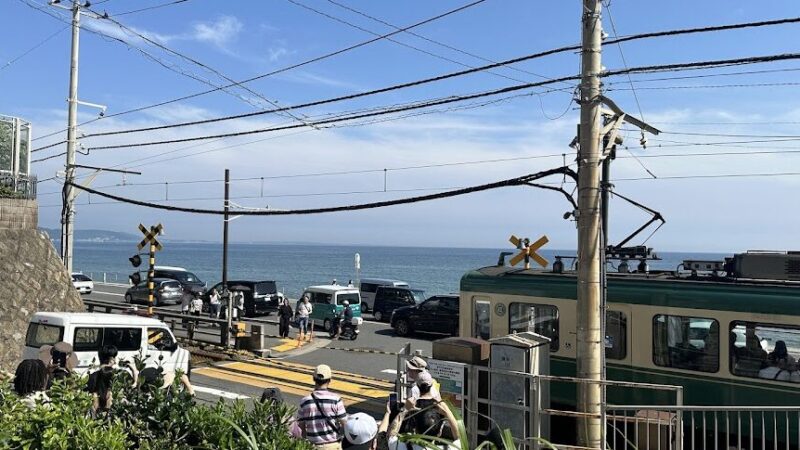
Enoden’s Kamakura High School Station is known as a scenic spot overlooking the Shonan Sea and appears in the work as the setting for seaside scenes. The scenery of the railway crossing and the sea with the Enoshima in view is a popular location depicted in many anime and manga works.
The depiction in the work is relatively simplified, but the sound of the Enoden running, the sea breeze, and the open seascape embody the refreshing youthful sentiment of the work.
Access Information
- Get off at “Kamakura High School Station” on the Enoshima Electric Railway
- About 8 minutes by Enoden from Kamakura Station
Other Spots Along the Enoden Line
Hase Station, Gokurakuji Station, Inamuragasaki Station, and other areas around stations on the Enoden line are also used as backgrounds in the work. Simply looking out the window while riding the Enoden is enough to savor the atmosphere of the work.
Using the day pass “Noriori-kun” allows you to efficiently visit sacred sites along the line.
Efficient Routes for Sacred Site Pilgrimage
Basic Course (Half-Day Plan)
- JR Kamakura Station East Entrance (Starting point)
- Enoden Kamakura Station Platform (Photography and atmosphere)
- Head to Tsurugaoka Hachimangu via Dankadura (10 minutes on foot)
- Tsurugaoka Hachimangu Shrine Grounds (Visiting and photography: 30 minutes)
- Egara Tenjin Shrine (15 minutes on foot, visiting and photography: 20 minutes)
- Return to Kamakura Station (25 minutes on foot or by bus)
Time required: About 3–4 hours
Full Course (Full-Day Plan)
In addition to the basic course:
- Take Enoden from Kamakura Station
- Kamakura High School Station (Get off and photograph: 30 minutes)
- Hase Station Area (Hase Temple, Great Buddha, and other sightseeing possible)
- Enoshima Area (If time permits)
Time required: About 6–8 hours
Best Season for Sacred Site Pilgrimage
Spring (March–May)
- Cherry blossoms on Dankadura (late March–early April)
- Plum blossoms at Egara Tenjin Shrine (late February–March)
- Mild weather and easy for walking
Fall (October–November)
- Beautiful autumn foliage
- Many tourists, but pleasant weather
Summer (June–September)
- Hydrangea season (June)
- Best for experiencing seaside scenes
- Be careful of heat and crowds of tourists
Winter (December–February)
- Relatively few tourists, allowing leisurely pilgrimage
- Clear air ideal for photography
Precautions and Etiquette for Sacred Site Pilgrimage
Consideration When Photographing
Kamakura is a tourist destination and also a place where many people live. When photographing on a sacred site pilgrimage, be mindful of the following:
- Don’t obstruct passage: On narrow alleys and approaches, be considerate of other tourists and locals
- Don’t enter private property: Be especially careful in residential areas
- Photography etiquette at shrines and temples: Worship comes first; don’t photograph in no-photography areas
- Keep conversations quiet: Especially in quiet residential areas and shrine grounds
Tips to Avoid Crowds
Kamakura attracts many tourists year-round. To enjoy sacred site pilgrimage leisurely:
- Visit on weekdays: Weekends and holidays are extremely crowded
- Early morning or evening: 10 AM–3 PM is the most crowded time
- Rainy season or deep winter: Relatively few tourists
Packing Checklist
- Smartphone/Camera (don’t forget chargers)
- Image data of the work (for comparison)
- Beverages (essential in summer)
- Comfortable walking shoes (many stone-paved and sloped areas)
- Sunscreen/Hat (in summer)
- Rain gear (weather in Kamakura changes easily)
Access Information and Transportation
Access to Kamakura
From Tokyo
- About 1 hour via JR Yokosuka Line from Tokyo Station
- About 1 hour via JR Shonan-Shinjuku Line from Shinjuku Station
From Yokohama
- About 25 minutes via JR Yokosuka Line from Yokohama Station
Using Odakyu Line
- Via Odakyu Enoshima Line to Fujisawa Station, then transfer to Enoden
Moving Around Kamakura
On Foot
- Major sacred sites are within walking distance from Kamakura Station
- Comfortable walking shoes are essential due to stone-paved and sloped areas
Enoden
- Enoden day pass “Noriori-kun” (800 yen for adults) is economical
- Free boarding and alighting between Kamakura and Fujisawa Stations
Bus
- Bus also available from Kamakura Station toward Egara Tenjin Shrine
- Walking may be faster during congestion
Bicycle Rental
- Multiple bicycle rental shops around Kamakura Station
- Electric-assist bicycles recommended due to few flat roads
Adjacent Tourist Spots and Combination Plans
Major Tourist Attractions in Kamakura
Notable sites in Kamakura worth visiting along with sacred site pilgrimage:
Hase Temple
- Famous for hydrangeas
- Observation deck with panoramic views of Kamakura and the sea
- 5 minutes on foot from Enoden Hase Station
Kotoku-in (Kamakura Great Buddha)
- Symbolic landmark of Kamakura
- 7 minutes on foot from Enoden Hase Station
Zeniarai Benzaiten
- Popular spot said to multiply money if washed
- 20 minutes on foot from Kamakura Station
Houkoku-ji (Bamboo Garden)
- Known for beautiful bamboo groves
- Bus or taxi from Kamakura Station
Gourmet Information
Kamakura gourmet to enjoy between sacred site visits:
Komachi Street
- Shopping street running from Kamakura Station to Tsurugaoka Hachimangu
- Abundant food stalls
- Whitebait rice bowls, Kamakura vegetables, sweets, and more
Kamakura Vegetable Restaurants
- Cuisine using fresh local vegetables
- Reservation recommended as lunch hours are crowded
Traditional Confectionery Shops
- Many long-established confectionery shops in Kamakura
- Flavors matching the work’s Japanese aesthetic
Special Information for Hanayamata Fans
Collaboration History with the Work
During the 2014 anime broadcast, Kamakura City and Enoden actively developed collaborations:
- Enoden headmark train operation
- Stamp rally events
- Collaboration goods sales
- Voice actor events
While regular collaborations have ended, the memory of the work remains in the hearts of many fans.
Yosakoi and Kamakura
“Yosakoi,” the theme of the work, can actually be seen at various events in Kamakura. At regional events like the Kamakura Carnival, yosakoi team performances may be held, allowing you to experience the work’s world in reality.
Differences Between Original Manga and Anime
There are slight differences in background depiction between the original manga and anime. The original manga sometimes depicts Kamakura’s streetscapes in greater detail, so comparing both while on pilgrimage will deepen your enjoyment.
Sacred Site Pilgrimage Experiences and Fan Voices
Impressions from Fans Who Actually Visited
Many fans have shared the following impressions about sacred site pilgrimage in Kamakura:
- “The work’s Japanese aesthetic and Kamakura’s streetscape matched perfectly”
- “An ideal place to enjoy both sightseeing and sacred site pilgrimage simultaneously”
- “I was moved remembering scenes from the work while riding the Enoden”
- “I felt I understood the characters’ feelings on the Hachimangu stairs”
Photography Tips and Recommended Angles
Advice from veteran sacred site pilgrimage fans:
- Choose the time of day: Soft morning and evening light suits the work’s atmosphere
- Check anime cuts in advance: Study the composition beforehand
- Wide-angle lens is convenient: Suitable for photography in narrow alleys
- Wait for moments with fewer people: Patience is necessary at tourist sites
Summary: The Charm of Hanayamata Sacred Site Pilgrimage
Kanagawa’s Kamakura City, the setting of “Hanayamata,” has value beyond being merely a sacred site. The story of youth and growth depicted in the work harmonizes beautifully with the atmosphere of this historic city, offering visitors a special experience.
The solemn atmosphere of Tsurugaoka Hachimangu Shrine, the Shonan Sea where the Enoden runs, quiet residential alleys. All of these become the stage for the characters’ daily lives and adventures, adding depth to the work.
Through sacred site pilgrimage, you too can see the same scenery and feel the same air as Sekiya Naru and Hana. Why not re-experience the story of girls who devoted their youth to yosakoi while walking through the streets of Kamakura?
Precisely because Kamakura combines the charm of a tourist destination, there are always new discoveries with each visit. The changing landscape of the ancient city with the seasons will deepen your love for the work even further.
Please use this article as a reference to plan your own Hanayamata sacred site pilgrimage and visit Kamakura. You’ll surely realize that the world of the work truly exists within reality.