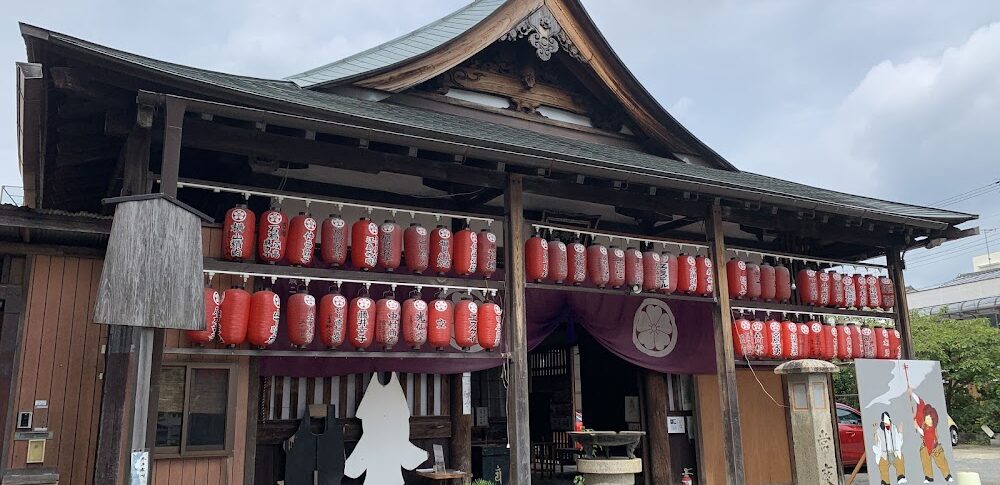
“Blue Exorcist” (Ao no Exorcist) is a popular manga work by Kazue Kato that has been adapted into anime and theatrical films. Among these, the “Kyoto Impure King Arc” set in Kyoto City is particularly popular. This article provides a detailed explanation of the charm of Blue Exorcist set in Kyoto, the real locations that appear in the work, pilgrimage spots, and the deep relationship between the work and Kyoto.
What is Blue Exorcist
Blue Exorcist is a story about the protagonist Rin Okumura, born as a demon’s child, growing up as an “Exorcist” (Exorcist) who exorcises demons. Centered on Rin and his twin brother Yukio, the work depicts the bonds between comrades, battles, and struggles with identity.
The work has been serialized in “Jump Square” since 2009, and the first television anime series was broadcast in 2011. Subsequently, in 2017, the “Kyoto Impure King Arc” was adapted into anime, captivating many fans.
Overview of the Kyoto Impure King Arc Story
The Kyoto Impure King Arc is an episode depicted across volumes 4 through 9 of the original manga, and was broadcast in 2017 as “Blue Exorcist: Kyoto Impure King Arc.”
After the secret of Rin’s birth is revealed, the stage moves from the Japanese branch of the True Cross Order to an exorcist school in Kyoto. In Kyoto, a conspiracy is underway to revive a powerful demon called the “Impure King” that was once sealed, and Rin and his allies fight to prevent this.
In this arc, the exorcist family of Kyoto, the “Myoda Sect,” plays an important role, with particular focus on the family and past of Ryuji Suguro, the son of Shoji Temple. This becomes an especially crucial episode in the series, where the bonds between Rin and his comrades are tested.
Why Kyoto City Was Chosen as the Setting
A City of History and Tradition
Kyoto is an ancient capital of Japan with over a thousand years of history, and numerous temples and shrines exist there. The profession of exorcist is closely related to Japan’s traditional religious views and spiritual worldview, and Kyoto’s historical background adds depth to the story.
Spiritual Image
Kyoto has long preserved many spiritual legends and yokai stories. The culture of Yin-Yang Divination continuing from the Heian period, beliefs in vengeful spirits, and legends transmitted in various temples make Kyoto a perfect setting for the worldview of Blue Exorcist, which depicts battles with demons and spirits.
Visual Appeal
Kyoto’s beautiful streetscapes, traditional architecture, and nature of all seasons are visually very appealing in animation. Particularly in the Kyoto Impure King Arc, many backgrounds modeled on real locations appear, providing pilgrimage fans with enjoyment.
Real Kyoto Spots Featured in Blue Exorcist
The Kyoto Impure King Arc features many real locations within Kyoto City. Here, we introduce major spots that appear in the work.
Fushimi Inari Taisha
An important location appearing in the work is Fushimi Inari Taisha. This shrine, famous for its thousand torii gates, is the head shrine of approximately 30,000 Inari shrines nationwide and is worshipped as the god of business prosperity and abundant harvests.
In the anime, the beautiful landscape of characteristic vermillion torii gates in succession is depicted beautifully, becoming the stage for important scenes. Visiting in person allows you to experience the scenery you saw in the anime, making it a popular pilgrimage spot.
Access Information:
- Address: 68 Fukakusa Yabunouchi-cho, Fushimi Ward, Kyoto City, Kyoto Prefecture
- Transportation: Just below Inari Station on the JR Nara Line, or 5 minutes walk from Fushimi Inari Station on the Keihan Electric Railway
- Admission: Free
- Hours: Open 24 hours for worship
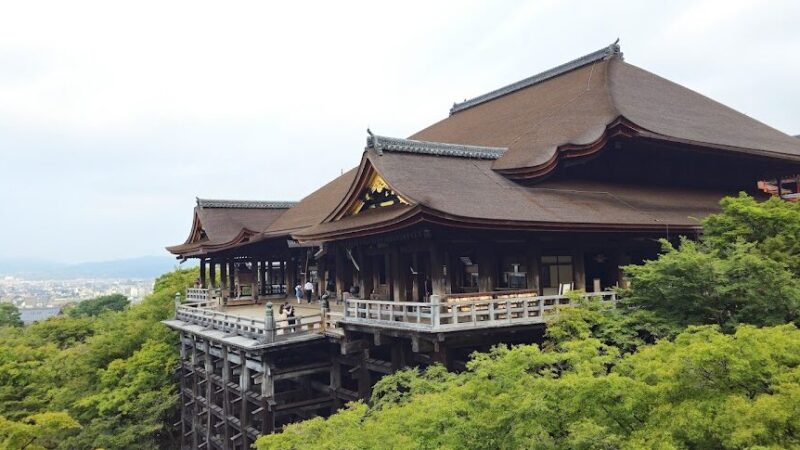
Around Kiyomizu Temple
The area around Kiyomizu Temple, a representative tourist destination in Kyoto, also appears as background in the work. The view of Kyoto’s streets from the Kiyomizu Stage is depicted impressively in the work.
The atmospheric stone-paved roads of Ninenzaka and Sannenzaka leading to Kiyomizu Temple are perfect for the mood of the work. Many fans visit these places as pilgrimage spots to feel Kyoto’s traditional townscape.
Access Information:
- Address: 294 Kiyomizu 1-chome, Higashiyama Ward, Kyoto City, Kyoto Prefecture
- Transportation: 10 minutes walk from “Gojo-zaka” or “Kiyomizu-michi” bus stops
- Admission: 400 yen for general admission, 200 yen for elementary and middle school students
- Hours: 6:00 AM to 6:00 PM (varies by season)
Kyoto Station
Kyoto Station appears in the opening scene where Rin and his companions arrive in Kyoto. Kyoto Station, characterized by its modern glass and steel architecture, could be said to be a symbol of Kyoto where tradition and modernity blend.
The grand staircase of Kyoto Station Building and Kyoto Tower in front of the station also appear in the work, playing an important role as the gateway when visiting Kyoto.
Kamogawa River
The Kamogawa River flowing through Kyoto City also frequently appears as background in the work. The scenery along the Kamogawa River symbolizes Kyoto’s character and is effectively used in scenes where characters converse.
Particularly the areas around Shijo Bridge and Sanjo Bridge are places of rest for locals and tourists, giving realism to the work’s everyday scenes.
Gion and Hanami-koji
Gion, a traditional geisha district in Kyoto, also plays an important role in creating the atmosphere of the work. The stone-paved roads of Hanami-koji and the landscape of traditional machiya houses lined up emphasize the work’s Japanese worldview.
The atmosphere of Gion at night is particularly fantastical, matching the worldview of Blue Exorcist where battles with demons unfold.
Main Characters of the Kyoto Impure King Arc
Rin Okumura (奥村燐)
The protagonist Rin is born as Satan’s son but is raised as a human and aims to become an exorcist. In the Kyoto Impure King Arc, reconciliation with comrades after his birth secret is revealed becomes a major theme.
Rin’s straightforward personality and courage to face difficulties remain unchanged in this arc. Through battles in Kyoto, Rin deepens his bonds with his comrades.
Yukio Okumura (奥村雪男)
Yukio, Rin’s twin younger brother, is an excellent exorcist and also a teacher at the True Cross Academy. In the Kyoto Impure King Arc, he struggles between his desire to protect his brother Rin and his mission as an exorcist.
Yukio’s calm judgment and deep affection for his brother become important elements of the story.
Ryuji Suguro (勝呂竜士)
One of the central figures of the Kyoto Impure King Arc, Suguro is the son of Shoji Temple, a temple in Kyoto. In this arc, his family, past, and relationship with his father are deeply explored.
Suguro’s growth and feelings toward his family become one of the moving themes of the Kyoto Impure King Arc. His friendship with Rin also deepens through this arc.
Renzo Shima (志摩廉造)
Renzo Shima, a senior exorcist of the True Cross Order, plays an important role in the Kyoto Impure King Arc. His past and connection with the Impure King are revealed, adding depth to the story.
The People of Shoji Temple
Various unique characters appear at Shoji Temple where Suguro’s family lives. They belong to the Myoda Sect, a Kyoto exorcist family, and use unique exorcism techniques.
Themes and Charm of the Kyoto Impure King Arc
Bonds with Comrades
The most important theme of the Kyoto Impure King Arc is bonds with comrades. After Rin’s birth secret is revealed, his classmates struggle with how to accept him. However, through fighting together, they learn what true friendship means.
The relationship between Suguro and Rin is the central theme of this arc, and the deepening friendship between the two has moved many fans.
The Love of Family
The relationship between Suguro and his father, the brotherly love between Rin and Yukio, and feelings toward their adoptive father Shiro Fujimoto—family love is also an important theme. Though imperfect, the image of family caring for each other gives warmth to the story.
Battle with Oneself
Rin continues an internal battle with how to face the power of Satan within him. In the Kyoto Impure King Arc, this conflict deepens and Rin’s growth is depicted.
Confronting the Past
Many characters, including Renzo and Suguro’s father, face their own pasts. The image of overcoming past mistakes and regrets and moving forward gives courage to viewers.
Characteristics of the Anime “Blue Exorcist: Kyoto Impure King Arc”
Faithful to the Original
The first anime series broadcast in 2011 became an original story partway through, but the 2017 Kyoto Impure King Arc follows the original faithfully. Original fans can be satisfied with the content, conveying the manga’s charm without reserve in the video adaptation.
Beautiful Artwork
The artwork beautifully depicting Kyoto’s scenery is one of the major charms of the anime. Backgrounds modeled on real locations are carefully drawn in detail, allowing you to fully experience Kyoto’s atmosphere.
The action in battle scenes is also impressive, particularly Rin’s ability to manipulate flames is visually striking.
The Voice Actors’ Enthusiastic Performances
Enthusiastic performances by a luxurious cast of voice actors including Nobuhiko Okamoto (voice of Rin Okumura), Jun Fukuyama (voice of Yukio Okumura), and Kazuya Nakai (voice of Ryuji Suguro) are also charms of the work. They richly express characters’ emotions, adding depth to the story.
Music
Impressive music such as the opening theme “One Drop of Influence” (UVERworld) and ending theme also enhance the work. Much of the incidental music incorporates Japanese elements, fitting perfectly for a story set in Kyoto.
Recommendations for Pilgrimage
For fans of Blue Exorcist: Kyoto Impure King Arc, Kyoto is a treasure trove of pilgrimage spots. Here we introduce points for enjoying pilgrimage.
Planning Your Pilgrimage
Kyoto City has many tourist spots, and it’s difficult to visit all of them in one day. In advance, list the places you want to visit and plan an efficient route.
For getting around Kyoto City, city buses and subway are convenient. Purchasing a one-day pass allows you to travel economically.
Recommended Pilgrimage Routes
Day 1:
- Morning: Fushimi Inari Taisha (enjoy the thousand torii gates)
- Afternoon: Around Kiyomizu Temple (Kiyomizu Temple, Ninenzaka, Sannenzaka)
- Evening: Gion and Hanami-koji (also enjoy the nighttime atmosphere)
Day 2:
- Morning: Stroll along the Kamogawa River
- Afternoon: Around Kyoto Station (Kyoto Tower, station building)
- Other times: Explore other spots featured in the work
Precautions for Pilgrimage
- Follow etiquette: At temples and shrines, worship quietly, and refrain from taking photos where photography is prohibited.
- Consideration for locals: In residential areas, avoid speaking loudly or trespassing on private property.
- Take your trash with you: For environmental protection, always take your trash with you.
- Avoid crowded periods: The cherry blossom and autumn foliage seasons are extremely crowded. If possible, visit during off-season to enjoy pilgrimage leisurely.
To Enjoy Pilgrimage Even More
- Rewatch the work: Rewatching anime or manga before visiting helps you understand which scenes were depicted where, making it more enjoyable.
- Take photos: Taking photos at the same angles as in the anime gives you the experience of entering the work’s world.
- Share on SNS: Sharing on SNS using hashtags like “#BlueExorcist” “#AoExPilgrimage” allows you to interact with other fans.
Kyoto’s Exorcist Culture and Actual History
Blue Exorcist is a fictional story, but Kyoto actually has spiritual traditions and culture rooted in it.
Yin-Yang Divination and Kyoto
During the Heian period, Yin-Yang Divination was popular in Kyoto (then Heian-kyo). Yin-Yang masters not only managed astronomy and calendars but also performed sorcery and divination, playing important roles as advisors to nobles.
The famous Yin-Yang master Abe Seimei was active in Kyoto, and Seimei Shrine remains there today. The worldview of Blue Exorcist is thought to draw inspiration from such Japanese spiritual traditions.
Temples, Shrines, and Spiritual Legends in Kyoto
Many temples and shrines in Kyoto have spiritual legends and yokai stories. For example:
- Kurama Temple: Known for its tengu legends and where Minamoto Yoshitsune is said to have trained
- Kifune Shrine: Enshrines the god of water and has legends of matchmaking and relationship-breaking
- Rokuji Chinno-ji: Known as the boundary between this world and the next, the “Rokuji-no-tsuji”
These places are highly suitable as settings for spiritual stories like Blue Exorcist.
Kyoto’s Festivals and Religious Ceremonies
Throughout the year, various festivals and religious ceremonies are held in Kyoto. Including the three major festivals of Gion Festival, Aoi Festival, and Jidai Festival, the events held at each temple and shrine are imbued with beliefs and traditions passed down through the ages.
This cultural background gives depth to the worldview of Blue Exorcist.
The Future of Blue Exorcist and Kyoto
The original Blue Exorcist manga is still being serialized and the story shows new developments. Fascinating stories continue to unfold after the Kyoto Impure King Arc, and future anime adaptations are anticipated.
In 2024, a new anime project was announced, and fans’ expectations are high. The popularity of episodes set in Kyoto is high, and there is potential for Kyoto to remain an important setting in the future.
Summary
Blue Exorcist: Kyoto Impure King Arc is a grand story set in Kyoto City that depicts moving themes of bonds with comrades, family love, and battles with oneself.
With many real locations in Kyoto appearing in the work, there is pilgrimage enjoyment for fans. By actually visiting the locations featured in the work—the thousand torii gates of Fushimi Inari Taisha, the stage of Kiyomizu Temple, and the atmospheric streets of Gion—you can experience the world of the story more deeply.
Kyoto, a city of history and tradition, is a perfect setting for the exorcist concept, enriching the work’s worldview. Combined with the beautiful artwork of the anime, enthusiastic voice acting, and memorable music, the Kyoto Impure King Arc has become one of the most popular episodes in the Blue Exorcist series.
If you haven’t experienced the work yet, please definitely try watching the Blue Exorcist: Kyoto Impure King Arc through anime or manga. And if you have the opportunity, why not visit Kyoto and tour the locations that became the setting for the work? Surely your love for the work will deepen even more.
The combination of Blue Exorcist and Kyoto City is a wonderful example of Japanese pop culture and traditional culture blending beautifully. Through this work, we hope many people will rediscover the charm of Kyoto and be inspired to take interest in Japanese culture and history.