Introduction: The Transformation of the Tama Hills Depicted by Isao Takahata
“Pom Poko” (平成狸合戦ぽんぽこ), a Studio Ghibli animated film released on July 16, 1994, is a socially conscious work for which director Isao Takahata served as writer, screenwriter, and director. Set in the Tama district of Tokyo, the film depicts the struggle of raccoon dogs losing their habitat due to new town development, exploring the universal themes of development and environmental destruction during Japan’s period of high economic growth.
This work is not merely fantasy; it features documentary-like aspects, with meticulous research into the actual history of the Tama New Town development and incorporation of real locations and buildings into the film. Nearly thirty years after its release, the questions posed by the work remain unfaded, continuing to make us contemplate the coexistence of development and nature.
History of Tama New Town Development: Understanding the Film’s Background
Tama Hills Before Development: The Raccoon Dogs’ Paradise
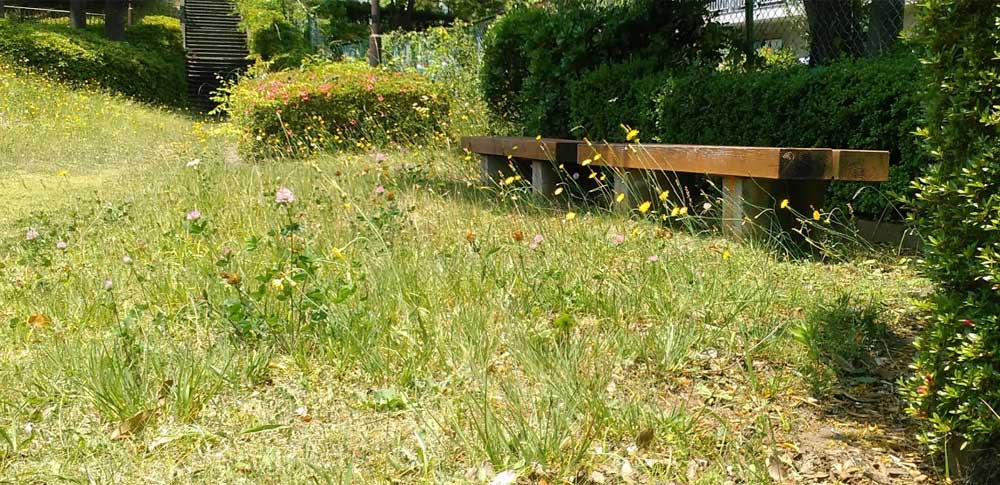
Before the construction of Tama New Town, the Tama Hills were a satoyama region blessed with abundant nature. Spanning Tama City, Inagi City, Hachioji City, and Machida City, this area retained typical Musashino landscapes with mixed forests and paddy fields in valleys. Indeed, this region was home to numerous wild animals including raccoon dogs, making the film’s setting anything but exaggerated.
Until the 1950s, agriculture and forestry were practiced in this region, and people lived in harmony with nature. However, as post-war population concentration in Tokyo progressed, this peaceful landscape would reach a major turning point.
The 1960s: Japan’s Largest New Town Project Begins
In the 1960s, severe housing shortages in central Tokyo made large-scale housing supply to suburban areas an urgent necessity. In 1965, the Tokyo Metropolitan Government and the Japan Housing Corporation (now UR Urban Renaissance) announced a plan to construct Japan’s largest new town in the Tama Hills.
The plan aimed to build a massive city housing 300,000 people on approximately 3,000 hectares of land. This was an unprecedented scale of development project in Japan at that time. The development depicted in “Pom Poko” is based precisely on this period’s events.
The 1970s: Full-Scale Development and the Beginning of Environmental Destruction
The first phase of residents began moving to Tama New Town in 1971. The development scenes depicted in the film’s opening, set in the “1960s-70s,” refer to this period. Forests were successively stripped away, valleys filled in, and the former satoyama landscape rapidly disappeared.
The development method was “cut mountains, fill valleys”—large-scale land reclamation. Through this technique, the undulating topography of the Tama Hills was transformed into flat residential areas. Director Takahata succeeded in making audiences keenly feel the cruelty of environmental destruction by depicting this development process from the raccoon dogs’ perspective.
The 1980s-1990s: New Town Expansion and Completion
As the 1980s progressed, development expanded from Tama City to Inagi City and the southern part of Hachioji City. By the early 1990s when the film was made, Tama New Town had already become a massive metropolis with over 200,000 residents.
At the time of the film’s 1994 release, Tama New Town development had entered its completion stage. Director Takahata’s decision to release the work precisely during this period stemmed from his belief that now that development had settled, it was necessary to reflect on what was lost and reconsider the future direction of urban development.
Film Analysis of “Pom Poko”: Deep Messages on Environmental Issues
Director Isao Takahata’s Creative Intent
Through this work, director Isao Takahata did not simply wish to convey an “anti-development” message. Rather, he sought to depict an attitude that acknowledges the necessity of development while expressing regret for what is lost and seeking a path of coexistence between humans and nature.
The director himself conducted extensive research in the Tama district, painstakingly collecting photographs from before development and testimonies from residents. Studio Ghibli staff members also visited the site multiple times, creating detailed sketches of topography, vegetation, and building arrangements. This thoroughgoing research approach supports the work’s realism.
What the Raccoon Dogs Symbolize: Japan’s Disappearing Pastoral Landscape
The raccoon dogs appearing in the film are depicted not merely as animals but as symbols of traditional Japanese attitudes toward nature and lifestyles lost through development. The setting of tanuki gaku (raccoon dog transformation studies) is based on raccoon dog folklore in Japanese folk culture, providing deep cultural background to the work.
Particularly striking are the scenes of the “Great Supernatural Counterattack” performed by the raccoon dogs. The supernatural creatures appearing here reflect traditional Japanese folklore and represent an attempt to revive the spiritual nature of Japanese people forgotten through modernization.
Multi-layered Themes Embedded in the Work
“Pom Poko” addresses multi-layered themes beyond environmental issues:
- Generational Differences in Values: The conflict between conservative elder raccoon dogs and innovative younger ones symbolizes intergenerational gaps during periods of social change.
- The Limits of Resistance and Adaptation: The development where the raccoon dogs’ resistance ultimately fails and some choose adaptation to human society depicts the inevitability of compromise and adaptation in actual society.
- Transmission of Memory: The ending’s emphasis on “passing down stories” appeals to the significance of preserving lost nature and culture in memory.
Real Location and Sacred Site Pilgrimage Guide: Walking Through Tama New Town
Tama Center Station Area: The Film’s Central Stage
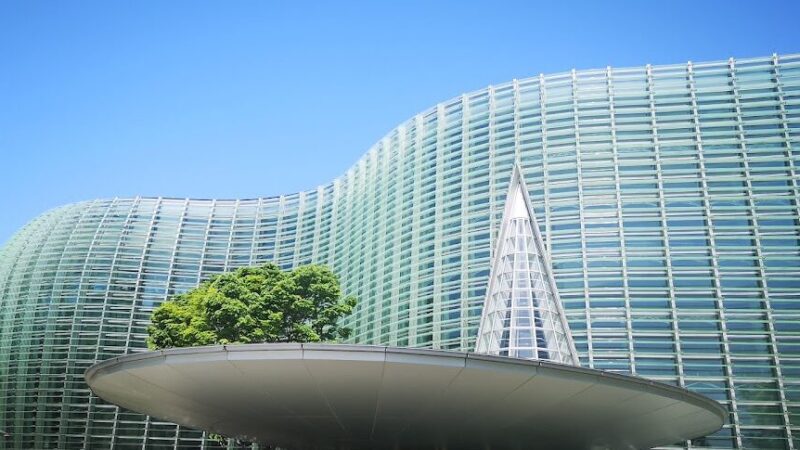
Tama Center Station is the center of Tama New Town and appears multiple times in the film. The area around Parthenon Tama (Tama City Complex Cultural Facility) near the station serves as the stage for important scenes in the work.
Access: Get off at Tama Center Station on the Keio Sagamihara Line, Odakyu Tama Line, or Tama Monorail.
The main street in front of the station and shopping streets are depicted in the film as showing the progress of development. Today, Sanrio Puroland is also located here, making it a bustling tourist destination.
South Osawa Station Area: Symbolic Place of Later-Stage Development
The area around Keio Sagamihara Line’s South Osawa Station was one of the later-developed regions of Tama New Town, appearing as the stage for the latter half of the film. About a ten-minute walk from the station lies scenery that seems to directly recreate scenes from the movie.
The hilly area around Mitsui Outlet Park still retains traces of the satoyama where raccoon dogs once lived. In particular, there is a location where the boundary between developed and undeveloped land is clearly visible, providing a spot where visitors can feel the film’s themes.
Tama City Parks: Valuable Spots Where Nature Remains
Several parks preserve nature despite development:
Kotta/Kaitori Fureai Plaza: A park in the heart of Tama New Town that retains the atmosphere of mixed forest. It is considered one of the models for forest scenes in the film.
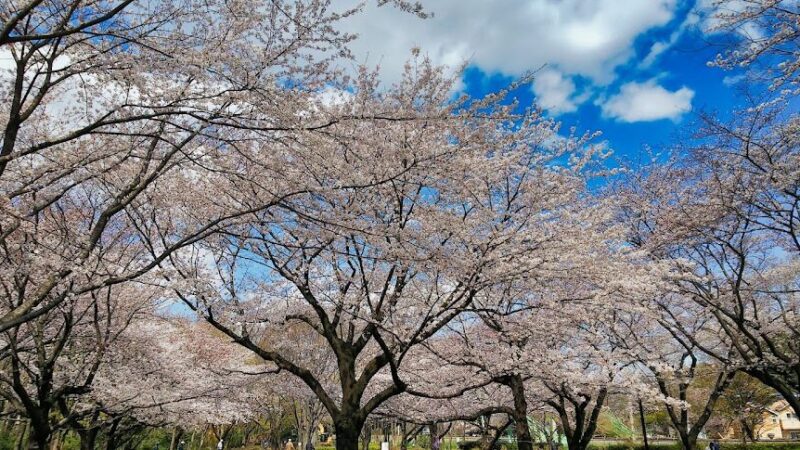
Sakura-ga-Oka Park (Metropolitan Park in Renko, Tama City): A metropolitan park where the natural environment of the Tama Hills is preserved. Visitors can still sense the atmosphere of “Tama Hills before development” depicted at the film’s opening.
Inagi City and Naganuma Station Area: Near Yomiuri Land
The film includes depictions reminiscent of Yomiuri Land’s Ferris wheel. The Naganuma Station area in Inagi City, near the Tamagawa River, is possibly the region where raccoon dogs are depicted as having fled.
Southern Hachioji City: The Development Frontline
The Minamiosawaand Horinouchiware districts in Hachioji City saw development progress from the late 1980s, serving as the “development frontline” in the film’s time setting. Today, Tokyo Metropolitan University (formerly Tokyo Metropolitan University) operates a campus here, giving the area an academic city character.
Connection with “Whisper of the Heart”: Two Stories Set in the Same Tama
Interestingly, another Studio Ghibli masterpiece, “Whisper of the Heart” (released in 1995), is also set in Tama New Town. Both works share a close relationship as stories occurring in the same era and location.
Chronological Alignment: Two Perspectives on the Same Era
“Pom Poko” and “Whisper of the Heart” depict the same era of 1994. The former presents the perspective of raccoon dogs losing their habitat to development, while the latter presents a contrasting viewpoint of humans living in the post-development new town.
Common Locations and Buildings
Several shared locations appear in both works:
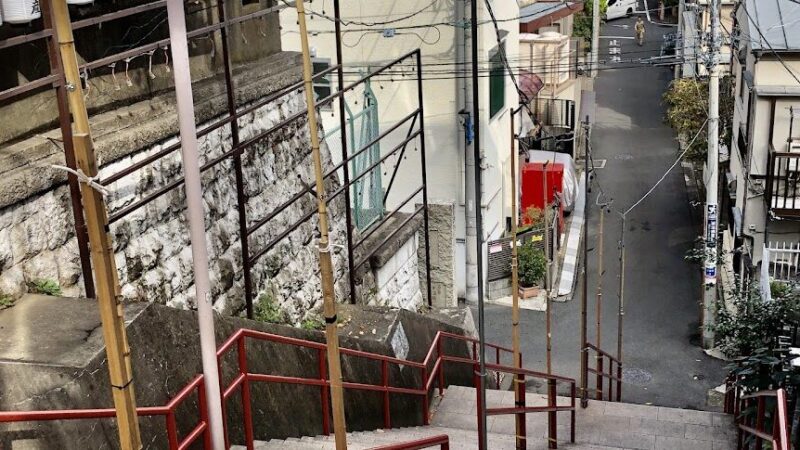
- Iroha Slope: The steep slope down which protagonist Shizuku Tsukishima rides her bicycle in “Whisper of the Heart” appears as similar topography in “Pom Poko.”
- Tama Center Station Area: Both works depict the scenery around Tama Center Station.
- Hilly Residential Areas: The appearance of residential areas built on undulating terrain is a visual element common to both works.
Isao Takahata and Yoshifumi Kondo: Deep Understanding of Tama
Director Isao Takahata of “Pom Poko” and director Yoshifumi Kondo of “Whisper of the Heart” both worked at Studio Ghibli and shared research of the Tama district. Both directors’ deep understanding and affection for Tama became the driving force for creating these two masterpieces.
Tama New Town Today: The Misconception of “Ghost Town”
Aging Issues and Generational Change Challenges
Tama New Town has experienced over fifty years since development, with aging of initial residents progressing. Some use the term “ghost town,” but this does not accurately reflect reality.
Certainly, many cases exist where residents who moved in during the 1970s have aged and their children, having become independent, have relocated elsewhere. However, in recent years, there has been increasing influx of younger generations, with generational change underway.
Redevelopment and Renovation: Creating New Appeal
In Tama New Town, active renovation and redevelopment of aging public housing have been undertaken. Particularly around Tama Center Station, renewal of commercial facilities and redesign of public spaces are advancing, creating new appeal.
Improved Transportation Access: Enhanced Access to the City Center
With development of the Keio Line, Odakyu Line, and Tama Monorail, access to the city center has improved dramatically. Access to Shinjuku in about thirty minutes has become a major attraction of Tama New Town.
Environmental Value of Nature: Green Amidst the City
Ironically, parks and green spaces preserved during development have become major assets of Tama New Town today. The abundant natural environment unobtainable in central Tokyo is highly valued, particularly by child-rearing generation families.
Coexistence with Wildlife: Did the Raccoon Dogs Really Disappear?
Wild Animals Still Living in the Area Today
The raccoon dogs depicted in the film lost their habitat to development. However, wild animals still live in the areas surrounding Tama New Town.
Medium-sized mammals including raccoons, raccoon dogs, civet cats, and foxes have been confirmed in remaining green spaces and parks. Particularly in Sakura-ga-Oka Park and preserved areas of the Tama Hills, rich ecosystems are maintained.
Urban-Nature Coexistence Model
Tama New Town has achieved certain success in preserving nature within the city through deliberate green space planning. Ecological network-conscious green space arrangement serves to maintain migration routes for wild animals.
As a Site for Environmental Education
Primary and middle schools in Tama City and Inagi City conduct environmental education to learn about local natural environments. “Pom Poko” is also utilized as teaching material to educate children about regional history and environmental issues.
What the Work Questions Today: Sustainable Development
Thirty Years Later: The Film’s Message’s Universality
Nearly thirty years after its release, the message of “Pom Poko” has actually become more important. As SDGs (Sustainable Development Goals) become a global issue, the work’s theme of balancing development and environmental conservation represents a distinctly contemporary question.
The rich natural environment of the Tama Hills was indeed lost. However, simultaneously, a city housing over 220,000 people was created, becoming the living space for many people. How to evaluate this balance of “what was lost and what was gained” is a question without easy answers.
What is important is, as director Takahata demonstrated through his work, to keep lost things in memory, pass them down, and learn from them. The experience of Tama New Town provides valuable lessons for future urban development, environmental conservation, and building a sustainable society.
When visiting present-day Tama New Town, one can observe wild animals still living in deliberately preserved green spaces. While complete restoration of nature is impossible, Tama New Town demonstrates that a path exists for coexistence of humans and wildlife within cities.
“Pom Poko” transcends the framework of animated film to remain a work that continues questioning how our society should be. It will undoubtedly continue to be passed down to many people in the future. By visiting Tama New Town and actually walking the film’s settings, the work’s message should resonate more deeply in one’s heart.