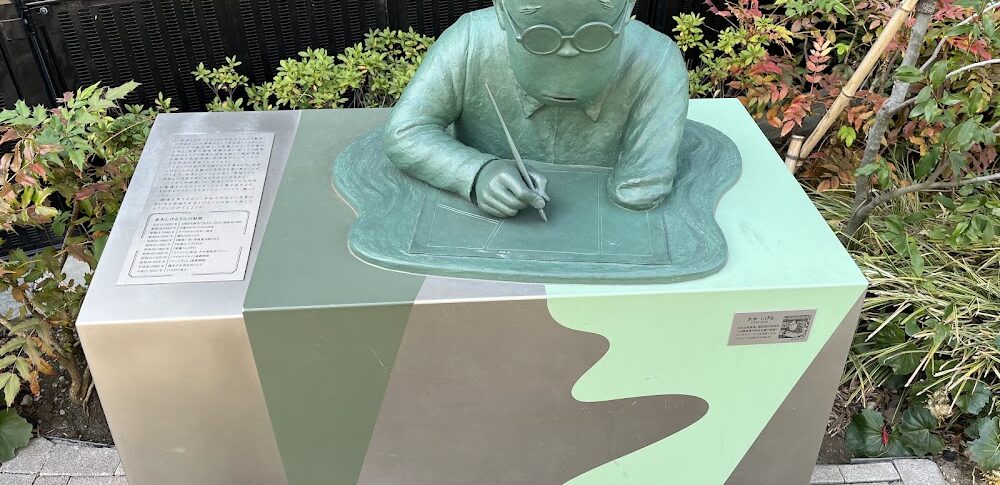
Chofu City in Tokyo is known as “the birthplace of Mizuki manga,” where the legendary manga artist Shigeru Mizuki lived for over 50 years from 1959 until his death in 2015, creating numerous masterpieces. For fans of Mizuki’s works, including “GeGeGe no Kitarō,” Chofu is an unmissable pilgrimage destination.
This article provides a comprehensive introduction to Kitarō-related spots in Chofu, efficient pilgrimage routes, and the latest event information as of 2025, thoroughly covering the sacred grounds of Mizuki manga.
The Deep Bond Between Shigeru Mizuki and Chofu City
A Creative Land That Has Marked Over 50 Years of History
Although Shigeru Mizuki was born in 1922 in Sakaiminato, Tottori Prefecture, he moved to Chofu in 1959 after coming to Tokyo and continued his creative work there until his death on November 30, 2015, at the age of 93. In 2008, Chofu City honored him as an Honorary Citizen, paying tribute to his achievements.
His days in Chofu deeply influenced his works. The “GeGeGe Forest” where the yokai in “GeGeGe no Kitarō” live is said to be modeled after the Daiji Temple forest behind Fuda Tenmangu Shrine. Additionally, everyday scenes such as shopping at local stores and walks are reflected throughout his works.
“GeGeGe Kinen” and Chofu City’s Initiatives
Chofu City designates November 30, the anniversary of Mizuki’s death, as “GeGeGe Kinen” and holds commemorative events every year. Since 2024, “GeGeGe Kinen 2025” is being held from mid-November through the end of the month, featuring exhibitions, lectures, stamp rallies, and various other projects.
In March 2025, the “Mizuki Shigeru Zone” was newly established. Crowdfunding through the hometown tax donation system was utilized for this development, gathering substantial support from fans nationwide. Chofu has become not merely a tourist destination but a special place where the love of Mizuki’s works converges.
Complete Guide to Must-See Pilgrimage Spots
Chofu Station Area
Tenjin Street Shopping Arcade | Sacred Ground’s Entrance Welcomed by Yokai
Tenjin Street Shopping Arcade, just a one-minute walk from Chofu Station’s north exit, is the ideal starting point for a Mizuki manga pilgrimage. Kitarō character monuments, set up in 1991 at Mizuki’s own suggestion, are scattered throughout the shopping arcade.
Main Attractions:
- Kitarō statue welcoming shoppers at the arcade entrance
- Nezumi-otoko lying on a bench
- Nekomusume riding on a Hitotsumeimen on a transformer box
- Medama-oyaji installed on streetlights
- Yokai drawn on shop shutters
Tenjin Street Shopping Arcade is approximately 300 meters long and takes 30 minutes to an hour to slowly explore and photograph. The arcade has many restaurants and souvenir shops, making it appealing to experience the local atmosphere while on a pilgrimage.
Kitarō Chaya | A Café Where You Can Experience the Yokai World
Kitarō Chaya, which relocated from Daiji Temple to Tenjin Street Shopping Arcade in 2024, is a must-see spot where you can experience the Mizuki world. The interior is unified with a yokai worldview, offering Kitarō merchandise sales and yokai-themed food and beverages.
Ways to Enjoy Kitarō Chaya:
- Original menus themed on yokai
- Purchase of limited-edition merchandise
- Commemorative photos at photo spots
- View original paintings in the in-store gallery
The relocation has greatly improved accessibility from Chofu Station, making it more convenient as a hub for pilgrimage. It is recommended to check the official site in advance for business hours and holidays.
Fuda Tenmangu Shrine | The Sacred Ground Where Kitarō and Friends Live
Fuda Tenmangu Shrine, located beyond Tenjin Street Shopping Arcade, is said to be the model for the “GeGeGe Forest” where Kitarō and his friends live in “GeGeGe no Kitarō.” Despite being only a five-minute walk from Chofu Station, stepping into the precincts transports you into verdant surroundings that make you forget the urban hustle and bustle.
History and Attractions of Fuda Tenmangu Shrine
Fuda Tenmangu Shrine has a long history, serving as the center of community faith since the Edo period. The current main hall is a precious structure preserving Edo period architectural styles.
Points for a Pilgrimage Visit:
- Kitarō fortune-telling slips (special fortune slips with character designs)
- Resting spaces in the shade within the shrine grounds
- Walking trails leading to the Daiji Temple forest behind the main hall
- Seasonal festivals in collaboration with Mizuki’s works
Especially during summer pilgrimages, the shade at Fuda Tenmangu Shrine becomes a valuable rest stop. The precincts are enveloped in a serene atmosphere, allowing you to experience the strange sensation that yokai truly dwell there.
Daiji Temple Area | A Sacred Ground Where Nature and History Intertwine
Daiji Temple | A Historic Temple of Tokyo and the Mizuki World
About 15 minutes by bus from Chofu Station, Daiji Temple is a Tendai Buddhist temple with one of Tokyo’s most significant histories, having been founded in 733. Mizuki frequently visited this location, and the natural environment surrounding Daiji Temple greatly influenced the worldview of “GeGeGe no Kitarō.”
Charms of Daiji Temple:
- National treasure-class Hakuhō Buddha (statue of Shakyamuni Buddha)
- Soba noodle shops lining the approach (Daiji Temple soba has been a specialty since the Edo period)
- Abundant natural environment within the temple grounds
- Seasonal scenery (particularly stunning during the autumn foliage season)
The approach to Daiji Temple is lined with over 20 soba shops, making dining after a visit another highlight. Hand-made Daiji Temple soba is an essential local delicacy for a Chofu pilgrimage.
Jindai Botanical Garden | Flowers of the Four Seasons and the Yokai World
Adjacent to Daiji Temple, Jindai Botanical Garden is Tokyo’s largest botanical garden with approximately 4,800 varieties of 100,000 plants. Mizuki is said to have enjoyed strolling here, a spot where you can sense yokai presence amid nature.
Recommended Seasons:
- Spring: Cherry blossoms and plum blossoms in competition
- Early Summer: Rose garden in full bloom (approximately 400 varieties, 5,200 plants)
- Autumn: Autumn foliage and autumn roses
- Winter: Tropical plants in the greenhouse
Efficient Pilgrimage Model Courses
Half-Day Course (Approximately 4 Hours)
9:00 Arrival at Chofu Station
↓ 1-minute walk
9:10 Tenjin Street Shopping Arcade Exploration (60 minutes)
- Photographing yokai monuments
- Enjoying shopping arcade cuisine
↓ 5-minute walk
10:15 Fuda Tenmangu Shrine Worship (45 minutes)
- Kitarō fortune-telling slips
- Shrine ground exploration
↓ 3-minute walk
11:00 Kitarō Chaya (60 minutes)
- Lunch & merchandise purchase
↓ 15-minute bus ride
12:30 Daiji Temple Worship (90 minutes)
- Soba noodle lunch (if light meal at Kitarō Chaya)
- Temple ground exploration
14:00 Return to Chofu Station
Full-Day Course (Approximately 7 Hours)
Add the following to the half-day course:
14:30 Jindai Botanical Garden (120 minutes)
- Seasonal flower viewing
- Nature exploration
↓ 20-minute bus ride
17:00 Chofu Station Area (60 minutes)
- Mizuki Shigeru Zone visit
- Souvenir shopping
18:00 Depart from Chofu Station
Walking Time Between Locations and Precautions
From Chofu Station to Fuda Tenmangu Shrine is within walking distance, but bus travel is convenient to Daiji Temple. Particularly in summer when temperatures rise, note the following:
- Bring a hat and umbrella
- Frequent hydration
- Rest in shade at Fuda Tenmangu Shrine or Daiji Temple
- Wear comfortable shoes
Access Information and Transportation
Train Access
Access to Chofu Station:
- 15 minutes by express from Shinjuku Station on the Keio Line
- Approximately 25 minutes from Shibuya Station on the Keio Line (transfer at Meidaimae)
- Approximately 20 minutes from Kichijoji Station on the Keio Line (transfer at Meidaimae)
Chofu Station is an express stop, making access from central Tokyo extremely convenient.
Bus Transportation
To Daiji Temple Area:
- Approximately 15 minutes from Chofu Station’s north exit on Keio Bus “Daiji Temple” route
- Approximately 30 minutes from Kichijoji Station’s south exit on Odakyu Bus “Daiji Temple” route
- Approximately 25 minutes from Mitaka Station’s south exit on Odakyu Bus “Daiji Temple” route
Buses run at 15-minute intervals, with minimal wait times.
Car Access and Parking
Access from Major Roads:
- Approximately 10 minutes from “Chofu IC” on the Chuo Expressway
- Approximately 20 minutes from “Takaido IC” on the Metropolitan Expressway
Parking Information:
- Around Daiji Temple: Multiple paid parking lots (approximately 300 yen per hour)
- Jindai Botanical Garden: Dedicated parking lot (300 yen per hour)
- Around Chofu Station: Station-front parking and numerous coin parking lots
Weekends and autumn foliage season see congestion, so public transportation is recommended.
Latest Event Information for 2025
GeGeGe Kinen 2025
“GeGeGe Kinen,” held from mid-November through the 30th each year, is Chofu City’s largest event honoring Shigeru Mizuki.
Main Projects for 2025:
- Shigeru Mizuki Birth Anniversary Exhibition
- Chofu City Stamp Rally
- Kitarō Voice Actor Talk Show
- Yokai Costume Parade
- Limited Merchandise Sales
- Special Memorial Service at Daiji Temple
On November 30, the date of death, special events are held at Fuda Tenmangu Shrine and Daiji Temple, drawing fans from nationwide.
Shigeru Mizuki Birth Anniversary Commemorative Events
As commemorative events for Mizuki’s birthday, Chofu City plans various anniversary projects. 2025 will feature exhibitions and lectures commemorating his 103rd birth anniversary.
Examples of Past Memorial Events:
- Original art exhibitions and special displays
- Mizuki work screenings
- Lectures by yokai researchers
- Limited collaboration merchandise sales
The latest information is regularly updated on the Chofu City Tourism Association’s official website, so it is recommended to check before visiting.
Seasonal Limited Events
Spring (March–May):
- Daiji Temple Daruma Market (March)
- Jindai Botanical Garden Rose Festa (May)
Summer (June–August):
- Chofu Fireworks Festival (with Kitarō collaboration effects)
- Summer vacation yokai workshops
Autumn (September–November):
- Jindai Botanical Garden Autumn Rose Festa (October)
- GeGeGe Kinen (November)
Winter (December–February):
- Daiji Temple Setsubun Festival
- New Year Special Projects
Cuisine & Souvenir Information
Local Specialties in Chofu and Daiji Temple
Daiji Temple Soba
Over 20 soba shops, continuing from the Edo period, operate around Daiji Temple, each with its own character.
Characteristics of Popular Shops:
- Traditional hand-made soba from established shops
- Set menus with tempura
- Seasonal limited menus
- Some shops offer Kitarō collaboration menus
Daiji Temple soba is characterized by fragrant noodles made with Musashino spring water and is enjoyed as a standard delicacy after visits.
Kitarō Chaya’s Yokai Menu
Kitarō Chaya offers creative menus with yokai themes:
- Medama-oyaji chestnut zenzai
- Yokai latte art
- Kitarō curry
- Nezumi-otoko special rice bowl
Food that is enjoyable to look at has become popular for its Instagram appeal.
Recommended Souvenirs
Kitarō Merchandise:
- Kitarō Chaya exclusive goods
- Yokai merchandise at Tenjin Street Shopping Arcade
- Kitarō amulets at Fuda Tenmangu Shrine
Confectioneries from Chofu:
- Kitarō manjū (sweet buns)
- Yokai cookies
- Daiji Temple soba (dried noodles)
Limited Items:
- GeGeGe Kinen limited merchandise
- Anniversary collaboration products
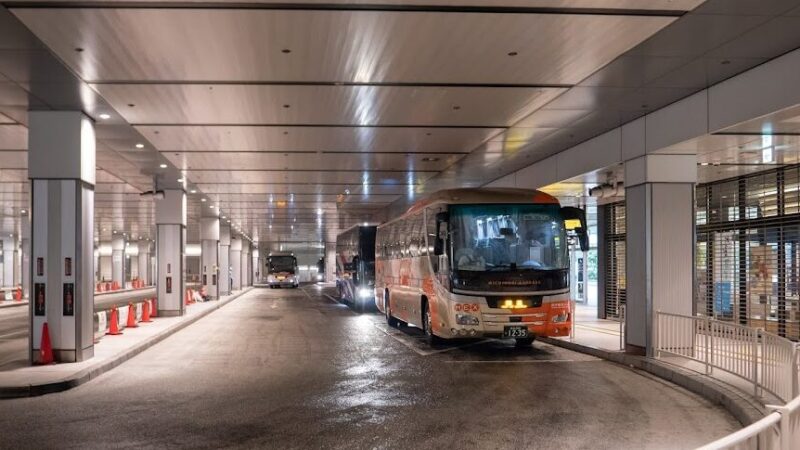
Charter Bus Tour Information
Benefits of Day-Trip Charter Bus Tours
Chofu’s pilgrimage is also popular as a group charter bus tour with particular advantages:
- Efficient route planning
- Reduced fatigue from travel
- Detailed explanations with a guide
- Memorable group experiences
Model Tour Course
Chofu and Daiji Temple Full Experience Course (7 hours):
09:00 Departure from central Tokyo
↓
10:00 Arrival at Chofu Station, Tenjin Street Shopping Arcade exploration (60 minutes)
↓
11:15 Fuda Tenmangu Shrine worship (45 minutes)
↓
12:15 Daiji Temple soba lunch (60 minutes)
↓
13:30 Daiji Temple worship and precincts exploration (60 minutes)
↓
14:45 Jindai Botanical Garden (90 minutes)
↓
16:30 Kitarō Chaya souvenir shopping (30 minutes)
↓
17:00 Depart Chofu
18:00 Arrival in central Tokyo
Charter Bus Fare Estimates
Medium Bus (27-passenger capacity):
- 7-hour use: Approximately 70,000 to 90,000 yen
- Per person share: Approximately 3,000 yen
Large Bus (45-passenger capacity):
- 7-hour use: Approximately 90,000 to 120,000 yen
- Per person share: Approximately 2,500 yen
Fares vary by season and day of the week. Early booking is recommended during busy periods such as GeGeGe Kinen.
Nearby Tourist Spots
Other Points of Interest in Chofu City
Chofu City Culture Hall Tazukuri
A complex cultural facility directly south of Chofu Station where Mizuki-related exhibition projects are regularly held. The library has a Mizuki works corner, making it ideal to visit between pilgrimage stops.
Chofu Airfield
A small aircraft-only airfield in Tokyo with scheduled flights to the Izu Islands. Airfield tours and observation of aircraft from the observation deck are also enjoyable.
Combinations with Nearby Areas
Mitaka Forest Ghibli Museum (Mitaka City):
About 15 minutes by train from Chofu. A must-see spot for anime fans.
Inokashira Park (Musashino City):
Bus routes from Kichijoji to Daiji Temple allow for combining nature walks with pilgrimage.
Mount Takao (Hachioji City):
Direct access by Keio Line. Popular as a day course combining nature and history.
How to Enjoy Pilgrimage and Etiquette
Photography Tips
Recommended Photography Spots:
- Yokai monuments on Tenjin Street Shopping Arcade
- Main hall and precincts of Fuda Tenmangu Shrine
- Daiji Temple mountain gate and approach
- In-store photo spots at Kitarō Chaya
Photography Considerations:
- Be mindful not to disturb other visitors
- Check photography-prohibited areas at shrines and temples
- Avoid obstructing shop operations in the arcade
Pilgrimage Manners
Chofu is a sacred site for Mizuki fans, but also a place where residents conduct their daily lives.
Manners to Follow:
- Avoid loud voices and noise in residential areas
- Always take trash with you
- Trespassing on private property is strictly prohibited
- Observe shrine and temple visiting etiquette
- Support the community by patronizing local shops
SNS Posting Tips
When sharing pilgrimage memories on social media, these hashtags are effective:
- #水木マンガの生まれた街
- #調布聖地巡礼
- #ゲゲゲの鬼太郎
- #鬼太郎茶屋
- #深大寺
- #布多天神社
- #ゲゲゲ忌
Recommended Visit Seasons
Spring (March–May)
Recommendation Level: ★★★★☆
Cherry blossom season makes Daiji Temple and Jindai Botanical Garden particularly beautiful, and the climate is pleasant. May’s Rose Festa is a must-see. However, Golden Week is crowded.
Summer (June–August)
Recommendation Level: ★★★☆☆
Summer events like the Chofu Fireworks Festival are appealing, but high temperatures make walking exhausting. Multiple rest stops in shade are necessary, and heat stroke prevention is essential.
Autumn (September–November)
Recommendation Level: ★★★★★
The most recommended season. Autumn foliage is beautiful and the climate is pleasant. Particularly during November’s GeGeGe Kinen, special events are abundant, making it ideal for pilgrimage.
Winter (December–February)
Recommendation Level: ★★★☆☆
Fewer tourists allow for leisurely exploration. Winter-specific events like Daiji Temple’s Setsubun Festival are available. However, early sunset requires careful schedule management.
Accommodation Information
Hotels in Chofu City
Several business hotels operate near Chofu Station with accommodation rates around 6,000 to 10,000 yen per night. Recommended for those wanting to take two days for a leisurely pilgrimage.
Accommodations in Nearby Areas
Shinjuku Area:
15 minutes by train from Chofu. Abundant accommodation options and evening sightseeing opportunities.
Kichijoji Area:
20 minutes by train from Chofu. Stylish town atmosphere and diverse dining options.
Tracing Shigeru Mizuki’s Footsteps
Mizuki Production Office Former Site
Locations of the former Mizuki Production office remain in Chofu. Though not open to the public, exploring the area allows you to walk the streets Mizuki frequented daily.
Shops Visited by Mizuki
Shops on Tenjin Street Shopping Arcade that Mizuki frequently visited during his lifetime continue operating today. These are spots where you can feel the late Mizuki’s character, which valued interaction with locals.
Conclusion: Making the Most of Your Chofu Pilgrimage
Tokyo’s Chofu City is “the birthplace of Mizuki manga,” where Shigeru Mizuki lived for over 50 years, creating masterpieces including “GeGeGe no Kitarō.” With abundant attractions including Tenjin Street Shopping Arcade, Fuda Tenmangu Shrine, Daiji Temple, and Kitarō Chaya, visitors can enjoy a thorough pilgrimage over a half day to a full day.
Keys to Successful Pilgrimage:
- Check the latest event information beforehand
- Dress appropriately for the season and take heat stroke precautions
- Plan efficient routes (half-day or full-day courses)
- Enjoy local cuisine (Daiji Temple soba, Kitarō Chaya)
- Take considerate photographs and social media posts respecting etiquette
- November’s GeGeGe Kinen is particularly recommended
Chofu pilgrimage is recommended not only for Mizuki fans but also for those interested in Japanese yokai culture and those seeking to enjoy nature and history. Being close to the city center and easily accessible for day trips is a major appeal. Please refer to this article for a special journey experiencing the world of Mizuki manga.
2025 offers even more fulfilling pilgrimage with the newly established “Mizuki Shigeru Zone” and other enhancements. A journey tracing the great footsteps of Shigeru Mizuki in Chofu, where yokai seem to still dwell, will surely become an unforgettable memory.