The Hasegawa Machiko Museum: A Sacred Pilgrimage to the World of Sazae-san
A museum dedicated to Japan’s representative national manga “Sazae-san” and its creator Hasegawa Machiko. Located in Setagaya Ward, Tokyo, this facility has become a special pilgrimage destination for Sazae-san fans and those interested in manga culture. In this article, we introduce in detail the appeal of sacred pilgrimage centered on the Hasegawa Machiko Museum, access methods, highlights, and surrounding spots.
What is the Hasegawa Machiko Museum?
The Hasegawa Machiko Museum is an art museum that introduces the works and life of manga artist Hasegawa Machiko (1920-1992), known for “Sazae-san” and “Ijiwaru Baasan.” It opened as the Hasegawa Machiko Art Museum in 1985 and was renewed in 2020 to take its current form.
Features of the Facility
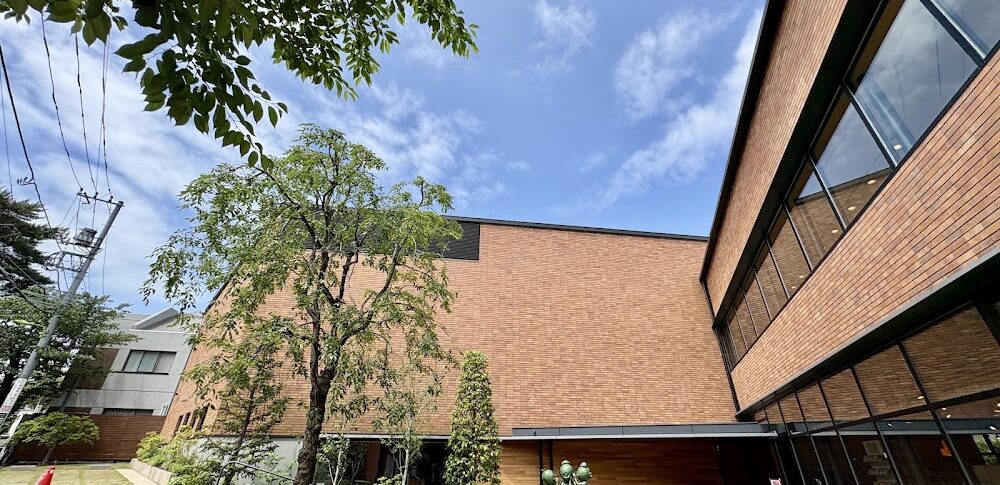
The Hasegawa Machiko Museum is located alongside the Hasegawa Machiko Art Museum and consists of two buildings. The memorial hall features displays recreating Hasegawa Machiko’s workplace, manga manuscripts, and personal belongings, allowing visitors to trace the footsteps of the creator’s artistic activities. Meanwhile, the art museum showcases the art collection that Hasegawa Machiko accumulated throughout her life.
The buildings are situated in a quiet residential area, allowing visitors to feel the atmosphere of Setagaya that Hasegawa Machiko loved, including the surrounding environment. The exhibition contents change regularly, making it appealing that visitors can make new discoveries no matter how many times they visit.
Hasegawa Machiko’s Achievements
Hasegawa Machiko began serializing “Sazae-san” in 1946 and continued the newspaper four-panel manga for 28 years. The work, with its warm humor and depiction of postwar Japanese family life, continues to be loved across generations.
In 1974, she became the first woman to receive the Purple Ribbon Medal, and in 1982, she received the People’s Honor Award. Her achievements hold an extremely important place in the history of Japanese manga culture. The Hasegawa Machiko Museum is a precious facility that passes down the footsteps of this great manga artist to future generations.
The Appeal of Sacred Pilgrimage
The reason the Hasegawa Machiko Museum attracts attention as a “sacred pilgrimage” spot lies in the special experience it offers beyond being a mere exhibition facility.
Immersing in the World of Sazae-san
Within the museum, the work desk, art materials, and creative notes actually used by Hasegawa Machiko are displayed, allowing visitors to catch a glimpse of where “Sazae-san” was created. Seeing the delicate pen touches of the original artwork, traces of corrections, and rough sketches of characters up close deepens one’s understanding of the work.
The exhibition room also displays historical “Sazae-san” volumes and newspaper pages from the serialization period, allowing visitors to confirm how the art style changed over time and how social conditions were reflected.
The Trajectory of the Creator’s Life and Artistic Work
The Hasegawa Machiko Museum allows visitors to understand not only Hasegawa Machiko’s face as a creator but also her life as a woman. Through family photographs, travel records, and art pieces collected as hobbies, one can gain insight into a side of her private life, leading to a deeper understanding of the feelings and values embedded in her works.
Particularly, experiencing how she worked together with her older sister Hasegawa Mariko, her evacuation experience during wartime, and her creative activities during Japan’s postwar recovery period against historical backgrounds is an experience unique to the museum. This allows one to reconsider the works in light of their historical context.
Interaction with Fan Communities
Among those who visit the Hasegawa Machiko Museum, there are many enthusiastic Sazae-san fans, and conversations naturally emerge while viewing the displays. The museum shop sells limited-edition goods, functioning as a meeting place for people who share love for the same work.
Access Information and Basic Details
Location
Address: 1-30-6 Sakurashincho, Setagaya Ward, Tokyo
The Hasegawa Machiko Museum is located in Sakurashincho, Setagaya Ward, Tokyo. Sakurashincho is known for a shopping street called “Sazae-san Avenue,” where the entire area is dyed in Sazae-san colors.
Access by Train
Nearest Station: Tokyu Denentoshi Line “Sakurashincho Station”
- About 7 minutes walk from the west exit of Sakurashincho Station
- About 10 minutes by express from Shibuya Station to Sakurashincho Station
- About 5 minutes from Futako Tamagawa Station to Sakurashincho Station
When you exit Sakurashincho Station, character monuments and signage of Sazae-san are installed from the station front, and the path to the museum is enjoyable. The route walking along “Sazae-san Avenue” is recommended.
Access by Car
The museum does not have a dedicated parking lot, so public transportation is recommended. If you must visit by car, you will need to use nearby coin parking, but be aware that spaces are limited.
Opening Hours and Closed Days
Opening Hours: 10:00 AM–5:30 PM (last admission 5:00 PM)
Closed: Mondays (if a national holiday, the following weekday), year-end and new year, during exhibition changes
※Opening hours and closed days may change, so it is recommended to check the official website for the latest information before visiting.
Admission Fees
General: 600 yen
65 and older: 500 yen
University and high school students: 500 yen
Junior and elementary school students: 400 yen
※Group discounts and disability discounts are also available
※A combined ticket for both the Hasegawa Machiko Museum and Art Museum is also available, allowing for efficient viewing of both facilities
Highlights of the Hasegawa Machiko Museum
Recreated Workspace
One of the museum’s greatest highlights is a faithful recreation of Hasegawa Machiko’s workspace. The actual desk, chair, art materials, and reference materials she used are arranged, allowing visitors to experience the environment in which the manga artist conducted her creative work.
The staging, such as unfinished manuscripts and idea notes placed on the desk as if she were still working, creates a sense of presence as if Hasegawa Machiko continues her creative work. The display, which considers even the quality of light coming through the window, is a valuable space where visitors can experience the daily life of the creator.
Valuable Original Artwork Collection
The Hasegawa Machiko Museum regularly displays original artwork from “Sazae-san” and other works. There are discoveries unique to original artwork, such as delicate pen touches invisible in printed matter, traces of correction fluid, and the ingenuity of speech bubble placement.
Particularly, comparing early works with later works allows confirmation of changes in art style and technical evolution, making it possible to trace Hasegawa Machiko’s growth process as a manga artist. Since the original artwork display changes regularly, visitors can encounter new works no matter how many times they visit.
Display of Favorite Items and Personal Belongings
Items regularly used by Hasegawa Machiko are also on display. Kimonos, accessories, travel bags, cameras, and other items convey aspects of the creator’s personality that cannot be known from works alone, revealing the true face of Hasegawa Machiko.
Particularly interesting are the photographs Hasegawa Machiko took while traveling and her sketchbooks. From these, one can understand how her keen observation of daily life was reflected in her works.
Historical Background Materials
“Sazae-san” was serialized from 1946 to 1974, and during that period, Japanese society underwent major changes. The museum also displays newspaper pages from the serialization period and explanatory panels reflecting episodes that reflect the times, helping visitors understand the historical context in which the work was created.
“Sazae-san” was a mirror reflecting the times, capturing everything from the daily life of common people during postwar recovery, changes in family life during the period of high economic growth, to the proliferation of household appliances. Through these materials, one can reaffirm the cultural and historical value transcending mere manga works.
Museum Shop
The museum shop within the Hasegawa Machiko Museum sells limited-edition goods available nowhere else. Original-design postcards, clear files, tote bags, stationery, and other items no Sazae-san fan should miss are available.
Particularly popular are goods featuring original artwork designs and Japanese crafts using Hasegawa Machiko’s illustrations. They are perfect as souvenirs for oneself and gifts for Sazae-san fans.
Sacred Pilgrimage Spots in the Surrounding Area
After visiting the Hasegawa Machiko Museum, try exploring nearby Sazae-san-related spots. The Sakurashincho area is developed as “the town of Sazae-san,” and walking through the area itself becomes a sacred pilgrimage.
Sazae-san Avenue (Sakurashincho Shopping Street)
Along the shopping street called “Sazae-san Avenue,” which runs from Sakurashincho Station to the museum, bronze statues and monuments featuring Sazae-san characters are scattered about, making it a popular photo spot.
Street lamps along the shopping street feature illustrations of the Sazae-san family, and even manhole covers are designed in Sazae-san style, allowing visitors to enjoy a meticulously crafted streetscape. Some shops in the shopping street sell Sazae-san merchandise.
Sazae-san Statues
Character statues of the Sazae-san family, including Sazae-san, Masuo-san, Katsuo, Wakame, and Tara-chan, are installed at various locations near Sakurashincho Station and throughout the shopping street. Visitors can take commemorative photos with these familiar characters.
Particularly popular are the statues of Sazae-san and Masuo-san standing together and the siblings Katsuo and Wakame. Each statue has an explanatory plate introducing the character’s features and episodes from the work.
Hasegawa Machiko Art Museum
The Hasegawa Machiko Art Museum, adjacent to the Hasegawa Machiko Museum, allows visitors to appreciate the art collection that Hasegawa Machiko accumulated throughout her life. The diverse collection, ranging from Japanese paintings, Western paintings, ceramics, and glass crafts, speaks to Hasegawa Machiko’s refined aesthetic sense.
Purchasing a combined ticket for both the museum and art museum allows efficient viewing of both facilities. By encountering both sides of Hasegawa Machiko—the manga artist and the art enthusiast—visitors can develop a more three-dimensional understanding of the creator.
Sakurashincho Park
Sakurashincho Park, within walking distance of the museum, serves as a gathering place for local residents. In spring, cherry blossoms bloom beautifully, evoking the Showa-era scenery that served as the setting for “Sazae-san.”
With benches throughout the park, it is ideal for resting before or after viewing the museum. The park presents a different appearance with each season, offering fresh discoveries with every visit.
Tips for Enjoying Sacred Pilgrimage
Preparations Before Visiting
To make your experience at the Hasegawa Machiko Museum more fulfilling, some preparations before your visit are recommended.
Study of works: Re-reading volumes of “Sazae-san” or rewatching anime deepens understanding of the exhibit contents. Particularly, comparing early and later works makes the historical background of displayed original artwork more comprehensible.
Check the official website: Confirm the opening status on your planned visit date, special exhibition information, event information, and more beforehand. Note that the museum may close during exhibition changes.
Camera preparation: While many areas in the museum prohibit photography, some exhibits allow it. Additionally, since Sazae-san Avenue and character statues are freely photographable, remember to bring a camera or smartphone.
Estimated Visit Duration
Thoroughly viewing the Hasegawa Machiko Museum takes approximately 1 to 2 hours. If you also plan to visit the adjacent Hasegawa Machiko Art Museum, add about an hour. Including exploration of Sazae-san Avenue and visits to character statues, allotting about half a day is recommended. Enjoy the sacred pilgrimage slowly and thoroughly while savoring the area’s atmosphere.
Recommended Visiting Seasons
The Hasegawa Machiko Museum can be enjoyed year-round, but certain seasons are particularly recommended.
Spring (March–May): The season when cherry blossoms, for which Sakurashincho is named, beautifully bloom. A sacred pilgrimage while enjoying cherry blossom trees is exceptional.
Autumn (October–November): A season with mild weather ideal for exploration. With beautiful autumn foliage, visitors can enjoy exhibits in a tranquil atmosphere.
During special exhibitions: The museum regularly holds special exhibitions. Since valuable materials are displayed according to themes, planning your visit to coincide with special exhibitions is also recommended.
Nearby Dining Information
One of the joys of sacred pilgrimage is local cuisine. In the area surrounding Sakurashincho, there are restaurants serving menus inspired by Sazae-san and shops where you can enjoy traditional shopping street food.
Along Sazae-san Avenue are cafes selling sweets featuring Sazae-san and long-established local confectioneries. Why not drop by before or after viewing the museum to enjoy local flavors?
History and Development of the Hasegawa Machiko Museum
Understanding the history of the Hasegawa Machiko Museum deepens appreciation of the facility.
Circumstances of Opening
The Hasegawa Machiko Art Museum was established in 1985 by Hasegawa Mariko, the older sister of Hasegawa Machiko. It realized the facility that Hasegawa Machiko had envisioned during her lifetime: “a place to pass down her works and collected art to future generations.”
Initially only an art museum, a memorial section focusing on Hasegawa Machiko’s creative activities was newly added during the 2020 renewal. This transformed it into a complex facility where visitors can experience both the art collection and the manga artist’s footsteps.
Renewal Contents
The 2020 renewal brought not only enriched exhibition contents but also facility modernization, including accessibility improvements and the introduction of digital display techniques, transforming it into a contemporary art museum.
Particularly noteworthy is the introduction of a touch panel-based artwork commentary system and enhanced audio guide services. This allows for deeper understanding of the work world. Additionally, exhibition room lighting and temperature/humidity control systems were updated to the latest equipment, enabling optimal preservation and display of valuable original artwork.
Community Involvement
The Hasegawa Machiko Museum functions as a community-based cultural facility. It collaborates with local elementary and junior high schools on educational programs and works with the shopping street in hosting events, contributing to Sakurashincho’s urban development.
Branding the area as “the town of Sazae-san” centers around the museum and is noted as a successful case study in regional revitalization.
The Artistic World of Hasegawa Machiko
To enjoy the sacred pilgrimage more, becoming familiar with Hasegawa Machiko’s major works is worthwhile.
Sazae-san
Serialization of “Sazae-san” began in 1946, depicting the daily lives of the family centered on protagonist Fugata Sazae in a four-panel manga format. Drawn with warm humor and depicting the lives of ordinary people in postwar Japan, it became a work beloved across generations and time.
A distinctive feature is that the character development occurs along the story timeline—when serialization began, Sazae-san was single, but she married and had a child during serialization. The work was adapted into a television anime starting in 1969 and continues broadcasting as a long-running series.
Ijiwaru Baasan
“Ijiwaru Baasan” is a representative work of Hasegawa Machiko comparable to “Sazae-san.” Serialized from 1966, this work is a satirical manga where the protagonist, an elderly woman, delivers biting sarcasm against world irrationality and hypocrisy.
In contrast to the gentle world of “Sazae-san,” it is characterized by cynical and caustic humor, demonstrating the breadth of Hasegawa Machiko as a creator.
Other Works
Hasegawa Machiko published numerous works including “Apron Obasan” and “Nita Mono Ikka.” These works are also introduced at the museum, allowing visitors to encounter Hasegawa Machiko’s creations beyond “Sazae-san.”
Sacred Pilgrimage in the Digital Age
In contemporary times, sacred pilgrimage is closely linked with SNS. The Hasegawa Machiko Museum offers enjoyment unique to the digital age.
Instagram-Worthy Spots
Character statues along Sazae-san Avenue, the museum’s exterior, Sakurashincho Station’s monuments, and many other photo-friendly locations exist. Share your visit records using hashtags like “#長谷川町子記念館” “#サザエさん通り” “#桜新町”
Referencing posts by other visitors can help you discover spots you might have missed.
Online Content
The official website of the Hasegawa Machiko Museum publishes past exhibition information and reading content related to Hasegawa Machiko. Reading these before your visit allows you to enjoy the exhibits with deeper understanding.
Additionally, the official SNS accounts share the latest exhibition information and event announcements, so following them is recommended.
Conclusion: A Special Experience at the Hasegawa Machiko Museum
The Hasegawa Machiko Museum is a precious facility where you can trace the creative trajectory of a manga artist representing Japan. A sacred pilgrimage in Sakurashincho, Setagaya Ward, Tokyo, where the world of Sazae-san spreads throughout the entire area, will be an unforgettable experience for fans.
Along with appreciating the exhibits at the museum, visitors can enjoy a full day’s worth of content, including exploring Sazae-san Avenue, visiting character statues, and savoring local cuisine.
Hasegawa Machiko’s works transcend mere entertainment manga to become a mirror reflecting the social history of postwar Japan. Visiting the museum not only deepens understanding of the works but should also provide insight into nostalgia for the Showa era and awareness about the nature of family.
The Hasegawa Machiko Museum offers excellent access within Tokyo. Why not take a sacred pilgrimage into the world of Sazae-san on your next day off? You will surely spend heartwarming special time there.