Introduction: The Relationship Between “Uma Musume Pretty Derby” and Mikarino-no-Mori Kamo Shrine
“Uma Musume Pretty Derby” is a popular multimedia content work that transforms real racehorses into beautiful girl characters, developed across anime, games, manga, and other media. This work, which focuses on racehorse training and racing, features numerous real horse racing-related facilities and locations connected to horses.
Among these, the “Mikarino-no-Mori Kamo Shrine (御猟野乃杜賀茂神社)” located in Ritto City, Shiga Prefecture, is particularly known as an important sacred site. This shrine appears in the work itself and has become a place visited by many Uma Musume fans on pilgrimage to sacred sites.
This article provides thorough explanations of everything needed for a sacred site pilgrimage, from the shrine’s history and connection to Uma Musume, to access methods, highlights, photo spots, and surrounding facilities.
What is Mikarino-no-Mori Kamo Shrine – History and Origins of the Sacred Site of Horses
Establishment and History of the Shrine
Mikarino-no-Mori Kamo Shrine was founded in 736 AD (the 8th year of the Tenpyo era), making it an extremely historic shrine. This shrine, with nearly 1,300 years of history, has maintained a deep connection with horses since ancient times.
The name “Mikarino-no-Mori” derives from the fact that this area was formerly a hunting ground for the imperial court (mikarino). During the Nara period, Japan’s first state-run horse ranch was established in this region, where horses for presentation to the imperial court were raised.
Japan’s First State-Run Horse Ranch and the Sacred Site of Horses
The Ritto City area was where the “Samaryo (左馬寮),” a horse ranch directly under imperial control, was established from the Nara period through the Heian period. Horses raised here played important roles in imperial court ceremonies and military operations.
Due to this historical background, Mikarino-no-Mori Kamo Shrine has been revered since its founding as a shrine for praying for horse safety and health, and continues to be passed down to the present as the “Sacred Site of Horses.”
The Modern Relationship Between Ritto and Horse Racing
Today, Ritto City is home to the Japan Racing Association (JRA) Ritto Training Center, where numerous racehorses undergo training. Most racehorses in western Japan train at Ritto, making it truly a modern “horse town.”
Because Ritto City brings together this historical background and modern horse racing culture, it is a location truly befitting “Uma Musume Pretty Derby” as a sacred site.
Mikarino-no-Mori Kamo Shrine in Uma Musume Pretty Derby
Appearance Scenes in the Work
Mikarino-no-Mori Kamo Shrine appears as an important location in the anime version of “Uma Musume Pretty Derby.” It is depicted in scenes where Uma Musume characters offer prayers and in moments where they pray for victory, becoming an important element in forming the work’s world view.
The shrine grounds, torii gate, and the giant divine horse statue mentioned below are faithfully recreated from the actual location, making it a precious place for fans to immerse themselves in the world of the work.
Uma Musume × Ritto City Collaboration
“Uma Musume Pretty Derby” has undertaken official collaborations with Ritto City and Mio Village in Ibaraki Prefecture (where the eastern training center is located).
In Ritto City, events such as life-sized character panel displays at the Ritto Arts and Culture Hall Sakira, stamp rallies at various locations throughout the city, and special merchandise sales have been held. Mikarino-no-Mori Kamo Shrine has become an important collaboration event spot, attracting many fans.
These collaborations have been particularly active during “horse years” such as 2014 and after 2021 when the work became especially popular, contributing to regional revitalization.
The Japan’s Largest Divine Horse Statue – The Greatest Highlight of Mikarino-no-Mori Kamo Shrine
The Divine Horse Statue Radiating Overwhelming Presence
The greatest highlight of Mikarino-no-Mori Kamo Shrine is the Japan’s largest divine horse statue enshrined within the shrine grounds. This divine horse statue commands attention with its size exceeding life-size proportions, measuring approximately 3 meters in height and 4 meters in overall length.
This divine horse statue, modeled after a white horse, is depicted in a powerfully muscular and vigorous form, truly embodying the strength and beauty of a racehorse. For Uma Musume fans, it is a must-see spot as a symbol of the work’s world view.
The Origin and Meaning of the Divine Horse Statue
This divine horse statue was installed to pass on to future generations the history of Ritto City’s development as a “horse town” and to pray for the safety and success of racehorses.
In Shintoism, horses are considered the vehicles of gods, and “divine horses” presented to shrines are sacred beings. This massive divine horse statue is not merely a monument, but also an object of faith embodying the wishes of all people involved with horses.
Photography Tips
The divine horse statue reveals different expressions when photographed from various angles. Recommended photography spots are as follows:
- Frontal shot: The angle that best conveys the power and grandeur of the divine horse statue
- Diagonal front shot: A composition with dynamic feeling, where the racehorse essence stands out
- Side shot: The overall proportions and beautiful silhouette of the horse are prominent
- Together with the torii gate: Captures both the shrine-like atmosphere and the divine horse statue simultaneously
On sunny days in particular, the divine horse statue against a blue sky is exceptionally photogenic, so visiting on good weather days is recommended.
Highlights of the Shrine Grounds and Points for Worship
Main Hall and Worship Hall
The main hall of Mikarino-no-Mori Kamo Shrine is constructed in traditional shrine architecture style, creating a solemn atmosphere. When worshipping, please follow these proper procedures:
- Bow once before passing through the torii gate
- Cleanse your hands and mouth at the water basin
- Perform the two-bow, two-clap, one-bow ritual before the worship hall
- Silently make your wish in your heart
Among Uma Musume fans, many come to pray for the success and achievements of their favorite Uma Musume characters or for successful horse training in the game.
Atmosphere of the Shrine Grounds and Photo Spots
The shrine grounds are relatively modest in size but well-maintained and filled with a fresh atmosphere. The following spots are particularly recommended for photography:
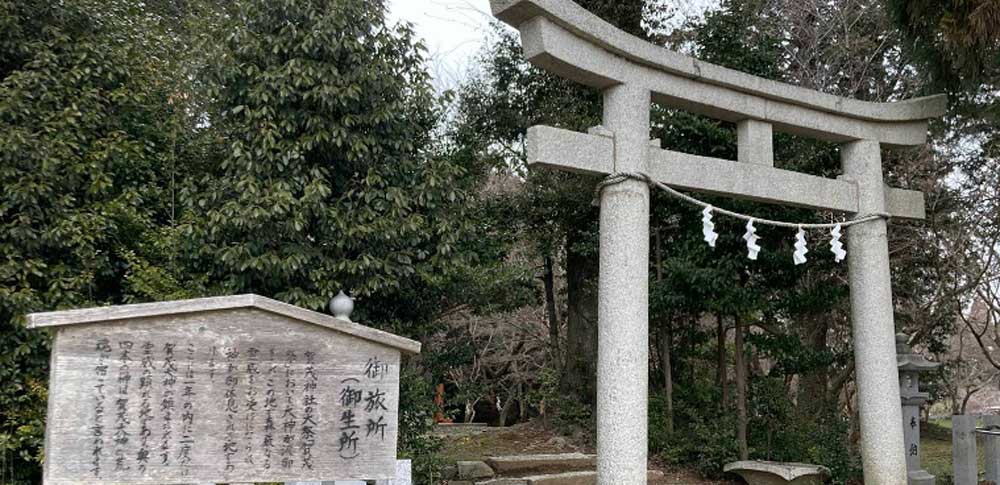
- Torii gate: Perfect as the entrance to the shrine for commemorative photos of pilgrimage to sacred sites
- Around the shrine office: Where ema (votive plaques), amulets, and other items are distributed
- Trees within the grounds: Natural scenery that shows different faces depending on the season
Shrine Seals and Amulets
Mikarino-no-Mori Kamo Shrine offers shrine seals (only during shrine office hours). As a memento of Uma Musume sacred site pilgrimage, recording it in an ema collection book is also a nice option.
Horse-related amulets and votive plaques are also available and are popular with horse racing fans and Uma Musume fans alike. Particularly, amulets for winning luck and traffic safety are well-received as symbols of the power of horses.
Access Methods – How to Get to Mikarino-no-Mori Kamo Shrine
Basic Information
Address: 896 Arahara, Ritto City, Shiga Prefecture
Visiting Hours: Shrine grounds are generally open for free worship (shrine office open during daytime hours only)
Admission Fee: Free
Parking: Available (free, limited spaces)
Train Access
Using JR Biwako Line
- Get off at JR Ritto Station
- Approximately 25-minute walk (about 2km) from Ritto Station
- Or approximately 5 minutes by taxi
Ritto Station is not a major station where express trains stop, but local trains do. You can access it in approximately 20 minutes from Kyoto Station and about 50 minutes from Osaka Station.
Walking Route
The route from Ritto Station to the shrine goes through residential areas. Using navigation apps like Google Maps is recommended. Since there are no particularly prominent directional signs along the way, it’s best to check the route in advance.
Car Access
Using Highways
- Approximately 10 minutes from “Ritto IC” on the Meishin Expressway
- Approximately 15 minutes from “Kusatsu-Tagami IC” on the Shin-Meishin Expressway
The location is easily accessible from the Kyoto direction, Osaka direction, and Nagoya direction.
Car Navigation Settings
Searching for the address “896 Arahara, Ritto City, Shiga Prefecture” or “Mikarino-no-Mori Kamo Shrine” will display the location. However, since the area around the shrine is a residential neighborhood, some roads have narrow widths. Careful driving is necessary.
Parking
There are a limited number of parking spaces within the shrine grounds. They are free to use, but spaces are limited, so there may be congestion during weekends or event times.
There are almost no private parking lots in the immediate vicinity, so using public transportation is also worth considering.
Taxi
Taking a taxi from JR Ritto Station takes about 5 minutes, with fares around 1,000 yen. While Ritto Station has a taxi stand, there aren’t many taxis available, so it’s better to arrange one in advance using a ride-hailing app.
How to Enjoy Sacred Site Pilgrimage and Etiquette
Photography Precautions
Mikarino-no-Mori Kamo Shrine is both a sacred site for Uma Musume and a place of local worship. Please note the following when photographing:
- Be considerate so as not to disturb worshippers
- Do not photograph in places where photography is prohibited, such as inside the main hall
- Do not speak loudly or make noise
- Use tripods and selfie sticks only after assessing the surrounding situation
- Do not enter private property or restricted areas
Cosplay Photography
Prior confirmation with the shrine is necessary for cosplay photography on the grounds. Avoid unauthorized cosplay photography, and always obtain permission before proceeding.
Additionally, since there are no changing rooms or similar facilities, if you plan to visit in cosplay, you will need to secure a changing area in advance.
SNS Posting Etiquette
When posting about your sacred site pilgrimage experience on SNS, please note the following:
- Be considerate so other worshippers don’t appear in photos
- Handle address and detailed location information carefully
- Maintain expressions that show respect for the shrine and region
Using hashtags such as “#UmaMusume,” “#SacredSitePilgrimage,” and “#MikarinonomoriKamoShrine” will help you connect with fans who share the same interests.
Visiting Periods and Recommended Seasons
Mikarino-no-Mori Kamo Shrine can be visited throughout the year, but each season has different charms:
- Spring (March-May): Cherry blossoms and fresh greenery are beautiful, with pleasant weather
- Summer (June-August): Deep green foliage, excellent contrast between the divine horse statue and blue sky
- Autumn (September-November): Beautiful autumn leaves, calm atmosphere
- Winter (December-February): Clear air ideal for photography, but warm clothing is necessary
Spring and autumn are particularly recommended, as the weather tends to be more stable. Additionally, early morning and weekday visits tend to have fewer people, allowing for leisurely worship and photography.
Surrounding Tourist Spots and Sacred Site Pilgrimage Route
JRA Ritto Training Center
Located approximately 10 minutes by car from Mikarino-no-Mori Kamo Shrine, the JRA Ritto Training Center is a facility where actual racehorses undergo training.
Normally it is off-limits to the general public, but visitors can observe training scenes on the few days each year when the facility opens to the public. For Uma Musume fans, this is a precious opportunity to experience the real world depicted in the work.
Ritto Arts and Culture Hall Sakira
Located approximately 5-minute walk from JR Ritto Station, this cultural facility has hosted collaboration events with Uma Musume.
There are no permanent displays, but when events are held, life-sized character panels and merchandise sales are available. It’s a good idea to check the official website for event information before visiting.
Michi-no-Eki Konze-no-Sato Rittou
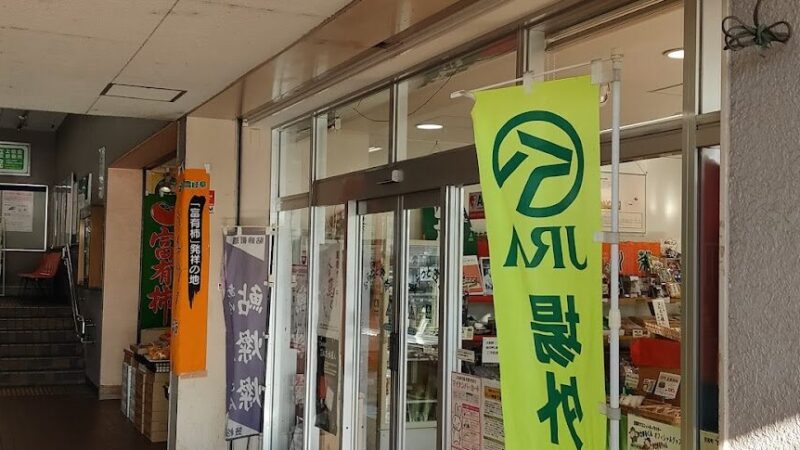
A roadside station selling local vegetables and specialty products from Ritto City. Located approximately 15 minutes by car from the shrine, it’s convenient for rest stops, meals, and souvenir shopping.
You can purchase fresh local agricultural products and processed goods, and enjoy Shiga Prefecture’s food culture.
Other Uma Musume-Related Spots in Shiga Prefecture
Omihachiman City
Omihachiman City has another Kamo Shrine that appears in the anime version. While different from Mikarino-no-Mori Kamo Shrine, this is also known as a sacred site pilgrimage spot.
Hikone Castle
Hikone Castle, a representative tourist spot in Shiga Prefecture, is also worth visiting during sacred site pilgrimage. It’s approximately 40 minutes by car from Ritto City.
Efficient Sacred Site Pilgrimage Route Examples
Day Trip Course (Using Car)
- Morning: Worship at Mikarino-no-Mori Kamo Shrine (1-2 hours)
- Lunch: Wagyu lunch in Ritto City or Kusatsu City
- Afternoon: Shop for souvenirs at Michi-no-Eki Konze-no-Sato Rittou
- If time allows: Visit Kamo Shrine in Omihachiman City (approximately 30 minutes by car)
Two-Day, One-Night Course (Using Public Transportation)
Day 1
- Arrival at JR Ritto Station
- Worship at Mikarino-no-Mori Kamo Shrine
- Explore Ritto City
- Stay at a hotel in Kusatsu or Otsu
Day 2
- Tour Omihachiman City
- Visit Hikone Castle
- Return home
Ritto City’s Horse Racing Culture and Uma Musume
The History of “Horse Town” Ritto
As mentioned previously, Ritto City has had deep connections with horses since the Nara period. In modern times, centered around the JRA Ritto Training Center, the horse racing industry has become an important pillar of the regional economy.
The city is home to many horse racing industry workers, and the sight of horse transport vehicles is a daily occurrence. It truly is a town that “lives together with horses.”
How Uma Musume Connects Horse Racing Culture and New Generations
“Uma Musume Pretty Derby” serves to introduce horse racing culture to younger generations unfamiliar with it.
The collaboration with Ritto City is an attempt to communicate the region’s history and horse racing culture in new forms, contributing to tourism promotion and regional revitalization.
As Uma Musume fans visit Ritto on sacred site pilgrimages, they experience real horse racing and the appeal of horses, and some become horse racing fans themselves.
Coexistence with Local Residents
When visiting for sacred site pilgrimage, it’s important to understand that Ritto City is a region with a long history as a “horse town” and not to forget consideration for local residents.
Around Mikarino-no-Mori Kamo Shrine, which is located in a quiet residential neighborhood, you must strictly avoid actions that would disturb neighbors, such as noise or illegal parking.
Frequently Asked Questions and Answers
How much time does it take to worship at Mikarino-no-Mori Kamo Shrine?
Since the shrine grounds aren’t particularly large, allow 30 minutes to 1 hour for worship and photography. If you want to take photos leisurely or receive a shrine seal, allow 1-2 hours.
Can I receive a shrine seal anytime?
Shrine seals are available only during shrine office hours. Since the office may not be continuously staffed, if you definitely want a shrine seal, it’s recommended to confirm by phone in advance.
Can I visit in rainy weather?
Since the shrine grounds are outdoors, an umbrella is necessary in rainy weather. Photography of the divine horse statue and grounds is possible, but photo quality may be inferior compared to clear weather.
Are there places to eat nearby?
There are almost no restaurants in the immediate vicinity of the shrine. Dining options are available around JR Ritto Station and along the national road, so it’s recommended to eat at the station or during your travels.
Are Uma Musume-related goods sold here?
The shrine does not generally sell Uma Musume-related goods. During collaboration events, merchandise sales may occur at the Ritto Arts and Culture Hall Sakira and other locations.
Conclusion: Experiencing the Uma Musume World Through Sacred Site Pilgrimage
Mikarino-no-Mori Kamo Shrine is a place worth visiting both as a sacred site for “Uma Musume Pretty Derby” and as a sacred site of horses with 1,300 years of history.
The Japan’s largest divine horse statue radiates an overwhelming presence and embodies the work’s world view. While feeling the history and culture of Ritto City as a “horse town,” you can reflect on the world of Uma Musume in this special place.
During your sacred site pilgrimage, please visit while being considerate of the region and observing proper etiquette, maintaining your love for the work and respect for horse racing culture. It will surely become a precious experience to deepen your enjoyment of the work.
Uma Musume fans, why not visit Ritto City and pray for victory at Mikarino-no-Mori Kamo Shrine? Your favorite Uma Musume will surely be delighted.


-800x450.jpg)