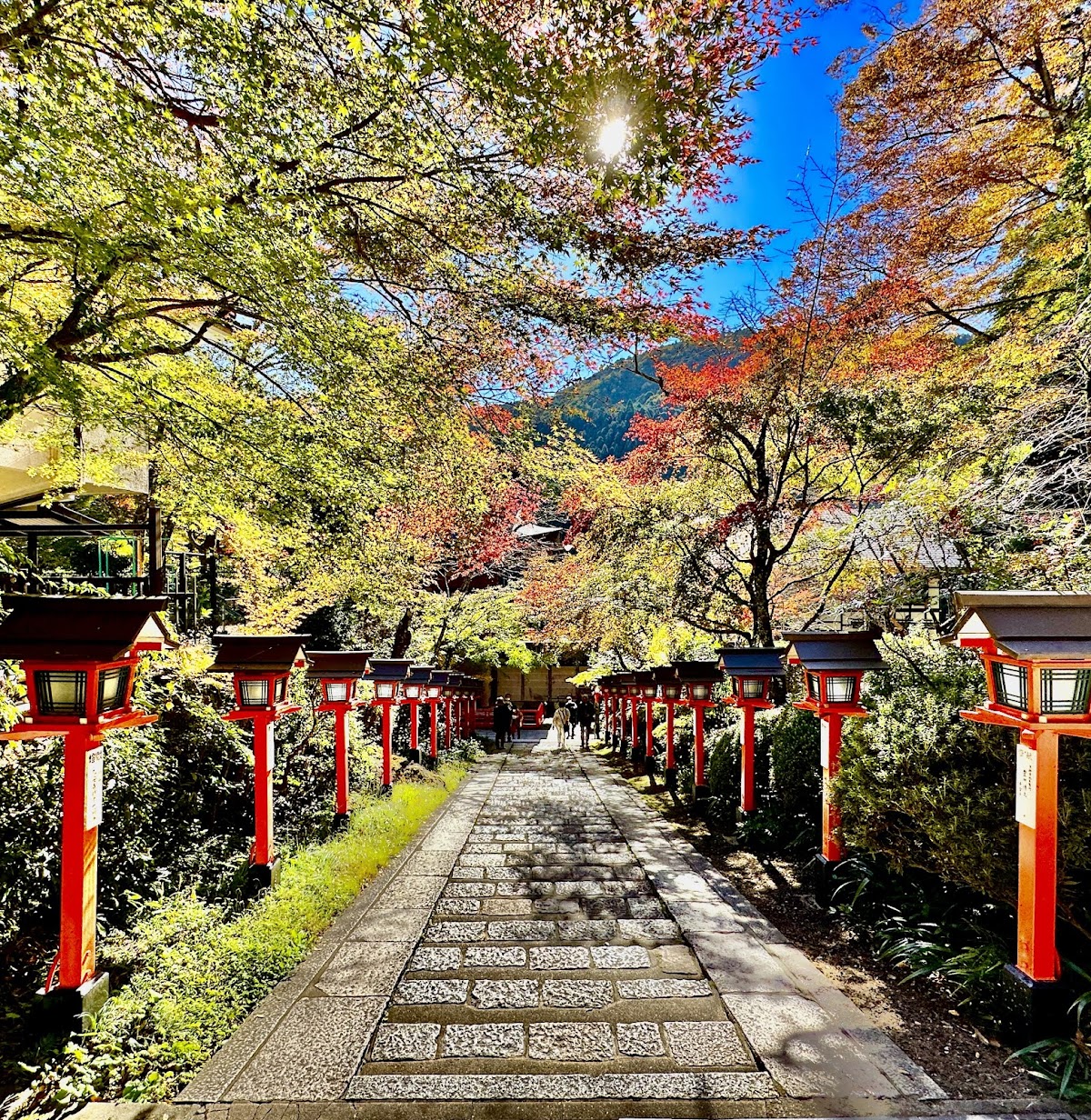
The theatrical version of Detective Conan, the seventh film “Labyrinth of Crossroads,” is a masterpiece that particularly captures the charm of Kyoto among the popular works based on Gosho Aoyama’s original work. Among these, Kurama Temple is known as a sacred site visited by many fans, as it serves as the stage for an important scene where Heiji Hattori confronts the culprit.
In this article, we will provide a thorough explanation of the sacred site pilgrimage of “Labyrinth of Crossroads” centered on Kurama Temple, from access methods to specific locations featured in the work, photography points, and nearby attractions. We will also introduce in detail efficient routes for actual visits, required time, and precautions, so if you are planning a sacred site pilgrimage, please refer to this guide.
The Relationship Between “Labyrinth of Crossroads” and Kurama Temple
The Importance of Kurama Temple in the Work
The theatrical version “Labyrinth of Crossroads” released in 2003 is set in Kyoto and centers the legends of Minamoto no Yoshitsune (Ushiwaka) and Benkei in its narrative. Kurama Temple is a real temple known as a place where Ushiwaka trained, and it appears as an important stage in the work as well.
The scene where Heiji Hattori is attacked by the culprit and important clues leading to the climax are described as being hidden there. It can be said to be the sacred site where one can most intensely feel the presence of the Yoshitsune legend flowing through the entire work.
Scenes Appearing in the Work
The areas around Kurama Temple appear in the following important scenes:
- Chase scene at Kurama Station: An exhilarating scene where Heiji chases the culprit by motorcycle and rushes into the station
- Confrontation at Sojogadani: A tense scene where Heiji is targeted by the culprit’s bow
- The Wood Root Path: Creates the mystical atmosphere of the work’s world
- Kurama Temple Nio Gate: An important scene conveying Kyoto’s historical background
These scenes faithfully reproduce the actual scenery of Kurama Temple, making it a recommended spot not only for anime fans but also for those who want to enjoy Kyoto sightseeing.
How to Access Kurama Temple
Access from Kyoto Station
Access to Kurama Temple is typically via the Eizan Electric Railway Kurama Line.
Most Efficient Route:
- From Kyoto Station, take the Subway Karasuma Line to “Kokusai Kaikan Station” (approximately 20 minutes)
- Transfer to Eizan Electric Railway from Kokusai Kaikan Station
- Take the Eizan Electric Railway Kurama Line to “Kurama Station” (approximately 30 minutes)
- Walk approximately 5 minutes from Kurama Station to Kurama Temple’s Nio Gate
Alternative Route:
- From Kyoto Station, take Kyoto Bus Route 17 to “Demachi Masugata Shotengai” (approximately 30 minutes)
- From Demachi Masugata Shotengai Station, take the Eizan Electric Railway Kurama Line to “Kurama Station” (approximately 30 minutes)
Charms of the Eizan Electric Railway Kurama Line
The Eizan Electric Railway Kurama Line itself is popular as a tourist attraction. On the approximately 30-minute journey from Demachi Masugata Shotengai Station to Kurama Station, you can enjoy Kyoto’s lush natural scenery. Especially during the fall foliage season (mid-November to late November), the view from the train window is spectacular.
In the work, Kurama Station, where Heiji intrudes on a motorcycle, has the charming atmosphere characteristic of a local railway terminal. The station building is relatively small and is located in a quiet, mountainous environment.
Time Required and Fares
- From Kyoto Station to Kurama Station: Approximately 50 minutes to 1 hour
- Subway Karasuma Line (Kyoto Station → Kokusai Kaikan Station): ¥290
- Eizan Electric Railway (Kokusai Kaikan Station → Kurama Station): ¥430
- Kurama Temple Mountain Entrance Fee: ¥300
Discount Ticket Information:
- Eizan Electric Railway 1-Day Pass “Ee Kippu”: ¥1,000 (recommended when touring the Kurama/Kibune area)
Detailed Sacred Site Pilgrimage Spots at Kurama Temple
1. Kurama Station (Eizan Electric Railway)
Scenes Appearing in the Work:
An exhilarating scene where Heiji chases the culprit by motorcycle and rushes into the station. Since this work transitioned to digital production, motorcycles scenes extensively use CG, creating impressive dynamic visual expressions.
Actual Photography Points:
- Station exterior: A small wooden station building with the exact atmosphere from the work
- Platform: The simple single-track structure creates the ambiance of a local private railway
- Station plaza: A large tengu (demon) object serves as a landmark (popular as a photography spot)
Tips for Visiting:
Kurama Station is not an unmanned station, but being a small-scale station, please view it quietly. There are also souvenir shops and dining establishments in front of the station, making it convenient for taking a break.
2. Kurama Temple Nio Gate
Appearance in the Work:
The stairs in front of the Nio Gate, the main entrance of Kurama Temple, appear as an important scene in the work that conveys Kyoto’s historical atmosphere.
Highlights:
- The vermillion-painted Nio Gate: An impressive mountain gate rebuilt in 1911
- Nio statues: Impressive guardian statues placed on both sides of the gate
- Stone steps: Long stone stairs extending from in front of the Nio Gate that recreate the atmosphere from the work
Photography Points:
Looking up at the Nio Gate from below provides a composition similar to the scenes in the work. The light and shadows during early morning or evening create beautiful photographs, making it a photogenic spot.
3. The Path to the Main Hall (Kondo)
Kurama Temple’s entire mountain serves as its temple grounds, and the journey to the main hall (Kondo) is approximately 30 minutes of hiking.
Route:
- Enter from the Nio Gate (Mountain entrance fee ¥300)
- Fumeido (reception and treasure museum)
- Yuki Shrine (has a nationally designated treasure hall)
- Main Hall Kondo (located at approximately 410m elevation)
Cable Car Available:
- From Fumeido to Tahoto Station: ¥200 one-way
- Overcomes elevation difference in approximately 2 minutes, recommended for those without much hiking experience
- However, hiking is recommended if you want to experience the atmosphere of the work
4. Sojogadani (僧正ヶ谷)
Important Scene in the Work:
An important spot explicitly indicated in the work as the location where Heiji Hattori is attacked by the culprit. A tense scene unfolds where he is targeted by arrows.
Actual Location:
Sojogadani is located in the Okuno-in (inner sanctuary) area of Kurama Temple, further back from the main hall. A legend remains that Ushiwaka learned military tactics from a tengu in this location.
Access:
- Approximately 20-30 minutes hiking from the Main Hall Kondo
- Located along the mountain path heading toward Kibune Shrine
- The mountain path is somewhat rugged, so appropriate hiking shoes and clothing are essential
Tips for Visiting:
There is a Sojogadani Fudo Hall, and a mystical atmosphere pervades the silence. Visiting while recalling scenes from the work will deepen your sense of emotion.
5. The Wood Root Path (木の根みち)
Depiction in the Work:
An important location that conveys the mystical atmosphere flowing through the entire work. The distinctive landscape where the roots of cedar trees spread across the ground is particularly impressive.
Actual Highlights:
- The exposed roots of giant cedars create a complex tangle
- A fantastical space created by centuries-old cedar groves
- The natural formation of beauty as roots, unable to penetrate the deep rock base (hard bedrock) of Kurama Mountain, grow along the surface
Location:
Located along the path from the Main Hall Kondo toward the Okuno-in, somewhere before Sojogadani.
Photography Tips:
- Morning light that softly filters through is recommended
- Low-angle photography is effective for emphasizing the texture of the tree roots
- Weekday early mornings are your best bet for fewer people
6. Okuno-in Demon King Hall
Located at the deepest part of Kurama Temple, the Demon King Hall enshrines the Demon King (Sanat Kumara), who is said to have descended from Venus 6.5 million years ago. It is also known as a power spot that overlaps with the work’s mystical world.
From the Main Hall Kondo to the Demon King Hall and on to Kibune Shrine:
- Time required: Approximately 1 to 1.5 hours
- Distance: Approximately 2km
- Elevation change: Approximately 200m descent
By following this route, you can fully experience the atmosphere of Kurama Mountain, the stage of “Labyrinth of Crossroads.”
Efficient Sacred Site Pilgrimage Routes
Half-Day Course Visiting Only Kurama Temple (Time Required: Approximately 3-4 hours)
9:00 Depart from Kyoto Station
↓ (Approximately 50 minutes by subway and Eizan Electric Railway)
9:50 Arrive at Kurama Station, view the station (15 minutes)
↓ (5-minute walk)
10:10 Arrive at Kurama Temple Nio Gate, enter mountain
↓ (Walk or cable car)
10:40 Arrive at Main Hall Kondo, worship (30 minutes)
↓ (Walk)
11:30 Explore Wood Root Path and Sojogadani (60 minutes)
12:30 Return to Main Hall Kondo
↓ (Descend on foot)
13:15 Arrive at Kurama Station, lunch
14:00 Depart from Kurama Station
Full-Day Course Combining Kurama and Kibune (Time Required: Approximately 6-7 hours)
9:00 Depart from Kyoto Station
↓
9:50 Arrive at Kurama Station
↓
10:10 Enter mountain from Kurama Temple Nio Gate
↓
11:00 Worship at Main Hall Kondo
↓
11:30 Travel toward Kibune via Wood Root Path and Sojogadani
↓
13:00 Arrive at Kibune Shrine Okuno-in via Okuno-in Demon King Hall
↓
13:30 Worship at Kibune Shrine Hongu (a famous location also used on the work’s poster)
↓
14:30 Dine on river-bed cuisine or eat at Kibune
↓
16:00 Return from Kibune-guchi Station via Eizan Electric Railway
Merits of This Route:
- The mountain crossing route from Kurama to Kibune allows you to experience the work’s world
- Efficiently visit the major stages of “Labyrinth of Crossroads”
- Kibune Shrine is also an important sacred site featured in the work
Two-Day Course Combining with Other Sacred Sites in Kyoto
Day 1: Central Kyoto
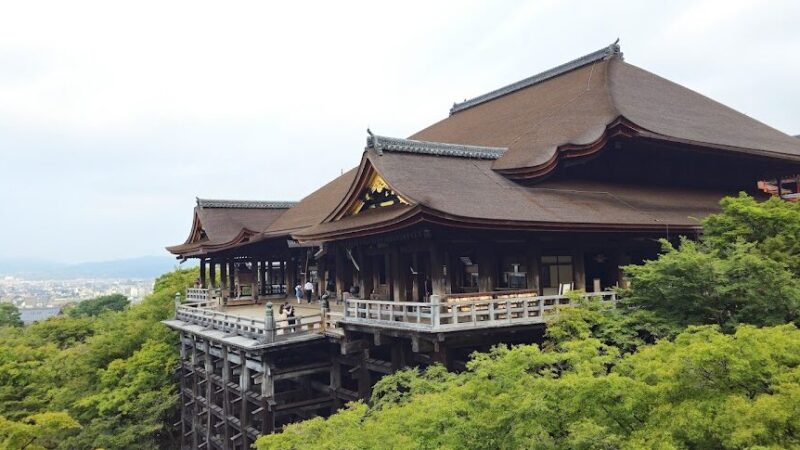
- Kiyomizu Temple
- Gojo Bridge (legendary meeting place of Ushiwaka and Benkei)
- Gojo Tenjin Shrine
- Benkei Stone
- Keage Incline
- Nanzen Temple
Day 2: Kurama and Kibune Area
- Kurama Temple
- Kibune Shrine
- Modorihashi Bridge
- Rokkakudo Hall
- Bukkoji Temple
With this two-day course, you can cover almost all the major sacred sites of “Labyrinth of Crossroads.”
Precautions and Etiquette When Visiting
Clothing and What to Bring
Essential Items:
- Comfortable walking shoes (sneakers or hiking boots): Many stone steps and mountain trails
- Easy-to-move-in clothing: Frequent climbing and descending stairs
- Beverages: Limited vending machines available
- Towel and sweat wipes: Especially essential in summer
Helpful to Have:
- Lightweight backpack: Keeps hands free for safety
- Rain gear: Mountain weather changes rapidly
- Insect repellent spray: Especially in summer
- Mobile battery: Photography will consume battery
Worship Etiquette
Kurama Temple is both a tourist destination and a place of worship.
Etiquette to Observe:
- Photography inside the main hall is prohibited (exterior can be photographed)
- Avoid loud conversations
- Be considerate not to interfere with other worshippers
- Always take your trash with you
- Do not enter areas outside designated paths
Tips for Avoiding Crowds
Peak Season:
- Cherry blossom season in spring (early to mid-April)
- Fall foliage season (mid-November to late November)
- Golden Week
- Weekends and holidays
Recommended Visiting Times:
- Weekday mornings (especially Tuesday through Thursday)
- New foliage season in June
- Clear autumn days from September to early October
Visiting early in the morning (around 9 AM, right after opening) allows you to enjoy the sacred site pilgrimage in a quiet atmosphere at a leisurely pace.
History and Highlights of Kurama Temple
History of Kurama Temple
Kurama Temple is an ancient temple said to have been founded in 770 (Hoki 1) by Kanjei, a distinguished student of Ganjin. In the Heian period, it is known as the place where Ushiwaka (later Minamoto no Yoshitsune) trained for ten years starting at age 7, and is also famous for tengu legends.
Today it serves as the headquarters of Kuramakokyokai and has its own unique form of worship. It is characterized by unique teachings that make Tenson (a unity of Bishamonten, Senju Kannon, and Maouraiseki) its principal image.
Connection with Yoshitsune (Ushiwaka) Legend
The core of the story in “Labyrinth of Crossroads” centers on the legends of Minamoto no Yoshitsune and the priest Musashibo Benkei.
Connection Between Kurama Temple and Yoshitsune:
- In 1159, after the Heiji Rebellion in which his father, Minamoto no Yoshitomo, was defeated, young Ushiwaka was placed in Kurama Temple
- He spent his teenage years from age 7 to 16 at Kurama Temple, refining his martial arts
- The legend that he learned military tactics from a tengu at Sojogadani
- It is said he practiced sword techniques on the Wood Root Path
This historical background deeply connects with the work’s worldview, offering profound emotional resonance when visiting as a sacred site pilgrim.
Other Highlights
Yuki Shrine:
- The tutelary shrine of Kurama Temple
- Nationally designated treasure hall (rebuilt in 1607)
- “Taizusan,” a giant cedar tree over 800 years old
- Famous for the annual Kurama Fire Festival on October 22
Gold Diamond Floor in Front of the Main Hall:
- Believed to be a power spot where cosmic energy concentrates
- Characterized by a hexagram pattern
- Many worshippers meditate and offer prayers here
Reihokan (Kurama Mountain Museum):
- Displays the history and cultural assets of Kurama Temple
- Three floors: Natural Science Garden, Temple Treasure Exhibition Room, and Yosano Akiko Memorial Room
- Admission: ¥200 (separate from mountain entrance fee)
Sacred Sites Around the Area
Kibune Shrine
Importance in the Work:
One of the most important sacred sites, featured on the work’s poster. The stone steps lined with vermillion lanterns are particularly striking.
Highlights:
- Hongu: Famous as a shrine for matchmaking
- Okuno-in: Exudes a mystical atmosphere
- Yui Shrine: Offers blessings for connections
- Water Fortune Telling: Characters appear on paper when placed in water
Access from Kurama Temple:
- Mountain crossing route on foot: Approximately 1 to 1.5 hours
- Return to Kurama Station and take the Eizan Electric Railway to Kibune-guchi Station: Approximately 15 minutes, then bus or walk approximately 25 minutes
Keage Incline
An important scene in the work where Conan and Heiji continue their investigation. It is the remains of an inclined railway used for Lake Biwa irrigation, with a retro atmosphere.
Access:
Directly below Keage Station on the Subway Tozai Line
Nanzen Temple
Located immediately near Keage Incline, this is the head temple of the Rinzai sect Nanzen Temple branch. The water aqueduct appears in the work.
Highlights:
- Water Aqueduct: A beautiful brick arch from the Meiji period
- Sanmon Gate: A nationally designated treasure famous for “What a view!”
- Shoin Garden: A celebrated dry landscape garden
Dining and Rest Spots
Around Kurama Station
Yoshusuro:
- Dining establishment in front of Kurama Station
- Kyoto local cuisine such as sansho-cooked miso
- Business hours: Approximately 11:00-17:00 (closed irregularly)
Tamon-do:
- Tea shop in front of Kurama Temple Nio Gate
- Amazake (sweet rice drink), oden, light meals
- Perfect for taking a break
Kibune Area
River-Bed Cuisine:
During summer months (May-September), you can enjoy river-bed dining along the Kibune River.
- Budget: Lunch ¥5,000+, Dinner ¥10,000+
- Reservation recommended (especially weekends)
Hirofumi:
- Famous as the birthplace of flowing somen noodles
- Summer season only
- Budget: ¥1,500+
Photography Spots and Instagram-Worthy Points
Tengu Statue at Kurama Station
The large tengu object in front of the station is a symbol of Kurama. It is a standard memorial photo spot.
Photography Tips:
- Take a face-out panel-style photo with the tengu statue
- The atmosphere is perfect when photographed with the Eizan Electric Railway train
Lantern Staircase at Kibune Shrine
The stone steps lined with vermillion lanterns represent the iconic scenery of “Labyrinth of Crossroads.”
Best Shot:
- Looking up at the stairs from below
- Especially mystical at dusk or when snowy
- Snow-lit illumination (limited Saturday nights in January-February) is spectacular
Wood Root Path
The mystical atmosphere of the Wood Root Path is a photography spot where you can feel the work’s world.
Photography Points:
- Macro photography emphasizing the texture of the tree roots
- Artistic expression using dappled sunlight
- Positioning people small to express the grandeur of nature
Watch “Labyrinth of Crossroads” Before Visiting
We strongly recommend watching the work beforehand to enjoy the sacred site pilgrimage even more.
Services Available for Viewing (as of 2024)
- Hulu: Detective Conan theatrical films currently being streamed
- Netflix: Detective Conan films are sometimes distributed for limited periods
- Amazon Prime Video: Available for rental and purchase
- U-NEXT: Included in the viewing library (varies by period)
- dAnime Store: Theatrical films available
Highlights of the Work
- The romance between Heiji Hattori and Kazuha Toyama
- Beautiful depictions of Kyoto scenery
- Intricate mystery woven with the Yoshitsune legend
- Ai Katsuki’s theme song “Time after time~Flowers Dance in the City~”
Watching the work before visiting allows you to experience each scene’s setting firsthand, multiplying your emotional impact.
Summary: How to Maximize Enjoyment of Your Kurama Temple Sacred Site Pilgrimage
Kurama Temple is a particularly important stage in “Labyrinth of Crossroads,” and is the sacred site where you can most deeply experience the work’s worldview.
Points for a Successful Sacred Site Pilgrimage:
- Don’t Skip Preparation: Watch the work, confirm access, prepare appropriate clothing
- Allow Plenty of Time: Since Kurama Temple’s entire mountain serves as its temple grounds, allocate at least 3-4 hours
- Wear Comfortable Clothing and Shoes: Essential due to many mountain paths and stairs
- Respect Etiquette: Remember it is a place of worship
- Choose the Season Wisely: New foliage in June or fall foliage in November are especially recommended
- Visit Early in the Morning: Avoid crowds and enjoy the quiet atmosphere
A sacred site pilgrimage centered on Kurama Temple will be a special experience for Detective Conan fans. You’ll be able to enjoy both immersion in the work’s world as well as Kyoto’s history and natural beauty at the same time—a win-win for your travels.
The Sojogadani where Heiji confronts the culprit, the mystical Wood Root Path, and the entire Kurama Mountain where Ushiwaka trained—please visit these locations in person and experience their atmosphere. Your understanding of and affection for the work will surely deepen even further.
Please enjoy the special journey of a sacred site pilgrimage where the charm of Kyoto and the Detective Conan world merge to your heart’s content.