
Tokyo Anime Tourism 2026 Digital Rally Complete Guide
The Edo-Tokyo Museum of Vintage Buildings (Edo-Tokyo Tatemonoen) is an open-air museum located in Koganei City, Tokyo, that relocates and preserves historically significant structures from the Edo period through the early Showa era. This facility, which retains a strong Taisho-era atmosphere, harmonizes perfectly with the worldview of the anime “Demon Slayer: Kimetsu no Yaiba” and has garnered attention as a pilgrimage site for fans. Selected as one of the digital rally spots for “TOKYO Anime Tourism 2026” starting January 24, 2026, where visitors can enjoy AR photography with Tanjiro and other characters, this article provides a comprehensive explanation of the relationship between Edo-Tokyo Tatemonoen and Demon Slayer, the details of the digital rally, and the facility’s attractions.
Overview of “TOKYO Anime Tourism 2026” Digital Rally
“TOKYO Anime Tourism 2026,” hosted by the Tokyo Metropolitan Government, is a tourism promotion project that leverages Japanese anime content highly regarded both domestically and internationally. This time, it collaborates with “Demon Slayer: Kimetsu no Yaiba” and is held as a digital rally event visiting 16 locations throughout the city.
This event aims to fuse Tokyo’s cultural appeal with the worldview of anime works, providing new Tokyo experiences to domestic and international tourists. Edo-Tokyo Tatemonoen was selected as one of the 16 spots because its architecture, filled with Taisho romanticism, perfectly matches the historical setting of Demon Slayer.
Event Period and Participation Method
Event Period: January 24 (Saturday) – March 15 (Sunday), 2026
How to Participate:
- Access the dedicated app or website
- Scan QR codes installed at each spot
- Earn points and take AR photos with characters
- Exchange accumulated points for original goods
Participation is free, but admission to Edo-Tokyo Tatemonoen requires the standard entrance fee. The digital rally is conducted in designated areas within the park, allowing commemorative photos with characters such as Tanjiro, Nezuko, Zenitsu, and Inosuke against the backdrop of historical buildings.
Details of Digital Rally Spots (16 Locations)
Different Demon Slayer characters are placed at each of the 16 rally spots throughout the city. At Edo-Tokyo Tatemonoen, visitors can experience an atmosphere closest to the work’s worldview in an area recreating the Taisho-era townscape.
Other spots include popular Tokyo attractions such as Takaosanguchi Station, Asakusa, and Tokyo Skytree Town. The route design is ideal not only for Demon Slayer fans but also for those wishing to enjoy Tokyo sightseeing. By visiting each spot, visitors can rediscover Tokyo’s diverse attractions.
Original Goods and Exchange Methods
Original goods can be exchanged at two locations based on accumulated points. Goods include limited-design clear files, stickers, and badge pins—items of high value as collector’s items.
Exchange Locations:
- Tokyo Metropolitan Government-related facilities
- Designated tourist information centers
Since goods are limited in quantity, early participation is recommended. Additionally, participants who complete all 16 spots receive a special commemorative item, offering the enjoyment of working toward completion.
Edo-Tokyo Tatemonoen and the World of Demon Slayer
Taisho Romanticism in Historic Architecture
Edo-Tokyo Tatemonoen preserves numerous buildings from the Taisho era (1912-1926), the setting for Demon Slayer. Buildings scattered throughout evoke the Asakusa townscape that appears in the work and the urban atmosphere that Tanjiro and his companions experience during missions.
Buildings particularly worthy of attention:
Kodakara-yu (Bathhouse Architecture)
- A bathhouse built in Showa 4 (1929)
- Experience the common people’s culture of the Taisho era depicted in Demon Slayer
- Its elaborate shrine-style exterior is popular as a photography spot
- Also famous as a model for the Studio Ghibli work “Spirited Away”
Takahashi Korekiyo Residence
- A Taisho-era politician’s mansion
- Its Japanese-Western hybrid architectural style conveys the era’s atmosphere
- Interior decoration and furniture placement align with the work’s imagery
Takei Sanshodo (Stationery Store)
- Early Taisho commercial building architecture
- Recreates the conditions of commercial facilities of the time
- Evokes the atmosphere of the town Tanjiro might visit
Value as a Holy Site for Demon Slayer
Edo-Tokyo Tatemonoen is recognized as a holy site for Demon Slayer not merely due to historical accuracy. It is a precious place where the “Taisho-era Japan” that forms the core of the work can be experienced through actual buildings.
In anime production, such facilities are sometimes referenced as materials for Taisho-era architecture and cityscapes. Edo-Tokyo Tatemonoen serves as a “living archive” for understanding and more deeply enjoying the work’s world.
Night Market Events and Demon Slayer Experience
Edo-Tokyo Tatemonoen regularly hosts “Yoichi” (night market) events. The Taisho buildings illuminated at night are precisely the world of Demon Slayer. The townscape lit by lanterns evokes the nightly streets where Tanjiro and his companions battle demons, with many fans posting them on social media as “the world of Demon Slayer.”
The night market also offers a traditional festival atmosphere, providing a rare opportunity to re-experience scenes of celebrations featured in the work. Cosplay participation is popular, enabling photography that feels like stepping into the work’s world.
Edo-Tokyo Tatemonoen: Facility Information and Highlights
Park Map and Major Areas
Edo-Tokyo Tatemonoen spans approximately 7 hectares with 30 historic structures. The park is divided into three large zones.
Center Zone
- Visitor Center (former Koka-den)
- Exhibition rooms and museum shop
- Rest facilities
West Zone
- Farmhouse and merchant house buildings
- Denenchofu House (Taisho-era residence)
- Thatched-roof traditional houses
East Zone
- Downtown shopping street recreation area
- Kodakara-yu, Takei Sanshodo, and others
- Taisho and early Showa urban architecture
Digital rally AR spots are primarily set in the East Zone, where visitors can enjoy commemorative photos with characters against a backdrop of Taisho-romantic scenery.
Connections to Other Works like Jujutsu Kaisen
Edo-Tokyo Tatemonoen is known as a holy site not only for Demon Slayer but also for “Jujutsu Kaisen.” It is said that Kodakara-yu and the Nishikawa Family Villa were used as models for the Zenin Family in the Shibuya Incident arc.
The fact that it has become the setting and model for multiple anime works proves the high architectural and cultural value Edo-Tokyo Tatemonoen possesses. For anime fans, it is an efficient spot where multiple works’ holy sites can be visited in a single trip.
Connection to Studio Ghibli
Edo-Tokyo Tatemonoen is also famous as an inspiration source for Studio Ghibli’s “Spirited Away.” Director Hayao Miyazaki reportedly researched at the park, and Kodakara-yu’s exterior is said to have been one of the models for the bathhouse.
This fact demonstrates that Edo-Tokyo Tatemonoen plays an important role in Japanese anime culture. A facility related to all three major hit works—Demon Slayer, Jujutsu Kaisen, and Spirited Away—is extremely rare domestically.
Access and Basic Information
Location and Transportation Access
Address: 3-7-1 Sakura-cho, Koganei City, Tokyo 184-0005 (within Koganei Park)
By Train:
- From JR Chuo Line “Musashi-Koganei Station” North Exit: 5 minutes by bus
- Seibu Bus “Koganei Park West Entrance” – 5 minutes walk
- Kanto Bus “Edo-Tokyo Tatemonoen mae” – 3 minutes walk
- From JR Chuo Line “Higashi-Koganei Station” North Exit: 6 minutes by bus
- CoCo Bus “Tatemonoen Entrance” – 10 minutes walk
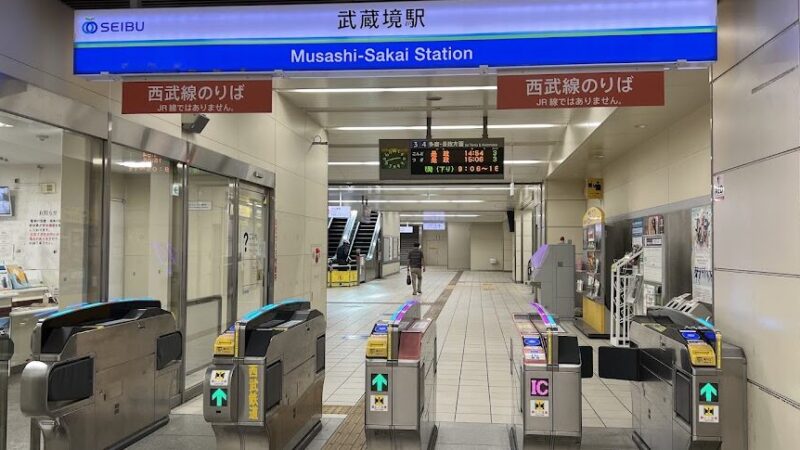
- From Seibu Shinjuku Line “Hana-Koganei Station” South Exit: 5 minutes by bus
- Seibu Bus “Koganei Park West Entrance” – 5 minutes walk
By Car:
- Approximately 20 minutes from Chuo Expressway “Chofu IC”
- Parking: Use Koganei Park parking lot (fee required)
Opening Hours, Holidays, and Admission Fees
Opening Hours:
- April – September: 9:30 AM – 5:30 PM (admission until 5:00 PM)
- October – March: 9:30 AM – 4:30 PM (admission until 4:00 PM)
Holidays:
- Every Monday (if Monday is a holiday, the following day is closed)
- Year-end and New Year (December 28 – January 4)
Admission Fees:
- General: 400 yen
- Age 65+: 200 yen
- University students (including specialized and miscellaneous schools): 320 yen
- High school, junior high students (outside Tokyo): 200 yen
- Junior high students (Tokyo residents/students), elementary school, preschool: Free
Annual passes and group discounts are available, with cost-effective options for repeat visitors.
Recommended Viewing Time and Route
Standard Viewing Time: 2-3 hours
Recommended Route for Demon Slayer Fans:
- Obtain park map at Visitor Center (10 minutes)
- Head directly to downtown area in East Zone (5 minutes walk)
- AR photography and view Kodakara-yu exterior (20 minutes)
- Browse merchant building shopping street (30 minutes)
- Experience Taisho-era residential culture at Takahashi Residence (30 minutes)
- Earn points from digital rally (15 minutes)
- Purchase souvenirs at Center Zone (20 minutes)
If taking time to view building interiors thoroughly, reserving a half-day is recommended. For those enjoying photography, morning or evening light times produce particularly beautiful photos.
Tips for Maximum Enjoyment of Edo-Tokyo Tatemonoen
Digital Rally Strategy Points
- Advance Preparation
- Fully charge smartphone battery
- Pre-download the dedicated app
- Review park map for efficient route
- Photography Techniques
- AR characters are positioned with buildings as background
- Morning or evening light creates beautiful photos
- Photograph from multiple angles for the perfect shot
- Avoiding Crowds
- Weekday mornings are relatively uncrowded
- Weekends: arrive near opening time
- Rainy days offer chances to leisurely view indoor exhibits
Photography Spots
In Front of Kodakara-yu
- Symbolizes the Taisho-romantic worldview of Demon Slayer
- Front-facing composition is standard
- Silhouette photography at dusk is also popular
Shopping Street Scenery
- Wide-angle shots capturing multiple buildings
- Alley atmosphere matches the work’s worldview
- Target less crowded times
Takahashi Residence Japanese Room
- Composition viewing the garden from tatami room
- Feel the lifestyle of Taisho-era upper class
- Utilize natural light for indoor photography
Combining with Nearby Tourist Spots
Koganei Park, where Edo-Tokyo Tatemonoen is located, is one of Tokyo’s largest parks. Combining the digital rally with the following spots creates a more fulfilling day.
Facilities within Koganei Park:
- Extensive lawns for picnicking
- Cycling course
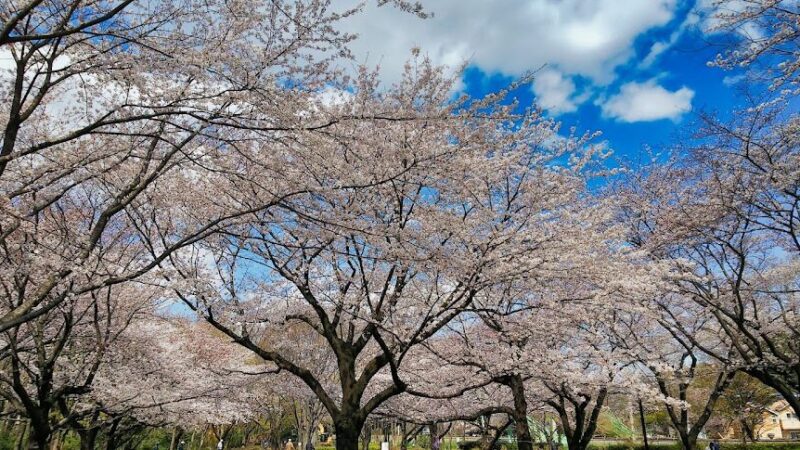
- Cherry blossom season (late March – early April): one of Tokyo’s premier flower-viewing spots
Nearby Demon Slayer-Related Spots:
- Takaosanguchi Station (digital rally spot) – approximately 40 minutes by train
- Asakusa (holy site) – approximately 50 minutes by train
National Holy Site Pilgrimage for Demon Slayer and Tokyo Spots
Major Holy Sites in Tokyo
Beyond Edo-Tokyo Tatemonoen, multiple Demon Slayer-related holy sites exist in Tokyo.
Kumotori Mountain (Okutama Town, Nishi-Tama District, Tokyo)
- Said to be the model for Tanjiro’s birthplace
- Tokyo’s highest peak at 2,017 meters elevation
- Popular pilgrimage destination for fans, though recommended for experienced hikers
Asakusa (Taito Ward, Tokyo)
- Appears in the work as a Taisho-era commercial district
- Sensoji Temple and Nakamise shopping street combine tourism with holy site pilgrimage
- Kaminarimon Gate is a standard commemorative photo spot
Washigumi Shrine (Taito Ward, Tokyo)
- Famous for the Tori-no-Ichi festival
- Experience the festival atmosphere depicted in the work
- November’s Tori-no-Ichi is particularly lively
Takao Mountain (Hachioji City, Tokyo)
- Takaosanguchi Station is a digital rally spot
- Easily accessible by cable car
- Enjoy summit views and nature walks
Efficient Holy Site Pilgrimage Route
1-Day Course (Central Tokyo):
Morning: Asakusa (Sensoji Temple, Kaminarimon, Washigumi Shrine)
Afternoon: Edo-Tokyo Tatemonoen
2-Day Course (Including nature):
Day 1: Takaosanguchi Station → Takao Mountain hiking
Day 2: Edo-Tokyo Tatemonoen → Asakusa
Full Course (3+ Days):
Comprehensive pilgrimage including Kumotori Mountain climbing
Events and How to Get Latest Information
Official Information Sources
Edo-Tokyo Tatemonoen Official Website:
- Latest opening hours and holidays
- Special exhibition and event information
- Announcements for seasonal events like night markets
TOKYO Anime Tourism Official Website:
- Detailed digital rally information
- Goods exchange status
- Character placement information by spot
Tokyo Metropolitan Government Press Releases:
- New event announcements
- Collaboration project notifications
Information Gathering via SNS
Instagram and Twitter (X):
- Hashtags “#江戸東京たてもの園” “#鬼滅の刃聖地巡礼”
- Real-time crowding conditions
- Other visitors’ photography techniques for reference
YouTube:
- Visit report videos to check atmosphere beforehand
- Digital rally strategy methods
- Detailed building interior introductions
Conclusion: Experience the World of Demon Slayer at Edo-Tokyo Tatemonoen
Edo-Tokyo Tatemonoen is a precious cultural facility that conveys the Taisho-era atmosphere that forms the setting of Demon Slayer to the present day. Through TOKYO Anime Tourism 2026’s digital rally, an unprecedented experience becomes possible—collaboration between works’ characters and historic buildings.
Beyond mere anime holy site pilgrimage, the facility possesses high educational value, allowing visitors to learn about Japan’s modern architectural history and Taisho culture. Buildings like Kodakara-yu and the Takahashi Residence hold importance not only for deepening work understanding but also as Japanese cultural heritage.
During the digital rally period (January 24 – March 15, 2026), many fans are expected to visit, but even after the period concludes, Edo-Tokyo Tatemonoen will continue to hold value as a holy site where the world of Demon Slayer can be felt.
Edo-Tokyo Tatemonoen, where you can enjoy both Taisho romanticism and the world of Demon Slayer simultaneously in Tokyo—please verify the air of the era in which Tanjiro lived with your own eyes. An experience awaits you where understanding of the anime work deepens further within historic buildings.