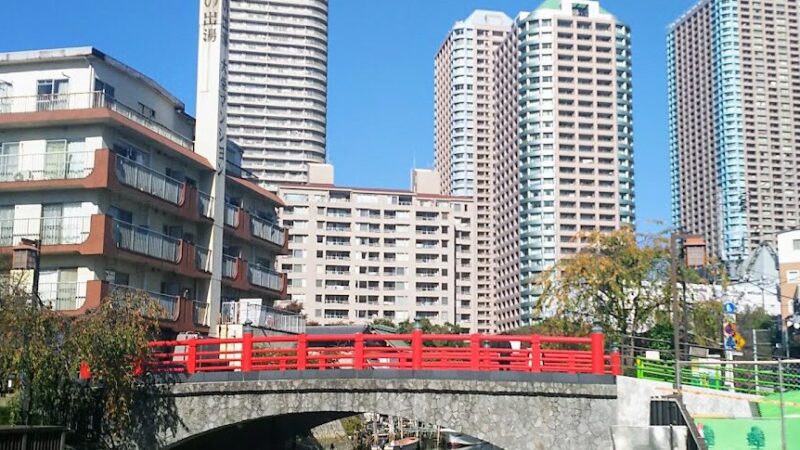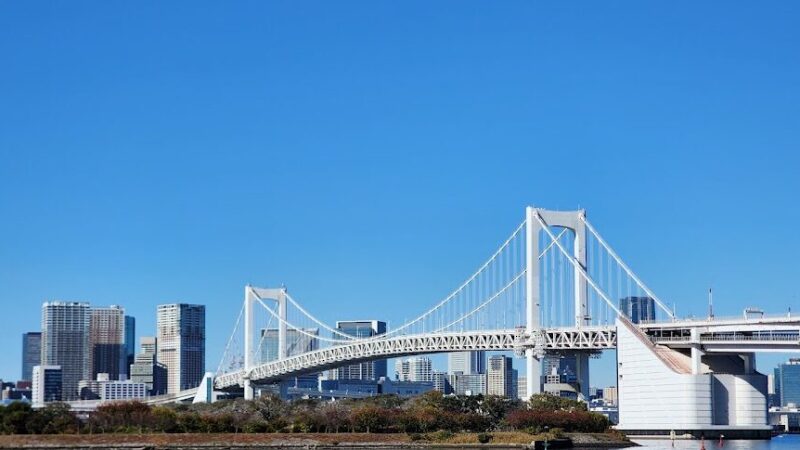
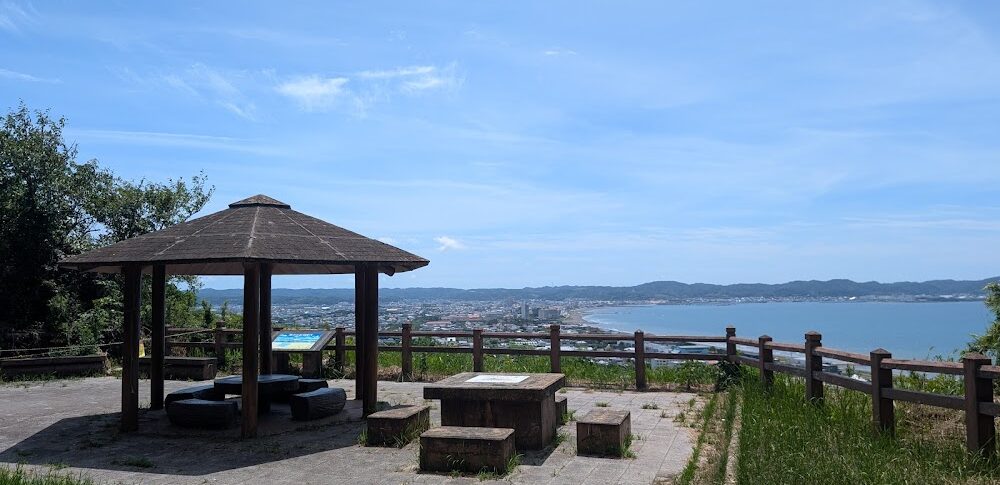
The movie “Trapezium” is a youth idol story based on a novel by Takayama Kazumi of Nogizaka46. Within Chiba Prefecture, there are numerous locations that served as the setting for the work and pilgrimage sites where the characters’ youth comes alive. This article provides a detailed explanation of spots within Chiba Prefecture for fans planning a pilgrimage.
About the Movie “Trapezium”
“Trapezium” is a work depicting the growth of girls who dream of becoming idols. The original novel was written by Takayama Kazumi and was adapted into a theatrical anime in 2024. The story is primarily set in the Kanto region centered on Chiba Prefecture, and due to the frequent appearance of real locations, it quickly became a popular pilgrimage spot after its release.
The story of four girls, including protagonist Higashi Yuu, striving toward their dream of becoming idols has captured the hearts of many viewers. The everyday scenery of Chiba Prefecture adds color to the work, creating realism and a sense of familiarity.
Why Chiba Prefecture Was Chosen as the Setting
Chiba Prefecture, while adjacent to Tokyo, is a region with a unique atmosphere where urban and natural environments coexist harmoniously. In “Trapezium,” the scenery of “life-sized youth” that Chiba Prefecture offers plays an important role in depicting the daily lives and school lives of the protagonists.
It is believed that original author Takayama Kazumi’s own connection to Chiba Prefecture also influenced the setting. Within Chiba Prefecture, there are numerous places filled with memories of youth—commuting routes, shopping streets, parks—which have contributed to constructing the work’s world view.
Major Pilgrimage Spots in Chiba Prefecture
Filming Locations within Chiba City
Chiba City plays a central role as the setting for “Trapezium.” Particularly in scenes around Chiba Station and residential neighborhoods, real landscapes are faithfully reproduced.
Chiba Station Surrounding Area
Chiba Station is depicted as an important location where the protagonists meet up and pass through on their way to lessons. The pedestrian deck in front of the station and the exteriors of commercial facilities are characteristic scenery that can be confirmed in the animation.
The shopping streets around the station are also spots where you can feel the atmosphere of the work. It is likely used as the background for everyday scenes such as cafes or bookstores where characters stop by after school to meet with friends.
Chiba Park
Chiba Park is known as a gathering place for citizens and is presumed to appear in the work in scenes where characters confide in and talk with each other. The scenery changes beautifully with the seasons, with particularly impressive cherry blossoms in spring and lotus flowers in early summer.
The pathways and benches within the park are likely depicted as ideal places to capture a moment of youth, and for pilgrims, these spots become places where they can immerse themselves in the world of the work.
Funabashi City and習志野 City Area
Funabashi City and習志野 City, located in the northwestern part of Chiba Prefecture, are important areas as the setting for “Trapezium.” These regions, with their mix of residential and commercial districts, provide an environment suitable for expressing the protagonists’ living areas.
Funabashi Station Surroundings
Funabashi Station is known for having one of the largest entertainment districts in Chiba Prefecture and is recognized as a gathering place for young people. Commercial facilities and shopping malls in front of the station may appear in scenes where characters prepare for idol activities or go shopping.
Residential Streets in 習志野 City
The quiet residential streets of 習志野 City are likely models for the areas around the protagonists’ homes. Neatly arranged houses and roads that look like school commuting routes serve as important backgrounds that add color to the work’s everyday scenes.
Urayasu City and Ichikawa City Direction
Urayasu City, famous for Tokyo Disney Resort, and Ichikawa City, adjacent to Tokyo across the Edogawa River, may also appear as elements constituting the world view of “Trapezium.”
Shin-Urayasu Area
The area around Shin-Urayasu Station is characterized by carefully planned urban development, with modern scenery spreading throughout. Parks and promenades along the seaside provide open spaces suitable for scenes where characters talk about their dreams.
Educational District in Ichikawa City
Ichikawa City has many schools and cultural facilities, with an enriched educational environment. There is a possibility that the model for schools depicted in the work and facilities such as libraries where characters stop by after school exist in this area.
School and Educational Facility Models
School life is central to the story of “Trapezium,” with scenes of school buildings, classrooms, and gymnasiums frequently appearing. Within Chiba Prefecture, there are many schools, and several of them may have served as models for the appearance and atmosphere.
Characteristics of Public High Schools
Public high schools in Chiba Prefecture, while possessing standard architectural designs, each have their own individuality. The architectural style and layout of schools depicted in the work are likely based on real schools, giving pilgrims the pleasure of finding similarities with the work from the exterior.
However, when visiting actual school facilities, sufficient care must be taken not to interfere with educational activities. Unauthorized entry into school grounds is strictly prohibited and should be limited to viewing the exterior from public roads.
Cultural Facilities and Halls
Since “Trapezium” is a story about girls pursuing the dream of becoming idols, scenes of live performances and auditions are also important. Many cultural halls and civic centers exist throughout Chiba Prefecture, and these may serve as models for performance venues in the work.
Chiba City Cultural Center, Funabashi Civic Cultural Hall, 習志野 Cultural Hall, and other such facilities are considered as candidates. Many of these facilities are open to the public, and you can actually visit them to experience the world of the work.
Places Appearing in Daily Life Scenes
Shopping Streets and Shopping Areas
In depicting the daily lives of the protagonists, shopping streets and commercial areas in the local community are essential. Chiba Prefecture has diverse commercial facilities ranging from historic shopping streets to modern shopping malls.
Nishi-Chiba Shopping Street
Near Chiba University, the Nishi-Chiba area has shopping streets where students and young people gather. With bookstores, cafes, and variety shops lined up, it vividly retains the atmosphere of “places where friends stop by after school” as depicted in the work.
Tsudanuma Station Surroundings
The area around Tsudanuma Station is a popular shopping area for young people, with fashion buildings and dining establishments well-equipped. It is possible that this area serves as a model for scenes where characters select outfits and search for props.
Parks and Natural Spots
While being urban, Chiba Prefecture has lush parks and natural spots scattered throughout. These places serve as the stage for important scenes where characters confide their worries or discuss their futures.
Inage Kaihoku Park
Inage Kaihoku Park, facing Tokyo Bay, is a popular spot with extensive lawns and beaches. It is possible that it is used in impressive scenes such as those where characters discuss their dreams while gazing at the sea.
Izumi Natural Park
Located in Wakaba Ward, Chiba City, Izumi Natural Park is a vast park where you can enjoy nature throughout the seasons. The forest bathing trails and quiet areas beside a pond are suitable places for scenes that become turning points in the story.
Cafes and Restaurants
In scenes where characters in the work gather for strategy meetings or relax, cafes and restaurants appear. Chiba Prefecture has many distinctive cafes, making them ideal rest stops for pilgrimage seekers.
Particularly around Chiba, Funabashi, and Tsudanuma stations, cafes popular with students and young people are concentrated. From retro kissaten to contemporary cafes, there is the pleasure of finding places that match the atmosphere of the work.
Scenes with Transportation and Stations
JR Sobu Line
The JR Sobu Line is an important route connecting major cities within Chiba Prefecture and is likely to appear frequently in “Trapezium.” As an electric train used by the protagonists when commuting to school or heading to lessons, scenes of the train interior and stations are likely to be depicted.
Platforms of Major Stations
Platforms at stations such as Chiba, Tsudanuma, and Funabashi are places often used impressively in scenes of meetings or partings. In particular, the scenery of platforms at dusk often carries symbolic meaning in youth works.
Keisei Line and Shin-Keisei Line
The Keisei Line and Shin-Keisei Line, private railways running through Chiba Prefecture, also play important roles as transportation for local residents. There is a possibility that places serving as the setting for the work are scattered along these railway lines.
Model Pilgrimage Courses
One-Day Chiba City Course
Morning: Chiba Station Surroundings
- Arrival at Chiba Station (9:00)
- Tour of the station forecourt pedestrian deck
- Exploration of shopping streets around the station
- Move to Chiba Park (15 minutes on foot)
Noon: Chiba Park Area
- Tour of Chiba Park (11:00-12:00)
- Lunch at a cafe near the park
- Move toward Nishi-Chiba area
Afternoon: Nishi-Chiba and Inage Area
- Tour of Nishi-Chiba Shopping Street (14:00-15:00)
- Move to Inage Kaihoku Park (by bus)
- Walk along the coastline (16:00-17:00)
This course allows you to efficiently visit major spots using public transportation.
Two-Day Northwestern Chiba Prefecture Course
Day 1: Chiba City and 習志野 City
- Exploration of Chiba Station surroundings
- Chiba Park
- Tsudanuma Station surroundings
- Residential streets in 習志野 City (exterior viewing only)
Day 2: Funabashi City and Urayasu City
- Funabashi Station surroundings
- Cultural facilities in Funabashi City
- Shin-Urayasu area
- Urayasu City Comprehensive Park
This course allows you to slowly visit a wider range of spots.
Access Information and Transportation
Access from Tokyo
Chiba Prefecture is very accessible from central Tokyo, with major stations reachable in 30 minutes to 1 hour.
Using JR Sobu Line
- From Tokyo Station to Chiba Station: Approximately 40 minutes by rapid service
- From Shinjuku Station to Tsudanuma Station: Approximately 35 minutes by Sobu Line rapid service
- From Akihabara Station to Funabashi Station: Approximately 30 minutes by Sobu Line local service
Using Keisei Line
- From Nippori Station to Keisei Tsudanuma Station: Approximately 40 minutes by limited express
- From Ueno Station to Keisei Funabashi Station: Approximately 35 minutes by limited express
Transportation Within the Prefecture
Railways
Transportation within Chiba Prefecture is primarily accomplished using the JR Sobu Line, Keisei Line, and Shin-Keisei Line. These routes are interconnected, allowing for efficient travel.
Buses
For spots away from stations, using buses is convenient. Each of Chiba City, Funabashi City, and 習志野 City has well-developed bus networks.
Rental Bicycles
Each municipality offers tourist rental bicycle services, and cycling is comfortable on nice weather days. Particularly in the relatively flat terrain of northwestern Chiba Prefecture, cycling becomes an efficient mode of transportation.
Notes and Etiquette for Pilgrimage
Basic Etiquette
In enjoying pilgrimage, consideration for local residents and facility staff is essential. Always observe the following basic etiquette.
Consideration for Private Land and School Facilities
- Absolutely avoid unauthorized entry into school grounds
- Be mindful of noise in residential areas and respect residents’ privacy
- Take photographs only from public roads and never enter private property without permission
Etiquette in Public Spaces
- Always take trash with you
- Refrain from loud conversations and commotion
- Be careful not to obstruct pedestrian traffic
- Follow store rules in commercial facilities
Photography Precautions
Photography is one of the pleasures of pilgrimage, but the following points require attention.
Consideration for Privacy Rights
- Be mindful not to capture other visitors or passersby
- If they are unavoidably captured, apply image processing before social media posting
Facility Rules
- Never photograph in prohibited areas
- Obtain permission from shops before photographing inside commercial facilities
- Use tripods only in locations where they do not inconvenience others
Season and Weather Precautions
Summer (June-September)
- Ensure sufficient water intake as a heat stroke prevention measure
- Prepare sunscreen and a hat
- Carry a folding umbrella in case of sudden heavy rain
Winter (December-February)
- Prepare for cold weather as spots along the coast are windy and cold
- Allow extra time in your pilgrimage schedule as sunset comes early
Typhoon Season (August-October)
- Check weather forecasts in advance
- Avoid forced pilgrimage during bad weather
Combining with Surrounding Tourist Attractions
Tourist Sites in Chiba City
Tourist attractions in Chiba City worth visiting alongside pilgrimage are introduced here.
Chiba Port Tower
Chiba Port Tower, a symbol of Chiba Port, offers views of Chiba cityscape and Tokyo Bay from its observation deck at 113 meters above ground. The scenery at dusk is particularly beautiful, making it ideal as the finale to your pilgrimage.
Chiba City Art Museum
Located in the central commercial district, Chiba City Art Museum displays modern and contemporary art. You can enjoy cultural experiences during pilgrimage breaks.
Chiba City Science Museum (Kibōru)
A science museum with rich hands-on exhibits and a planetarium. It can also serve as a refuge during rainy weather.
Tourism in Funabashi and 習志野 Areas
Funabashi Andersen Park
A large-scale park in Funabashi City recreating Danish rural scenery with athletic facilities. You can refresh yourself in a nature-rich environment.
Yatsu Rose Garden
Located in 習志野 City, Yatsu Rose Garden is a famous spot with approximately 800 varieties and 7,500 rose plants. The rose season in spring and autumn is particularly beautiful, making it worthwhile to visit alongside pilgrimage.
Gourmet Spots
Chiba Local Dishes
Enjoy local Chiba cuisine during your pilgrimage.
- Namerō and Sanga-yaki: Hometown dishes from the Bōsō Peninsula made with fresh fish
- Katsuura Tantanmen: Local ramen characterized by spiciness and sesame oil flavor
- Peanut Dishes: Various dishes using peanuts, a specialty product of Chiba Prefecture
- Seafood Rice Bowls: Rice bowls using fresh seafood from Tokyo Bay and the Pacific Ocean
Recommended Restaurants Around Stations
Around Chiba, Funabashi, and Tsudanuma stations, there are many restaurants loved by local people. In addition to chain restaurants, finding long-established independent shops and hidden gems is part of the pleasure of pilgrimage.
Accommodation Information
Hotels in Chiba City
For those visiting from afar, staying in Chiba City makes the next day’s pilgrimage smoother.
Around Chiba Station
The area around Chiba Station has diverse accommodations ranging from business hotels to city hotels. Some hotels are directly connected to the station, offering excellent access.
Makuhari Shintoshin Area
Makuhari Shintoshin is concentrated with large hotels with complete facilities. It offers good access with approximately 10 minutes from Kaihimmakuhari Station to Chiba Station via JR Keiyo Line.
Accommodation in Funabashi and Tsudanuma Areas
Around Funabashi Station
The area around Funabashi Station has several business hotels offering relatively affordable rates. With the entertainment district nearby, dining options are abundant.
Around Tsudanuma Station
The area around Tsudanuma Station has a student town atmosphere with reasonably priced accommodations. With abundant dining establishments, you won’t have trouble finding dinner.
Capsule Hotels and Guesthouses
If you want to keep costs down, consider using capsule hotels or guesthouses. There are clean and comfortable capsule hotels around Chiba and Funabashi stations, popular with solo pilgrims.
Pilgrimage Goods and Souvenirs
Official Merchandise Information
Official merchandise for “Trapezium” can be purchased at movie theaters, special shops, and online stores. The following items are popular as souvenirs commemorating the pilgrimage:
- Programs and setting materials collections
- Character goods (acrylic stands, can badges, etc.)
- Soundtrack CDs
- Reproduction artworks and posters
Souvenirs from Chiba Prefecture
Don’t forget souvenirs unique to Chiba Prefecture as memories of your pilgrimage.
Standard Souvenirs
- Peanut-related products (peanuts, peanut butter, peanut sweets)
- Wet crackers
- Loquat jelly and loquat-related products
- Chiba Prefecture soy sauce
Souvenir Shops in Stations and Station Buildings
At Perrier Chiba in Chiba Station and Shapeau Funabashi in Funabashi Station, there are souvenir shops handling Chiba Prefecture specialty products, convenient to visit on your way home from pilgrimage.
Recording Pilgrimage on Social Media
Hashtag Utilization
When sharing pilgrimage experiences on social media, using hashtags like the following allows you to connect with other fans of the same work:
- #トラペジウム
- #トラペジウム聖地巡礼
- #トラペジウム千葉
- #聖地巡礼
- #アニメ聖地
Posting Precautions
Personal Information and Privacy Protection
- Do not post photographs with other people’s faces captured
- Apply processing if vehicle license plates are visible
- Avoid capturing address plaques or information that identifies individuals
Treatment of Location Information
- Do not publicly disclose precise location information of schools or residential areas
- Share only information about publicly open tourist facilities and stations
How to Write Pilgrimage Reports
Key points for creating fulfilling pilgrimage reports:
- Visit Date and Time and Weather: Convey seasonal feeling and atmosphere
- Access Method: Information helpful for those visiting later
- Comparison with the Work: Comparison between actual locations and depictions in the work
- Surrounding Information: Information about nearby restaurants and rest spots
- Personal Impressions: What you felt at that place, your thoughts on the work
Enjoying Pilgrimage Throughout the Year
Spring (March-May)
Cherry Blossom Season
Beautiful cherry blossoms can be enjoyed at Chiba Park and Izumi Natural Park. If the work depicts scenes with cherry blossoms, visiting in the same season allows for a deeper immersion in the work’s world.
Comfortable Weather
Spring has mild temperatures, making long walks comfortable. It is also the season of fresh greenery, ideal for touring parks and natural spots.
Summer (June-August)
Seaside Spots
Seaside spots like Inage Kaihoku Park are most appealing in summer. However, heat stroke prevention measures are essential.
Summer Festivals and Events
Timing your pilgrimage to coincide with summer festivals held throughout Chiba Prefecture allows you to experience local culture as well.
Autumn (September-November)
Fall Foliage Season
Beautiful autumn leaves can be enjoyed at places like Izumi Natural Park. Pilgrimage in the crisp autumn air is exceptional.
Cultural Festival Season
If the work depicts a cultural festival scene, visiting during actual school cultural festival seasons allows you to feel the work’s atmosphere more strongly (however, limit school facility visits to viewing the exterior only).
Winter (December-February)
Illuminations
Illuminations light up during winter around Chiba Station and Makuhari Shintoshin areas, allowing you to enjoy a romantic atmosphere.
Scenery with Clear Air
Winter is a season with clear air, and views from scenic spots are particularly beautiful. Engage in pilgrimage with proper winter preparation.
Coexistence with Community and the Future of Pilgrimage
Contribution to Local Economy
Pilgrimage has a major impact on the local economy. Pilgrims’ use of local restaurants and shops contributes to regional revitalization.
Use of Local Shops
Actively using not just major chain stores but also local individual shops and restaurants allows for deeper connection with the region.
Participation in Community Events
Participating in events and festivals held in the region allows you to understand the culture and history of the land that served as the work’s setting.
Sustainable Pilgrimage
For pilgrimage to be enjoyed long-term, individual visitor etiquette is important.
Environmental Protection
- Thoroughly take out all trash
- Treasure natural environments and avoid damaging plants
- Prioritize public transportation to reduce environmental impact
Good Relations with Local Residents
- Avoid noise and nuisances
- Respect community rules and customs
- Visit with a sense of gratitude
Community Formation
Pilgrimage creates communities of fans who share love for the same work.
Meetups and Pilgrimage Tours
Organizing pilgrimage meetups with fans you’ve met through social media allows for more enjoyable experiences. However, do not forget consideration for the region when visiting in large groups.
Information Sharing
Sharing information such as newly discovered spots and efficient pilgrimage routes deepens the community’s collective knowledge.
Conclusion: Experiences Gained from “Trapezium” Pilgrimage in Chiba
Pilgrimage to “Trapezium” holy sites in Chiba Prefecture provides an experience beyond mere tourism. By actually visiting places that served as the work’s setting, you come closer to the characters’ feelings, and your understanding of the story deepens.
Chiba Prefecture is also conveniently accessible from Tokyo and is ideal for first-time pilgrims. An environment harmonizing urban and natural areas provides an ideal stage for experiencing the work’s world view.
Through pilgrimage, you can deepen your love for the work, rediscover Chiba Prefecture’s charm, and touch the region’s culture and history. Additionally, meeting and interacting with fellow fans who love the same work is one of pilgrimage’s major pleasures.
Following proper etiquette and never forgetting your appreciation for the region, fully enjoy the world of “Trapezium.” I hope your pilgrimage becomes a wonderful memory that deepens your bond with the work.
In Chiba’s youthful landscape, feeling the same air as the protagonists, you will have the opportunity to reflect on your own dreams and goals. That is the most valuable experience pilgrimage offers.