
“My Little Sister Can’t Be This Cute” (commonly known as “Oreimo”) is an anime series based on the popular light novel by Tsukasa Fushimi, with Season 1 airing in 2010 and Season 2 in 2013. Featuring numerous real locations centered around Chiba City, Chiba Prefecture, it has become a famous sacred site for pilgrimage, selected for the 2018 anime sacred sites 88.
This article provides a detailed introduction to Oreimo sacred sites scattered throughout Chiba Prefecture, covering all episodes of Seasons 1 and 2. It explains efficient routes for actual location scouting, access methods to each spot, and optimal photography points in detail.
Reasons Why Chiba City Was Chosen as an “Oreimo” Sacred Site
Chiba City was chosen as the stage for Oreimo for clear reasons. The town where the protagonist Kyosuke Kousaka lives needed to meet specific conditions: good access to the urban center while maintaining a moderate suburban residential atmosphere. Chiba City perfectly fulfilled these requirements, with developed transportation networks including the JR Sobu Line and Chiba Monorail, and a location approximately 40 minutes from Akihabara that aligned with the story’s development.
Though the production company changed from AIC Build for Season 1 to A-1 Pictures for Season 2, the setting of Chiba Prefecture as the stage remained consistent, and Season 2 even introduced many new locations.
Detailed Guide to Major Sacred Sites in Chiba City
JR Nishi-Chiba Station Area
JR Nishi-Chiba Station is the optimal starting point for Oreimo pilgrimage. Appearing from Episode 1 in numerous shots as a station frequently used by Kyosuke and Kirino, it’s known for the extremely high degree of correspondence between its exterior, ticket gates, and platforms with actual scenery.
The station rotary and shopping street also appear in the work, with Episode 2 particularly featuring detailed depictions of the station surroundings in scenes where Kyosuke chases after Kirino. The area still retains much of its original character, allowing photography from the same angles as the anime.
Nishi-Chiba Station North Exit Shopping Street is another important sacred site. Appearing consistently from Season 1 to Season 2 as a shopping street routinely used by Kyosuke and Kirino, it reproduces every detail from the arcade to the arrangement of individual shops with fidelity, making it an emotional destination for fans.
Chiba Park and Surroundings
Chiba Park is a particularly important sacred site among Oreimo locations, appearing multiple times starting with Episode 3. This approximately 16-hectare urban park features diverse facilities including a boat pond, playground, baseball field, gymnasium, and swimming pool.
Scenes around the boat pond are particularly impressive in the work, with important moments such as conversations between Kirino and Kyosuke and the first meeting with Kuronego taking place there. The promenade surrounding the pond, bench placement, and background trees are reproduced with fine detail, and the park’s changing appearance by season is reflected in the work.
Watauchi Pond (the boat pond) within Chiba Park makes an impressive appearance particularly in Season 1 Episode 3. With the bridge over the pond and elevated views overlooking it depicted from multiple angles, visitors can vividly recall scenes from the work. Spring brings cherry blossoms, early summer features magnificent ōga lotus blossoms, offering seasonal beauty different from the anime.
Chiba Monorail-Related Spots
Chiba Monorail appears frequently in the work as a transportation system symbolic of the Oreimo world. As the world’s longest suspended monorail service, its unique landscape running through Chiba’s sky enhances the work’s appeal.
Particularly the areas around Chiba Station to Chiba Park Station and Prefectural Government Building Station are used in numerous shots. With faithful depictions of the monorail’s window views, platform, and ticket gates, actually riding it allows immersion in the work’s world.
The Chiba Monorail even operated a wrapped Oreimo train in 2019 to commemorate selection for “88 Anime Sacred Sites Worth Visiting.” A seal stamp location was installed at Chiba Station, and original merchandise like clear files were sold, proof of official recognition as a sacred site.
Chiba Port Tower and Chiba Minato Area
Chiba Port Tower, appearing in Season 1’s opening and multiple episodes, is an iconic landmark. From its 125.1-meter height, one can overlook Chiba Harbor and Tokyo Bay, depicted impressively as a background in the work.
Chiba Minato Station area is also important as a sacred site, with the station plaza and Chiba Port Park providing seaside locations that give the work a distinctive sense of openness. Season 2 particularly increased appearances of this area, adding numerous new shots.
The promenade and viewing spots within Chiba Port Park are used in character conversation scenes, and visitors can experience the work’s atmosphere alongside Tokyo Bay’s beautiful scenery.
Detailed Guide to Season 1 Locations
Opening and Ending
The Season 1 opening features various Chiba City locations in rapid succession. Chiba Port Tower, Chiba Park, JR Nishi-Chiba Station, Chiba Monorail—major sacred sites are condensed, and reviewing the opening before pilgrimage provides an overview.
The ED centers on Kirino’s room, but the scenery visible through windows reflects the atmosphere of Chiba City’s residential area.
Episode 1 “I Couldn’t Possibly Fall in Love with My Little Sister”
Episode 1 introduces the Kousaka family setting and surrounding environment. JR Nishi-Chiba Station and its surrounding shopping street feature prominently, with Kyosuke’s school commute and Kirino’s return home depicting Chiba City’s daily scenery carefully.
The residential area serving as a model for the Kousaka family exterior is within walking distance of Nishi-Chiba Station, with the quiet suburban atmosphere forming the work’s world. However, as this is an actual residential area, consideration for residents is necessary when visiting.
Episode 2 “I Couldn’t Possibly Go to Buy My Little Sister’s Doujinshi”
Episode 2 centers on Akihabara, with scenes from Chiba City appearing at the beginning and end. Movement scenes from Nishi-Chiba Station to Akihabara depict the JR Sobu Line interior and station platform, with actual travel time roughly matching the work’s timeline.
Episode 3 “My Little Sister Couldn’t Possibly Be This Cute”
Episode 3 centers on Chiba Park, an important episode for the story’s progression. Scenes where Kyosuke and Kirino converse in the park and Kuronego’s first meeting unfold at Chiba Park.
The promenade around the boat pond, bench positions, and background trees are meticulously reproduced from actual Chiba Park, making it the pilgrimage highlight.
Episode 4 “My Little Sister Couldn’t Possibly Go to Summer Comiket”
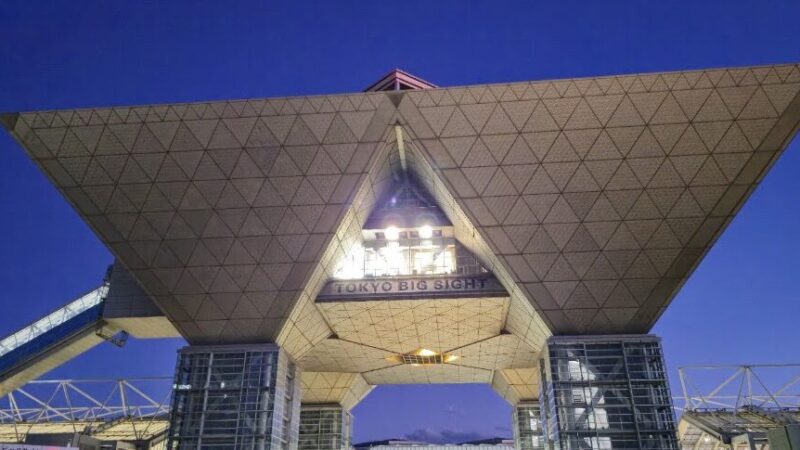
Episode 4’s main setting is Tokyo Big Sight, with Chiba City appearing in preparation stages and travel scenes. The departure scene from Nishi-Chiba Station and nightscape around the Kousaka house after returning create striking contrasts between daily life and special events.
Episode 5 Onwards: Major Spots
From Episode 5 onwards, various Chiba City locations continue appearing. Monorail interior scenes, Prefectural Government Building Station area, Chiba Central Park—new spots are introduced successively.
Particularly Episode 8 depicts residential areas in detail, and Episode 10 features Chiba Park again as an important stage. Through the final episode, Chiba City consistently functions as the foundation of the narrative.
Detailed Guide to Season 2 Locations
New Sacred Sites in Season 2
In Season 2 (broadcast 2013), while the production company changed to A-1 Pictures, the Chiba Prefecture setting continued, with numerous new locations actually added.
The Makuhari Area is newly featured in Season 2, with modern cityscapes of Makuhari Shinshin giving the work fresh impressions. High-rise buildings, Makuhari Messe surroundings, Kaihama Makuhari Station—alternative aspects of Chiba City are depicted.
Inage Seaside is another important spot appearing in Season 2. Seaside promenade and Inage Seaside Park scenes with the ocean as backdrop are impressively used.
Season 2 Episode 1 “My Little Sister Couldn’t Possibly Return Again”
Season 2 Episode 1 introduces familiar locations from Season 1 alongside new spots. Nishi-Chiba Station remains an important stage, but camera angles and depiction methods differ from Season 1, offering more sophisticated visual expression.
Season 2 Episode 2 Onwards Development
From Season 2 Episode 2 onwards, Chiba Park, Chiba Monorail, Chiba Port Tower continue appearing from Season 1’s staple spots. Simultaneously, various new shopping streets, parks, and residential areas throughout Chiba City are introduced, significantly expanding sacred site range.
Particularly from Episode 6 through Episode 8, various Chiba locations are utilized, increasing pilgrimage enjoyment. Through Season 2’s final episode, Chiba Prefecture remains an important narrative stage.
Efficient Sacred Site Pilgrimage Route Plans
Half-Day Course (Beginner-Friendly)
For those new to sacred site pilgrimage or with limited time, a half-day course efficiently covering major spots is recommended.
Start: JR Nishi-Chiba Station (Duration: approximately 30 minutes)
After photographing the station exterior, ticket gates, and platforms, explore the station-front shopping street.
↓ Approximately 15-minute walk
Chiba Park (Duration: approximately 1 hour 30 minutes)
Visit photography spots of important work scenes: boat pond area, promenade, benches.
↓ Board Chiba Monorail at Chiba Park Station
Chiba Minato Station / Chiba Port Tower (Duration: approximately 1 hour)
Photograph Chiba Port Tower’s exterior and, if possible, view Chiba from the observation deck.
↓ Chiba Monorail to Chiba Station
Goal: JR Chiba Station
Purchase sacred site pilgrimage goods and visit Chiba Monorail’s seal stamp location.
Full-Day Course (Standard)
For those wishing to thoroughly explore sacred sites over an entire day, a course extending beyond the half-day plan is recommended.
Morning follows the half-day course from Nishi-Chiba Station through Chiba Park.
After lunch, visit additional spots appearing in the work such as Prefectural Government Building Station area and Chiba Central Park, then move to the Chiba Minato area, finishing with sunset enjoyment at Inage Seaside in the evening.
Two-Day Course (Complete Coverage)
For those wanting to encompass all locations from Seasons 1 and 2, a leisurely two-day course is recommended.
Day 1: Central Chiba City
Thoroughly visit major central spots: Nishi-Chiba Station, Chiba Park, Chiba Monorail line, Chiba Port Tower.
Day 2: Makuhari/Inage Area and Supplementary
Focus on new spots appearing in Season 2: Makuhari Shinshin, Inage Seaside, and supplement Day 1’s uncovered locations.
Chiba Monorail Utilization Tips
Efficient Movement Using the Monorail
Chiba Monorail is an extremely convenient transportation means for sacred site pilgrimage. With Line 1 (Chiba Minato ~ Prefectural Government Building) and Line 2 (Chiba ~ Chiba-Shiroyodai), most major sacred sites are within walking distance of monorail stations.
Purchasing an all-day pass (700 yen for adults, 350 yen for children) allows unlimited boarding and descending, enabling efficient site visiting. Window scenery also appears in the work, making travel time itself part of the pilgrimage.
Sacred Sites Visible from the Monorail
Monorail window views, depicted multiple times in the work, are also sacred sites. From near Chiba Park Station, one sees Chiba Park’s full view, and near Prefectural Government Building Station, central Chiba spreads out.
Particularly when heading toward Chiba Minato, the gradual appearance of the sea creates a landscape transformation allowing appreciation of scene correspondence in the work.
Seal Stamp Location and Merchandise Information
At Chiba Station, a seal stamp location for “88 Anime Sacred Sites Worth Visiting” is installed for commemorative stamping. Additionally, limited-period original merchandise like clear files are sometimes sold, so checking Chiba Monorail’s official site before visiting for latest information is recommended.
Combined Pilgrimage with Akihabara
One-Day Plan Visiting Both Chiba and Akihabara
Another important Oreimo stage is Akihabara. Leveraging the approximately 40-minute distance via JR Sobu Line from Chiba City, visiting both in one day is possible.
Morning: Major Chiba City Spots (Nishi-Chiba Station, Chiba Park, etc.)
↓
Afternoon: Akihabara (Gamers, Tora no Ana, maid cafes, etc.)
This plan allows tracing the route Kyosuke and Kirino actually traveled, enabling deeper work world experience.
Akihabara’s Major Sacred Sites
In Akihabara, locations like Gamers Main Store, Tora no Ana, Animate appearing in the work actually exist. Additionally, Chuo-dori, station plaza, and areas under elevated highways themselves serve as sacred sites.
With scenes of Kirino purchasing doujinshi and Kyosuke searching for games for his sister developing in Akihabara, combined visitation with Chiba City deepens work understanding.
Seasonal Sacred Site Appeal
Spring Pilgrimage
Spring Chiba Park, known as a cherry blossom viewing site, features beautiful cherry blossom rows around the boat pond. Since many work scenes lack specific seasonal settings, visiting during cherry blossom season discovers fresh appeal different from anime.
Nishi-Chiba Station area street trees also show beautiful spring foliage, allowing pilgrimage enjoyment in a refreshing atmosphere.
Summer Pilgrimage
Summer brings Chiba Park’s ōga lotus into peak viewing. The early-morning blooming ōga lotus, a Chiba City symbol, creates a beautiful boat pond landscape worth seeing.
Inage Seaside and Chiba Port Park enjoy pleasant sea breezes, offering summer’s open-air pilgrimage atmosphere. However, strong sunlight necessitates hats and sunscreen.
Autumn Pilgrimage
Autumn Chiba Park features beautiful fall foliage, with boat pond surroundings tinted red and yellow. This season provides the closest seasonal feeling to work atmosphere, with many pilgrims visiting.
Mild weather and easy walking suit extended pilgrimage, making autumn ideal.
Winter Pilgrimage
Winter Chiba City is relatively warm, though seaside areas feel cold winds, requiring wind protection at Chiba Port Tower and Inage Seaside.
Conversely, lighter crowds permit leisurely photography. On clear winter days, Chiba Port Tower’s views become especially beautiful with clear air.
Sacred Site Pilgrimage Precautions and Etiquette
Photography Considerations
Most sacred sites are actual residential areas or daily-use public facilities. Photography warrants the following:
- Do not enter private property
- Avoid loud conversation and extended stays causing resident disturbance
- When photographing on streets, ensure traffic isn’t obstructed
- Obtain store permission before photographing commercial facilities
Public Transportation Etiquette
Using JR lines and Chiba Monorail requires consideration for general passengers. Avoid rush hours, keep large luggage from obstructing others, and maintain basic etiquette.
Litter Disposal
Some public facilities like Chiba Park lack garbage bins. Food waste must be taken home, with site preservation being fans’ responsibility.
Tips for Enjoying Sacred Site Pilgrimage More
Advance Preparation
For richer pilgrimage, the following preparations are recommended:
- Rewatch relevant anime episodes, confirming appearance scenes
- Create or obtain a sacred site map
- Check weather forecasts, preparing appropriate clothing and items
- Ensure camera and smartphone charging
- Advance research of public transportation schedules and transfers
Comparison Photography Tips
For “location scouting” style comparing anime cuts with actual scenery, bringing anime screenshots is convenient. Storing them on smartphones or tablets enables accurate angle-matching for precise comparative photography.
SNS Sharing
When sharing pilgrimage memories on SNS, utilizing hashtags like “#俺妹聖地巡礼” or “#俺の妹がこんなに可愛いわけがない” enables fan interaction. However, maintain posts respecting personal information and others’ privacy.
Nearby Tourist Spots
Chiba City Science Museum
Within walking distance of Chiba Station, the Chiba City Science Museum features comprehensive planetarium and interactive exhibits. Perfect for visiting between pilgrimage stops, the planetarium boasts Japan’s largest-class scale.
Chiba City Museum of Art
Located in Chiba City’s central ward, Chiba City Museum of Art holds modern Japanese art collections. The building itself, utilizing historic structures, is noteworthy, recommended for art-interested visitors.
Chiba Shrine
Chiba Shrine in Chiba City’s central ward enshrines Chiba clan’s guardian deity. The vermillion-painted beautiful main hall and rare two-story structure offer architectural interest. Visiting for pilgrimage safety blessing is also appropriate.
Culinary Information
Chiba Ramen
Chiba City features distinctive ramen culture, with “Chiba ramen” characterized by rich pork bone-soy broth being famous. Multiple long-established ramen restaurants near Nishi-Chiba Station allow enjoying authentic ramen during pilgrimage.
Seafood Cuisine
Numerous seafood restaurants in Chiba Minato area and Inage Seaside surroundings offer fresh dishes. Cuisine using Tokyo Bay catch provides one pilgrimage pleasure.
Station Concourse Cuisine
JR Chiba and Nishi-Chiba stations’ surroundings feature abundant dining options. Even with limited time, quality meals are available at station-side locations.
Accommodation Information
Hotels Near Chiba Station
For distant visitors or two-day pilgrimage courses, Chiba Station area hotels are convenient. From business hotels to city hotels, varied options suit various budgets.
Chiba Station, at Chiba’s transportation hub with JR, Chiba Monorail, and Keisei lines, allows smooth next-day pilgrimage starts.
Accommodation Near Nishi-Chiba
Business hotels and guesthouses near Nishi-Chiba Station, being pilgrimage starting points, exist. With nearby Chiba University, numerous affordable student restaurants provide cost-effective stays.
Work Appeal and Sacred Site Relationship
One reason “My Little Sister Can’t Be This Cute” is beloved by many fans is its realistic setting. Using the actual location of Chiba Prefecture as the stage creates persuasiveness and reality, facilitating viewer emotional investment.
Walking roads Kyosuke and Kirino traversed deepens character understanding, increasing work affection. Sacred site pilgrimage is no mere tourism but a special act of experiencing the work’s world.
Chiba City, leveraging selection for “88 Anime Sacred Sites,” utilizes Oreimo for regional appeal promotion. Through Chiba Monorail collaboration and tourism guide sacred site introduction, regions and fans cooperatively preserve and develop the work’s world.
Conclusion: Oreimo Sacred Site Pilgrimage Appeal
“My Little Sister Can’t Be This Cute” sacred site pilgrimage, centered on Chiba City, Chiba Prefecture, offers visiting diverse spots providing fulfilling experience. With Chiba City consistently serving as stage from Season 1 through Season 2, sacred sites are preserved long-term, allowing immersion in the work’s world whenever visiting.
Beginning from JR Nishi-Chiba Station through Chiba Park, Chiba Monorail, Chiba Port Tower, extending to Makuhari and Inage, diverse locations color the narrative. Establishing efficient route plans allows enjoying pilgrimage from half-day to two-day durations at one’s pace.
The Oreimo world, set in actual Chiba City, deepens further understanding through sacred site visits following anime viewing. While respecting etiquette, embracing work affection, definitely embark on Chiba’s pilgrimage. Surely, it becomes a special experience sensing the breath of Kyosuke, Kirino, Kuronego, and others.