“Hanasaku Iroha” Sacred Site Pilgrimage Guide: Exploring Yuwaku Onsen in Kanazawa
The anime “Hanasaku Iroha,” which aired in 2011, continues to be loved by many fans more than ten years after its broadcast. Because the Yunoji Onsen that serves as the setting for the story is based on the real Yuwaku Onsen in Kanazawa City, Ishikawa Prefecture, this place has become a renowned sacred site pilgrimage destination visited by anime fans from across the country.
This article comprehensively introduces information you should know when visiting Yuwaku Onsen, which is famous as a sacred site for Hanasaku Iroha, covering everything from access methods to major pilgrimage spots, day-trip bathing information, and even the bonbori festival held locally.
Yuwaku Onsen: The History and Charm of Kanazawa’s Hidden Hot Spring
A Historic Hot Spring Continuing Since 718
Yuwaku Onsen is a historic hot spring town located in Yuwaku Town, Kanazawa City, with origins dating back to around 718 (Yoro 2). According to legend, a farmer discovered the hot spring after seeing a white heron healing its wounds there, and it is also called the “White Heron Hot Spring.”
Located about 30 minutes by car from central Kanazawa in a mountainous area covered with forest, this hot spring town has long been cherished as “Kanazawa’s hidden treasure.” During the era of the Kaga clan, it is said that the clan lord also visited, and since the Meiji period it has developed as a quiet hot spring town beloved by literary figures and artists.
Also Famous as a Place Connected to Meiji Takehisa Yumeji
Yuwaku Onsen is also known as the place where Takehisa Yumeji, a painter representing Taisho Romanticism, spent time with his lover Kasai Hikono. From this connection, the “Kanazawa Yuwaku Yumeji Museum” was built in the hot spring town, displaying Yumeji’s works and materials. Being able to touch Japanese cultural history alongside a Hanasaku Iroha sacred site pilgrimage is another charm of Yuwaku Onsen.
Meeting with Hanasaku Iroha
The anime “Hanasaku Iroha,” which began broadcasting in April 2011, is an original animation work produced by P.A.WORKS. It tells a coming-of-age story about Ohana Matsumae, a high school girl raised in Tokyo, who comes to work at an inn called “Kissuisou” at the Yunoji Onsen in Ishikawa Prefecture after her mother elopes, and grows through interaction with her friends.
The production staff actually conducted research at Yuwaku Onsen, faithfully reflecting the scenery, buildings, and atmosphere of the hot spring town in the work, which drew attention as a sacred site from the time of broadcast. The detailed depiction in the work and the emotionality of Yuwaku Onsen merged beautifully, making it a sacred pilgrimage spot that many fans actually visit.
Access to Yuwaku Onsen
Access by Public Transportation
Using the Bus from Kanazawa Station
To reach Yuwaku Onsen, take the Hokuriku Railroad Bus “12 Yuwaku Onsen” from platform 7 on the east exit of Kanazawa Station. The journey takes approximately 50 minutes, and you’ll arrive at the center of the hot spring town by getting off at the final stop “Yuwaku Onsen.”
As bus numbers are limited to only a few per day, it is important to check the timetable in advance. Be sure to confirm the return bus time and be careful not to miss it.
Fares and Travel Times
- One-way fare: approximately 700 yen
- Travel time: approximately 50 minutes
- Service frequency: approximately 5-6 buses per day (varies by season)
Access by Automobile
From Kanazawa City Center
From central Kanazawa to Yuwaku Onsen takes approximately 30 minutes by car. Head south on National Route 157 and turn onto Prefectural Route 10 (Yuwaku Street) to proceed along the mountain road. While the road is well-maintained, driving requires caution as it passes through a mountainous area.
Parking Information
Multiple free parking lots are equipped at Yuwaku Onsen. There is a public parking lot near the “Yuwaku Onsen Tourism Association” in the center of the hot spring town, from which you can visit each sacred pilgrimage spot on foot.
Taxi Service
If using a taxi from Kanazawa Station, the travel time is approximately 30-40 minutes, and the fare is approximately 5,000-7,000 yen. If shared among multiple people, you can enjoy sightseeing freely without worrying about bus schedules.
Hanasaku Iroha Sacred Site Pilgrimage: Complete Guide to Must-See Spots
Hot Spring Inns That Served as Models for Kissuisou
The inn “Kissuisou,” which is the central stage of the work, is depicted based on multiple inns at Yuwaku Onsen. As the atmosphere of the entire hot spring town, the exterior of buildings, and surrounding scenery appear in the work, you can experience the world of the anime just by walking through the hot spring town.
The real inns currently operate as businesses, making it possible to conduct sacred site pilgrimages while enjoying lodging or day-trip bathing. When photographing the building exteriors, remember they are operating inns and be considerate of other guests and staff.
Fukujin Bridge: An Iconic Symbol of the Hot Spring Town
Fukujin Bridge is a bridge near the entrance of Yuwaku Onsen town with distinctive red railings, appearing numerous times in the anime as an important spot. It is depicted as the school commute route used by Ohana and friends and as a symbolic landscape of the hot spring town.
The view of the hot spring town from the bridge changes with each season, and particularly during fall foliage season the scenery is spectacular. An information board is posted at the base of the bridge, making it an ideal starting point for sacred site pilgrimage.
Photography Spots
- View looking toward the hot spring town from the bridge
- Composition capturing the entire bridge from its base
- View looking up at the bridge from along the stream
Yuwaku Post Office: Everyday Scenes in the Work
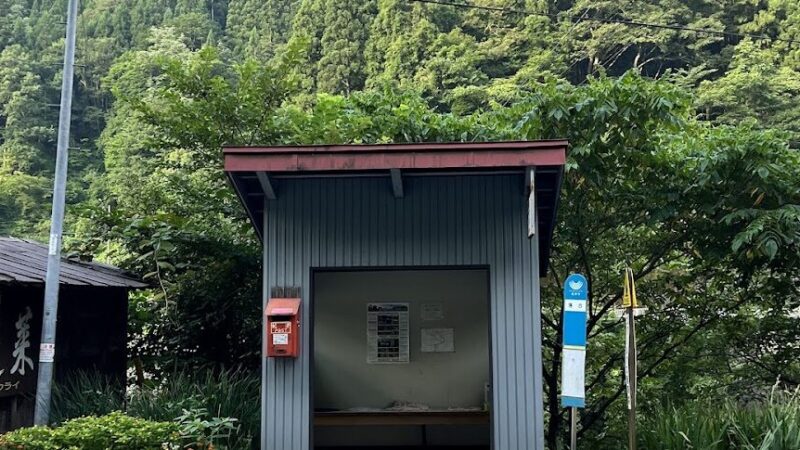
Yuwaku Post Office is a place where Ohana and friends send letters and appears as a part of everyday life in the work. It currently operates as an actual post office where you can have a Hanasaku Iroha original commemorative postmark (souvenir stamp) applied.
The post office sells Hanasaku Iroha-related postcards and goods, allowing you to purchase souvenirs of your sacred site pilgrimage. Visiting during business hours and sending a commemorative letter from here will become a wonderful memory.
Business Hours
- Weekdays: 9:00-17:00
- Weekends/Holidays: Closed (ATM available)
Yuwaku Inari Shrine: An Important Stage in the Work
Yuwaku Inari Shrine appears in the work as “Yunoji Shrine” and serves as the setting for important scenes in the story. Located up a few stairs from the hot spring town, you can worship in a quiet atmosphere.
The shrine grounds, stairs, and torii gate are depicted faithfully in the work, offering the enjoyment of comparing anime scenes with actual scenery. In particular, the view of the hot spring town from overlooking the shrine grounds is spectacular and popular as a photography spot.
Points of Interest
- Stone steps of the approach: the stage for scenes where Ohana and friends climbed up and down numerous times
- View from the shrine grounds: an excellent point overlooking the entire hot spring town
- Main shrine building: a historic structure that also appears in the work
Gyoksen Lake: Beautiful Waterside Scenery
Gyoksen Lake is an artificial lake near Yuwaku Onsen that appears in the work as the setting where Ohana and friends take walks and have important conversations. A walking path is maintained along the lake shore, allowing you to enjoy nature in all four seasons.
Particularly during spring green foliage and autumn leaves seasons it is beautiful, and the scenery reflected in the lake surface is fantastical. Benches are installed, so you can rest leisurely while recalling scenes from the anime.
Recommended Times
- Early morning: enjoy mirror-like lake surface scenery in a quiet atmosphere
- Evening: fantastical scenery as sunset illuminates the lake surface
Yuwaku Onsen Tourism Association: A Base for Information Gathering
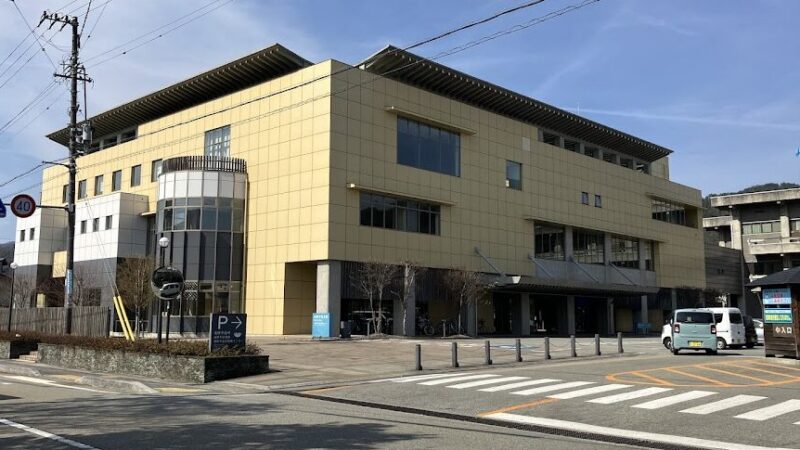
The Yuwaku Onsen Tourism Association is an important base for obtaining sacred site pilgrimage maps and tourism pamphlets. Hanasaku Iroha-related goods and souvenirs are also sold, allowing you to purchase mementos of your sacred site pilgrimage.
The staff members are also knowledgeable about the anime and may offer advice on recommended photography spots and pilgrimage routes. It’s recommended to visit first to gather information.
Shiragi no Yu: Enjoying Hot Spring Bathing During a Day Trip
“Shiragi no Yu” is a day-trip bathing facility at Yuwaku Onsen and is ideal for relieving fatigue from sacred site pilgrimage. Experiencing the hot spring water of the location that served as the setting for the anime is a unique benefit of sacred site pilgrimage.
The facility features an indoor bath and open-air bath where you can enjoy a leisurely soak in the quiet mountain atmosphere. The spring quality is sodium calcium-chloride sulfate spring, with expected benefits for fatigue recovery and beautiful skin.
Facility Information
- Operating hours: 7:00-22:00 (last admission 21:30)
- Closed: Third Thursday of each month
- Bathing fee: Adults 420 yen, Children 130 yen
Bonbori Festival: A Real Event Born from Anime
The Origin and History of the Festival
The bonbori festival is a unique event where local residents and fans worked together to make a fictional festival that appeared in the anime “Hanasaku Iroha” a reality. After the work broadcast in 2011, the first festival was held in October of that year, and has been held every autumn since.
Examples of festivals born from content becoming established as actual regional events are rare, drawing attention as a successful case of content tourism.
The Festival’s Content and Highlights
At the bonbori festival, bonbori (snow lanterns) with wishes written by fans and local people are displayed throughout the hot spring town. Shinto ceremonies at Yuwaku Inari Shrine, stage events, and voice actor talk shows are also held, with fans gathering from across the country.
The entire hot spring town is enveloped in festival atmosphere, making Yuwaku Onsen the busiest day of the year. The light of bonbori lit at dusk is fantastical, offering the emotion of experiencing the anime world become reality.
Event Information
- Held: Mid-October weekends every year
- Venue: Yuwaku Onsen town area, Yuwaku Inari Shrine
- Admission: Free (some paid events)
Precautions When Participating
The festival day draws many visitors causing crowded conditions, so use of public transportation is recommended. While temporary buses may have increased service, congestion is unavoidable, requiring action with time to spare.
Accommodation facilities fill up quickly, so reserving months in advance is necessary when planning to visit for the festival. Even for day-trip participation, it’s best to arrange return transportation by bus or taxi ahead of time.
Day-Trip Bathing and Lunch: Making Use of Advantageous Plans
Lunch-Included Day-Trip Plans
Some inns at Yuwaku Onsen offer attractive plans combining lunch and day-trip bathing. The appeal is enjoying meals using local ingredients and hot spring bathing alongside sacred site pilgrimage.
Plan Examples
- Fee: approximately 3,000-5,000 yen
- Content: kaiseki or set meal plus bathing
- Duration: 2-3 hours
Advance reservations are usually required, so it’s recommended to check each inn’s website or call ahead before visiting.
Dining Spots in the Hot Spring Town
The Yuwaku Onsen town also has dining establishments and cafes available for day-trip use. You can enjoy dishes using local ingredients and Kaga cuisine characteristic of Kanazawa, making them ideal for stopping by during sacred site pilgrimage.
Recommended Cuisine
- Dishes using Kaga vegetables
- Local soba
- Japanese sweets such as hot spring buns
Sightseeing Spots Around Yuwaku Onsen
Kanazawa Yuwaku Yumeji Museum
An art museum displaying the works and materials of Takehisa Yumeji, located within walking distance from Yuwaku Onsen. The building evoking Taisho Romanticism and exhibition content provide a cultural experience different from anime sacred site pilgrimage.
Facility Information
- Opening hours: 9:00-17:30 (admission until 17:00)
- Closed: Mondays (if a holiday, closed the following weekday)
- Admission: General 310 yen, High school students and under free
Strolling Around Yuwaku Onsen Soyu “Shiragi no Yu”
The hot spring town has foot and hand baths also equipped, allowing casual enjoyment of hot springs. Stopping by during strolls to soothe tired feet is also recommended.
Himuro Shed
A reconstructed facility of an ice house used by the Kaga clan during the Edo period to present ice to the shogun’s household. You can learn about historical background while experiencing Kanazawa’s culture.
Ways to Enjoy Sacred Site Pilgrimage and Etiquette
Using Pilgrimage Maps
The Yuwaku Onsen Tourism Association distributes Hanasaku Iroha sacred site pilgrimage maps. Major spots are marked on the map and designed for efficient pilgrimage. Using them alongside your smartphone’s GPS function is convenient.
Etiquette When Photographing
When enjoying photography during sacred site pilgrimage, follow these etiquette guidelines.
Photography Etiquette
- Do not enter operating inn or shop premises without permission
- Respect residents’ living spaces
- Do not make loud noise
- When photographing on roads, be careful not to obstruct traffic
- Always take trash with you
Contributing to the Community
Beyond simply enjoying sacred site pilgrimage, it’s important to contribute to the local economy. Purchasing souvenirs, using restaurants, and staying overnight contribute to the sustainable development of Yuwaku Onsen.
Yuwaku Onsen Through the Four Seasons
Spring: Season of New Green
From April to May, mountains are covered in new green, and the entire hot spring town is enveloped in a refreshing atmosphere. Cherry blossoms bloom slightly later than in Kanazawa city center, with mid-April as the best viewing time.
Summer: Seeking Cool
Summer at Yuwaku Onsen has lower temperatures than central Kanazawa, making it comfortable as a summer retreat. Abundant greenery and clear streams create coolness, allowing pleasant strolls even in hot summers.
Autumn: Spectacular Fall Foliage
From late October through early November, fall foliage comes into its best view, with the hot spring town colored in red and yellow. This period coincides with the bonbori festival season, making it the most beautiful time of year.
Winter: Fantastical Snow-Covered Landscape
From December through February, snow falls and the hot spring town transforms into a white world. Enjoying snow-viewing baths is a unique charm of this season. However, be careful of frozen roads.
Goods and Souvenir Information
Hanasaku Iroha Official Merchandise
The Yuwaku Onsen Tourism Association and some stores sell official Hanasaku Iroha merchandise. Various items are available including clear files, stickers, postcards, and T-shirts.
Popular Merchandise
- Yuwaku Onsen limited design clear files
- Bonbori festival commemorative goods
- Various character goods
Local Specialty Products
Local specialty products are also recommended as mementos of your sacred site pilgrimage.
Recommended Souvenirs
- Yuwaku Onsen buns
- Kaga roasted tea
- Cosmetics with gold leaf
- Local sake
Choosing Accommodation
Staying Leisurely at a Hot Spring Inn
Yuwaku Onsen has multiple hot spring inns, each with its own characteristics. You can choose from traditional old-fashioned inns evoking the anime’s atmosphere to modern facilities with up-to-date amenities, matching your budget and preferences.
Benefits of Staying
- Enjoy the atmosphere of the hot spring town at night
- Relax with an early morning bath
- Enjoy Kaga cuisine leisurely
- Conduct sacred site pilgrimage without time constraints
Lodging in Kanazawa City Center Plan
Another option is to lodge in Kanazawa city center and visit Yuwaku Onsen for a day trip. You can combine visits to other Kanazawa sightseeing spots (Kenrokuen, Kanazawa Castle, Higashi Teaya Street, etc.).
Enjoying Kanazawa Sightseeing Alongside Sacred Site Pilgrimage
Highlights of Kanazawa City Center
You can enjoy sightseeing in Kanazawa city center alongside sacred site pilgrimage at Yuwaku Onsen.
Major Sightseeing Spots
- Kenrokuen Garden: One of Japan’s three most famous gardens
- Kanazawa Castle Park: History of one million stones of Kaga
- Higashi Teaya Street: Traditional townscape
- Omicho Market: Kanazawa’s kitchen
- 21st Century Museum of Art: Mecca of contemporary art
Efficient Sightseeing Route
One-Night, Two-Day Model Course
Day 1
- Morning: Arrive at Kanazawa Station, city sightseeing (Kenrokuen, Kanazawa Castle)
- Afternoon: Stroll through Higashi Teaya Street, lunch at Omicho Market
- Evening: Move to Yuwaku Onsen, check in
- Night: Stroll through hot spring town, dinner
Day 2
- Morning: Early bath, begin sacred site pilgrimage
- Lunch: Lunch at Yuwaku Onsen
- Afternoon: Continue sacred site pilgrimage, visit Kanazawa Yuwaku Yumeji Museum
- Evening: Move to Kanazawa Station, depart
Conclusion: Experience the World of Hanasaku Iroha at Yuwaku Onsen
Yuwaku Onsen in Kanazawa City, Ishikawa Prefecture, is a place that continues to be loved by many fans as a sacred site for the anime “Hanasaku Iroha” more than ten years after its broadcast. By visiting actual spots that appeared in the work such as Fukujin Bridge, Yuwaku Post Office, Yuwaku Inari Shrine, and Gyoksen Lake, you can actually experience the worldview of the anime.
With good access from Kanazawa Station taking about 50 minutes by bus, it can be enjoyed either as a day trip or an overnight stay with flexibility. Using day-trip bathing or lunch-included plans allows you to simultaneously enjoy hot springs and cuisine.
The bonbori festival held every October is a special event where fans and the community come together as a real event born from anime, with great enthusiasm. Visiting during this time allows you to immerse yourself more deeply in the world of Hanasaku Iroha.
When enjoying sacred site pilgrimage, don’t forget consideration for local residents and proper etiquette, and fully savor the charm of Yuwaku Onsen. Visiting the setting of the work will deepen your understanding of the series and provide new discoveries. Why not spend special time at Yuwaku Onsen, where the atmosphere of a historic hot spring town merges with the worldview of the anime?