![[Hanasaku Iroha] Kanazawa City, Ishikawa Prefecture](https://anime-place.site/cms/wp-content/uploads/2026/07/places-459-花咲くいろは-石川県-聖地巡礼.jpg)
The anime “Hanasaku Iroha” broadcast in 2011 is a coming-of-age ensemble drama depicting the growth of girls working at an inn, set against the backdrop of Yuwaku Onsen in Kanazawa City, Ishikawa Prefecture. More than 10 years since its broadcast, the work continues to be beloved as a popular series that attracts many fans on pilgrimage visits to sacred sites.
This article provides a thorough explanation of the sacred sites in Ishikawa Prefecture where the work is set, centered on Yuwaku Onsen, extending through Kanazawa city streets to Nanao City. We have comprehensively covered all the information needed for those planning a sacred site pilgrimage, from efficient pilgrimage routes and access methods to event information that can only be experienced locally.
Overview of Hanasaku Iroha
Plot and World Setting
“Hanasaku Iroha” is a story centered on Ohana Matsumae, a high school girl raised in Tokyo. Through her mother’s elopement, Ohana comes to work at “Kissuisou,” an inn managed by her grandmother in the Yunoshio Onsen district of Ishikawa Prefecture. The story depicts Ohana’s growth both as a maid at the inn and as a high school student.
The Yunoshio Onsen featured in the work is modeled after the real Yuwaku Onsen, with the scenery of the hot spring district and the appearance of the inn recreated with great care. The beautiful artwork by P.A.WORKS and the unique world of a hot spring inn fascinated many fans.
Production Background and Connection to Ishikawa Prefecture
In producing this work, many local companies and organizations cooperated in interviews, including the Yuwaku Onsen Tourism Association, Ishikawa Prefecture, Kanazawa City, Kanazawa College of Art and Crafts, Noto Railway, and Mitsuoka Motor. Through this close cooperative relationship, the work’s world and the actual landscape of Ishikawa Prefecture merged beautifully, enhancing the appeal of sacred site pilgrimage.
The collaboration with the region was strong from the time of broadcast, and thanks to the work, the reputation of Yuwaku Onsen increased nationally, and the number of tourists increased, attracting attention as a success story in regional revitalization.
Yuwaku Onsen Area | Main Sacred Site Pilgrimage Spots
Overview of Yuwaku Onsen District and Access
Yuwaku Onsen is a quiet hot spring located approximately 8 km southeast of central Kanazawa City in a mountainous area. It is the model for “Yunoshio Onsen” in the work and the most important spot for Hanasaku Iroha sacred site pilgrimage.
Access Methods:
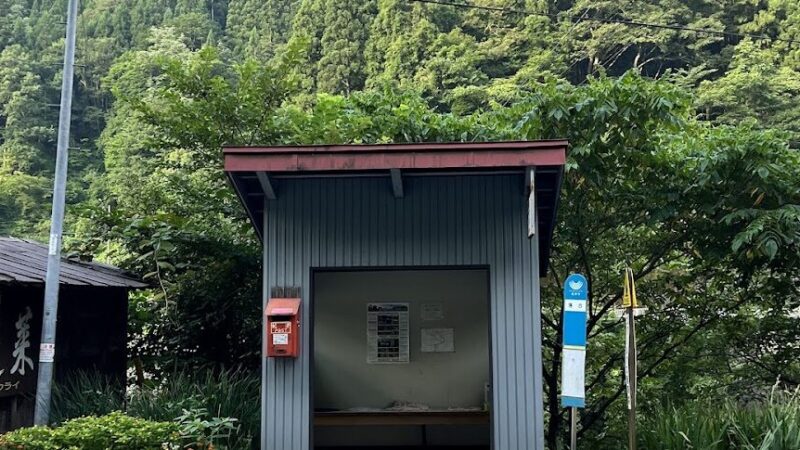
- Approximately 50 minutes from Kanazawa Station by Hokuriku Bus heading to Yuwaku Onsen, get off at the terminal “Yuwaku Onsen”
- By car, approximately 30 minutes from Kanazawa Station
- Rental cars and taxis are also convenient (parking available)
The entire hot spring district is compact and can be toured on foot. Plan for approximately 2-3 hours.
Model Inn of Kissuisou
The inn “Kissuisou,” the main setting of the work, was created with reference to multiple real inns. Real inns in Yuwaku Onsen such as “Shirasagi no Yu” and “Hyakurakusou” were used as models for the exterior and interior design.
In particular, “Shirasagi no Yu” operates as a public bath, and it is a precious spot where you can experience the atmosphere of the work while actually bathing. Located in the center of the hot spring district, it is a simple hot spring facility used by local residents.
Visiting Points:
- Since inns are operating facilities, please be considerate when entering as non-guests
- Photograph exteriors from public roads and be mindful of privacy
- Staying overnight allows for a deeper experience of the work’s world
Yuwaku Inari Shrine
Located deep in the hot spring district, Yuwaku Inari Shrine is an important location that appears in the work. It is featured in memorable scenes such as when Ohana and others visit to pray.
The stone steps leading to the shrine, torii gates, and the atmosphere of the grounds match the depiction in the work, making it a must-visit spot on the sacred site pilgrimage. Especially during the autumn foliage season, it is beautiful and ideal for photography.
Yuwaku Onsen Tourism Association
The Yuwaku Onsen Tourism Association distributes pamphlets and maps related to Hanasaku Iroha. It is an ideal place for gathering sacred site pilgrimage information, and the staff are kind in their guidance.
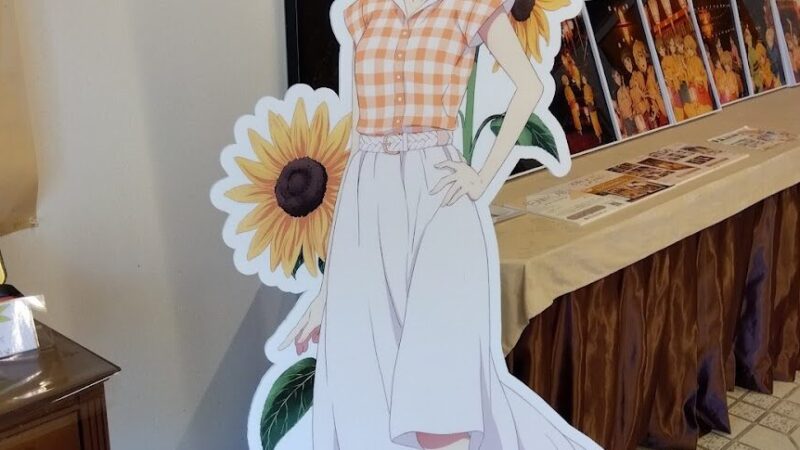
Around the tourism association, there are displays and posters related to the work—a spot not to be missed by fans. We recommend visiting at the beginning of your pilgrimage to gather information.
Gyokusen Lake and Fukushin Bridge
Gyokusen Lake and Fukushin Bridge, located near the entrance to the hot spring district, are symbolic locations that appear many times in the work. In particular, Fukushin Bridge is impressive as a location used by Ohana and others as a school route, and it is a popular spot where many fans take commemorative photos.
The lakeside walking path shows different aspects throughout the seasons—spring cherry blossoms, summer greenery, autumn foliage, and winter snow landscapes—offering different charms depending on the season of visit.
Yuwaku Bonbori Festival
The “Yuwaku Bonbori Festival,” which began in 2011 following “Hanasaku Iroha,” is a real-world manifestation of a fictional festival that appears in the work. Held in early October each year, it has become a major event attracting fans from across the country.
Festival Characteristics:
- Fans offer “bonbori” with their wishes written on them
- The entire hot spring district is illuminated, creating a fantastical atmosphere
- Special events such as voice actor talk shows also held (varies by year)
- Limited merchandise sales
With the 14th festival in 2024, it has become an established regular event for the region that transcends the work itself. If you plan a sacred site pilgrimage, visiting during this period is especially recommended.
Kanazawa City Area | Sacred Sites of Daily Scenes
Kanazawa Station
Kanazawa Station, where the story begins, appears in an important scene where Ohana arrives from Tokyo. In particular, the “Motenashi Dome” and “Tsuzumi Gate” at the east exit of the station are depicted impressively in the work.
Kanazawa Station also serves as a starting point for the sacred site pilgrimage, with buses to Yuwaku Onsen departing from here. The tourist information office in the station is convenient for obtaining pilgrimage maps and gathering information.
Kanazawa College of Art and Crafts and Surroundings
The “Karin High School” that Ohana and others attend in the work is modeled after Kanazawa College of Art and Crafts and its surroundings. The school’s exterior, the atmosphere of the buildings, and surrounding landscapes are reflected in the work.
Points to Note:
- As an actual educational institution, unauthorized entry to the grounds is strictly prohibited
- Photograph exteriors from public roads
- Be mindful not to disturb students
Shopping Districts of Kanazawa City
Shopping scenes featuring Ohana and others use Kanazawa’s shopping districts, with locations such as Omicho Market and shopping areas like Korinji and Katamachi recreating the atmosphere depicted in the work.
The Omicho Market in particular is famous as Kanazawa’s kitchen, where you can enjoy fresh seafood and local cuisine. Combined with the sacred site pilgrimage, it is a spot where you can experience Ishikawa Prefecture’s food culture.
Kenrokuen Garden and Kanazawa Castle Park
While there are few scenes of direct appearance in the work, Kenrokuen Garden and Kanazawa Castle Park, representative tourist destinations of Kanazawa, are important elements conveying Ishikawa Prefecture’s attractions as the work’s background.
Visiting these during breaks in the sacred site pilgrimage deepens understanding of Ishikawa’s history and culture, heightening the sense of immersion in the work’s world.
Nanao City Area | Noto Railway and Noto Landscape
Noto Railway
Noto Railway appears in scenes where Ohana travels to “Nanao,” where her friend Tamaki Tsurushio’s family home is located. Noto Railway operates part of the Nanao Line as a local railway where you can enjoy the idyllic landscape of Noto.
Noto Railway Tourism Points:
- Operates between Anamizu and Nanao stations
- Beautiful views of farmland and coastlines from the train windows
- Tourist train “Noto Satoyama Satoumi-go” also operates (reservation required)
Nanao City District
The landscape of Nanao City is used for depictions of the surroundings of Tamaki’s family home. Views overlooking Nanao Bay and fishing port scenery enrich the work’s world with characteristic landscapes of the Noto region.
Nanao City serves as a base for Noto Peninsula tourism, with many tourist attractions nearby including Wakaura Onsen and Noto Island. It is recommended to enjoy Noto tourism combined with the sacred site pilgrimage.
Natural Landscape of Noto
The beautiful natural scenery of the Noto Peninsula—coastlines, terraced fields, satoyama landscapes—is depicted throughout the work’s background, enhancing the work’s appeal.
When conducting a pilgrimage by rental car, driving through the Noto Peninsula while searching for landscapes appearing in the work is also an enjoyable way to experience the pilgrimage.
Efficient Sacred Site Pilgrimage Model Courses
1-Day Course: Yuwaku Onsen Intensive Plan
9:00 Arrival at Kanazawa Station, take Hokuriku Bus to Yuwaku Onsen
10:00 Arrival at Yuwaku Onsen, gather information at the tourism association
10:30 Hot spring district sightseeing (Fukushin Bridge, Gyokusen Lake, inn exteriors, etc.)
12:00 Lunch at a restaurant in the hot spring district
13:30 Visit Yuwaku Inari Shrine
14:30 Day bathing at Shirasagi no Yu
16:00 Souvenir shopping in the hot spring district
17:00 Return to Kanazawa Station by bus
This course is possible using only public transportation and efficiently covers the main spots in Yuwaku Onsen.
2-Day Course: All Ishikawa Prefecture Plan
Day 1: Kanazawa City and Yuwaku Onsen
Morning: Kanazawa Station, Kanazawa College of Art and Crafts surroundings, city areas
Afternoon: Move to Yuwaku Onsen, explore the hot spring district
Accommodation: Stay at an inn in Yuwaku Onsen
Day 2: Nanao and Noto Direction
Morning: Move from Yuwaku Onsen to Nanao via Kanazawa Station
Afternoon: Ride Noto Railway, explore Nanao city district
Evening: Return to Kanazawa Station for departure
Rental car use allows for greater flexibility in the pilgrimage.
3-Day Course: Complete Mastery Plan
Day 1: Thorough Exploration of Kanazawa City
Kanazawa Station, Kenrokuen Garden, Kanazawa Castle Park, Omicho Market, Kanazawa College of Art and Crafts surroundings, city shopping districts, etc.
Day 2: Leisurely Stay in Yuwaku Onsen
Head to Yuwaku Onsen in the morning, tour all hot spring district spots, if during bonbori festival period participate in festival, stay at a hot spring inn
Day 3: Noto Peninsula Drive
Ride Noto Railway, explore Nanao city district, Wakaura Onsen, Noto Island, and combine with surrounding tourism and pilgrimage
This course allows you to experience all of Ishikawa Prefecture’s attractions.
Preparations for Sacred Site Pilgrimage and Precautions
Packing Checklist
- Essential Items: Smartphone (maps, camera), mobile battery, IC transit card
- Recommended Items: Sacred site pilgrimage map (obtain at tourism association), work materials (Blu-ray, screenshots, etc.), notebook (for pilgrimage records)
- By Season: Summer—sunscreen, hat; Winter—cold-weather clothing, slip-resistant shoes
- Rainy Weather: Folding umbrella, raincoat
Manners and Rules
Consideration for local residents and facilities is essential to enjoying a sacred site pilgrimage.
Basic Manners:
- Trespassing on private property is prohibited
- Non-guests are not permitted inside operating facilities such as inns
- Photography from public roads only, be considerate of surroundings
- Avoid loud conversations and noise
- Always take trash with you
- Don’t forget to greet local residents
In particular, Yuwaku Onsen is a quiet hot spring district where many guests stay for recuperation, so please act with discretion.
Best Season
Spring (March-May): Cherry blossom season, beautiful fresh greenery, pleasant climate
Summer (June-August): Lush green, cool hot spring district is comfortable
Autumn (September-November): Spectacular fall foliage, bonbori festival held (early October)
Winter (December-February): Snowy landscape is fantastical, hot spring particularly pleasant
For bonbori festival participation, early October is optimal. However, this period is crowded, so early accommodation reservations are necessary.
Budget Guide
Day Trip Plan (from Tokyo):
- Transportation: Round trip approximately ¥30,000 (bullet train)
- Local transportation: ¥2,000 (bus, city movement)
- Meals: ¥3,000
- Bathing fee: ¥500
- Souvenirs/goods: ¥5,000
Total: Approximately ¥40,000
1-Night 2-Day Plan (from Tokyo):
- Transportation: Round trip approximately ¥30,000
- Accommodation: ¥10,000-30,000 (Yuwaku Onsen inn)
- Meals: ¥5,000
- Miscellaneous: ¥5,000
Total: Approximately ¥50,000-70,000
Goods and Souvenir Information
Official Goods Retailers
Official Hanasaku Iroha merchandise is sold at the Yuwaku Onsen Tourism Association and souvenir shops throughout the hot spring district. Limited-edition goods also appear during the bonbori festival period.
Main Goods:
- Postcards
- Clear files
- Keychains
- T-shirts
- Bonbori festival limited-edition goods
Ishikawa Prefecture Specialties
Ishikawa Prefecture specialties are also recommended as mementos of the sacred site pilgrimage.
- Gold leaf products: Kanazawa has Japan’s highest gold leaf production
- Kaga Yuzen: Traditional craft
- Local sake: Ishikawa is a renowned sake region
- Seafood: Nodoguros, sweet shrimp, Kano crabs, etc.
- Japanese confections: Kanazawa is a major city for Japanese sweets consumption
Available for purchase at Omicho Market and souvenir shops at Kanazawa Station.
Accommodation Guide
Inns in Yuwaku Onsen
For a sacred site pilgrimage, staying at an inn in Yuwaku Onsen is truly recommended.
Major Inns:
- Hyakurakusou: One of the models for Kissuisou, luxury inn
- Yu no De: Traditional inn with homey atmosphere
- Oyado Yamashita: Family-style hospitality
You can experience the work’s world while enjoying authentic hot spring inn service. Rates are approximately ¥10,000-30,000 per night including two meals.
Hotels in Kanazawa City
The Kanazawa Station area and Korinji area have diverse accommodations ranging from business hotels to city hotels.
Merits:
- Convenient access
- Abundant dining options
- Relatively affordable
- Easy to combine with Kanazawa tourism
Approximately ¥5,000-15,000 per night allows for budget-appropriate selection.
Living Together with the Community | Sacred Site Development Success Story
Work and Community Cooperation
“Hanasaku Iroha” is noted as a success story of cooperation between an anime work and a region. From the production stage, there was close collaboration with the community, and a continuous relationship has been built since broadcast.
The bonbori festival is a pioneering effort to realize a fictional festival in reality, becoming established as a regional event attended by not only work fans but also local residents. Such efforts serve as models for other sacred site pilgrimages.
Economic Effects and Tourism Promotion
Following the broadcast, tourism to Yuwaku Onsen increased significantly. Visits from younger demographics increased in particular, bringing new vitality to the hot spring district.
Local inns and shops actively engage in regional promotion through the work, with an established system warmly welcoming fans. This region-wide receptive attitude enhances the satisfaction of sacred site pilgrimages.
Sustainable Sacred Site Pilgrimage
The “Hanasaku Iroha” sacred site pilgrimage, with fans continuing to visit more than 10 years after broadcast, demonstrates a sustainable model that does not end as a temporary boom.
An annual bonbori festival as a regular event, good relations with the community, and the work’s universal appeal support its long-term value as a sacred site.
Nearby Tourist Attractions
21st Century Museum of Art, Kanazawa
A popular contemporary art museum, the 21st Century Museum of Art, Kanazawa, has both free and paid exhibition areas where art can be enjoyed casually.
Higashi Teaya District
A traditional teaya district of Kanazawa with scenery preserving Edo period atmosphere. Lined with cafes and craft shops, it’s ideal for strolling.
Chirihama Nagisa Drive Way
Famous as Japan’s only drive-able sandy beach. Accessible when traveling toward the Noto direction.
Wakaura Onsen
A hot spring representing the Hokuriku region located in Nanao City. You can also enjoy hot spring visits combined with the sacred site pilgrimage.
Detailed Access Information
Access from Tokyo
By Bullet Train:
Tokyo Station → (Hokuriku Shinkansen, approximately 2 hours 30 minutes) → Kanazawa Station
Fare: Approximately ¥14,000 (reserved seat)
By Airplane:
Haneda Airport → (approximately 1 hour) → Komatsu Airport → (bus approximately 40 minutes) → Kanazawa Station
Fare: Varies by season (possible to use LCC for discount)
Access from Osaka
Special Express:
Osaka Station → (Special Express Thunderbird, approximately 2 hours 30 minutes) → Kanazawa Station
Fare: Approximately ¥7,500
Highway Bus:
Osaka → Kanazawa (approximately 4 hours)
Fare: Approximately ¥4,000 (budget-friendly)
Access from Nagoya
Special Express:
Nagoya Station → (Special Express Shirasagi, approximately 3 hours) → Kanazawa Station
Fare: Approximately ¥7,000
Local Transportation
Local Bus: Hokuriku Bus from Kanazawa Station to Yuwaku Onsen
Rental Car: Multiple rental car shops around Kanazawa Station
Taxi: Approximately ¥5,000 from Kanazawa Station to Yuwaku Onsen
Sightseeing Bus: Regular sightseeing buses also operate (confirmation required)
Conclusion
The “Hanasaku Iroha” sacred site pilgrimage offers a special experience where the beautiful landscape of Ishikawa Prefecture merges with the work’s world. By visiting numerous spots that appeared in the work—centered on Yuwaku Onsen, extending through Kanazawa’s city streets to Nanao City—you can feel Ohana and the others’ story more deeply.
Under good relations with the region, a system is in place to warmly welcome fans, making it ideal even for first-time sacred site pilgrims. With the special bonbori festival event, new discoveries await no matter how many times you visit.
Through the sacred site pilgrimage, deepen your love for the work while fully enjoying Ishikawa’s rich nature, history, culture, and cuisine. Remember to observe good manners and gratitude toward local residents as you spend a wonderful pilgrimage journey.
“Bonboru”—like Ohana’s words, why not have a shining experience in Ishikawa?