About Girls Band Cry
“Girls Band Cry” is an original anime released in 2024. Produced by Toei Animation, this music anime depicting the youth and struggles of girls pursuing band activities after moving to Tokyo captured the hearts of many fans.
At the center of the story is Nina, the protagonist who leaves her hometown and comes to Tokyo, where she meets members with unique personalities and forms the band “Togenashi Togari.” The work is characterized by realistic psychological depiction, powerful live scenes, and meticulously drawn background art depicting actual cityscapes.
The setting of this work is primarily centered around Kawasaki City in Kanagawa Prefecture. The production team conducted actual location scouting and faithfully incorporated real landscapes and buildings into the work. As a result, the series has garnered attention among anime fans as a target for “holy site pilgrimage,” and many fans have visited Kanagawa Prefecture following the broadcast.
Reasons Why Kanagawa Prefecture Was Chosen as the Setting
There are several reasons why Kanagawa Prefecture, particularly Kawasaki City, was selected as the setting for “Girls Band Cry.”
First, Kawasaki City has good access to central Tokyo while possessing its own unique culture and history. It serves as a highly realistic setting as a place where local residents who moved to the city initially live, and as a base for young people beginning their music activities.
The area around Kawasaki Station is well-equipped with commercial facilities and has a rooted youth culture. With many live houses and music studios, the region is actually a vibrant hub for indie band activities. This aspect of being a “music town” was considered ideal as the setting for a band anime.
Furthermore, Kawasaki City is adjacent to Tokyo across the Tamagawa River, possessing a unique landscape that blends urban and suburban areas. The contrast between the front of the station lined with high-rise buildings and residential neighborhoods a short distance away is effectively used as a backdrop symbolizing the emotions of the protagonists.
Holy Sites Around Kawasaki Station
Kawasaki Station East Entrance
The east entrance of Kawasaki Station is an important location appearing multiple times in the work. In the scene where protagonist Nina first arrives in Kawasaki, the station’s ticket gates and the rotary of the east entrance are depicted in detail.
The exterior of the large commercial facility “Lazona Kawasaki Plaza” in front of the station also appears in the work, used as a background for scenes where members go shopping and eat. When actually visiting, you can take photos from the angles shown in the anime, and many pilgrims enjoy commemorative photography.
Access Information:
- Direct access from “Kawasaki Station” on the JR Tokaido Line, Keihin-Tohoku Line, and Nanbu Line
- Approximately 5 minutes walk from “Keikyu Kawasaki Station” on the Keikyu Main Line
Kawasaki Station West Entrance and Muse Kawasaki Area
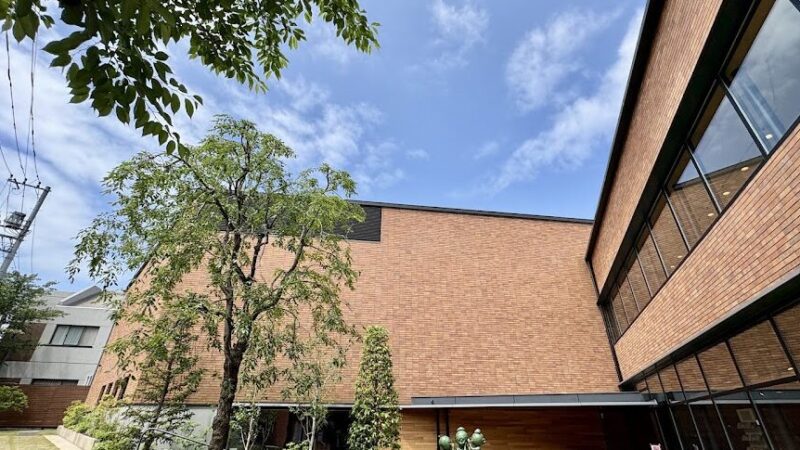
On the west side of Kawasaki Station is the music hall “Muse Kawasaki Symphony Hall.” While there are few direct appearances in the work, it is depicted in distant views as a building symbolizing Kawasaki as a music town.
The pedestrian deck on the west exit and the station square also appear in scenes where members meet up. In particular, the scene of the west rotary at dusk is one of the work’s impressive moments.
Kawasaki Ginryuu Street and Kawasaki Ginza Street
“Ginryuu Street,” which extends from the east exit of Kawasaki Station, is a historic shopping street retaining the atmosphere of the Showa era. In the work, it appears in scenes where members search for instrument shops or browse vintage clothing stores.
The unique atmosphere of the arcade street and the variety of distinctive shops are faithfully reproduced, and walking through it allows you to feel the world of the work more deeply. Particularly, the neon-lit landscape of Ginryuu Street at night overlaps with the nostalgic atmosphere of the work.
Holy Sites Along the Tamagawa River
Tamagawa River Floodplain
The Tamagawa River floodplain is one of the most important holy sites in “Girls Band Cry.” It appears multiple times as the stage for important scenes where members practice and talk together.
Particularly from the floodplain on the Kawasaki side, you can view the buildings of Tokyo across the river, and this landscape is depicted impressively in the work. The Tamagawa River at dusk is effectively used as a beautiful background reflecting the emotions of the protagonists.
Recommended Visiting Time:
- Late afternoon (16:00-18:00): The sunset is beautiful and scenes from the work can be easily recreated
- Early morning (6:00-8:00): Fewer people and a quiet atmosphere can be enjoyed
Tamagawa Bridge
The Tamagawa Bridge and its surroundings also appear multiple times in the work. Scenes of members looking down from the bridge and having conversations at the base are depicted.
From the bridge’s walkway, you can enjoy views of the Tamagawa River in both upstream and downstream directions, and on clear days, you can even see Mount Fuji in the distance. This expansive scenery seems to symbolize the liberation of the protagonists’ hearts.
Access Information:
- Approximately 15 minutes walk from “Yako Station” on the JR Nanbu Line
- Bus access from Kawasaki Station is also available
Live Houses and Music Venues in Kawasaki City
Club Citta Kawasaki
“Club Citta Kawasaki,” a live house representative of Kawasaki, is considered to be one of the models for the live house appearing in the work. It is a holy site where many bands actually perform and serves as an important element supporting the work’s realism.
In the work, there is a scene depicting the exterior of what is the live house that Togenashi Togari aspires to perform at. Visiting in person allows you to feel its presence and passion for music.
Facility Information:
- Address: 5-7 Ogawa-cho, Kawasaki Ward, Kawasaki City, Kanagawa Prefecture
- Access: Approximately 5 minutes walk from the east exit of Kawasaki Station
- Note: Interior viewing is not possible except during live events
Small Live Houses and Music Studios
Various small live houses and music studios are scattered around Kawasaki Station. The studio where the protagonists practice in the work and the small live house where they perform for the first time are presumed to be modeled after these existing facilities.
Particularly in the mixed-use buildings on the east side of the station, multiple music studios are housed and are bustling with young people engaged in band activities. The existence of this “real music scene” enhances the work’s persuasiveness.
Residential Areas and Living Spaces as Holy Sites
Residential Neighborhoods in Kawasaki City
The exteriors of the apartments and share houses where the protagonists live, as well as surrounding residential neighborhood landscapes, are modeled after actual locations in Kawasaki. Particularly, the alleys of residential areas away from Kawasaki Station and areas lined with old apartments appear in the work.
These seemingly ordinary everyday landscapes are essential elements supporting the work’s realism. When visiting for pilgrimage, it is necessary to consider that these are residential areas and be considerate of residents.
Convenience Stores and Shops
In the work, many daily locations appear, including convenience stores where members gather late at night and music shops where they go to buy instrument strings. Rather than specific stores, these reproduce the atmosphere of general existing stores in Kawasaki.
Other Holy Site Candidates Within Kanagawa Prefecture
Yokohama Area
While Kawasaki is the center of the work, landscapes from the Yokohama area are believed to appear in some scenes. Particularly, coastal scenery and urban landscapes may incorporate elements from Yokohama.
Along the Keikyu Line
Scenes of Keikyu Line stations and train interiors also appear in the work. In scenes depicting movements from Kawasaki Station to Yokohama or Tokyo, the distinctive red vehicles of the Keikyu Line are depicted.
Effective Ways to Visit Holy Sites
One-Day Model Course
Morning (10:00-12:00):
- Start from Kawasaki Station East Exit
- Explore around Lazona Kawasaki
- Walk through Ginryuu Street and Ginza Street
- Take location photos around the station
Lunch (12:00-13:00):
- Have lunch at a restaurant near Kawasaki Station
Afternoon (13:00-16:00):
- Move toward Tamagawa area (by bus or on foot)
- Explore the Tamagawa River floodplain
- Around Tamagawa Bridge
- Explore residential areas (pay attention to manners)
Late Afternoon (16:00-18:00):
- Kawasaki Station West Exit area
- Photograph the sunset station scenery
- Around Club Citta Kawasaki (exterior only)
Half-Day Course
If time is limited, it is recommended to focus on two areas: around Kawasaki Station and the Tamagawa River floodplain. It takes about 30 minutes on foot from the station to the Tamagawa, or 10-15 minutes by bus.
Access and Transportation Information
Access from Tokyo
Train:
- JR Tokaido Line: Approximately 18 minutes from Tokyo Station to Kawasaki Station
- JR Keihin-Tohoku Line: Approximately 10 minutes from Shinagawa Station to Kawasaki Station
- Keikyu Main Line: Approximately 10 minutes from Shinagawa Station to Keikyu Kawasaki Station
Car:
- Approximately 5 minutes from “Kawasaki IC” on the Shuto Expressway Kanagawa No. 1 Yokoha Line
- Parking: Multiple coin parking lots available around the station
Access from Yokohama
Train:
- JR Tokaido Line: Approximately 8 minutes from Yokohama Station to Kawasaki Station
- Keikyu Main Line: Approximately 8 minutes from Yokohama Station to Keikyu Kawasaki Station
Transportation Within the City
The following transportation methods are convenient for getting around within Kawasaki:
- City Bus: Covers a wide range from Kawasaki Station to the Tamagawa area
- Walking: Main spots around the station are within walking distance
- Bicycle: Rental cycle services are also available
Etiquette and Precautions for Holy Site Pilgrimage
Basic Etiquette
When enjoying holy site pilgrimage, please observe the following etiquette:
- Consideration in Residential Areas: Avoid speaking loudly, avoid prolonged stays
- Photography Etiquette: Do not trespass on private property, be considerate of others appearing in photos
- Trash Disposal: Take trash with you to keep visited places clean
- Traffic Rules: When photographing on sidewalks, be careful not to obstruct passage
- Etiquette in Commercial Facilities: Obtain permission before photographing in stores, avoid long stays without making purchases
Consideration for Residents
Many holy sites in Kawasaki are places where people actually live. Particularly in residential areas and shopping streets, it is important to respect the daily lives of local residents.
- Avoid visiting in early morning or late night
- Do not enter private property or residential grounds
- Avoid moving in large groups
- Be mindful of noise
Photography Precautions
- When using a tripod, choose a location that does not obstruct passage
- Many commercial facilities prohibit photography; check in advance
- Be considerate of other tourists and local residents appearing in photos
- Be cautious about oversharing detailed location information on social media
Recommended Items and Preparations
Essential Items
- Smartphone/Camera: For recording holy sites
- Mobile Battery: To prepare for extended pilgrimages
- Map App: Navigation apps such as Google Maps
- Beverages: For heat stroke prevention, especially in summer
- Hat/Umbrella: For sun protection
Useful Items to Have
- Scene Photos from the Work: For comparison with holy sites (saving to your phone is fine)
- Notebook: For recording visited places and impressions
- Rain Gear: To prepare for sudden weather changes
- Comfortable Shoes: Important for long-distance walks such as around the Tamagawa River floodplain
Nearby Tourist Spots and Dining Information
Tourist Spots in Kawasaki City
Tourist spots in Kawasaki to visit along with holy site pilgrimage:
Kawasaki Daishi:
- One of the three major temples in the Kanto region, famous as a New Year’s visit spot
- Approximately 10 minutes from Kawasaki Station on the Keikyu Daishi Line
Kawasaki City Museum:
- Displays art, history, and folk materials
- Accessible by bus from Musashi-Kosugi Station
Lazona Kawasaki Plaza:
- Large shopping mall
- Ideal for rest and shopping
Recommended Dining
Kawasaki has diverse dining options:
Characteristics of Kawasaki Cuisine:
- Abundant international cuisine (especially Korean and Chinese)
- Many izakayas and ramen shops around the station
- Many reasonably priced establishments
Recommended Areas:
- Dining street in the east exit of Kawasaki Station
- Historic eateries on Ginryuu and Ginza Streets
- Restaurant floor in Lazona Kawasaki
Highlights by Season
Spring (March-May)
Cherry blossoms bloom on the Tamagawa River floodplain, making it a popular flower-viewing spot. Visiting while recalling the spring scenes from the work allows you to feel the work’s world more deeply.
Summer (June-August)
Summer festivals and events are sometimes held on the Tamagawa. However, heat protection is essential. Early morning or late afternoon visits are recommended.
Autumn (September-November)
The pleasant climate makes autumn the ideal season for holy site pilgrimage. The Tamagawa landscape at dusk is particularly beautiful, and this period may be when you can feel the work’s atmosphere most.
Winter (December-February)
Clear air makes distant views crisp. The illuminations around Kawasaki Station are also worth seeing. Visit with proper cold weather protection.
Methods for Recording Holy Site Pilgrimages
Photography Tips
Points for taking photos recreating scenes from the work:
- Find the Same Angle: Compare scene photos from the work and find the same viewpoint
- Match the Time of Day: Visit at the same time of day (morning, noon, evening) as the work’s scenes
- Consider the Season: Visiting during the same season as the work makes the atmosphere even closer
Sharing on Social Media
When sharing holy site pilgrimage records on social media:
- Use hashtags such as “#GirlsBandCry” and “#HolySitePilgrimage”
- Enjoy interaction with other fans
- Be mindful of spoilers in your posts
- Be cautious about sharing location information (especially in residential areas)
Background Knowledge for Better Enjoying the Work
Ways to Watch the Work
It is recommended to watch or rewatch the work before pilgrimage. Confirming the locations appearing in each episode will make your pilgrimage more fulfilling.
Related Products and Goods
Official goods and soundtracks help you experience the work’s world more deeply. Some anime shops around Kawasaki Station may carry some items.
Fan Community
By exchanging information with other fans on social media and fan sites, you can discover new holy sites and obtain information about efficient pilgrimage routes.
Significance and Ways to Enjoy Holy Site Pilgrimage
Holy site pilgrimage is not merely visiting locations from a work, but understanding the work’s world more deeply and reflecting on the intentions of the creators and the emotions of the protagonists.
By actually walking through Kawasaki, you can feel closer to the anxiety and expectations of the protagonist who moved to the city, as well as the challenge of facing a new environment. Feeling the breeze on the Tamagawa River floodplain while recalling scenes where the characters talked together—this kind of experience is the true pleasure of holy site pilgrimage.
It also provides an opportunity to rediscover the charm of Kawasaki City, an actual place. Through the anime, you can learn that the city you discovered actually possesses rich culture and history, and realize it is a place where many people live.
Future Development and Changes in Holy Sites
As long as “Girls Band Cry” remains popular, Kawasaki’s status as a holy site will continue to grow. In the future, official collaboration events and tie-ups with local shopping streets are also expected.
On the other hand, holy sites are also “living places.” There is a possibility that the landscapes in the work may change due to urban redevelopment or store turnover. Therefore, there is value in visiting now to record the current landscape.
Summary: Making the Most of Girls Band Cry Holy Site Pilgrimage
The holy site pilgrimage for “Girls Band Cry” in Kanagawa Prefecture is centered around Kawasaki Station and the Tamagawa River floodplain, areas that can be thoroughly enjoyed even in a single day. With good access from central Tokyo, it is also ideal for first-time holy site pilgrims.
When visiting, do not forget to consider local residents and enjoy the experience while following proper etiquette. By conducting your pilgrimage with love for the work and respect for the actual city, you will have a more fulfilling experience.
Walking through Kawasaki, feeling the city’s air, and tracing the footsteps of the protagonists—this will be a special experience that allows you to understand the work more deeply and discover something new. Please use this article as a reference to plan your own holy site pilgrimage.
Kawasaki, a city where the story of music, youth, and girls pursuing their dreams comes to life. Why not try overlaying your own story on the landscapes there?