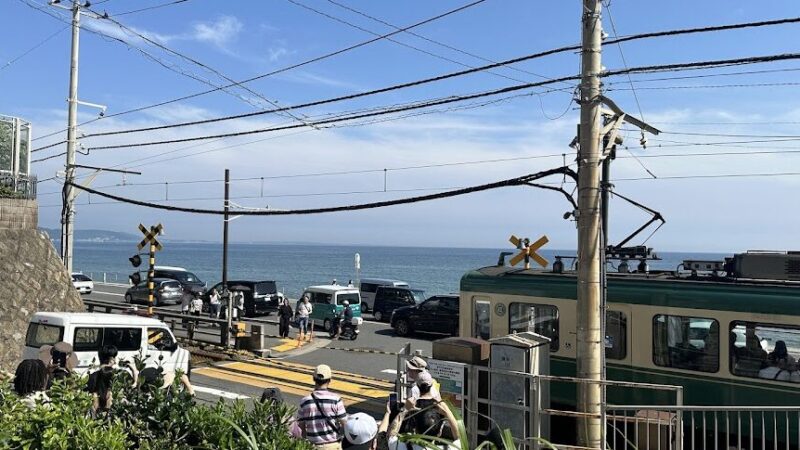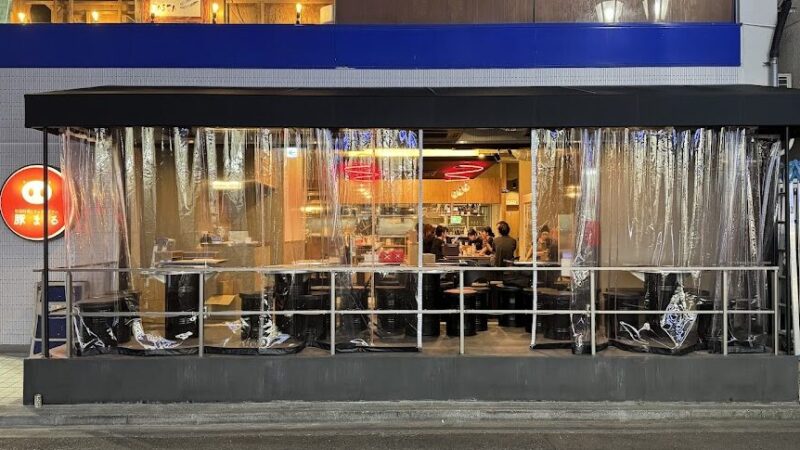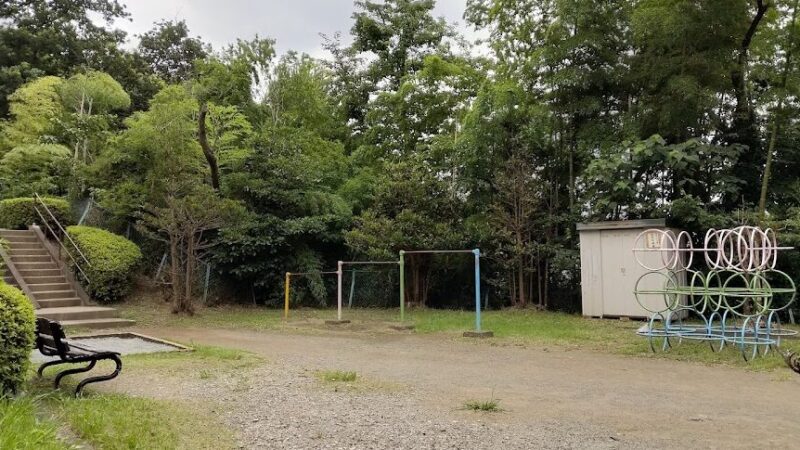
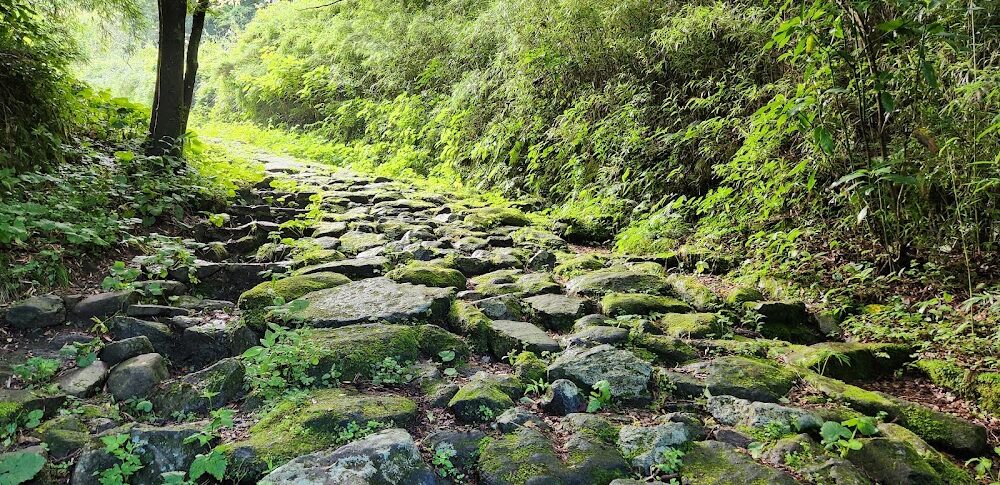
“Yowamushi Pedal,” a popular anime and manga series featuring bicycle road racing. Kanagawa Prefecture is one of the most important sacred sites in the Inter-High setting depicted in the work. In this article, we provide a thorough explanation of sacred site pilgrimage spots in Kanagawa Prefecture, from the starting point at Enoshima to the mountain stage in Hakone. We have compiled essential information for Yowapeda fans, including route information for cycling visits, access methods by public transportation, and highlights of each spot.
What is “Yowamushi Pedal”? Why Kanagawa Prefecture Serves as an Important Setting
“Yowamushi Pedal” is a popular bicycle road racing manga by Wataru Watanabe that has been serialized in Weekly Shonen Champion since 2008. It has been adapted into anime, stage productions, and live-action films, continuing to captivate many fans.
The Appeal of the Work and Kanagawa Prefecture’s Position
The protagonist, Sakamichi Onoda, is an anime-loving boy who attends Souhoku High School in Chiba Prefecture. Through a chance encounter, he joins the bicycle racing club and pursues the national high school championships (Inter-High) with his teammates. The Inter-High, the most important episode in the story, is depicted as a three-day long-distance race starting from Enoshima in Kanagawa Prefecture, passing through Hakone, and continuing to the fifth station of Mount Fuji in Yamanashi Prefecture.
Kanagawa Prefecture is particularly detailed as the setting for the first day of the Inter-High, with many real locations appearing, such as the Enoshima Bridge, National Route 1, and the mountainous terrain of Hakone. These locations have extremely high accuracy in recreating the work and hold special significance for fans as “sacred sites.”
Overview of the Inter-High Route
The Inter-High Day 1 route depicted in the anime and manga starts at Enoshima, heads west along National Route 1, passes through Odawara, and heads to the mountainous terrain of Hakone. The total distance exceeds 100km, with cyclists facing various terrains ranging from flat sections to steep mountain courses.
This route is also popular with actual cyclists, and on weekends, you can see many road bike enthusiasts riding it. Due to the influence of Yowamushi Pedal, an increasing number of fans visit this route as a “sacred site pilgrimage” each year.
Complete Guide to Major Sacred Site Pilgrimage Spots in Kanagawa Prefecture
Enoshima Area | Starting Point of the Inter-High
Enoshima Bridge (Enoshima Benten Bridge)
Location: Enoshima, Katase Kaigan, Fujisawa City, Kanagawa Prefecture
Access: 5 minutes walk from “Katase Enoshima Station” on the Odakyu Enoshima Line
The Enoshima Bridge, depicted as the starting point of the Inter-High, is the departure point for Yowamushi Pedal sacred site pilgrimage. In the anime, an impressive scene unfolds with many cyclists starting simultaneously. The actual bridge is approximately 389 meters long and serves as an important transportation route connecting Enoshima and the mainland.
Highlights:
- From the bridge, you can enjoy scenic views of Sagami Bay and Mount Fuji (weather dependent)
- Early morning and sunset hours offer particularly beautiful scenery
- There are parking lots and tourist information offices at the base of the bridge, ideal for preparing for sacred site pilgrimage
Photography Point: Taking photos from near the entrance of the bridge toward Enoshima will give you an angle close to the anime opening scene.
Tourist Spots Around Enoshima
Combined with sacred site pilgrimage, there are many tourist spots in the Enoshima area. Places like Enoshima Shrine, observation lighthouse, and Iwaya Cave are scattered throughout, offering spots to explore over the course of a day. You can also enjoy fresh seafood and the local specialty of shirasu (young fish) rice bowls, making it recommended to combine tourism with sacred site pilgrimage before or after.
Odawara Area | Important Spots in the Flat Section
Odawara Civic Hall Front Intersection
Location: 1-chome, Honcho, Odawara City, Kanagawa Prefecture
Access: About 10 minutes walk from Odawara Station (JR/Odakyu)
This is the setting for an important scene where the protagonist Sakamichi Onoda gets caught in a crash. The scene where the memorable line “You’re in last place right now, aren’t you?” is exchanged has become a spot memorable to fans.
Highlights:
- The actual intersection has a distinctive cranked road structure in front of the civic hall
- The landscape remains almost the same as depicted in the manga and anime
- The surrounding area includes Odawara Castle and shopping streets, making it easy to combine with tourism
Caution: This is a place with heavy traffic, so be sure to take safety precautions when photographing or viewing. If visiting by bicycle, strictly follow traffic rules.
Around Odawara Castle
A place you’ll want to stop by during sacred site pilgrimage is Odawara Castle. Known as a famous castle from the Sengoku period, the observation deck offers panoramic views of Odawara city and Sagami Bay. The castle also has a history museum where you can learn about Odawara’s history.
Hakone Area | Sacred Sites of the Mountain Stage
The Hakone area is the most important area for Yowamushi Pedal sacred site pilgrimage. Serving as the mountainous terrain where the climax of the first day of the Inter-High unfolds, it has been the setting for numerous memorable scenes.
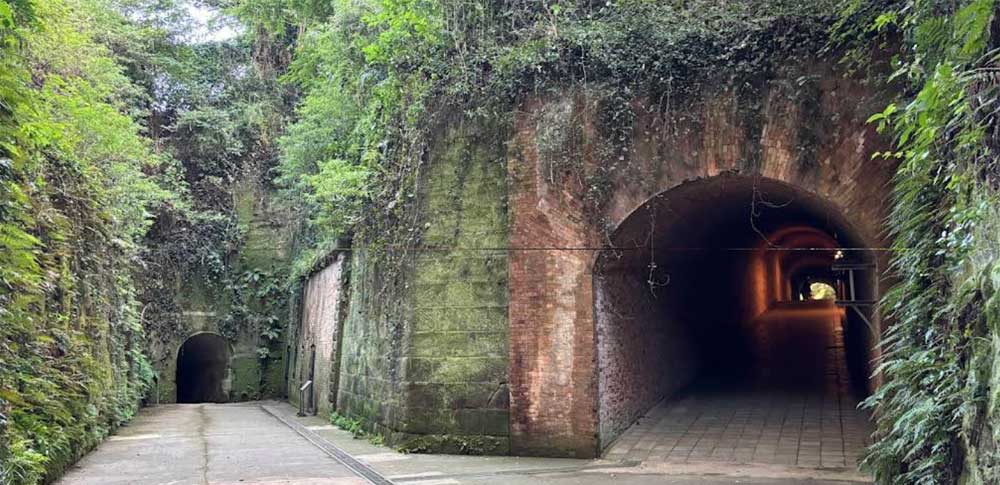
Kanrei Tunnel (Kanrei Domon) Ruins
Location: Hakone Town, Ashigarashimo District, Kanagawa Prefecture
Access: Get off at “Kanrei Tunnel” bus stop on Hakone Tozan Bus
This is the setting for an emotional scene where Yusuke Makishima encourages his teammates. A former tunnel on National Route 1, a new road has been opened and it is now an old road, but its atmosphere remains.
Highlights:
- A historically valuable old tunnel (currently passable)
- Scenic views of the surrounding Hakone nature
- A place that brings to mind Makishima’s memorable line “Sho!”
Access Tip: For those cycling, you’ll need to climb the steep grade of National Route 1. Those without confidence in their fitness may find it more comfortable to use Hakone Tozan Bus.
National Route 1 Highest Point
Location: Ashiyama, Hakone Town, Ashigarashimo District, Kanagawa Prefecture
Access: A short walk from “Ashiyama” bus stop on Hakone Tozan Bus
This is the setting for the scene where Makishima and Todou engage in an intense mountain climb race. Located at an altitude of 874 meters, this point is known as the highest point on National Route 1, and a monument has been erected.
Highlights:
- A stone monument reading “National Route 1 Highest Point”
- Majestic views of Hakone’s outer ring mountains
- Steep grades that bring to mind the intense battles between climbers
Photography Point: Many fans come to take commemorative photos with the highest point monument. If the weather is clear, it’s a scenic spot where you can see far into the distance.
Onshi Hakone Park (Former Hakone Imperial Villa)
Location: 171 Motohakone, Hakone Town, Ashigarashimo District, Kanagawa Prefecture
Access: Immediately below “Onshi Park” bus stop on Hakone Tozan Bus
This is depicted as the goal point for the first day of the Inter-High. Located on a high ground overlooking Lake Ashi, it is a historic park that once served as an imperial summer retreat.
Highlights:
- Spectacular views of Lake Ashi and Mount Fuji (weather dependent)
- Expansive lawns and Japanese gardens
- Open spaces that evoke the goal scene
- Free admission
Recommended Time: Morning hours are relatively less crowded, and you’re more likely to enjoy scenic views of Lake Ashi and Mount Fuji. It’s a place where you can slowly rest while experiencing the sense of achieving a goal.
Hakone Shrine and Great Torii Gate
Location: 80-1 Motohakone, Hakone Town, Ashigarashimo District, Kanagawa Prefecture
Access: 10 minutes walk from “Motohakone” bus stop on Hakone Tozan Bus
The great torii gate in front of Fukao Soba, which appears in scenes where Sangatsu Minami and Toshisuke Imaizumi pull as aces, is known as the first torii gate of Hakone Shrine. The vermillion torii gate standing in Lake Ashi is also a famous photography spot representing Hakone.
Highlights:
- The water torii gate in Lake Ashi (Peace Torii Gate)
- Worship at Hakone Shrine’s main hall
- Surrounding Hakone tourist spots (Hakone Barrier, sugi avenue, etc.)
Sacred Site Pilgrimage Point: In the anime scenes, a torii gate along National Route 1 is depicted. Since there are multiple torii gates around Hakone Shrine, it’s good to confirm the spatial relationships before visiting.
Hakone Kowakien Yunessun Vicinity
At Hakone Kowakien Yunessun, collaboration events such as “Yowamushi Pedal in Hakone” have been held in the past, making it a special place for fans. As a hot spring theme park, it offers a full day of entertainment and is perfect for relieving the fatigue of sacred site pilgrimage.
Practical Guide to Sacred Site Pilgrimage | Access Methods and Model Routes
Sacred Site Pilgrimage Using Public Transportation
For those without a bicycle or lacking confidence in their fitness, sacred site pilgrimage using public transportation is recommended.
Access from Shinjuku to Hakone
Odakyu Hakone Express Bus:
- About 2 hours from Shinjuku to Hakone
- Fare: Around 2,000 yen one way (varies by season)
- Reservation system available for comfortable travel
- Stops at major Hakone spots
Odakyu Romance Car:
- About 85 minutes from Shinjuku to Hakone-Yumoto
- Around 2,500 yen including express surcharge
- Comfortable seats to enjoy the scenery
- Transfer to Hakone Tozan Bus from Hakone-Yumoto
Getting Around the Hakone Area
Purchasing a Hakone Free Pass (valid for 2 or 3 days) allows unlimited travel on many transportation systems in the Hakone area. It covers Hakone Tozan Bus, Hakone Tozan Railway, Hakone Ropeway, pirate ship, and more, allowing you to efficiently visit sacred sites.
Sacred Site Pilgrimage by Cycling
For those who want to experience the world of Yowamushi Pedal in earnest, cycling pilgrimage visiting the sacred sites by bicycle is recommended.
Recommended Model Route (1-Day Course)
Enoshima Start → Hakone Goal Route:
- Enoshima Bridge (Starting point) – Recommended departure at 7:00 AM
- National Route 134 heading west – Enjoy scenery along Sagami Bay
- Odawara Civic Hall Front Intersection – Site of the crash scene (approximately 30km mark)
- National Route 1 – Serious climbing begins from here
- Kanrei Tunnel Ruins – First mountain point (approximately 50km mark)
- National Route 1 Highest Point – Stage of mountain climb race (approximately 60km mark)
- Onshi Hakone Park – Goal point (approximately 70km mark)
Duration: 5-7 hours (including breaks)
Difficulty: Intermediate to Advanced (Hakone climb has approximately 800m elevation gain)
Beginner-Friendly Route
For those lacking confidence in fitness or beginners, routes that cover only the Enoshima area or only the Hakone area are recommended.
Enoshima Area Route:
- Enoshima Bridge → Katase Kaigan → Enoshima Sightseeing → Kamakura direction
- Distance: 20-30km
- Difficulty: Beginner
Hakone Area Route:
- Rent a bicycle at Hakone-Yumoto and tour Hakone Old Road or Lake Ashi area
- Electric-assist bicycles recommended
- Distance: 15-25km
- Difficulty: Beginner to Intermediate
Rental Bicycle Information
There are many rental bicycle shops throughout Kanagawa Prefecture.
Enoshima/Shonan Area:
- Multiple rental bicycle shops around Katase Enoshima Station
- Wide selection of road bikes, cross bikes, electric bicycles, etc.
- Rental fee: 2,000 to 5,000 yen per day approximately
Hakone Area:
- Rental bicycle shops available around Hakone-Yumoto Station
- Electric-assist bicycles are popular
- Rental fee: 2,000 to 3,500 yen per day approximately
Caution: Advance reservations are essential during busy seasons (Golden Week, summer vacation, autumn foliage season). Additionally, helmet use is strongly recommended.
Recommended Visiting Seasons
Spring (March to May)
Recommendation: ★★★★★
- Mild climate ideal for cycling
- Cherry blossom season (late March to early April) is especially beautiful
- Fresh greenery of Hakone is beautiful with clean air
- Golden Week is crowded; mid-April is the best timing
Summer (June to August)
Recommendation: ★★★☆☆
- You can experience the atmosphere of the work during the Inter-High season
- Enoshima area crowded with beach swimmers
- Hakone is comfortable as a summer resort, but heat protection essential for flatlands
- Rainy season (June) makes rain gear important
Autumn (September to November)
Recommendation: ★★★★★
- Autumn foliage season (late October to mid-November) makes Hakone especially beautiful
- Cooler temperatures ideal for cycling
- High clear-day rate; probability of seeing Mount Fuji increases
- Hakone crowded during foliage season; early morning departure recommended
Winter (December to February)
Recommendation: ★★☆☆☆
- Fewer tourists allow for leisurely sacred site visits
- Clear air makes Mount Fuji beautifully visible
- Possibility of snow and ice in Hakone mountainous terrain
- Cold weather protection essential; cycling for advanced users only
Trivia to Better Enjoy Sacred Site Pilgrimage
Work Preview Points
Previewing relevant scenes before sacred site pilgrimage makes the experience more enjoyable.
Inter-High Arc:
- Anime Series 1 and 2 Inter-High arc
- Original manga corresponding volumes (approximately volumes 27-50)
- Hakone scenes appear frequently in Season 2
Important Characters and Scenes:
- Sakamichi Onoda’s crash and comeback
- Yusuke Makishima’s “Sho!” scene
- Makishima vs. Todou mountain climb race
- Sangatsu Minami’s debut scene
Photography Manners and Precautions
When enjoying sacred site pilgrimage, observe the following manners.
Traffic Rule Compliance:
- National Route 1 has heavy traffic; practice safe driving
- Bicycles travel on the left side of the roadway
- Stop for photography only in safe locations
Consideration for Nearby Residents:
- Avoid loud conversations and noise
- No trespassing on private property
- Take all trash with you
Facility Usage Manners:
- Follow facility rules at tourist attractions
- Show consideration for other visitors during crowded times
- Observe manners as customers at commercial facilities
Recommended Gear and Equipment
For Cycling:
- Helmet (essential)
- Gloves
- Sunglasses
- Water bottles for hydration (two or more recommended)
- Supplements (energy bars, gels, etc.)
- Puncture repair kit
- Smartphone holder (for navigation)
- Lights (front and back)
For Walking/Public Transportation:
- Comfortable walking shoes
- Camera/Smartphone
- Mobile battery
- Work materials (manga/anime screenshots, etc.)
- Hakone Free Pass
Linking with Yowamushi Pedal Sacred Sites Outside Kanagawa Prefecture
After enjoying sacred site pilgrimage in Kanagawa Prefecture, try visiting sacred sites in other areas.
Chiba Prefecture | Around Souhoku High School
Around Sakura City, Chiba Prefecture, which is considered the model for Souhoku High School, there are many settings from daily scenes of the protagonists. Areas like Keisei Sakura Station vicinity and Inba Swamp Cycling Road are known as sacred sites.
Tokyo | Akihabara
Akihabara is Sakamichi Onoda’s “sacred site” he attends. Various places symbolizing Sakamichi’s hobbies, such as anime shops and maid cafes, are scattered throughout. Access from Kanagawa is excellent.
Shizuoka and Yamanashi Prefectures | Inter-High Day 2 and Beyond
The Inter-High continues from Kanagawa Prefecture to Shizuoka and Yamanashi Prefectures. Areas around Fuji Five Lakes and Mount Fuji’s fifth station become important sacred sites, and many fans tour these over 2-3 days combined with Kanagawa pilgrimage.
Accommodation and Dining Information in Hakone
Recommended Accommodations
Hakone-Yumoto Hot Spring:
- Good transportation access as Hakone’s gateway
- Diverse price range of accommodations
- Hot springs to soothe fatigue
Lake Ashi Area:
- Close to the goal point, convenient for sacred site pilgrimage
- Enjoy lakeside scenery
- Wide selection from luxury resort hotels to inns
Odawara:
- Lower accommodation costs than Hakone
- Easy to combine with Odawara Castle sightseeing
- Ideal base camp for heading to Hakone the next day
Local Cuisine
Hakone Specialties:
- Hakone buckwheat noodles (mountain yam buckwheat noodles)
- Hot spring buns
- Hakone Bakery bread
- Black eggs (Owakudani specialty)
Odawara Specialties:
- Fish cake/kamaboko (many long-established shops like Suzuhiro)
- Odawara rice bowl
- Seafood dishes
Enoshima Specialties:
- Shirasu (young fish) rice bowl
- Abalone in shell (tsuboyaki)
- Enoshima beer
Conclusion | Experience the World of Yowamushi Pedal in Kanagawa Prefecture
Kanagawa Prefecture is one of the most important areas for Yowamushi Pedal sacred site pilgrimage. From the starting point at Enoshima to the mountain stage in Hakone, you can visit numerous real locations that appear in the work.
You can enjoy various styles of sacred site pilgrimage, from sightseeing-style pilgrimage using public transportation to full-fledged cycling pilgrimage by actually pedaling a bicycle. Spring and autumn are particularly recommended seasons, but each season offers different attractions.
Through sacred site pilgrimage, you can develop a deeper understanding of the work’s world view, and by actually experiencing the roads where the characters rode, your love for Yowamushi Pedal will deepen further. Please enjoy sacred site pilgrimage safely while observing traffic rules and manners.
The majestic nature of Hakone, the beautiful coastline of Enoshima, and the numerous memorable scenes from the work will surely become unforgettable memories. Using this article as a reference, why not set out on a Yowamushi Pedal sacred site pilgrimage journey through Kanagawa Prefecture?