What is Slow Loop
“Slow Loop” is a popular manga about fishing created by Maiko Uchi, and a TV anime was broadcast from January to March 2022. The work is characterized by a heartwarming story in which Hiyori and Koharu, who become sisters-in-law through marriage, deepen their bonds through fly fishing.
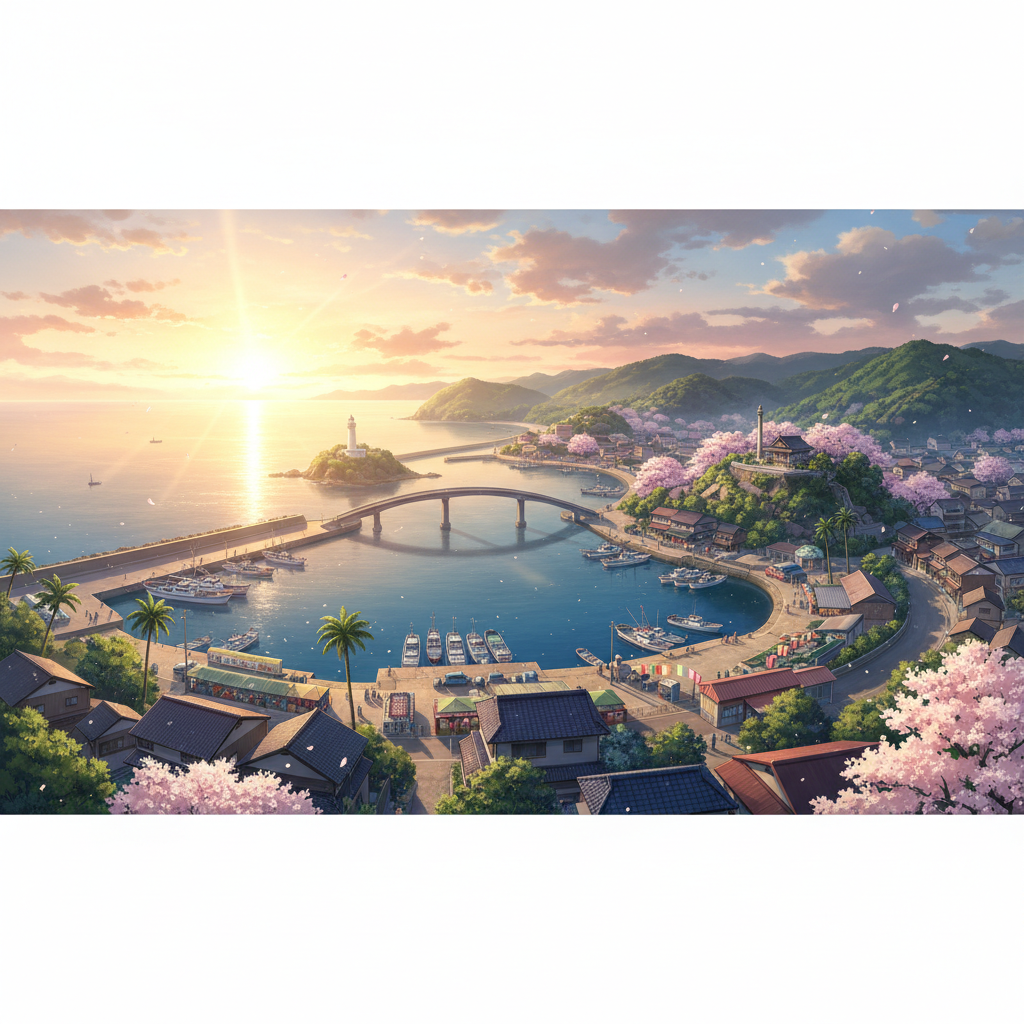
The setting of the work is primarily in Kanagawa Prefecture, with many beautiful real-world locations appearing, centered on Yokosuka City, and including Yokohama City, Kamakura City, and Miura City. The anime carefully depicts the actual scenery, and for fans interested in visiting pilgrimage sites, it offers plenty of attractive spots that are easy to visit.
Why Kanagawa Prefecture Was Chosen
There are clear reasons why Kanagawa Prefecture was chosen as the setting for Slow Loop. While Kanagawa Prefecture has good access from Tokyo, it possesses diverse fishing spots including the sea, mountains, and rivers. In particular, the Miura Peninsula area is known as a famous fishing destination, with an environment where various types of fishing, including fly fishing, can be enjoyed.
Additionally, the landscape where historic townscapes like Yokosuka and Kamakura blend with nature perfectly matches the work’s calm and warm atmosphere. The location, accessible in just about an hour from urban areas, is also ideal conditions for pilgrimage tourism.
Sacred Sites in Yokosuka City
Umikaze Park
“Umikaze Park” in Heisei-cho, Yokosuka City is one of the most important sacred sites in Slow Loop. It appears multiple times in scenes where the protagonists enjoy fishing, serving as a central setting in the story.
How to Access
- About 15 minutes on foot from Keikyu Line “Kenritsu Daigaku Station”
- By bus from Keikyu Line “Yokosuka-chuo Station” and get off at “Umikaze Park”
- Dedicated parking lot available if traveling by car (paid)
Points of Interest
The park has a fishing quay where you can actually enjoy sea fishing. The benches, gazebos, and breakwaters that appear in the anime actually exist, and you can take photos from the same angles as in the work. On clear days, it offers a spectacular view where you can see Mount Fuji and the Boso Peninsula.
Pilgrimage Tips
- Early morning and dusk offer particularly beautiful scenery
- If you plan to fish, check the rules in advance
- Weekends can be crowded, so visiting on weekdays is also recommended
Kannon-zaki Park
Kannon-zaki Park in Kamoi, Yokosuka City is also an important location that appears in the work. Located at the entrance to Tokyo Bay, it is a prefectural park with beautiful coastlines and verdant nature.
Features
- Kannon-zaki Lighthouse: High historical value as Japan’s first Western-style lighthouse
- Tidal Pool Area: Where you can observe living creatures in rock pools
- Observation Garden: A spectacular viewpoint overlooking Tokyo Bay
In the work, the promenade along the coast and viewing spots are depicted, portrayed as places where you can feel the unhurried flow of time.
Hashirimizu Coast
Hashirimizu Coast is located in Hashirimizu, Yokosuka City, and is used in memorable scenes in the work. It is also popular with local anglers and features calm waves and beautiful scenery.
Access
- By bus from Keikyu Line “Maborikaiagan Station” and get off at “Hashirimizu Shrine,” then 3 minutes on foot
Along the coast, there are restaurants and souvenir shops, making it an ideal rest spot for pilgrimage tourism.
Sacred Sites in Yokohama City
Yamashita Park and Surroundings
Yamashita Park in Naka Ward, Yokohama is featured in scenes such as family outings in the work. It is an open park overlooking Yokohama Harbor where landmarks like the Hikawa Maru and Yokohama Marine Tower are visible.
Points of Interest
- Waterfront promenade
- Rose garden (best in spring and autumn)
- Hikawa Maru (important cultural property passenger ship)
Nearby Spots
- Chinatown: Enjoy gourmet within walking distance
- Red Brick Warehouse: Full of shopping and cafes
- Osanbashi: A spectacular viewpoint of Yokohama Harbor
Minato Mirai District
The modern streetscape of the Minato Mirai district also appears in urban scenes in the work. Landmarks like Landmark Tower and the observation wheel “Cosmo Clock 21” depicting scenery symbolic of Yokohama are featured.
Sacred Sites in Kamakura City
Zaimokuza Beach
Zaimokuza Beach in Kamakura is used in seaside scenes in the work. The approximately 900-meter stretch of sandy beach has a relatively quiet and calm atmosphere compared to other areas in the Shonan region.
Access
- About 10 minutes by bus from JR Yokosuka Line “Kamakura Station”
- About 10 minutes on foot from Enoshima Electric Railway “Wadatsuka Station”
Features
While the beach is lively as a swimming area in summer, in the off-season it has a calm atmosphere perfect for strolling. Nearby there are many restaurants and cafes, making it convenient for a break after pilgrimage tourism.
Kamakura Station Area
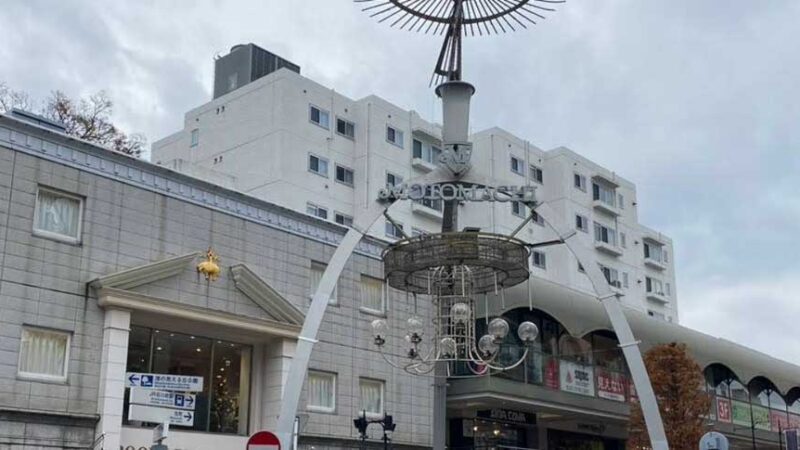
The shopping streets around Kamakura Station and Komachi Street also appear in the work in shopping scenes. The unique atmosphere created by the harmonious blend of historic townscapes and contemporary shops is charming.
Sacred Sites in Miura City
Around Misaki Harbor
Misaki Harbor in Miura City is a fishing port famous for tuna landings, and is depicted in the work as a harbor town landscape. Numerous restaurants serving fresh seafood can be enjoyed, allowing you to experience both pilgrimage tourism and gourmet food simultaneously.
Recommended Points
- Misaki Morning Market (held every Sunday)
- Numerous specialty shops serving tuna dishes
- Ship access to Joga Island
Joga Island
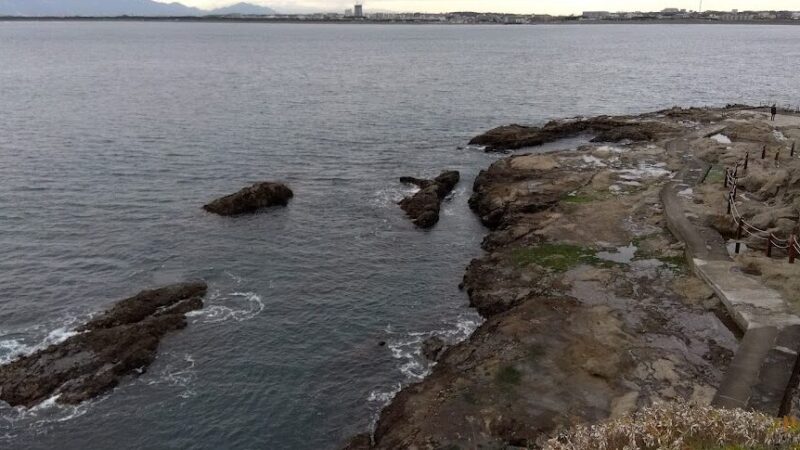
Joga Island, located at the southernmost tip of the Miura Peninsula, also appears in seaside scenes in the work. The contrast between rugged rocky areas and blue sea is beautiful, and it is popular as a fishing spot.
Points of Interest
- Joga Island Lighthouse: A beautiful white lighthouse
- Uma no Senna Cave: A sea cave created by nature
- Rock Fishing Spots: Where serious fishing can be enjoyed
Efficient Pilgrimage Routes
1-Day Course: Yokosuka-Centered Route
Morning
- Start at Yokosuka-chuo Station (9:00)
- Photography and strolling at Umikaze Park (9:30-11:00)
- Move to Hashirimizu Coast (11:30-12:30)
Afternoon
- Lunch and strolling at Kannon-zaki Park (13:00-15:00)
- Shopping around Yokosuka-chuo Station (15:30-17:00)
This route is easy to navigate by public transportation and is recommended for first-time pilgrimage tourism.
2-Day Course: Kanagawa Prefectural Wide Route
Day 1: Yokosuka and Miura Area
- Morning: Umikaze Park, Kannon-zaki Park
- Afternoon: Misaki Harbor, Joga Island
- Lodging: Miura City or Yokosuka City area
Day 2: Yokohama and Kamakura Area
- Morning: Kamakura (Zaimokuza Beach, Komachi Street)
- Afternoon: Yokohama (Yamashita Park, Minato Mirai)
This route allows you to comprehensively visit the major sacred sites.
Notes When Using a Car
Car-based pilgrimage tourism offers mobility but requires attention to the following points:
- Parking lots become congested on weekends and holidays
- Traffic congestion is particularly likely in the Kamakura area
- Parking fees may become expensive
- Public transportation may be more efficient in some cases
Preparation and Etiquette for Pilgrimage Tourism
Packing List
Essential Items
- Smartphone (map app, camera)
- Transit IC card
- Drinks and light snacks
- Work materials (anime screenshots, etc.)
- Comfortable walking shoes
Convenient to Have
- Mobile battery
- Sunscreen, hat (summer)
- Warm clothing (winter)
- Rainwear
- Camera (for serious photography)
Pilgrimage Tourism Etiquette
Many of the sacred sites in Slow Loop are within the living areas of local residents. Please observe the following etiquette:
- Do not trespass on private property
- Photograph from public roads or public facilities even at photo spots
- Always follow no-entry signs
- Be considerate of noise
- Avoid loud voices in residential areas
- Avoid visiting early morning or late night
- Always take trash with you
- Beyond your own trash, make an effort to pick up any trash you find
- Support local businesses
- Using restaurants and souvenir shops contributes to the community
- Follow traffic rules
- Do not run into the road while absorbed in photography
- Never park in no-parking zones
Seasonal Highlights
Spring (March–May)
Recommended Points
- Cherry blossom season: Enjoy cherry blossoms at Kannon-zaki Park and Yamashita Park
- Mild weather: Ideal for long strolls
- Spring sea: Calm and beautiful seascapes
Notes
- Golden Week will be crowded
- Take precautions if you have hay fever
Summer (June–August)
Recommended Points
- Summer sea: The season most closely matching the work’s atmosphere
- Swimming is also available
- Sunset seascapes are especially beautiful
Notes
- Sun protection is essential
- Drink water frequently
- Swimming season is crowded
Autumn (September–November)
Recommended Points
- Pleasant weather
- Clear autumn air makes scenery crisp
- Autumn colors also enjoyable (November)
Notes
- Typhoon season (September) requires weather attention
- Time management is important as sunset comes earlier
Winter (December–February)
Recommended Points
- Clear air offers good views of Mount Fuji
- Fewer tourists allow for quiet pilgrimage
- The rough winter sea has its own appeal
Notes
- Take proper cold protection measures
- Act early as sunset comes early
- Sea wind is cold, so be careful
Gourmet Information Around Sacred Sites
Yokosuka Gourmet
Navy Curry
Yokosuka’s famous navy curry is a local gourmet food recreating recipes from the Japan Maritime Self-Defense Force. Certified shops are numerous around Yokosuka-chuo Station.
Yokosuka Seafood
You can enjoy dishes using fresh seafood. There are particularly seafood restaurants near Umikaze Park.
Miura Gourmet
Misaki Tuna
Authentic tuna restaurants are concentrated around Misaki Harbor. Tuna bowls and tuna sashimi set meals are recommended.
Local Fish Dishes
Dishes using fresh local fish caught in the Miura Peninsula are also popular.
Kamakura Gourmet
Shirasu Bowl
A specialty dish of the Kamakura and Enoshima area. There are also famous shirasu bowl restaurants near Zaimokuza Beach.
Kamakura Vegetables
Cafes and restaurants using fresh locally-grown vegetables are popular.
Lodging Information
Yokosuka Area
Business Hotels
- Multiple business hotels around Yokosuka-chuo Station
- Approximately 5,000-8,000 yen per night
- Convenient access makes them ideal pilgrimage bases
Resort Hotels
- Hotels with sea views around Kannon-zaki
- Approximately 10,000-20,000 yen per night
- Recommended for those wanting to enjoy scenery
Miura Area
Inns and Guest Houses
- Accommodations around Misaki Harbor serving seafood cuisine
- Approximately 8,000-15,000 yen per night with two meals
- You can savor local ingredients
Yokohama and Kamakura Area
City Hotels
- Numerous high-rise hotels in Minato Mirai
- Approximately 10,000-30,000 yen per night
- Convenient for sightseeing and shopping
Guest Houses
- Individual guest houses in Kamakura
- Approximately 3,000-6,000 yen per night
- Recommended for backpackers and solo travelers
How to Use Public Transportation
Discount Ticket Information
Misaki Maguro Ticket
- Set including round-trip Keikyu Line fares, bus fares, meal vouchers, and facility use tickets
- Ideal for pilgrimage tourism in the Miura Peninsula area
- More economical than regular fares for travel and meals
Enoshima and Kamakura Free Pass
- All-you-can-ride for Enoshima Electric Railway and Odakyu Line
- Convenient for pilgrimage tourism in the Kamakura area
Keikyu Line 1-Day Ticket
- Recommended when primarily touring the Yokosuka area
Bus Route Utilization
Within Yokosuka City and Miura City, Keikyu Bus service is comprehensive. Main routes with convenient access to sacred sites:
- Yokosuka-chuo Station to Umikaze Park
- Yokosuka-chuo Station to Kannon-zaki
- Misaki-guchi Station to Misaki Harbor
- Misaki-guchi Station to Joga Island
Consider a 1-day bus ticket if visiting multiple locations.
Photography Tips and Spots
Photography Techniques
Angle Matching
- Prepare anime screenshots in advance
- Taking photos from the same position and angle allows comparison photos
- Matching the time of day also enhances the atmosphere
Best Times
- Morning light: 7:00-9:00 (soft light)
- Dusk: 16:00-18:00 (dramatic light)
- Cloudy days: Soft light makes photography easier
Composition Points
- Be conscious of the horizon line (especially important in seascapes)
- Utilize the rule of thirds
- Be aware of foreground, middle ground, and background for depth
Instagram-Worthy Spots
- Umikaze Park Breakwater
- Open photo with the sea as backdrop
- Especially recommended at dusk
- Kannon-zaki Lighthouse
- Contrast between white lighthouse and blue sky
- Surrounding greenery is also beautiful
- Yamashita Park’s Hikawa Maru
- Retro passenger ship and Yokohama skyline
- Night scenery is also beautiful
- Joga Island’s Uma no Senna Cave
- Natural formation beauty
- Try to capture wave spray timing
About Fishing Experiences
Since Slow Loop is a work themed around fishing, it is recommended to experience actual fishing while also engaging in pilgrimage tourism.
Fishing Spots for Beginners
Umikaze Park
- Organized fishing quay
- Relatively safe fishing
- Sabiki fishing allows catching horse mackerel and sardines
Kannon-zaki
- Rock fishing is available
- Japanese seabream and scorpionfish can be caught
- Be careful of footing
Necessary Preparation
Fishing Gear
- Rental rods are recommended for beginners
- Fishing tackle shops available around Yokosuka-chuo Station
- Rigs and bait also available for purchase
Clothing
- Clothes that can get wet
- Slip-resistant shoes
- Hat and sunscreen
Precautions
- Life jacket wear is recommended
- Always take trash with you
- Confirm no-fishing areas
- Pay attention to weather and wave conditions
Fly Fishing Experience
Fly fishing as depicted in the work can be experienced primarily at managed fishing ponds within Kanagawa Prefecture. Some facilities offer beginner-friendly experience lessons, so it is recommended to research and make reservations in advance.
Information Sharing on Social Media
Hashtag Use
When sharing pilgrimage tourism experiences on social media, utilize the following hashtags:
- #SlowLoop
- #SlowLoopPilgrimageTourism
- #Yokosuka
- #UmikazePark
- #PilgrimageTourism
- #AnimePilgrimageSite
Posting Tips
Comparison Photos
- Post anime scenes and actual photos side by side
- Likely to receive reactions from fans
Location Tags
- Tag accurate location information
- Helpful reference for other pilgrims
Pilgrimage Reports
- Share your impressions and discoveries from visits
- Add advice for those who will visit next
Nearby Tourist Attractions
We introduce nearby tourist attractions worth visiting along with pilgrimage tourism.
Yokosuka Area
Sarushima
- Uninhabited island 10 minutes by ship from Yokosuka Harbor
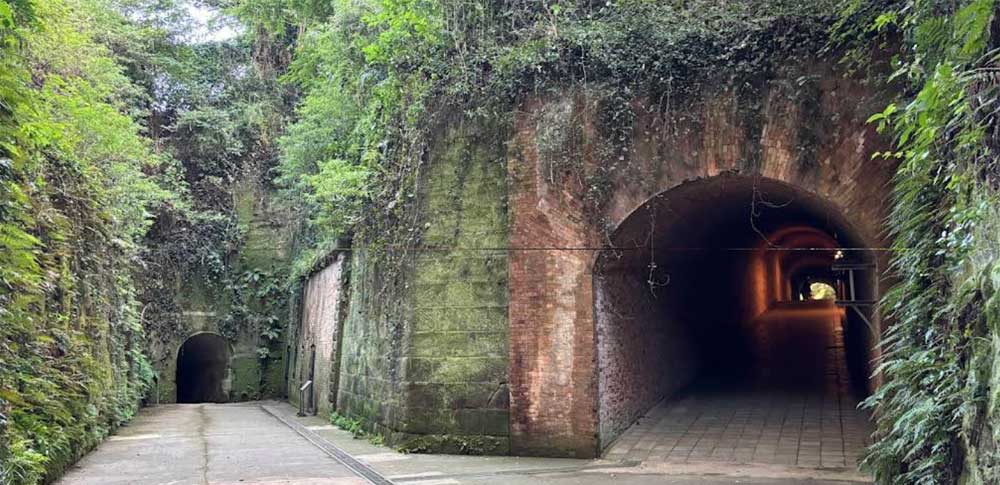
- Historic fortress ruins remain
- BBQ and hiking available
Verny Park
- French-style garden
- Beautiful roses (spring and autumn)
- Japan Maritime Self-Defense Force vessels visible
Dobuita Street
- Shopping street with strong American culture
- Birthplace of the sukajan
- Individual restaurants line the street
Miura Area
Soleil no Oka
- Agricultural experience theme park
- Animal interactions
- Seasonal flowers are beautiful
Arasaki Coast
- Dynamic coastline
- Hiking courses available
- Famous sunset spot
Yokohama Area
Yokohama Chinatown
- Japan’s largest Chinatown
- Authentic Chinese cuisine available
- Street food sampling popular
Cup Noodles Museum
- Instant ramen museum
- Original cup noodles making experience
- Recommended for families
Kamakura Area
Tsurugaoka Hachimangu
- Representative shrine of Kamakura
- Historic buildings
- Busy during New Year’s visits and Shichigosan
Hase Temple
- Famous for hydrangeas
- Sea views from elevated location
- Great Buddha of Kamakura is nearby
Annual Event Information
Spring Events
Yokosuka Kaikoku Festival (May)
- Major Yokosuka event
- Parades and fireworks
- Can be enjoyed alongside pilgrimage tourism
Summer Events
Yokosuka Kaikoku Fireworks Festival (August)
- Viewable from Umikaze Park
- Approximately 5,000 fireworks
- Arrive early for seating due to crowds
Miura Kaigan Summer Festival Fireworks (August)
- Fireworks at Miura Kaigan
- Approximately 3,000 fireworks
Autumn Events
Miura Yoichi (September)
- Held around Misaki Harbor
- Local gourmet and products
- Experience the evening harbor town atmosphere
Winter Events
Yokohama Christmas Market (November–December)
- Held at Red Brick Warehouse
- Beautiful illuminations
- Experience German Christmas culture
Methods for Recording Pilgrimage Tourism
Creating a Pilgrimage Journal
Keeping records of visited sacred sites allows memories to be preserved more vividly.
Content to Record
- Date and time of visit
- Weather
- Photos taken
- Impressions and episodes
- Gourmet food sampled nearby
- Next time’s goals and discoveries
Digital Recording
Google Maps Utilization
- Record visited locations on your personal map
- Link photos and impressions
- Convenient for planning the next trip
Photo Management Apps
- Automatically organize by location information
- Classify by sacred site using album features
- Cloud storage for backup
Troubleshooting
Common Troubles and How to Handle Them
If You Get Lost
- Use Google Maps’ navigation feature
- Politely ask local residents for directions
- Use tourist information centers
Bad Weather
- Check weather forecast in advance
- Keep rain gear on hand
- Reschedule plans if the weather is severe
Cannot Photograph Due to Crowds
- Target weekdays or early morning
- Choose less crowded times
- Adjust angles for creative photography
Feeling Unwell
- Rest without pushing yourself
- Drink water frequently
- Confirm nearby medical facilities in advance
Emergency Contact Numbers
- Police: 110
- Ambulance: 119
- Yokosuka City Tourist Information: 046-822-8301
- Miura City Tourism Association: 046-888-0588
Summary: How to Maximize Your Pilgrimage Tourism Experience
Slow Loop pilgrimage tourism is a wonderful experience where you can enjoy the beautiful coastline of Kanagawa Prefecture while experiencing the world of the work. Major sacred sites are easily accessible by public transportation, and an environment perfect for first-time pilgrimage tourism is in place.
Keys to Success
- Advance research and route planning
- Consideration for local residents and observance of etiquette
- Preparation suited to season and weather
- Relaxed scheduling
- Enjoying not just the pilgrimage but also local attractions
Sacred sites with different charms are scattered from Umikaze Park in Yokosuka, the center, to Kannon-zaki, Misaki Harbor, Kamakura, and Yokohama. You can visit the main spots in a day, but taking time to savor each location’s atmosphere is also recommended.
By feeling the calm flow of time depicted in the work and witnessing actual scenery, a deeper understanding of Slow Loop becomes possible. Try fishing, enjoy local gourmet, and use pilgrimage tourism as an opportunity to rediscover the charm of Kanagawa Prefecture.
Observe etiquette, never forget gratitude to local residents, and enjoy a wonderful pilgrimage tourism experience.