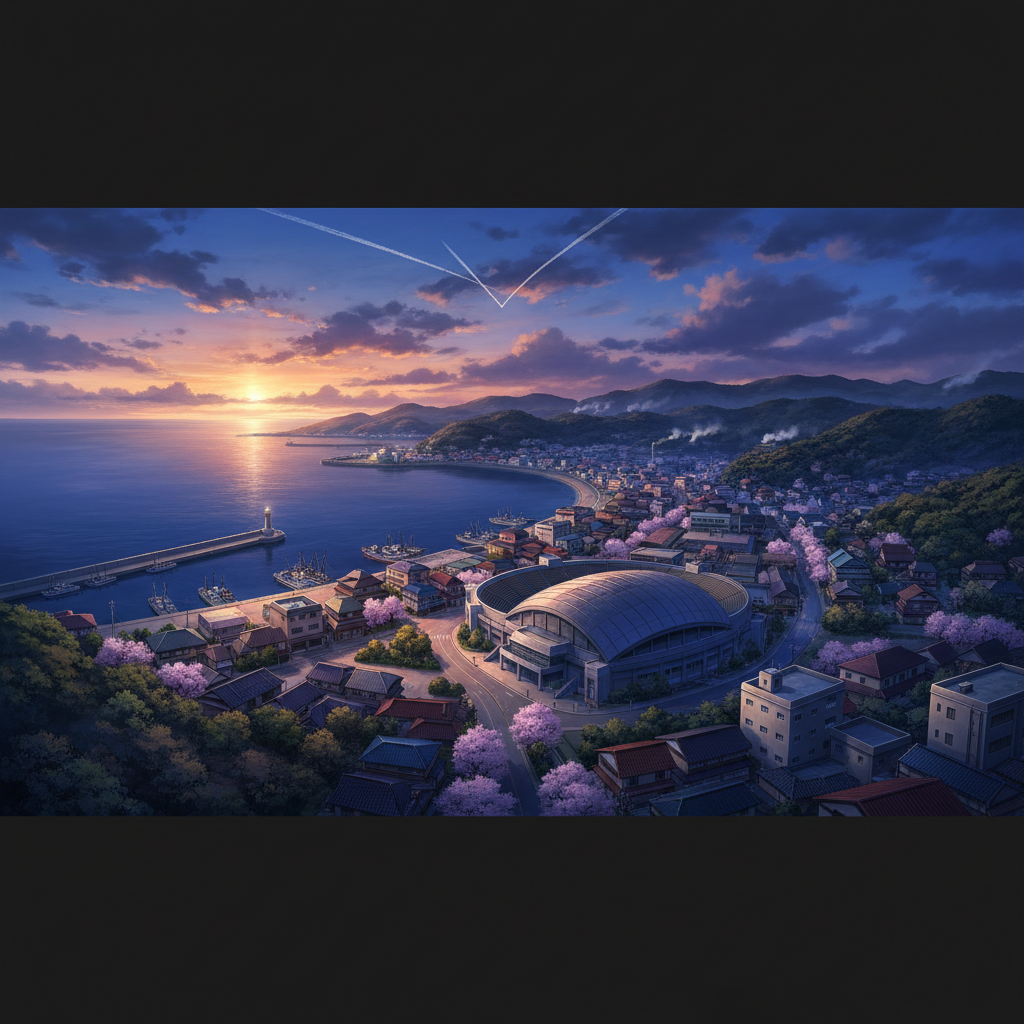
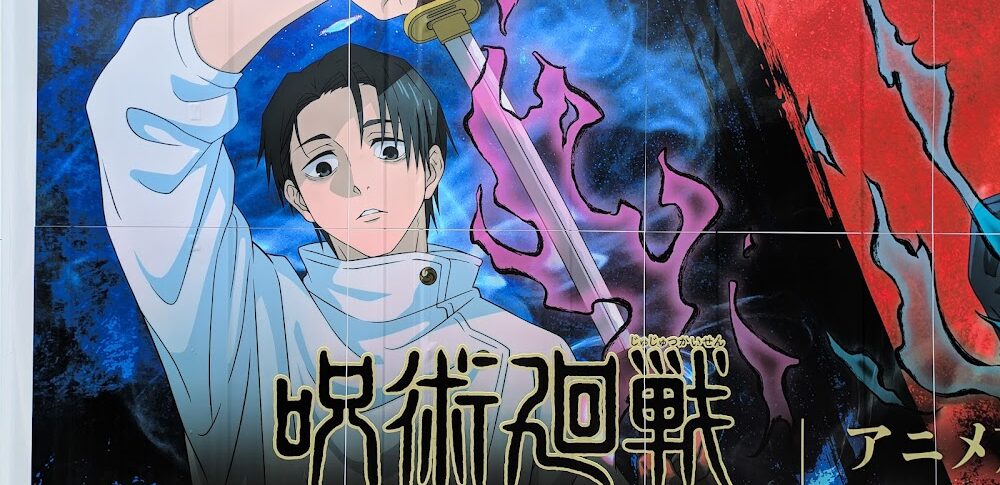
‘Jujutsu Kaisen’ is an extremely popular dark fantasy manga by Gege Akutami that has become a social phenomenon through anime adaptation and theatrical releases. The city of Sendai in Miyagi Prefecture frequently appears as the setting of the story, and in particular, the “Sendai Barrier” becomes an important battleground in the “Culling Game Arc.” As the hometown of protagonist Yuji Itadori and a place with connections to Yuta Okkotsu, Sendai has become a sacred site for fans.
In this article, we comprehensively explain the sacred sites of Sendai and Miyagi Prefecture that appear in Jujutsu Kaisen and provide useful information for those planning a pilgrimage to these locations.
The Deep Connection Between Jujutsu Kaisen and Sendai
The Connection Between Author Gege Akutami and Miyagi Prefecture
Gege Akutami, the author of ‘Jujutsu Kaisen,’ has deep connections with the Tohoku region, particularly Miyagi Prefecture. Many of the place names and landscapes that appear in the work are modeled after the actual city of Sendai, and descriptions that locals would immediately recognize are scattered throughout. This deep understanding and affection for the region gives the work a unique sense of realism.
As the Hometown of Yuji Itadori
The protagonist of the story, Yuji Itadori, is set to be from Sendai City, Miyagi Prefecture. From Volume 1, Chapter 1, Sendai appears as the town where Yuji lives and becomes the setting for his daily life. Important locations related to the work’s foundation exist in Sendai, such as the hospital where Yuji’s grandfather was hospitalized and the high school he attended.
Theatrical Version ‘Jujutsu Kaisen 0’ and Sendai
In the theatrical version ‘Jujutsu Kaisen 0,’ Sendai is depicted as the hometown of Yuta Okkotsu. The shopping streets and streetscapes that appear in the film are modeled after actual scenery in Sendai, and many fans visit the actual locations after watching the movie.
The “Sendai Barrier” in the Culling Game Arc
The Position of the Sendai Barrier in the Story
The Culling Game Arc is one of the most important episodes in ‘Jujutsu Kaisen,’ in which ten barriers are set up throughout Japan, with one being established in Sendai City. At the Sendai Barrier, an intense battle unfolds between Yuta Okkotsu and Ryu Ishigori, becoming one of the climaxes of the story.
The Sendai Barrier is detailed primarily in Volume 20 of the manga, with the central part of Izumi Ward in Sendai City as the main setting. Real buildings, roads, and landmarks are faithfully reproduced, making it easy to identify many locations that appear for both locals and fans visiting on pilgrimages.
The Center of the Sendai Barrier: ‘Sendai Domain Execution Ground Ruins’
What is set as the center of the Sendai Barrier is the historically significant location known as the “Sendai Domain Execution Ground Ruins.” It is a place that was actually used as an execution ground during the Edo period, and a stone monument is now erected in one corner of a residential area. In the world of Jujutsu Kaisen, it makes perfect sense that such a historically significant place where “negative emotions” have accumulated would be chosen as the center of a barrier.
Located in Ichimyosaka, Izumi Ward, Sendai, this place is not a typical tourist destination, but it has become an important sacred site for Jujutsu Kaisen fans. When visiting, keep in mind that it is a residential neighborhood, and observe quietly with consideration for nearby residents.
The Intense Battle Site of the Sendai Barrier: ‘Yurtec Stadium Sendai’
The stage of the intense battle between Yuta and Ryu Ishigori was “Yurtec Stadium Sendai” (officially named: Sendai Stadium). Known as the home stadium of Vegalta Sendai, this facility is located in the central part of Izumi Ward, and its distinctive exterior is depicted in the work.
When you actually visit, you can view the stadium from the same angle depicted in the work, allowing you to enjoy pilgrimage while recalling the battle between Yuta and Ishigori. The area around the stadium is a spacious park with an easy-to-walk environment.
Major Sacred Sites in Sendai City
Around Izumi-Chuo Station
The area around Izumi-Chuo Station became the central stage of the Sendai Barrier Arc. Izumi-Chuo Station, the terminal station of the Nanboku Line of the subway, is the center of Izumi Ward in Sendai and is a lively area lined with large commercial facilities such as “Selva” and “Ario Sendai Izumi.”
The streetscapes around Izumi-Chuo Station are depicted in detail in the work, allowing you to walk while comparing with actual scenery. In Sendai, as part of a collaboration project with Jujutsu Kaisen, design manhole covers have been installed around Izumi-Chuo Station to enhance its appeal as a sacred site.
Hapina Nakakake-cho Shopping Street
The model for the “Hapina Naka-machi-cho Shopping Street” that appears in the theatrical version ‘Jujutsu Kaisen 0’ is the “Hapina Nakakake-cho Shopping Street” located in front of Sendai Station. It was depicted as the stage where Yuta Okkotsu and Yuji Itadori’s companions fight cursed spirits.
The actual shopping street is located right from Sendai Station and is an arcade street with many shops. While depicted as a shuttered street in the work, the actual shopping street is lively, allowing you to enjoy pilgrimage while shopping and eating. The fact that it is an arcade makes it attractive for comfortable browsing even on rainy days.
Sendai Station West Exit
Famous for the scene where Yuji is surprised, saying “Why are there two Parcos?!” at the west exit of Sendai Station. In reality, there are indeed two Parco buildings at the west exit of Sendai Station: “Sendai PARCO” and “Sendai PARCO2.”
Sendai Station West Exit is the gateway to Sendai City, with many commercial facilities and restaurants concentrated in the area. It is an ideal base for pilgrimage, with good access to other sacred sites from here. The scenery at the station appears several times in the work, allowing you to view the town from Yuji’s perspective.
The Model for ‘Ryunoichi Gorge: Yagiyama Bridge’
The model for “Ryunoichi Gorge 88 Bridge” that appears in the Initial Recruitment Arc is “Ryunoichi Gorge” and “Yagiyama Bridge” in Taihaku Ward, Sendai. It is a beautiful gorge created by the Ryunoichi River, a tributary of the Hirose River, with especially beautiful scenery during the seasons of new growth and autumn foliage.
Yagiyama Bridge is a bridge approximately 70 meters high, and the view of the gorge from above is spectacular. It is a spot where you can enjoy the beauty of nature while recalling the tense scenes in the work. Tourist facilities such as Yagiyama Zoo and Yagiyama Benyland are nearby, allowing you to enjoy them together with pilgrimage.
The Model for Yuji’s Alma Mater: ‘Miyagi Prefectural Sendai Third High School’
The model for “Sugioka Third High School,” where Yuji Itadori attended, is said to be “Miyagi Prefectural Sendai Third High School.” Located in Miyagino Ward, Sendai, this prefectural high school is recognized as a sacred site among fans due to the similarity of the school building’s atmosphere and surrounding environment depicted in the work.
Since the school is a current educational facility, refrain from entering the grounds and limit yourself to viewing the exterior. There is something touching about imagining the place where Yuji spent his daily life from a distance.
Gourmet Spots Related to Jujutsu Kaisen
Traditional Japanese Sweets Favored by Sensei Gojo: ‘Kikufuku’
Famous among ‘Jujutsu Kaisen’ fans are “Kikufuku (Kikufuku)” known as a favorite sweet of Sensei Gojo. It is a fresh cream daifuku made by the long-established Japanese sweet shop “Kikumizu-an,” with various flavors including zunda, matcha, roasted green tea, and fresh cream.
Since Sensei Gojo mentioned Kikufuku as a Sendai souvenir in the work, the number of fans purchasing it during pilgrimage has increased dramatically. It can be purchased at Sendai Station and department stores in the city, making it an ideal souvenir. Since the shelf life is short, please consume it as soon as possible after purchase.
Sendai’s Famous Specialty: Beef Tongue
Sendai is famous for beef tongue. Tasting authentic beef tongue during pilgrimage is one of the pleasures of the trip. Around Sendai Station, many famous beef tongue restaurants such as “Rikyu,” “Kisuke,” and “Date no Gyutan Honpo” are lined up.
The thickly sliced beef tongue grilled over charcoal served as a set meal is perfectly complemented by barley rice and oxtail soup. It is a must-try local specialty when visiting Sendai.
Zunda Sweets
“Zunda” sweets, made from the local specialty of Miyagi Prefecture, are also a Sendai specialty. Zunda paste, made by grinding edamame beans, is characterized by its unique flavor and vibrant green color.
At “Zunda Charo,” you can enjoy various zunda sweets such as zunda shakes and zunda mochi. There is also a store inside Sendai Station, making it perfect for a break during pilgrimage.
Official Collaboration Projects in Sendai
Newly Drawn Illustration at Sendai City Hall Main Building
As part of tourism promotion, Sendai City is implementing initiatives in collaboration with ‘Jujutsu Kaisen.’ A newly drawn illustration is displayed on the temporary fence on the east side of the city hall main building, becoming a popular photo spot for fans.
An illustration of Yuji Itadori, Megumi Fushiguro, and Nobara Kugisaki with the Sendai cityscape in the background is a rare piece that can only be seen here. The city hall is located a few stations away from Sendai Station by subway, with good access.
Design Manhole Covers
Several design manhole covers with ‘Jujutsu Kaisen’ characters are installed around Izumi-Chuo Station. Walking around the city while searching for manhole covers featuring Yuji, Fushiguro, and Kugisaki is also one of the pleasures of pilgrimage.
The exact location of the manhole covers can be confirmed on the official website of Sendai City. When photographing, be careful not to obstruct traffic.
Gege Akutami’s ‘Jujutsu Kaisen’ Exhibition Sendai Venue
In 2023, a large-scale ‘Jujutsu Kaisen’ exhibition was held in Sendai. The exhibition featured digital explanations of the author’s creative process, precious original artwork, and exclusive merchandise available only there, attracting many fans.
The Sendai venue symbolized the deep connection between the work and Sendai, holding special significance for local fans. It is likely that Jujutsu Kaisen-related events will continue to be held in Sendai in the future, so it is recommended to check official information.
Model Courses for Pilgrimage
A One-Day Sendai Barrier Course
Morning: Izumi-Chuo Area
- 9:00 AM Arrive at Izumi-Chuo Station, visit design manhole covers
- 10:00 AM Browse around Yurtec Stadium Sendai
- 11:00 AM Visit the Sendai Domain Execution Ground Ruins
Afternoon: Around Sendai Station
- 12:00 PM Lunch with beef tongue at Sendai Station
- 1:30 PM Browse Hapina Nakakake-cho Shopping Street
- 2:30 PM Sendai Station West Exit (confirm both Parco buildings)
- 3:30 PM Purchase Kikufuku at Kikumizu-an
- 4:30 PM Photograph the newly drawn illustration at Sendai City Hall
A Two-Day Thorough Tour Course
A recommended plan is to follow the above Sendai Barrier course on the first day and visit the Ryunoichi Gorge/Yagiyama Bridge area and surroundings of Miyagi Prefectural Sendai Third High School on the second day. If time permits, combining visits to historic sites in Sendai such as Sendai Castle Ruins and Zuihoden would make for a more fulfilling trip.
Access Information
Access to Sendai
From Tokyo
- About 1 hour 30 minutes by Tohoku Shinkansen (fastest)
- About 5 hours 30 minutes by high-speed bus
From Osaka
- About 1 hour 20 minutes by plane to Sendai Airport, then about 25 minutes by train from the airport to Sendai Station
- About 4 hours 30 minutes by Shinkansen (via Tokyo)
Getting Around the City
The subway is convenient for getting around Sendai. There are two lines: the Nanboku Line and the Touzai Line, with good access to major sacred sites. Purchasing a one-day pass (840 yen) allows unlimited boarding and is cost-effective.
Buses are also extensive and should be used for areas not covered by the subway. Bus access is convenient for the Ryunoichi Gorge/Yagiyama Bridge area.
Notes and Etiquette for Pilgrimage
Consideration in Residential Areas
Some sacred sites, such as the Sendai Domain Execution Ground Ruins, are located in residential neighborhoods. When visiting, please pay attention to the following points:
- Do not speak loudly
- Do not trespass on private property
- Avoid prolonged stays
- Always take your trash with you
- Avoid visiting in the early morning or late night
Consideration for School Facilities
Current educational facilities such as Miyagi Prefectural Sendai Third High School are off-limits for entering the grounds. Limit yourself to viewing the exterior from a distance, being considerate not to inconvenience students and staff. Visits during class time should be especially avoided.
Photography Notes
- Be considerate not to capture other tourists or local residents
- Take photographs in places that do not obstruct traffic
- Some commercial facilities have photography restrictions; confirm the rules
- Be careful with location information when posting on social media
Learning About Sendai’s History and Culture
Date Masamune and Sendai
Sendai developed as a castle town founded by Date Masamune. In the world of Jujutsu Kaisen, historical background is an important element, and understanding Sendai’s history deepens one’s understanding of the work.
Sendai Castle Ruins (Aoba Castle Ruins) offers a panoramic view of Sendai, and the equestrian statue of Date Masamune has become a symbol of Sendai. Visiting together with pilgrimage deepens your understanding of the city of Sendai.
The Occult Background of the Tohoku Region
The Tohoku region has retained various legends and folk beliefs since ancient times. The choice of the Tohoku region, particularly Sendai, as the stage for ‘Jujutsu Kaisen’ is also thought to have been influenced by the spiritual imagery that the land possesses.
Nearby Tourist Attractions
Matsushima
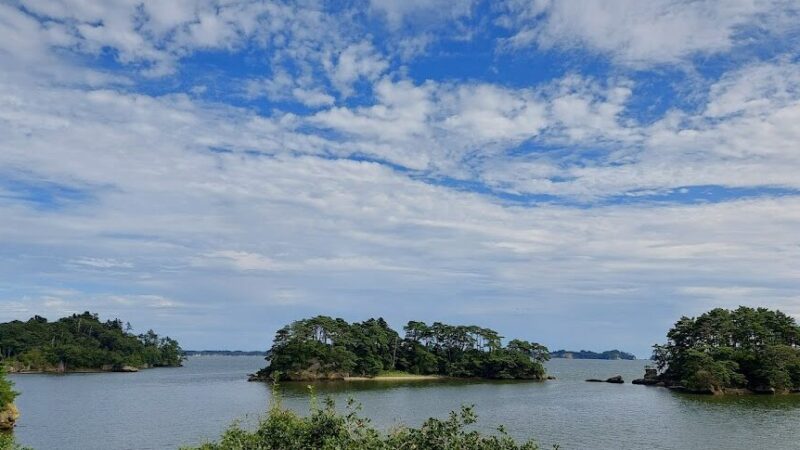
About 40 minutes by train from Sendai, Matsushima is a scenic spot known as one of Japan’s Three Great Views. Enjoying the beautiful nature of Tohoku while combining it with pilgrimage is also recommended.
Akiu Hot Spring and Sakunami Hot Spring
Within Sendai City are two hot spring areas: Akiu Hot Spring and Sakunami Hot Spring. They are ideal for soothing a body tired from pilgrimage. Many facilities offer day-use bathing and are easily accessible.
Sendai Umino Mori Aquarium
An aquarium located on the coast in the eastern part of Sendai. Featuring marine life primarily from the Tohoku Sea, it is popular with families.
Seasonal Highlights
Spring (March–May)
Sendai’s cherry blossoms peak in mid-April. Beautiful cherry blossoms can be enjoyed at various locations throughout the city such as Karaoka Park and Nishi Park. Combining pilgrimage with cherry blossom viewing is also recommended.
Summer (June–August)
The Sendai Tanabata Festival is held in August, with the city decorated with gorgeous Tanabata ornaments. Known as one of the Three Great Festivals of Tohoku, it attracts many tourists.
Autumn (September–November)
The autumn foliage of Ryunoichi Gorge peaks from late October to early November. You can enjoy the changing colors at the location that served as the model for the Ryunoichi Gorge in the work.
Winter (December–February)
Winters in Sendai are cold, but the SENDAI Light Pageant, an illumination event, is held on Jozenji Street. The fantastical light display created by approximately 600,000 LED lights is a must-see.
Conclusion: Experience the World of Jujutsu Kaisen in Sendai
Sendai City, Miyagi Prefecture, is a precious sacred site where you can actually experience the world of ‘Jujutsu Kaisen.’ As the hometown of protagonist Yuji Itadori and the stage of the “Sendai Barrier” in the Culling Game Arc, many important scenes of the work unfold in this place.
From the Sendai Barrier area around Izumi-Chuo Station to Hapina Nakakake-cho Shopping Street and Ryunoichi Gorge, actual locations are faithfully depicted in the work, which will be an emotional experience for fans. Sendai has also launched official collaboration projects to enhance its appeal as a sacred site for Jujutsu Kaisen throughout the city.
When pilgrimage, do not forget to be considerate to local residents and enjoy it while following proper etiquette. Savor the local specialties such as beef tongue and Kikufuku to the fullest while enjoying both the world of Jujutsu Kaisen and the charm of Sendai.
Sendai is easily accessible from Tokyo by Shinkansen, taking about 1 hour 30 minutes. Why not visit Sendai City, Miyagi Prefecture, for a pilgrimage trip using a weekend? A special experience awaits that will deepen your love for the work.