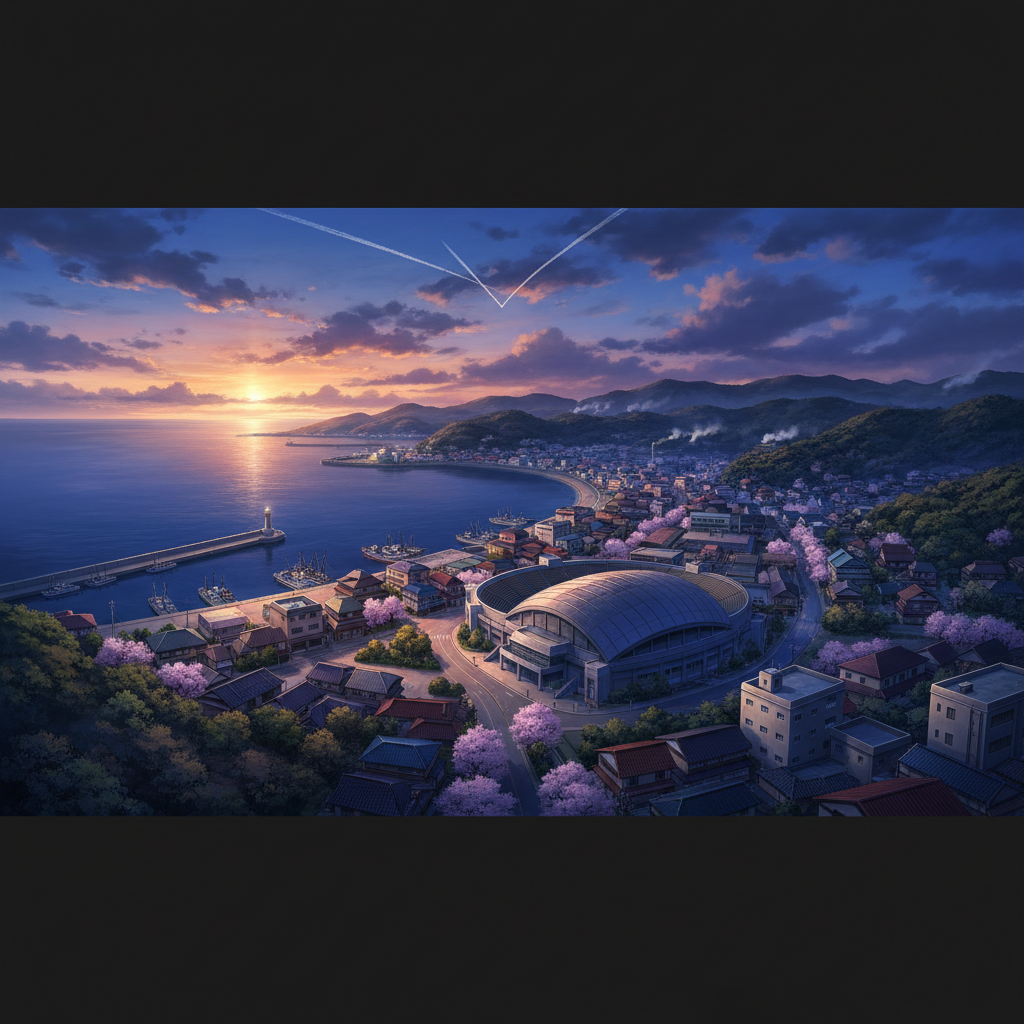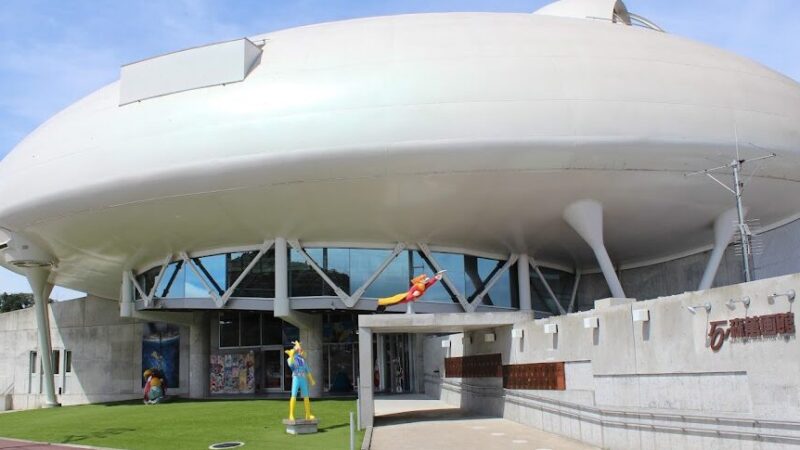
What is Zatsu Tabi?
“Zatsu Tabi -That’s Journey-” is a travel comic essay written by Kenta Ishizaka and serialized in Dengeki Maoh (KADOKAWA), a popular work. It depicts the main character Chika Suzugamori, an aspiring manga artist, traveling “randomly” to various places to break the vicious cycle of having her manuscript rejected.
It was adapted into a TV anime in spring 2025 and aired on major national networks and various streaming sites. The charm of the work lies in introducing famous sites, history, and culture throughout Japan from a unique perspective not found in tourist guidebooks. Through the feelings and discoveries that the protagonist Chika experiences at each location, viewers themselves can discover new ways to enjoy travel. This work allows audiences to find their own enjoyment in exploring.
In anime episode 2, Matsushima in Miyagi Prefecture was selected as the travel destination based on survey results, and the spectacular scenery of Matsushima, one of Japan’s three most scenic views, historic temples, and gourmet spots were featured. The episode depicts how Chika gains new inspiration while visiting famous sites that Matsuo Basho also visited.
Overview of Miyagi Prefecture’s Matsushima Episode
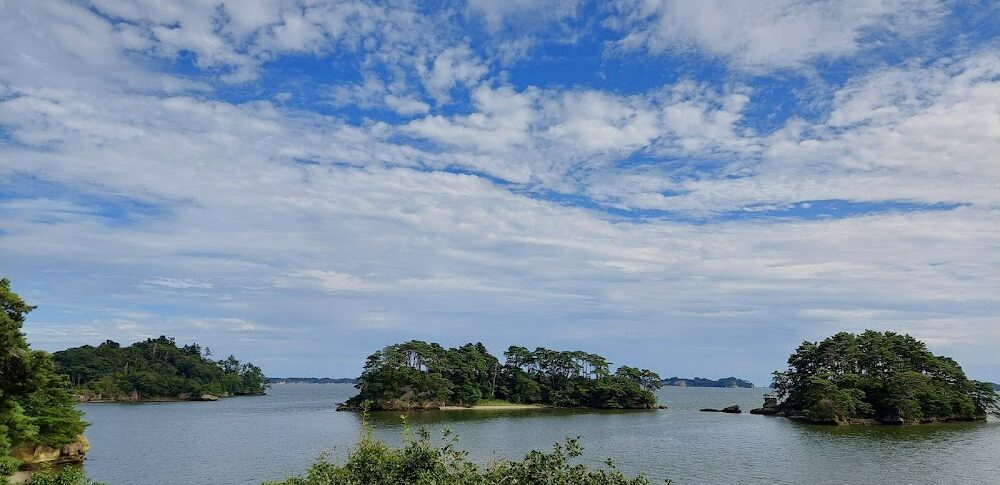
Matsushima in Miyagi Prefecture is a famous tourist destination known as one of Japan’s three most scenic views, alongside Miyajima in Hiroshima Prefecture and Amanohashidate in Kyoto Prefecture. Approximately 260 islands are scattered throughout and around Matsushima Bay, and their beautiful scenery has captivated many literary figures and artists since ancient times.
In Zatsu Tabi episode 2, the story begins with the protagonist Chika traveling from Sendai Station to Matsushima Kaigan Station via the Senseki Line, which takes about 40 minutes. Starting from Matsushima Kaigan Station, the gateway to Matsushima, the episode depicts Chika experiencing all the charms of the Matsushima area, from Oshima and Zuiganji Temple to island-hopping sightseeing boats and local cuisine.
The episode introduces the historical background of how Matsushima came to be called “Matsushima,” as well as fascinating episodes related to Matsuo Basho, providing content that goes beyond simple tourism information and offers deeper understanding.
Detailed Explanation of Holy Site Pilgrimage Spots
Sendai Station
Sendai Station, the gateway to Miyagi Prefecture, is the starting point of the Matsushima edition of Zatsu Tabi. In the series, Chika transfers here to the Senseki Line to head toward Matsushima Kaigan Station. Sendai Station is also a stop for the Tohoku Shinkansen, making it easily accessible from all over the country.
The station interior has numerous souvenir shops and restaurants handling Miyagi Prefecture’s specialty products, where you can enjoy local cuisine such as beef tongue and sasa kamaboko. It’s also recommended to sightsee in Sendai City before or after your holy site pilgrimage.
Matsushima Kaigan Station
After about 40 minutes on the Senseki Line, you arrive at Matsushima Kaigan Station, the gateway to Matsushima sightseeing. Although the station building is small, it has a design that allows you to feel the charm of Matsushima. The series depicts Chika arriving at this station, making it the proper starting point for holy site pilgrimage.
From the station to Matsushima’s main tourist attractions are within walking distance, with Oshima reachable in about 15 minutes on foot and Zuiganji Temple in about 5 minutes. There’s also a tourist information center in the vicinity of the station where you can obtain the latest local information.
Oshima Island
Oshima is one of the important settings in the Matsushima edition of Zatsu Tabi. A small island floating in Matsushima Bay measuring approximately 40 meters east-west and 200 meters north-south, it is known as a sacred place where the Buddhist monk Kenbustsu performed meditation in the late Heian period.
Tsukitsuki Bridge
To cross to Oshima, you cross the scarlet “Tsukitsuki Bridge.” This bridge stretches approximately 252 meters in length, and because monks historically severed their ties to the secular world on the mainland when entering Oshima, it is also called the “bridge that severs evil ties.” The series introduces this episode, and depicts an impressive scene of Chika crossing the bridge.
The current bridge is characterized by red railings, creating beautiful contrast with the blue sea and green pines as a photography spot. From atop the bridge, you can overlook the scenery of Matsushima Bay, and you can enjoy different expressions depending on the time of day.
Highlights of Oshima
Before crossing Tsukitsuki Bridge, you pass through a mountain path cut through rocks. This passageway itself has a structure that evokes history and heightens anticipation for Oshima.
Throughout the island are numerous stone monuments and rock caves where you can feel the footsteps of monks engaged in ascetic practice. From the Heian through Kamakura periods, many Buddhist monks are said to have engaged in training at this location, and the entire island is enveloped in a sacred atmosphere.
Deep within the island is a small shrine called “Oshima Shinjinja Inari Daimyojin,” distinguished by its scarlet torii gate and main hall. This shrine appears in the series, with scenes depicting Chika paying her respects. In this serene space, you can take time to confront yourself.
The views from Oshima are also magnificent, allowing you to see the islands of Matsushima Bay up close. The scenery, particularly during sunset, is spectacular and has become a favorite spot for photography enthusiasts.
Zuiganji Temple
Zuiganji is a Zen temple representative of Matsushima, with the official name “Matsushima Seiryu-san Zuigan Enfu Zen Temple.” It is said to have been founded in 828 of the Heian period by the monk Jikaku Daishi Ennin, and was later rebuilt by Date Masamune over five years beginning in 1609.
Mountain Path
The mountain path to Zuiganji is a solemn passage with cedar trees lining both sides. Simply walking this path fills you with a sense that your spirit is being cleansed. Midway along the path are rock caves that were once dug by monks in training, allowing you to feel the weight of history.
National Treasure – Kuri (Kitchen Building)
What particularly captivated Chika in the series is the “Kuri,” designated as a national treasure. While the kuri is the kitchen area of a temple, Zuiganji’s kuri is not merely a kitchen but is known for its solemn decoration and architectural beauty.
The massive Chinese doors at the entrance, the thick beams inside, and intricate carvings offer plenty to see. As a building reflecting Date Masamune’s authority and aesthetic sensibility, it captivates many worshippers. The series depicts an impressive scene of Chika being moved by its beauty.
Main Hall and Treasure Museum
The main hall is also designated as a national treasure and features lavish interior decoration characteristic of Momoyama culture. Sliding door paintings and carved transoms demonstrate masterful craftsmanship throughout every detail.
The adjoining Treasure Museum allows visitors to view items related to Date Masamune and temple treasures, allowing you to learn about the deep connections between Matsushima and the Date clan.
Matsushima Island-Hopping Sightseeing Boat
The island-hopping sightseeing boat allows you to enjoy Matsushima’s beauty from the sea. The series depicts a scene of Chika boarding the sightseeing boat and enjoying the spectacular views of Matsushima Bay.
Nioh Maru Course
There are several courses available for the sightseeing boat, and the one featured in Zatsu Tabi is the “Nioh Maru Course.” On this course, while visiting representative islands in Matsushima Bay, you can hear explanations of the origins of each island’s names and their characteristics through onboard announcements.
Islands to See
Kaneijima: An island with four caves that produces bell-like sounds when struck by waves, hence the name. You can see the mysterious natural formations up close.
Niohojima: Named after two rocks standing like Nioh guardian statues. Its powerful appearance is impressive and represents one of Matsushima’s iconic landscapes.
Senganjima: A beautiful island where a legend remains that Date Masamune said, “I will give 1,000 ryo to anyone who can move this island to my garden.” The contrast between the green pines and rocky surface is striking.
The views from the sightseeing boat offer a different angle to appreciate Matsushima’s beauty from the land. The approximately 50-minute boat journey becomes precious time to experience the world of the series.
Fukuura Bridge and Fukuura Island
Fukuura Bridge is a scarlet bridge stretching 252 meters in length that connects Matsushima Kaigan and Fukuura Island. Also called the “Bridge of Meetings,” it is known as a power spot for establishing good relationships.
Fukuura Island is designated as a prefectural natural park with a maintained walking trail throughout. You can enjoy various plants of each season while strolling, and from the island’s observation platform you can overlook the spectacular scenery of Matsushima Bay. It is particularly beautiful during cherry blossoms and autumn leaves, attracting many tourists.
Matsushima Sakana Ichiba (Fish Market)
Matsushima Sakana Ichiba is a gourmet spot where you can enjoy fresh seafood. The series depicts a scene of Chika visiting and enjoying delicious local seafood.
The market is stocked with fresh fish and seafood caught off the Sanriku coast, including oysters, scallops, and tuna. There are grilled oyster corners where you can cook and eat on-site, as well as restaurants offering seafood bowls and other menu items, making it a popular dining spot for Matsushima sightseeing.
The souvenir section is also well-stocked, where you can purchase specialty products unique to Miyagi Prefecture such as sasa kamaboko and processed seafood products.
Other Restaurants
Takaraya Shokudo
A restaurant beloved by local residents with a full menu of set meals. You can enjoy delicious food at reasonable prices, making it recommended as a dining spot during holy site pilgrimage.
Una Shin Ishidaya
If you want to enjoy eel cuisine in Matsushima, Una Shin Ishidaya is recommended. It appears in the series, with scenes depicting Chika savoring delicious eel. The eel grilled with the house secret sauce is exquisite and will become a memorable meal from your Matsushima sightseeing.
Matsushima Kamaboko Honpo
An established shop that manufactures and sells Miyagi Prefecture’s famous sasa kamaboko. Freshly made sasa kamaboko is exceptionally delicious, and you can sample freshly grilled varieties in the shop. Perfect as a souvenir.
Matsushima Hotel Waraku
The hotel where Chika stays in the series. Located in a position overlooking Matsushima Bay, you can enjoy beautiful scenery from guest rooms and the hot spring.
The outdoor bath in particular offers wonderful views where you can soak in the hot spring while gazing at the islands of Matsushima Bay, a luxurious experience. The meals feature abundant local seafood, allowing guests to fully experience Matsushima’s charm as an accommodation facility.
History and Culture of Matsushima
Origin of the Name Matsushima
There are several theories about the origin of the place name Matsushima, with the most credible being a legend involving Oshima. In the late Heian period, when the Buddhist monk Kenbustsu was meditating on Oshima, Emperor Toba, honoring his merit, sent him 1,000 pine saplings. According to one account, when these pines were planted on the islands, the region came to be called “Matsushima.”
Indeed, many pines grow naturally on the islands of Matsushima Bay, and the contrast of green pines, blue sea, and white rocky surfaces creates the unique landscape of Matsushima.
Matsuo Basho and Matsushima
Matsuo Basho, a haiku poet of the Edo period, visited Matsushima during his journey on “The Narrow Road to the Deep North.” While the work notes that Basho composed a famous poem at Matsushima, in fact Basho himself left no poems about Matsushima.
The famous poem “Matsushima ya / Aa matsushima ya / Matsushima ya” is widely known as Basho’s composition, but it is said to have been written by a later comic poet. An anecdote remains that Basho, so moved by Matsushima’s beauty, was unable to put it into words, illustrating just how wonderful the landscape was.
Zatsu Tabi also introduces this episode, depicting an impressive scene where Chika is similarly at a loss for words at Matsushima’s beauty.
Date Masamune and Matsushima
Date Masamune, the first feudal lord of the Sendai Domain, was known as a samurai who deeply loved Matsushima. He invested effort in rebuilding Zuiganji Temple, dedicating five years and enormous expense to complete the magnificent temple that stands today.
Masamune valued Matsushima as a place “worth seeing once” and also used it to entertain his domain’s distinguished guests. The lavish decoration and architecture of Zuiganji Temple reflect Masamune’s aesthetic sensibility and power, and they continue to captivate many people today.
Recommended Pilgrimage Route
Day Trip Route
9:00 Depart from Sendai Station (Senseki Line)
9:40 Arrive at Matsushima Kaigan Station
10:00 Oshima sightseeing (Tsukitsuki Bridge, Oshima Shinjinja Inari Shrine)
11:30 Visit Zuiganji Temple (National Treasure Kuri, Main Hall viewing)
12:30 Lunch at Matsushima Sakana Ichiba
14:00 Island-hopping sightseeing boat (Nioh Maru Course, approximately 50 minutes)
15:00 Fukuura Bridge and Fukuura Island stroll
16:30 Buy souvenirs at Matsushima Kamaboko Honpo
17:00 Depart from Matsushima Kaigan Station
17:40 Arrive at Sendai Station
This route allows you to efficiently visit major spots featured in Zatsu Tabi. If time permits, you can also explore the Matsushima Central Plaza area and visit other gourmet spots.
1-Night, 2-Day Route
Day 1
Morning Arrive at Sendai Station, travel to Matsushima Kaigan Station
Afternoon Visit Oshima, Zuiganji Temple, and take the island-hopping sightseeing boat
Evening Check in to Matsushima Hotel Waraku
Night Enjoy the hot spring and dinner
Day 2
Morning Breakfast at the hotel, explore Fukuura Island
Afternoon Lunch at Matsushima Sakana Ichiba, purchase souvenirs
Evening Return to Sendai Station for sightseeing in Sendai City or head home
By staying overnight, you can enjoy Matsushima’s different faces at morning and evening. The quiet morning view of Matsushima Bay in particular is spectacular, allowing you to experience the series’ world more deeply.
Access Information
By Train
From Tokyo
Tokyo Station → Sendai Station (Tohoku Shinkansen, approximately 1 hour 30 minutes)
Sendai Station → Matsushima Kaigan Station (JR Senseki Line, approximately 40 minutes)
From Sendai Airport
Sendai Airport → Sendai Station (Sendai Airport Access Line, approximately 25 minutes)
Sendai Station → Matsushima Kaigan Station (JR Senseki Line, approximately 40 minutes)
By Car
Using Tohoku Expressway
Sendai Miyagi IC → Matsushima Kaigan (about 20 minutes on local roads)
Yamato IC → Matsushima Kaigan (about 15 minutes on local roads)
There are multiple paid parking lots in the Matsushima Kaigan area. During peak tourist season traffic is heavy, so public transportation is recommended.
Notes and Advice for Your Visit
Best Time to Visit
Matsushima is beautiful throughout the four seasons, but particularly recommended are the spring cherry blossom season (early to mid-April) and autumn foliage season (late October to mid-November). However, these periods attract many tourists, so visiting on weekdays is recommended to avoid crowds.
Summer offers beautiful greenery, and winter features a picturesque snow-covered Matsushima. Since the series aired in spring, many fans visit Matsushima during spring.
Estimated Time Required
Visiting just the major attractions takes about half a day, but for leisurely sightseeing, it’s recommended to allocate a full day. Zuiganji Temple and Oshima Island in particular take longer to explore thoroughly than expected.
The island-hopping sightseeing boat takes about 50 minutes, and viewing Zuiganji Temple takes approximately one hour, so plan accordingly.
Clothing and Items to Bring
Walking shoes are essential when exploring Oshima and Fukuura Island. Oshima in particular has many trails utilizing the natural terrain, so avoid heels and similar footwear.
When taking the sightseeing boat, bring a layer as ocean winds can be strong. Also ensure your camera and smartphone are fully charged. With many scenic spots, you’ll have numerous photo opportunities.
Photography Etiquette
When taking photos during holy site pilgrimage, be considerate of other tourists. Temple interiors such as Zuiganji have photography-prohibited areas, so follow the posted guidelines.
Tsukitsuki Bridge is a popular photo spot, but avoid standing for extended periods on the bridge as it obstructs other visitors’ passage.
Experiencing the Charm of Zatsu Tabi on Location
The greatest charm of Zatsu Tabi lies in discovering a location’s history, culture, and people’s lives from a perspective not found in tourist guidebooks. In the Matsushima episode, you gain not only beautiful scenery but also deeper knowledge such as the origin of the name Matsushima, anecdotes about Matsuo Basho, and the achievements of Date Masamune.
When visiting the location for holy site pilgrimage, it’s important to view the landscape with the information introduced in the series in mind, see with your own eyes, and feel with your own heart. By re-experiencing the emotions and discoveries Chika felt in the series in your own way, your understanding of the work will deepen further.
Additionally, by venturing to spots not featured in the series, you can enjoy your own unique “zatsu tabi.” Matsushima has many other points of interest, with the entire area serving as a treasure trove of history and nature.
Conclusion
A holy site pilgrimage to the Miyagi Prefecture Matsushima episode of “Zatsu Tabi -That’s Journey-” becomes a fulfilling journey where you can enjoy the spectacular scenery of one of Japan’s three most scenic views while experiencing profound history and culture. There is much to see, from the mysterious atmosphere of Oshima, to the solemn architectural beauty of Zuiganji Temple, the scenery of Matsushima Bay from the island-hopping sightseeing boat, and local cuisine.
The accessibility is also appealing, being only about 40 minutes from Sendai Station by train, allowing for a full day trip, but if possible, staying overnight to experience Matsushima’s different morning and evening faces is recommended.
Please verify with your own eyes the charm of Matsushima depicted by Kenta Ishizaka in the series and experience it with your own feelings. This will surely deepen your affection for the work and create an unforgettable travel memory.
Through holy site pilgrimage, fully experience the world of Zatsu Tabi and discover your own findings and emotions. This may well be the “essence of travel” that Zatsu Tabi seeks to convey.