
Introduction: The Relationship Between Demon Slayer and the Zao Mountain Range
“Demon Slayer” is a manga work set in the Taisho period by Gotouge Koyoharu, serialized in Weekly Shonen Jump from 2016 to 2020, and became a social phenomenon. The story of the protagonist Tanjiro Kamado growing as a member of the Demon Slayer Corps features beautiful natural landscapes throughout Japan as important settings.
The Zao Mountain Range is a volcanic group spanning Miyagi and Yamagata prefectures, with majestic mountains including the highest peak, Mount Kumano (1,841m). The connection between this region and “Demon Slayer” has been the subject of various considerations and discussions among fans.
This article comprehensively explains the relationship between the Zao Mountain Range and “Demon Slayer” through official information, fan analysis, and actual pilgrimage site information.
The Importance of Mountain Scenes in Demon Slayer
The Presence of Mountains as the Core of the Story
In “Demon Slayer,” mountains function not merely as backgrounds but as important narrative devices. Mount Sagiri, where Tanjiro trained under Sakonji Urokodaki, and Mount Fuji where the Final Selection took place are depicted as indispensable locations for the protagonist’s growth.
The mountains appearing in the work fulfill the following roles:
- Places of training: Sacred spaces where Demon Slayer members learn fundamentals
- Stages of trials: Locations where candidate corps members test their abilities, such as the Final Selection
- Natural threats and beauty: Expressing the primitive landscape of Japan during the Taisho period
- Symbols of spiritual growth: Difficult mountain paths hint at the protagonists’ internal development
Characteristics of Mountain Depictions in the Work
The mountains drawn by Gotouge Koyoharu have the following characteristics:
- Mysterious atmosphere enveloped in deep fog
- Steep rocky areas and cliffs
- Rich vegetation and clear water sources
- Natural beauty through the four seasons
- Silent environments far from civilization
These depictions reflect the characteristics of Japan’s actual mountainous regions, and the Zao Mountain Range is considered one candidate for these settings.
Basic Information and Characteristics of the Zao Mountain Range
Geographic Overview
The Zao Mountain Range is a representative mountainous area in the Tohoku region, located on the border between Miyagi and Yamagata prefectures. The main peaks are as follows:
- Mount Kumano (1,841m): The highest peak of the Zao Mountain Range
- Mount Karita (1,758m): Home to the crater lake “Okama”
- Mount Byobu (1,825m)
- Mount Wasurezan (1,705m)
- Mount Goshiki (1,674m)
Natural Environment of Zao
The Zao Mountain Range has unique terrain formed by volcanic activity and features the following characteristics:
Crater Lake “Okama”: An emerald green crater lake symbolic of Zao. The way the lake’s surface color changes depending on sunlight truly evokes the mystery of nature.
Frost flowers (Ice Monsters): In winter, rare frost flowers form globally. When snow and ice accumulate on coniferous trees, creating giant ice sculptures, a phenomenon also called “snow monsters.”
Rich vegetation: Due to elevation differences, various plant zones are visible. Primeval forests of Japanese beech and sawtooth oak, alpine plants, and diverse ecosystems exist.
Hot spring areas: Hot springs such as Zao Onsen are scattered throughout and have long been cherished as spa destinations.
Historical and Cultural Background
The Zao Mountain Range has long been an object of faith. It has a history as a spiritual site for Shugendo (mountain ascetic practice) venerating Zao Gongen, with many practitioners visiting. This aspect overlaps with the image of mountains as places of training in “Demon Slayer.”
Examination of the Relationship Between Demon Slayer and the Zao Mountain Range
Relationship with Official Settings
In the official settings of “Demon Slayer,” the Zao Mountain Range is not directly mentioned. However, the work is set in Taisho-era Japan, and it is entirely possible that various regions throughout Japan, including the Tohoku area, served as backgrounds for the story.
The author Gotouge Koyoharu often does not specify model locations, and it is likely that she drew inspiration from multiple actual places.
Fan Analysis Points
The following reasons explain why the Zao Mountain Range attracts attention among Demon Slayer fans:
1. Similarity in Mountain Scenery
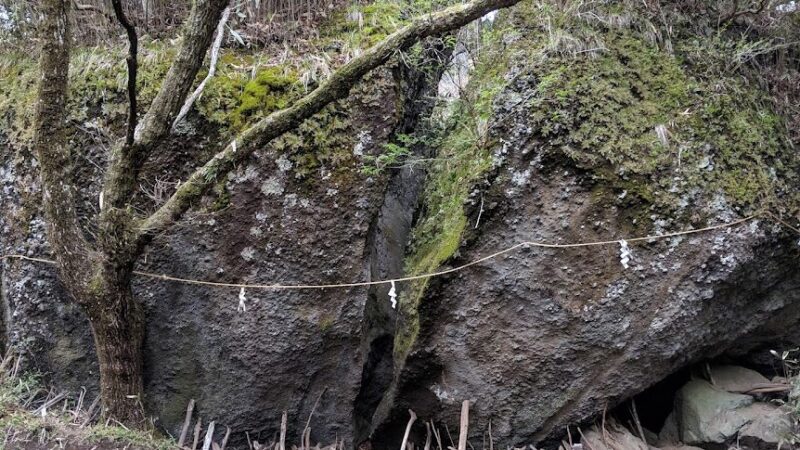
The steep rocky areas and deep forests of the Zao Mountain Range have commonalities with the depictions of Mount Sagiri where Tanjiro trained. Especially the way thick fog settles matches the work’s atmosphere.
2. History of Mountain Ascetic Practice
The fact that Zao was a spiritual site for Shugendo coincides with the image of the Demon Slayer Corps training grounds. The commonality lies in tempering body and mind in a harsh natural environment.
3. Water Depictions
Zao has many clear streams and waterfalls, providing an environment suitable for Tanjiro’s training ground, who uses the “Water Breathing” technique.
4. Remnants of the Taisho Period
There are locations around Zao that retain buildings and atmosphere from the Taisho period, matching the work’s time period setting.
Comparison with Other Candidate Sites
There are multiple mountainous areas beyond Zao considered as pilgrimage sites for “Demon Slayer”:
- Mount Kumotori (Tokyo, Saitama, Yamanashi): Considered a model for Tanjiro’s hometown
- Mount Takao (Tokyo): Popular as a pilgrimage spot due to accessibility
- Okutama region (Tokyo): A candidate model for Mount Sagiri
- Mountains in Fukushima Prefecture: Geographic connection as the Tohoku region
The Zao Mountain Range is characterized by its particularly grand and mysterious atmosphere among these candidate sites.
Experiencing the World of Demon Slayer at the Zao Mountain Range
Zao as a Training Ground
Visiting the Zao Mountain Range allows one to experience the harshness of training scenes depicted in “Demon Slayer.”
Difficulty of the trail: The Zao trails offer courses for beginners to advanced hikers, but include steep rocky areas and sharp slopes. One can experience the severity of Tanjiro’s training of repeatedly attempting to slash giant rocks.
Confronting nature: Zao’s environment, where weather changes easily and fog can suddenly roll in, evokes the image of Demon Slayer members facing natural threats.
Silence and focus: The quiet of the remote mountain wilderness is ideal for training to sharpen one’s spirit.
Zao Through the Four Seasons and Demon Slayer
Spring at Zao: The new greenery budding with snow melt seems to symbolize Tanjiro’s growth and hope. The contrast between remaining snow and fresh green expresses the beauty found beyond overcoming harsh trials.
Summer at Zao: Mountains covered in deep green and refreshing air provide an environment fitting for “Water Breathing” training. Blooming alpine plants evoke the vigor of life.
Autumn at Zao: Mountains dyed in autumn foliage overlap with the beautiful visual expression of “Demon Slayer.” Especially the sky turning red at dusk evokes memorable scenes from the work.
Winter at Zao: The fantastical landscape lined with frost flowers resonates with the otherworldly atmosphere where battles with demons unfold. Harsh cold embodies the severity of training itself.
Zao Mountain Range Pilgrimage Guide
Recommended Spots
1. Okama (Lake Goshiki)
The crater lake “Okama,” a symbol of Zao, overlaps with the fantastical world view of “Demon Slayer” through its mysterious coloring. The emerald green lake surface possesses an otherworldly beauty.
- Access: Car access to near the summit of Mount Karita via Zao Echo Line or Zao High Line (closed in winter)
- Highlights: Color changes of the lake surface, surrounding volcanic terrain
- Time required: About 5 minutes walk from parking area
2. Zao Ropeway
One can enjoy grand scenery while moving from the mountain base to near the summit. Winter frost flower viewing is particularly spectacular.
- Operation section: Zao Base Station → Frost Flower Plateau Station → Jizo Summit Station
- Time required: About 17 minutes one way
- Winter frost flower light-up: Enjoy the fantastical sight of illuminated frost flowers at night
3. Zao Hot Spring
After training, Zao Onsen is ideal for relaxation. The strong acidic sulfur spring is effective for fatigue recovery.
- Spring quality: Strong acidic sulfur spring
- Benefits: Skin diseases, neuralgia, fatigue recovery, etc.
- Day-use bathing facilities: Multiple public bathhouses and day-use hot spring facilities available
4. Zao Echo Line
A mountain road connecting Miyagi and Yamagata prefectures, offering grand scenery for a drive course.
- Total length: About 26km
- Operating period: Late April to early November (varies by snow conditions)
- Highlights: Takimi-dai, Komagusa-daira, etc.
5. Mount Wasurezan
Located at the southern end of the Zao Mountain Range, the 360-degree panorama from the summit is spectacular.
- Elevation: 1,705m
- Climbing difficulty: Intermediate level
- Time required: About 5-6 hours round trip
Access Methods
Access from Miyagi Prefecture side (Zao Town)
- Train: Get off at “Shiraishi Zao Station” on the JR Tohoku Shinkansen, then about 40 minutes by bus or taxi
- Car: About 30-40 minutes from “Murata IC” or “Shiraishi IC” on the Tohoku Expressway
Access from Yamagata Prefecture side (Yamagata City)
- Train: Get off at “Yamagata Station” on the JR Yamagata Shinkansen, then about 40 minutes by bus
- Car: About 30 minutes from “Yamagata Zao IC” on the Yamagata Expressway
Access from Sendai Airport
- Car: About 1 hour 30 minutes
- Public transportation: About 2 hours 30 minutes via Sendai Station
Precautions When Visiting
Climbing Preparation
The Zao Mountain Range is a serious mountainous area. Prepare the following before visiting:
- Appropriate equipment: Hiking boots, rain wear, cold-weather clothing
- Map and compass: Also recommended to use GPS app
- Sufficient water and food: Mountain huts are limited
- Submit climbing plan: Always submit for safety
Weather Changes
Mountain weather changes quickly, so note the following:
- Check weather forecast in advance: Verify multiple information sources
- Courage to turn back: Do not push yourself if weather deteriorates
- Lightning measures: Summer afternoons are prone to thunderstorms
Winter Precautions
- Road closures: Zao Echo Line closes in winter
- Avalanche risk: Winter mountaineering requires sufficient experience and equipment
- Hypothermia: Take thorough cold-weather precautions even when viewing frost flowers
Volcanic Activity
Zao is an active volcano. Check the Japan Meteorological Agency’s volcanic information and comply with access restrictions if present.
Demon Slayer-Related Spots Around Zao
Zao Town’s Initiatives
Zao Town actively welcomes “Demon Slayer” fans as part of anime tourism efforts. The tourism information center distributes maps of attractions in the area.
Places Evoking Taisho Romance
Togatta Onsen
A hot spring area at the foot of Zao where inns continuing from the Taisho period exist. The retro atmosphere matches the world view of “Demon Slayer.”
Kokeshi Museum
Togatta Onsen is also famous as a kokeshi doll production area. The world of traditional crafts shares common ground with the Taisho-era Japanese culture depicted in the work.
Nearby Shrines and Temples
Karita Reijinja Shrine
With main shrine and branch shrines at the summit and base of Zao. A place where one can feel the history of mountain worship, with aspects that overlap with the spirituality of the Demon Slayer Corps.
Zao Gongen-do Hall
With a history as a Shugendo spiritual site, one can understand the aspect of Zao as a place of harsh training.
Photo Spots at Zao
Instagram-Worthy Scenic Points
1. Okama Observation Platform
- Time: Morning light is beautiful
- Composition: Wide-angle photography to capture the entire crater lake
- Season: Particularly vivid from summer to autumn
2. Frost Flower Plain
- Time: Clear daytime or during light-up
- Composition: Frost flowers in foreground with mountains in background
- Season: Late January to February is peak season
3. Komagusa-daira
- Time: Particularly beautiful at dusk
- Composition: Collaboration of Sankai Waterfall and autumn foliage
- Season: Autumn foliage season
Shooting Etiquette
- Do not enter restricted areas: For safety and environmental protection
- Consideration for other tourists: Avoid lengthy occupation of areas
- Environmental preservation: Always take trash with you
- Drone use: Verify restrictions in advance as many areas are regulated
Enjoying Demon Slayer-Style Experiences at Zao
Training Experience Programs
Various activities for tempering body and mind in nature are available around Zao:
Trekking
Various courses from beginner to advanced levels. Guided tours are also abundant.
Zen Meditation
Some nearby temples offer zen meditation experiences, popular as part of spiritual cultivation.
Waterfall ascetic practice
Some facilities offer waterfall ascetic practice experiences (reservation required, seasonal).
Healing Fatigue in Hot Springs
After rigorous training (hiking), soothe yourself in hot springs. The strong acidic sulfur spring of Zao Onsen is effective for muscle soreness and fatigue recovery.
Recommended day-use hot spring facilities:
- Zao Onsen Outdoor Bath: An open-air bath
- Shin-saemon-no-Yu: A public bathhouse with natural hot spring water
- ZAO Center Plaza: A lodging facility with day-use bathing available
Building Strength with Local Cuisine
Genghis Khan (Grilled Lamb)
Zao’s specialty of Genghis Khan is protein-rich and ideal for recovering physical strength.
Zao Cheese
Cheese made at the Zao Dairy Center is popular as a souvenir.
Yamagata Beef
Enjoy the premium brand beef “Yamagata Beef” on the Yamagata Prefecture side.
Inohana Mochi
A traditional Zao confection with a simple, charming flavor.
Optimal Times to Visit Zao
Spring (April-June)
Advantages:
- Fresh air with snow melt
- Beautiful fresh greenery
- Relatively uncrowded
Disadvantages:
- Remaining snow limits climbing trails
- Unstable weather
Recommendation: ★★★☆☆
Summer (July-August)
Advantages:
- Full climbing season with all routes open
- Alpine plants in full bloom
- Comfortable as a summer retreat
Disadvantages:
- Many tourists
- Afternoon thunderstorms likely
Recommendation: ★★★★☆
Autumn (September-November)
Advantages:
- Spectacular autumn foliage
- Relatively stable weather
- Ideal for photography
Disadvantages:
- Crowds during foliage season
- Snow possible in November
Recommendation: ★★★★★
Winter (December-March)
Advantages:
- Fantastical frost flower scenery
- Particularly pleasant hot springs
- Skiing and snowboarding also available
Disadvantages:
- Many road closures
- Climbing only for advanced users
- Essential cold-weather preparation
Recommendation: ★★★★☆ (★★★★★ for frost flower viewing)
Suggested Model Courses
Day Trip Course
A One-Day Plan to Enjoy Zao’s Nature
- 9:00 Depart on Zao Echo Line
- 10:00 Waterfall viewing and photography at Komagusa-daira
- 11:00 Arrive at Okama, sightseeing and lunch
- 13:00 Take Zao Ropeway to summit (frost flower viewing in winter)
- 15:00 Bathe at Zao Onsen
- 17:00 Return
One-Night, Two-Day Course
A Plan to Thoroughly Enjoy Zao
Day 1:
- Morning Arrive, explore Zao Onsen town
- Afternoon Light trekking
- Evening Check in at hot spring lodge
- Night Enjoy local cuisine
Day 2:
- Early morning Morning bath
- Morning Tour Okama
- Afternoon Kokeshi painting experience at Togatta Onsen
- Evening Return
Two-Night, Three-Day Course
A Plan to Fully Experience Zao
Day 1:
- Morning Arrive, Zao Onsen
- Afternoon Ropeway ride to frost flower viewing (winter) or summit sightseeing
- Night Dinner in hot spring town
Day 2:
- All day Serious mountaineering (Mount Kumano to Mount Karita traverse, etc.)
- Night Soothe yourself in hot springs
Day 3:
- Morning Okama sightseeing, Echo Line drive
- Afternoon Togatta Onsen area exploration and other nearby sightseeing
- Evening Return
Lodging Facilities at Zao
Zao Onsen Area
High-end traditional inns:
- Experience traditional Japanese hospitality with kaiseki cuisine and hot springs
- Budget: 15,000-30,000 yen per night with meals
Budget-friendly lodging:
- Pensions and minshuku for casual stays
- Budget: 7,000-12,000 yen per night with meals
Ski lodges:
- For winter ski visitors, casual atmosphere
- Budget: 8,000-15,000 yen per night with meals
Togatta Onsen Area
- Hot spring area at Zao’s base
- Quieter and more relaxing than Zao Onsen
- Budget: 10,000-20,000 yen per night with meals
Campgrounds
Zao Campground and other facilities offer camping in nature.
- Budget: About 1,000-3,000 yen per night
- Facilities: Tent sites, cooking areas, restrooms, etc.
Advance Preparation for Visiting Zao
Packing Checklist
Essential items:
- Hiking boots or comfortable walking shoes
- Rain wear (separate top and bottom recommended)
- Cold-weather clothing (according to season)
- Hat, sunglasses
- Sunscreen
- Water bottle (1L or more)
- Trail snacks (chocolate, nuts, etc.)
- Map, compass, GPS
- Mobile battery
- First aid kit
Helpful items:
- Trekking poles
- Camera, tripod
- Binoculars
- Insect repellent (summer)
- Towel, change of clothes
Physical Conditioning
If planning serious mountaineering, it is recommended to build fitness beforehand:
- Aerobic exercise: Walking, jogging for basic fitness
- Stair training: Exercise resembling mountaineering movements
- Strength training: Especially lower body and core
Information Gathering
Official sites:
- Zao Town Tourism Association
- Yamagata City Tourism Association
- Zao Ropeway official site
Weather forecasts:
- Japan Meteorological Agency mountain weather forecast
- Mountain weather forecast sites
Climbing information:
- Yamareco, Yamakei Online and other mountaineering information sites
- Local mountaineering guide information
How to Enjoy as a Demon Slayer Fan
Cosplay Photography
Some fans enjoy cosplay photography of Demon Slayer against Zao’s grand natural backdrop. However, note the following:
- Changing areas: Avoid changing in public; use lodging facilities
- Consideration for other tourists: Refrain during crowds or in photography-restricted areas
- Safety: Restrictive costumes are dangerous while hiking
- Environmental protection: Do not leave props or accessories behind
Pilgrimage Notes and Message Boards
Some tourist facilities have commemoration notebooks. These can be used as venues for exchanging with fellow fans.
SNS Information Sharing
When sharing Zao experiences on SNS:
- Hashtags: Use #DemonSlayer #Zao #PilgrimageSite, etc.
- Location information: Include accurate location for reference by other fans
- Spoiler consideration: Be mindful of work spoilers
Environmental Protection and Sustainable Tourism
Importance of Nature Conservation
Zao’s beautiful nature is a treasure we must carefully protect. Keep the following in mind:
Take trash with you: With the spirit of “leaving places more beautiful than when you arrived”
Stay on designated trails: Walk assigned routes to preserve vegetation
Do not feed wildlife: Prevent negative impacts on ecosystems
Do not collect plants: Alpine plants especially require protection
Overtourism Countermeasures
Crowds can become an issue at popular spots:
- Visit during off-season: Enjoy without crowds at a relaxed pace
- Use early morning and weekday hours: Avoid peak times
- Discover minor spots: Non-famous areas have their own appeal
Contributing to the Local Economy
Contributing to the local economy through pilgrimage is equally important:
- Use local lodging: Money benefits the region
- Purchase local products and souvenirs: Support local industries
- Use guide services: Contribute to local employment
Conclusion: The Appeal of Zao and Demon Slayer
While the connection between the Zao Mountain Range and “Demon Slayer” is not officially stated, there are many commonalities between the mountainous scenery and image of training grounds depicted in the work and Zao’s grand natural environment.
Visiting Zao allows fans to:
- Retrace the work’s world: Experience the harshness and beauty of the mountains where Tanjiro trained
- Rediscover Japan’s natural beauty: The primitive landscape of Japan unchanged since the Taisho period
- Refresh body and mind: Healing through grand nature and hot springs
- Make new discoveries: Zao’s unique attractions (frost flowers, Okama, etc.)
Regardless of whether one is a “Demon Slayer” fan, the Zao Mountain Range is a worthwhile place to visit. Carry your love for the work in your heart and enjoy Zao’s nature while taking safety precautions.
Lastly, pilgrimage must be conducted with love for the work and respect for the region. By following manners, protecting the environment, and building good relationships with locals, you can have a wonderful experience.
The mountains of Zao await you. Like Tanjiro, carefully and safely, one step at a time, enjoy this grand nature.