![[Only Memories] Yamagata City, Yamagata Prefecture](https://anime-place.site/cms/wp-content/uploads/2026/05/places-1944-おもひでぽろぽろ-山形県.jpg)
“Only Yesterday” and Yamagata Prefecture: A Complete Guide to the Film’s Pilgrimage Sites
The Studio Ghibli film “Only Yesterday” (Omohide Poro Poro), released in 1991, tells the story of 27-year-old office worker Taeko Okajima traveling from Tokyo to Yamagata and rediscovering herself through life in a farming village. The beautiful Yamagata landscapes depicted in this work left a deep impression on the hearts of many viewers. This article provides detailed information about Yamagata Prefecture’s charm, filming locations, and practical information for sacred site pilgrimage.
The Relationship Between “Only Yesterday” and Yamagata Prefecture
The Film’s Setting
In the contemporary part of “Only Yesterday” (set in 1982), protagonist Taeko visits Yamagata Prefecture for a 10-day vacation at the home of her sister’s brother-in-law. While the film does not explicitly state specific place names, multiple regions within Yamagata Prefecture served as models, with the Okitama region (Okitama-hoho) particularly reflected in the scenery.
Director Isao Takahata conducted meticulous research within Yamagata Prefecture during the film’s production. Rural Yamagata landscapes, safflower fields, hot spring towns and others are carefully depicted, beautifully expressing both the beauty and harshness of Japan’s agricultural villages.
Why Yamagata Was Chosen
The manga source material by Kaoru Okamoto and Yuko Tone did not specify a setting. Director Takahata’s choice of Yamagata involved the following elements:
- History of safflower cultivation: Yamagata’s safflower culture continuing from the Edo period
- Beautiful pastoral scenery: The landscape of Okitama Basin displaying seasonal transformations
- Hot spring culture: Abundant hot spring resources including Zao Onsen
- Traditional agricultural life: Regional character where Japan’s original landscape remains
At the time the film was released, Yamagata Prefecture retained in vivid detail the Japanese rural landscape that was already disappearing elsewhere.
Yamagata Prefecture Filming Locations Featured in the Film
Takahata Town (Takahata-machi): Main Location
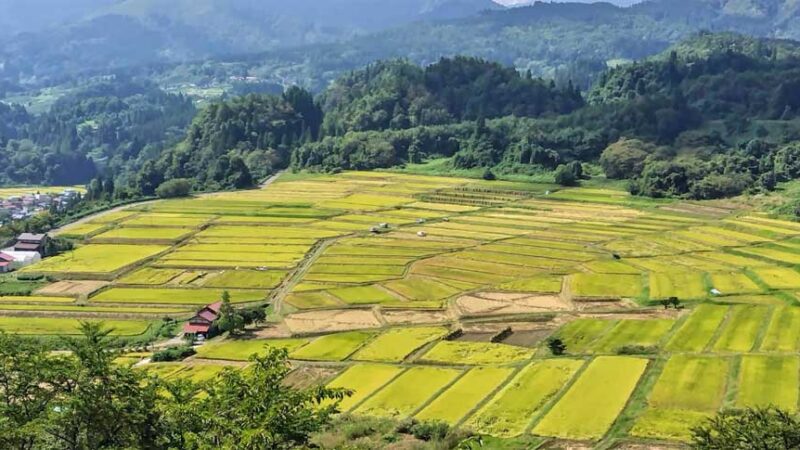
Located in southern Yamagata Prefecture, Takahata Town is known as the primary filming location for “Only Yesterday.” This town spread across the Okitama Basin is itself the pastoral landscape depicted in the film.
Points of Interest in Takahata Town
Mahoroba no Sato
The Takahata Town Tourist Information Center is located here, where you can obtain information related to “Only Yesterday.” The surrounding area offers pastoral scenery reminiscent of the film.
Kameo Monju-do
An ancient temple known as one of Japan’s three Monju temples. While not directly appearing in the film, it is worth visiting as a historical spot in Takahata Town.
Takahata Winery
A facility where visitors can experience Yamagata’s wine culture. Though developed after the film’s time period, it offers insight into contemporary Takahata Town’s appeal.
Zao Onsen: Model for Hot Spring Scenes
The hot spring scenes Taeko visits in the film are believed to be modeled after Zao Onsen in Yamagata City. This hot spring area, with a history dating back 1900 years, is known for its highly acidic sulfur spring.
Characteristics of Zao Onsen
- Spring quality: Highly acidic sulfur spring (pH approximately 1.6)
- Benefits: Skin conditions, neuralgia, fatigue recovery, etc.
- Public baths: Three public baths where visitors can experience the film’s atmosphere
- Large open-air bath: An open-air bath in nature
The old-fashioned hot spring atmosphere depicted in the film remains today, making it an essential spot for pilgrimage enthusiasts.
Safflower Fields: Iconic Film Scenes
The safflower picking scene depicted impressively at the film’s climax. Yamagata Prefecture thrived as a major safflower production center during the Edo period, becoming known nationwide as “Mogami Safflower.”
Places to See Safflower
Kahoku Town (Kahoku-cho)
The region with the most vigorous safflower cultivation in Yamagata Prefecture. The “Safflower Festival” is held every July, allowing visitors to see fields of safflower in full bloom.
Takase District, Yamagata City
A safflower viewing spot near the city center.
Shirataka Town
Known as a safflower cultivation area in the Okitama region.
The safflower viewing season is early to mid-July. The flowers transforming from vibrant yellow to orange are precisely the world of the film.
Pastoral Scenery: Okitama Basin Throughout
The beautiful pastoral scenery featured in the film is modeled after the Okitama Basin as a whole. The following areas in particular retain the film’s atmosphere:
- Nanyo City: Scenery with vineyards and rice paddies
- Yonezawa City: Landscape of mountains surrounding the basin and rice fields
- Kawanishi Town: Idyllic agricultural scenery
Spring rice planting season, summer green rice stalks, autumn golden rice stalks, and snowy winter landscapes each display their own seasonal beauty.
Access Methods to Yamagata Prefecture
Tokyo to Yamagata: Yamagata Shinkansen
What Taeko boards in the film is the Yamagata Shinkansen. This opened in 1992 (the year after the film’s release), so it did not actually exist during the film’s time period (1982), but it is now the most convenient access method.
Yamagata Shinkansen Details
- Tokyo Station to Yamagata Station: Approximately 2 hours 40 minutes
- Fare: Unreserved car approximately 11,000 yen one way
- Frequency: Approximately 10 trains per day
Like in the film, you can enjoy relaxing scenery through the train windows as you begin your Yamagata journey.
Access to Takahata Town
By train
- Yamagata Shinkansen “Takahata Station” (approximately 2 hours 20 minutes from Tokyo)
- From the station, rental cars or taxis are convenient for getting around town
By car
- Tohoku Central Expressway “Takahata IC” to various locations in town
- Approximately 4 hours from Tokyo
Access to Zao Onsen
By bus
- Approximately 40 minutes from Yamagata Station on the Zao Onsen bound bus
- Fare: Approximately 1,000 yen one way
- Runs 1-2 buses per hour
By car
- Approximately 30 minutes from “Yamagata Zao IC” on the Yamagata Expressway
Experiences in Yamagata: Recreating the Film’s World
Safflower Picking Experience
The opportunity to actually experience the film’s memorable scene is the safflower picking experience.
Safflower Picking Experience Details
- Period: Early to mid-July (varies by year)
- Location: Kahoku Town, Shirataka Town, etc.
- Experience content: Early morning safflower picking, safflower dyeing experiences, etc.
- Fee: Approximately 1,000-2,000 yen (varies by facility)
Like Taeko’s experience in the film, picking safflower one by one by hand during the early morning hours when dew still remains, feeling the thorns, allows you to simultaneously feel both the difficulty and beauty of agricultural work.
Agricultural Lodging
For those wanting to experience farming life like in the film, agricultural lodging is recommended.
Appeal of Agricultural Lodging
- Local ingredients: Fresh vegetables, fruits, Yamagata beef, etc.
- Farm work experiences: Participate in seasonal agricultural work
- Local interaction: Warm exchanges with local people
- Approximate fee: 7,000-10,000 yen per night including two meals
Multiple agricultural lodging facilities exist throughout the Okitama region, allowing you to experience short-term rural living like in the film.
Hot Spring Tours
Yamagata Prefecture is known as a “hot spring kingdom,” with over 100 hot spring areas throughout the prefecture.
Recommended Hot Springs
Zao Onsen
The film’s model location. Famous as a “beauty spring” for its highly acidic sulfur spring.
Onogawa Onsen
A quiet hot spring area in Yonezawa City. Also famous for being able to see fireflies.
Akayū Onsen
A historic hot spring area in Nanyo City. Facilities offer wine baths.
Enjoying Yamagata Cuisine
Experience Yamagata’s food culture depicted in the film.
Must-Try Yamagata Cuisine
Imoni
An autumn tradition in Yamagata. Taro root and beef simmered in soy sauce-based broth, a local specialty dish.
Cherries
Yamagata produces approximately 70% of Japan’s national cherry output. Peak season is June-July.
Chilled ramen
Summer specialty originating in Yamagata. Unique ramen with cold broth and ice.
Tamagonnaku
Round konjac simmered in soy sauce. A standard snack in hot spring towns and tourist areas.
Dādacha beans
A Tsuruoka City specialty. Edamame with a distinctive sweetness and aroma.
“Only Yesterday” Sacred Site Pilgrimage Model Courses
1-Night, 2-Day Course
Day 1
- 9:00 AM Depart Tokyo Station on Yamagata Shinkansen
- 11:30 AM Arrive at Takahata Station
- 12:00 PM Lunch in Takahata Town (local soba, etc.)
- 1:00 PM Explore Mahoroba no Sato vicinity
- 2:30 PM Rural scenery drive
- 4:00 PM Travel to Zao Onsen
- 5:00 PM Check in at Zao Onsen
- 6:00 PM Hot spring experience at public bath
- 7:00 PM Dinner at inn
Day 2
- 7:00 AM Morning hot spring
- 8:00 AM Breakfast
- 10:00 AM Depart Zao Onsen
- 11:00 AM Sightseeing in Yamagata City (Bunshoken, etc.)
- 12:30 PM Lunch near Yamagata Station
- 2:00 PM Depart Yamagata Station on Yamagata Shinkansen
- 4:30 PM Arrive Tokyo Station
Safflower Season 2-Night, 3-Day Course (July Only)
Day 1
- Travel from Tokyo to Takahata Town
- Sightseeing in Takahata Town
- Stay at agricultural lodging
Day 2
- Early morning: Safflower picking experience (Kahoku Town)
- Afternoon: Safflower dyeing experience
- Travel to Zao Onsen and stay
Day 3
- Zao Onsen exploration
- Sightseeing in Yamagata City
- Return to Tokyo
Best Seasons to Visit
Spring (April-May)
- Appeal: Cherry blossoms, wild vegetables, rice planting preparations
- Temperature: 10℃-20℃
- Events: Uesugi Festival (Yonezawa City, May)
Summer (June-August)
- Appeal: Cherry picking, safflowers, green rice paddies
- Temperature: 20℃-30℃
- Events: Safflower Festival (Kahoku Town, July), Hanagasa Festival (Yamagata City, August)
- Recommendation: ★★★★★ (Safflower season particularly unmissable)
Autumn (September-November)
- Appeal: Rice harvesting, golden rice paddies, grapes, la france pears
- Temperature: 10℃-25℃
- Events: Japan’s Largest Imoni Festival (Yamagata City, September)
- Recommendation: ★★★★★ (Most similar to the film’s atmosphere)
Winter (December-March)
- Appeal: Snowy scenery, skiing, winter hot springs
- Temperature: -5℃-5℃
- Caution: Heavy snowfall; winter tires required for vehicle travel
Yamagata Prefecture’s Appeal: Beyond the Film
History and Culture
Yamagata Prefecture comprises regions with unique histories: Yonezawa, which flourished as a castle town under the Uesugi clan; Yamagata, the base of the Mogami clan; Tsuruoka under the Shonai domain, and others.
Dewa Sanzan Faith
The three mountains of Haguro, Gassan, and Yudono have long been known as sacred sites of mountain worship.
Safflower Culture
During the Edo period, Yamagata flourished through safflower trade with Kyoto and Osaka, boasting such economic power it was called “Sakai in the West, Yamagata in the East.”
Nature Throughout the Four Seasons
The beautiful nature depicted in the film spreads throughout Yamagata Prefecture.
- Zao’s Ice Trees: Winter spectacle (January-February)
- Gassan Alpine Plants: Summer climbing season
- Mogami River Boat Descent: Enjoyable year-round
- Yamadera (Risshaku-ji): Sacred temple associated with Matsuo Basho
Fruit Kingdom
Beyond cherries, Yamagata is a treasure trove of fruits including la france pears, grapes, and apples. Fruit picking is available throughout various areas.
Sacred Site Pilgrimage Etiquette
Manners and Etiquette
Many film locations are places where people actually live. Keep the following in mind:
- Do not trespass on private property without permission
- Do not touch or remove agricultural products
- Always take trash with you
- Do not make loud noise
- Do not forget to greet local people
Photography
- Obtain permission before photographing individual homes or identifiable people
- Exercise caution regarding location information when posting on social media
- Drone photography often requires prior permission
Contributing to the Community
Sacred site pilgrimage also contributes to the local economy:
- Use local shops and restaurants
- Purchase local specialty products
- Choose local inns or private lodges for accommodation
The Message Conveyed by “Only Yesterday”
City and Countryside
The film contrasts urban life with agricultural village living, depicting the value of each—not that one is better or worse. What Taeko found in Yamagata was her forgotten self and the essence of living.
The Importance of Agriculture
The safflower picking scene simultaneously expresses the difficulty and beauty of agricultural work. The hardship and pride of the people producing food, normally unnoticed by modern consumers, is depicted.
Life Choices
At 27 years old, Taeko examines her life. More than 30 years after the film’s release, this theme continues to resonate with many people.
Yamagata Prefecture’s “Only Yesterday” Related Facilities
Takahata Town Tourist Information Center
Information about the film and guidance regarding town attractions can be obtained here.
- Address: Yamagata Prefecture, Higashi-Okitama District, Takahata Town, Takahata
- Hours: 9:00 AM-5:00 PM
- Closed: New Year’s holiday
Yamagata Prefecture Tourism and Products Hall (Gutto Yamagata)
A tourism information center near Yamagata Station. Tourism information about the entire prefecture can be obtained.
- Address: Yamagata City, Omote-Zao 68
- Hours: 9:00 AM-6:00 PM
- Feature: Specialty products from throughout the prefecture gathered in one place
Choosing Accommodations
Hot Spring Inns
At hot spring area inns such as Zao Onsen and Akayū Onsen, you can experience the film’s atmosphere.
- Budget: 10,000-30,000 yen per night including two meals
- Recommendation: Traditional wooden architecture inns
Agricultural Lodging
If prioritizing interaction with local people, agricultural lodging is recommended.
- Budget: 7,000-10,000 yen per night including two meals
- Characteristics: Homey atmosphere, local ingredient cuisine
Business Hotels
Many business hotels near Yamagata Station provide convenient bases for sightseeing.
- Budget: Room only 5,000-8,000 yen
- Advantage: Accessibility, cost-effectiveness
Enjoying the Film More Deeply
Viewing Before the Trip
It is recommended to watch the film again before visiting Yamagata. You can understand the meticulously depicted scenery and characters’ emotions more profoundly.
Reading the Original Manga
The original manga by Kaoru Okamoto and Yuko Tone focuses on childhood episodes. It has appeal different from the film.
Related Books
Books containing interviews with director Isao Takahata and production stories have been published, deepening film understanding.
Other Yamagata Tourist Spots
Locations worth visiting alongside pilgrimage sites:
Yamadera (Risshaku-ji Temple)
The sacred temple where Matsuo Basho composed “how tranquil—piercing the rocks, insect cries.” A spectacular view awaits those who climb 1,015 stone steps.
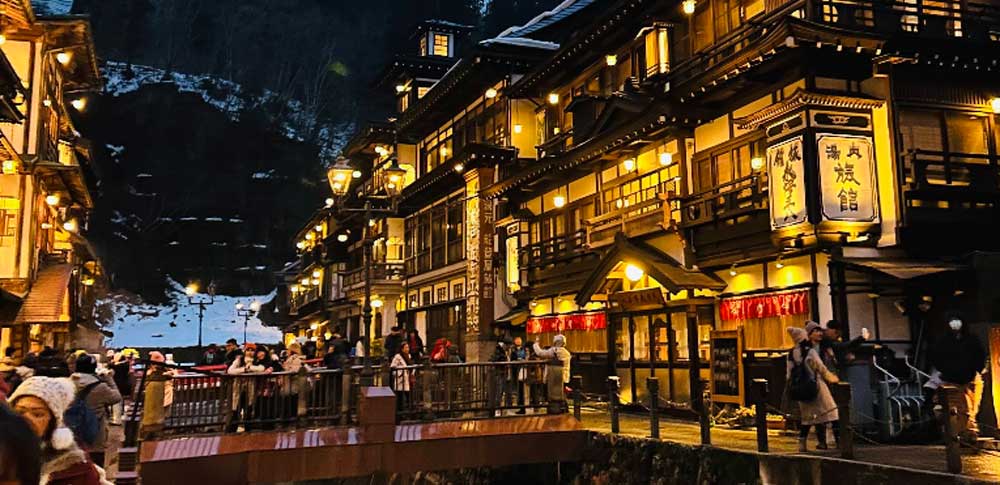
Ginzan Onsen
A hot spring town brimming with Taisho-era romance. The street illuminated by gas lamps at night is enchanting.
Tsuruoka City
The gateway to Dewa Sanzan. Multiple attractions including the Chido Museum and Kamo Aquarium (famous for jellyfish displays).
Yonezawa City
A castle town associated with the Uesugi clan. Abundant gourmet options including Yonezawa beef and Yonezawa ramen.
Detailed Transportation Methods
Rental Car
A rental car is convenient for moving freely throughout Yamagata Prefecture.
- Pick-up locations: Yamagata Station, Yamagata Airport, Takahata Station, etc.
- Fare: 24 hours 5,000-8,000 yen (varies by vehicle type)
- Caution: Winter driving requires snow road experience
Intercity Buses
Bus service operates to major tourist destinations, but service is limited.
Sightseeing Taxis
For efficient sightseeing, sightseeing taxi use is an option.
- Fare: 3 hours approximately 15,000-20,000 yen
- Advantage: Drivers serve as tour guides
Yamagata’s Climate and Clothing
Climate Characteristics
Yamagata Prefecture features a basin-specific inland climate with hot summers and harsh winters.
- Summer: Days exceeding 30℃ are common. Strong sunlight.
- Winter: Sub-zero temperatures possible. Heavy snowfall in mountainous areas.
- Spring/Autumn: Large temperature variations.
Seasonal Clothing
Spring/Autumn
Bring layers as mornings and evenings cool.
Summer
Sunscreen, hat, and insect repellent essential.
Winter
Thick coat, gloves, hat, and non-slip shoes necessary.
Local Interaction
One of Yamagata’s appeals is its warm people. Conversation with locals may reveal Yamagata’s appeal not depicted in the film.
Dialect
Yamagata dialect is distinctive and initially difficult to understand, but it carries warmth.
- “Nda”: That’s right
- “Nme”: Delicious
- “Keppare”: Do your best
Summary: “Only Yesterday” and a Yamagata Journey
“Only Yesterday” is not merely an animated film. It is a work that encourages contemplation of Japan’s original landscape, disappearing agricultural culture, and life choices. Visiting Yamagata Prefecture, where the film is set, means not only recreating the film’s world but also examining ourselves living in the present.
Beautiful pastoral scenery, warm hot springs, delicious food, and above all, warm people. Yamagata Prefecture continues today to embody what the film sought to convey—”what matters.”
Approximately 2.5 hours from Tokyo by shinkansen. Why not take a weekend journey to Yamagata like Taeko? You will certainly find your own “Only Yesterday.”
Whether you visit in July when safflowers bloom, autumn when rice stalks turn golden, or snowy winters, Yamagata welcomes us warmly. If the film has moved your heart, please actually visit the place and experience its appeal with your own eyes, skin, and senses.
Your experience in Yamagata will surely become one of the precious “Only Yesterdays” in your life.