Introduction: What is “I Fell in Love with a Girl in Okinawa, but Her Dialect is Too Strong and It’s Too Hard”
“I Fell in Love with a Girl in Okinawa, but Her Dialect is Too Strong and It’s Too Hard” (abbreviated as “Sukisugiru”) is a popular work themed around Okinawan dialect and culture. The story is beloved by many fans as it follows the protagonist who moves to Okinawa and touches the charm of Okinawa through interactions with heroines who speak the Okinawan dialect (Uchinaguchi).
The greatest appeal of this work is that Okinawa’s beautiful landscapes, unique culture, and the warm lives of its people are depicted realistically. Many of the locations featured in the work are modeled after actual spots, and the number of fans enjoying pilgrimage to these holy sites is increasing year after year.
What is Holy Site Pilgrimage? Enjoying Okinawan Tourism with “Sukisugiru”
Holy site pilgrimage is a fan activity of visiting real locations that appear in works such as anime, manga, and films. In the case of “I Fell in Love with a Girl in Okinawa, but Her Dialect is Too Strong and It’s Too Hard,” various spots in Okinawa Prefecture serve as settings, providing an excellent opportunity to rediscover the charm of Okinawa through the work.
The Appeal of Holy Site Pilgrimage
- Experience the World of the Work: By seeing the landscapes from anime and manga in front of you in person, you can have the same experience as the characters
- Fusion of Tourism and Fan Activities: You can discover local spots that you wouldn’t visit during normal tourism
- Deepened Understanding of Okinawan Culture: You can learn about Okinawan history, culture, and dialect through the work
- Interaction with Fans Who Love the Same Work: At holy sites, you can exchange information and create memories with fellow fans
Introduction to Major Holy Sites in Okinawa Prefecture
Holy Sites in the Naha City Area
Around Kokusai Street
Kokusai Street, located in the center of Naha City, is a standard tourist spot in Okinawa while also being an important location that appears in the work. Along this main street of approximately 1.6 km, souvenir shops, restaurants, and miscellaneous goods stores line the street, allowing you to feel the energy of Okinawa.
Pilgrimage Points:
- The atmosphere of the shopping street frequently appears in daily scenes in the work
- You can enjoy interaction with local people where Okinawan dialect is spoken
- You can actually taste Okinawan cuisine featured in the work, such as sata andagi and Blue Seal ice cream
Access: A short walk from Yui Rail “Kenchōmae Station” or “Makishi Station”
Shuri Castle Park
Shuri Castle, which symbolizes the history of the Ryukyu Kingdom, is an essential spot for understanding the cultural background of Okinawa. In the work, there are scenes that touch on Okinawan history and culture, and it is depicted as a place that the characters visit.
Pilgrimage Points:
- Experience the architectural style and culture of the Ryukyu Kingdom era
- You can actually learn the historical background of Okinawa mentioned in the work
- The view of Naha cityscape from the high ground is a model for landscape scenes in the work
Note: After the 2019 fire, reconstruction work is currently underway, but the park area is open for viewing. Please check the official website for the latest information on public access.
Tsuboya Yachimun Street
This area brings together workshops and galleries of Tsuboya, Okinawa’s traditional craft of pottery (yachimun). It appears in episodes where the work features contact with Okinawan traditional culture.
Pilgrimage Points:
- View Okinawan traditional crafts up close
- The enjoyment of finding pottery models that appear in the work
- The stone-paved alley perfectly captures the atmosphere of the work
Holy Sites in the Central Area
Mihama American Village (Chatan Town)
A complex commercial facility with the atmosphere of America’s West Coast that is popular among young people. In the work, it appears as a place representing the modern side of Okinawa.
Pilgrimage Points:
- Colorful buildings and the Ferris wheel are perfect photo spots
- A model location of date scenes in the work
- The sunset viewed from Sunset Beach recreates an impressive scene from the work
Access: About 40 minutes by car from Naha City, accessible by route bus
Katsuren Castle Ruins (Uruma City)
A castle ruin from the Ryukyu Kingdom era that is registered as a World Heritage Site. In the work, it becomes an important filming location when depicting the historical aspects of Okinawa.
Pilgrimage Points:
- The 360-degree panoramic view from the castle ruins is exactly like a famous scene in the work
- Feel the history of the Ryukyu Kingdom through the stone walls and ruins
- An spectacular viewing spot overlooking both the Pacific Ocean and the East China Sea
Holy Sites in the Southern Area
Seifa Utaki (Seefah Utaki)
Regarded as the most sacred site of the Ryukyu Kingdom, this is a power spot. In the work, it is depicted as an important location when describing Okinawan spiritual culture and beliefs.
Pilgrimage Points:
- The sacred atmosphere is the setting for important scenes in the work
- You can understand the concept of “Niraikanai,” Okinawa’s faith culture
- The view of Kudaka Island from Sankuri is a must-see
Manners: As this is a sacred site, please visit quietly with respect.
Himeyuri Tower and Peace Memorial Park
An important place conveying the history of the Battle of Okinawa. In the work, it relates to episodes where the protagonist considers the weight of Okinawan history.
Pilgrimage Points:
- You can deeply understand Okinawa’s historical background
- A place to feel the “spirit of Okinawa” that the work seeks to convey
- Learn about prayers for peace and the strength of the Okinawan people
Holy Sites in the Northern Area
Kouri Island
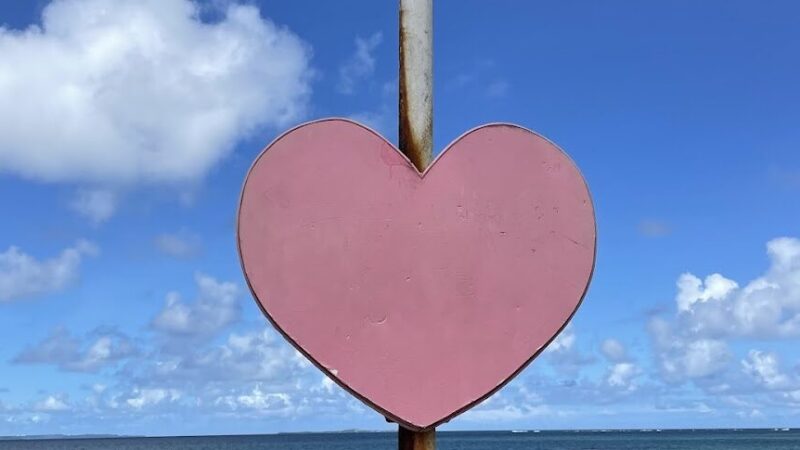
Known as the “Island of Love,” this beautiful remote island features the spectacular views of emerald green sea and the Kouri Bridge. It appears in the work as the setting for romantic scenes.
Pilgrimage Points:
- The view from Kouri Bridge is a symbolic scene in the work
- Heart Rock (Tinu Beach) is a power spot for fulfilling love
- The highly transparent sea is a model for the seaside swimming scene in the work
Access: About 90 minutes by car from Naha City
Okinawa Churaumi Aquarium (Motobu Town)
A representative tourist attraction of Okinawa, famous for the world’s largest tank, “the Kuroshio Sea.” In the work, it appears as a date spot that the characters visit.
Pilgrimage Points:
- The giant tank and whale shark are impressive scenes from the work
- You can learn about the diversity of Okinawan marine life
- The marine park surrounding the aquarium is also a sightseeing spot
Planning and Preparing for Holy Site Pilgrimage
Optimal Visiting Seasons
Spring (March to May):
- Mild temperatures ideal for sightseeing
- Beach season begins in late March
- Golden Week sees crowds, so be cautious
Summer (June to August):
- Full beach swimming season
- June is the rainy season; July to August is typhoon season
- Strong sunlight makes heat stroke prevention essential
Autumn (September to November):
- September is still hot but gradually becomes more comfortable
- Typhoon season may continue until September
- October to November is relatively easy for sightseeing
Winter (December to February):
- Temperatures around 15-20 degrees, warmer than mainland Japan
- Swimming is difficult but sightseeing is not hindered
- Airfare and hotels are relatively inexpensive
Choosing Your Transportation
Rental Car (Most Recommended):
- Essential for efficiently visiting holy sites
- Many rental car companies around Naha Airport
- Early booking can get discounts
- International license not required (Japanese license is fine)
Route Bus:
- Routes connecting Naha City and major tourist sites are well-developed
- Usable if you have time to spare
- Affordable tickets like all-day passes available
Yui Rail (Monorail):
- Operates from Naha Airport to the Shuri Castle direction
- Convenient for moving around Naha City
- No traffic jam concerns
Taxi and Ride-Sharing Apps:
- Convenient for short distances and nighttime travel
- Sightseeing taxi plans also available
Packing Checklist
Essential Items:
- Original work books or anime screenshots (for comparing holy sites)
- Camera/smartphone (including chargers and power banks)
- Sunscreen, hat, sunglasses
- Drinking water (heat stroke prevention)
- Comfortable walking shoes
- Rain gear (folding umbrella)
Useful to Have:
- Holy site pilgrimage map (self-made or official merchandise)
- Ema book or stamp book
- Binoculars (for enjoying views)
- Beach sandals (for seaside holy sites)
- Okinawan dialect reference books or apps
Enjoying Okinawan Dialect (Uchinaguchi)
Main Okinawan Dialects Featured in the Work
One of the attractions of “I Fell in Love with a Girl in Okinawa, but Her Dialect is Too Strong and It’s Too Hard” is the realistic portrayal of Okinawan dialect. Try using them during interactions with local people during holy site pilgrimage.
Basic Greetings:
- “Haisai” (male greeting) / “Haitai” (female greeting): Hello
- “Mensore”: Welcome, come in
- “Nifēdēbiru”: Thank you very much
- “Guburīsabira”: Thank you for the meal
Daily Conversation:
- “Chura-san”: Beautiful, pretty
- “Nankuru naisā”: It’ll work out somehow (optimistic phrase)
- “Ichariba chōdē”: Once you meet, you’re all siblings
- “Chibari yō”: Hang in there
- “Dēji”: Very, extremely
Frequently Appearing Phrases in the Work:
- “Wanne 〇〇 yaibin”: I am 〇〇
- “Chā ganjū”: Very energetic
- “Uchinā nchu”: Okinawan people
- “Yā sā”: That’s great, hooray
- “Diibadibī”: Thank you/sorry
Resources for Learning Dialect
It’s recommended to study Okinawan dialect beforehand to enjoy holy site pilgrimage more.
- Smartphone Apps: “Shimakutuba Dokuhon,” “Okinawan Dialect Dictionary,” etc.
- YouTube Channels: Many Okinawan dialect lecture videos
- Interaction with Local People: Actually using it is the best learning method
Tasting the Work’s World Through Okinawan Cuisine
Okinawan Dishes Featured in the Work
Soki Soba:
- Okinawan soba with stewed pork ribs
- Famous at “Shuri Soba” and “Ten to Ten” in Naha City
Goya Champuru:
- Stir-fried goya (bitter melon), tofu, and egg, a standard dish
- You can enjoy authentic flavors at local restaurants
Sata Andagi:
- Okinawan-style doughnuts, frequently appearing in the work
- Available fresh at Kokusai Street and markets
Blue Seal Ice Cream:
- Ice cream brand born in Okinawa
- Okinawa-exclusive flavors like purple sweet potato and shikuwasa are popular
Taco Rice:
- B-class gourmet originating from Okinawa
- “King Tacos” in Chatan Town is the original
Recommended Restaurants (Near Holy Sites)
Naha City:
- “Daiichi Makishi Public Market”: Fresh seafood at 2nd-floor food court
- “Shuri Soba”: Historic soba shop near Shuri Castle
- “Jackie Steak House”: Experience Okinawan steak culture
Chatan/Central Area:
- “King Tacos”: The birthplace of taco rice
- “Hamaya Soba”: Local favorite soba specialty shop
Northern Area:
- “Kishimoto Shokudō”: Famous Okinawan soba shop in Motobu
- “Blue Seal Main Store”: Near Okinawa Churaumi Aquarium
Holy Site Pilgrimage Manners and Rules
Basic Manners
- No Trespassing on Private Property: Some holy sites may include private residences or private land. Always get permission before photographing.
- Be Mindful of Noise: In residential areas, don’t speak loudly, avoid early morning or late-night visits, and show consideration for local residents.
- Always Take Garbage with You: Taking trash with you is absolutely necessary to keep holy sites beautiful.
- Obey Traffic Rules: Illegal parking and photographing in dangerous locations are strictly prohibited.
- Manners at Commercial Facilities: Always get permission before photographing at shops and aim to make purchases when visiting.
Cultural Considerations Specific to Okinawa
Sacred Sites Like Utaki:
- Understand that these are places of Okinawan faith and visit with respect
- Avoid loud conversations and inappropriate behavior
- Do not enter areas except designated locations
Historic Sites and Memorial Facilities:
- Learn about the history of the Battle of Okinawa and visit with a spirit of mourning
- Photography is only allowed in designated areas
Tips for Enjoying Holy Site Pilgrimage Even More
Thoroughly Prepare with the Work
Reviewing the original work or anime before holy site pilgrimage allows you to understand the meaning and background of each spot more deeply. Noting which specific scenes are depicted at which locations doubles the emotional impact when you’re at the actual site.
Gather and Share Information on SNS
Searching hashtags like “#沖縄で好きになった子が方言すぎてツラすぎる” “#すきすぎる聖地巡礼” on Twitter, Instagram, and TikTok will get you visit reports and latest information from other fans. Please also share your pilgrimage experience.
Enjoy Interaction with Local People
Okinawan people are generally warm and kind. Talking about the work may yield unexpected information. Enjoy interaction with the spirit of “Ichariba chōdē” (once you meet, you’re all siblings).
Take Multiple Days to Pilgrimage Slowly
Okinawa is surprisingly large, and traveling from north to south takes time. Rather than trying to visit all holy sites in one day, it’s recommended to divide them by area and tour over 2-3 days.
Choosing Accommodations
Recommended Lodging Areas by Region
Naha City:
- Good airport access with abundant restaurants
- Hotels around Kokusai Street are convenient
- Wide selection from business hotels to resort hotels depending on budget
Chatan/Central Area:
- Resort hotels around American Village
- Close to beaches with full resort atmosphere
- With a rental car, movement to north and south is convenient
Northern Area:
- Resort hotels in Motobu or Nago City
- Good access to Okinawa Churaumi Aquarium and Kouri Island
- Natural and peaceful environment
Budget Lodging Options
Budget (1 night ¥3,000~):
- Guesthouses, hostels
- Capsule hotels
- Private rentals (Airbnb, etc.)
Mid-Range (1 night ¥6,000~¥15,000):
- Business hotels
- City hotels
- Small resort hotels
Luxury (1 night ¥15,000+):
- Large resort hotels
- High-end ocean-view hotels
- Villa-type accommodations
Merchandise and Souvenir Information
Work-Related Merchandise
Official work merchandise can be purchased at anime specialty stores like Animate and Tora no Ana, as well as online shops. Check local anime shops for Okinawa-exclusive merchandise.
Recommended Okinawan Souvenirs
Food Items:
- Purple sweet potato tart (Ogata Wagashi-ten)
- Chinsuko (Arasaki Confectionery, etc.)
- Yuki Shio (from Miyakojima)
- Sea grapes
- Orion Beer
Crafts:
- Yachimun (Okinawan pottery)
- Ryukyu glass
- Shisa
- Bingata (traditional dyed fabrics) items
Other:
- Okinawan dialect T-shirts
- Goya-related products
- Awamori mini bottle sets
Suggested Model Courses
2-Night, 3-Day Holy Site Pilgrimage Plan
Day 1: Central Naha City
- Morning: Arrive at Naha Airport, rental car procedures
- Noon: Kokusai Street stroll, Okinawan soba lunch
- Afternoon: Shuri Castle Park visit, Tsuboya Yachimun Street
- Evening: Souvenir shopping on Kokusai Street
- Night: Okinawan cuisine dinner in Naha City
- Accommodation: Naha City
Day 2: Central/Northern Area
- Morning: Early departure, Mihama American Village
- Noon: Taco rice lunch in Chatan
- Afternoon: Okinawa Churaumi Aquarium visit
- Evening: Kouri Island, Kouri Bridge at sunset
- Night: Stay in Motobu area or return to Naha
- Accommodation: Motobu or Naha City
Day 3: Southern Area/Return
- Morning: Visit Seifa Utaki
- Noon: Lunch at southern sea café
- Afternoon: Peace Memorial Park (if time permits)
- Evening: Head to Naha Airport, return rental car
- Night: Departure
3-Night, 4-Day Leisurely Pilgrimage Plan
In addition to the 2-night, 3-day plan above:
- Visit Katsuren Castle Ruins
- Day trip tour to the Kerama Islands
- Participate in local community events
- Experience marine activities
- More dining experiences at local restaurants
Seasonal Event Information
Spring (March to May)
- Beach Season Opening (late March to April): Opening events at beaches throughout the prefecture
- Naha Hari (Golden Week in May): Traditional dragon boat racing
Summer (June to August)
- Commemoration Day (June 23): Day of the end of the Battle of Okinawa, memorial services throughout
- Eisa Festival (August to September): Festival celebrating traditional Okinawan Eisa art
Autumn (September to November)
- Naha Great Tug-of-War (October): Guinness-recognized tug-of-war
- Shuri Castle Festival (October to November): Ryukyu royal court procession, etc.
Winter (December to February)
- Professional Baseball Camp (February): Many teams hold camps in Okinawa
- Okinawa Marathon (February): Marathon running across Okinawa’s main island
Safety and Health Precautions
Heat Stroke Prevention
Okinawa is warm year-round, but particularly from May to September it’s hot and humid.
- Frequent water intake (2 liters or more per day)
- Use hats, parasols, and sunscreen
- Avoid prolonged outdoor activity, take breaks
- If you feel unwell, move to a cool place immediately
Cautions at Sea
- Never swim in areas marked as dangerous
- Jellyfish prevention (swim within nets designed for this)
- Be aware of rip currents
- Avoid swimming alone
Cautions Regarding Habu Snakes
Habu snakes live on Okinawa’s main island.
- Avoid entering grassland or forest without care
- Extra caution on mountain roads at night
- If bitten, seek medical attention immediately
Typhoon Information
July to October is typhoon season.
- Check weather information frequently
- Seek indoor shelter when typhoons approach
- Consider the possibility of flight cancellations
Frequently Asked Questions
What’s the Ideal Number of Days for Holy Site Pilgrimage?
A minimum of 2 nights and 3 days allows you to leisurely visit major holy sites. If you want to completely cover all sites including remote islands, 5 days or more is recommended.
Is a Rental Car Essential?
If visiting only Naha City, public transportation may work, but a rental car is essential for efficiently visiting holy sites in the central, northern, and southern areas.
Can I Enjoy This Solo?
You can absolutely enjoy it solo. In fact, there’s the benefit of touring at your own pace. It’s also fun to meet fellow fans of the work at the sites via SNS.
How Much Budget is Needed?
For a 2-night, 3-day trip, airfare (round-trip ¥30,000-50,000), accommodation (¥10,000-30,000), rental car (¥10,000-20,000), meals and sightseeing (¥20,000-30,000) gives a total estimate of ¥70,000-130,000.
Is It Okay If I Can’t Speak Okinawan Dialect?
No problem at all. Standard Japanese works at tourist sites. However, if you speak even simple greetings in dialect, local people will be delighted.
Can I Enjoy It Even on Rainy Days?
Yes, there are many spots enjoyable in the rain: Okinawa Churaumi Aquarium, Shuri Castle (indoor exhibits), shopping on Kokusai Street, and Okinawan restaurant hopping.
Can I Freely Photograph the Holy Sites?
Photography is generally allowed in public places, but permission is needed for private land, commercial facilities, and sacred sites. Also be considerate of other tourists.
Conclusion: Falling Even More in Love with Okinawa Through Holy Site Pilgrimage
The holy site pilgrimage of “I Fell in Love with a Girl in Okinawa, but Her Dialect is Too Strong and It’s Too Hard” transcends being merely an anime fan activity, becoming a valuable experience touching Okinawa’s culture, history, nature, and the warmth of its people.
By seeing with your own eyes and feeling with your skin the charm of Okinawa that you learned through the work, your understanding of the work deepens further, and your affection for Okinawa as a place grows.
When doing holy site pilgrimage, it’s important to never forget respect for local people and to enjoy it while following proper manners. In doing so, you can create wonderful memories both as a fan of the work and as a traveler.
With the spirit of “Ichariba chōdē” (once you meet, you’re all siblings), interact with Okinawan people and, feeling the optimistic Okinawan spirit of “Nankuru naisā” (it’ll work out), enjoy your unique holy site pilgrimage journey.
Finally, to all fans who love this work, “Chibari yō” (hang in there)! I hope your holy site pilgrimage becomes a wonderful experience. “Nifēdēbiru” (thank you)!