
“Bocchi the Rock!” aired in 2022 and recorded a massive hit that became a social phenomenon. The coming-of-age girls band story about the extremely introverted protagonist Gotoh Hitori (nickname “Bocchi-chan”) growing as a member of Kessoku Band captured the hearts of many fans.
The main stage for this work is Shimokitazawa, located in Setagaya Ward, Tokyo. This town, where subculture and live house culture have taken root, became a crucial element in forming the anime’s worldview, and many spots that appear in the work actually exist. In this article, we will thoroughly explain the holy sites of “Bocchi the Rock!” centered on Shimokitazawa.
Why Shimokitazawa Became a Holy Site for “Bocchi the Rock!”
Shimokitazawa has been known since the 1960s as a hub for music and subculture. The unique atmosphere of narrow alleys lined with distinctive vintage clothing stores, record shops, and live houses is a symbolic place of indie band culture.
“Bocchi the Rock!” author Hamaji Aki reflected the real band scene of Shimokitazawa in the work, giving the story credibility and a sense of presence. Many places where the Kessoku Band performs and members spend their daily lives have real-world models, and the anime production team conducted extensive location scouting to recreate them faithfully. After the anime aired, many fans from across the country began visiting Shimokitazawa, making it a new focal point of attention as a mecca for holy site pilgrimages. However, since there are many residential areas and operating shops, pilgrimages conducted with restraint are required.
Shimokitazawa Station: Where the Story Begins
Overview of Shimokitazawa Station and Its Appearance in the Work
Shimokitazawa Station is a terminal station where the Odakyu Line and Keio Inokashira Line intersect, with approximately 150,000 daily passengers. In “Bocchi the Rock!”, it frequently appears as the place where Bocchi-chan first visits Shimokitazawa and where members gather.
What is particularly striking is the scene in Episode 1 where Bocchi-chan is overwhelmed by the crowd as she exits the ticket gate. In the anime, the atmosphere inside the station and the flow of people are depicted with careful attention to detail, and visiting in person allows you to re-experience the tension from the work.
Northern Area of Shimokitazawa Station
Exiting the north exit of Shimokitazawa Station reveals the bustling shopping street immediately. In the work, scenes appear of Kita Ikuyo shopping and members eating meals around the north exit area.
The plaza in front of the station is used as a background multiple times in the anime, and the distinctive arrangement of buildings is recreated as-is. Since the atmosphere varies depending on the time of day, many fans visit in the morning, afternoon, and evening.
Southern Area of Shimokitazawa Station
The south exit area has a more calm atmosphere, with live houses and music-related shops concentrated here. Roads appearing in scenes of Kessoku Band members carrying equipment actually exist around the south exit area.
With the redevelopment of the area around the station, a new commercial facility called “Shimokita Senro-gai” was created on the site of the Odakyu Line tracks, which were underground in 2019. While the scenery differs somewhat from the anime’s time period, you can feel the unique charm of Shimokitazawa’s blend of old and new.
Live House “STARRY” Model: Shimokitazawa SHELTER
History and Characteristics of Shimokitazawa SHELTER
The model for the live house “STARRY,” which becomes the Kessoku Band’s base, is “Shimokitazawa SHELTER,” a representative live house of Shimokitazawa. Opened in 1989, this venue is an underground live house with a capacity of approximately 250 people, from which numerous famous bands have taken flight.
In the anime, everything from the exterior to the entrance stairs and the way down to the basement is recreated with surprising accuracy. The red signboard and distinctive entrance are a holy site among holy sites that fans can identify at a glance as “This is STARRY!”
Precautions When Visiting
Since Shimokitazawa SHELTER operates as an active live house, you cannot enter the interior during times when there are no live performances or events. Photography of the exterior is possible, but care must be taken not to interfere with operations.
The live schedule can be confirmed on the official website, and if you purchase a ticket, you can experience the atmosphere inside the live house. By actually seeing the stage and floor layout described in the work, the live scenes of Kessoku Band become more vivid.
When attending a live performance, a drink charge (usually 500 yen) is required separately, and at entry you exchange it for a drink ticket. This is also a realistic aspect of live house culture depicted in the work.
Kessoku Band’s Artist Photo Shooting Location
The Legendary “Artist Photo Wall”
The place where Kessoku Band shot their artist photo (artist shot) in Episode 8 is a building with a mural located approximately 7 minutes on foot from Shimokitazawa Station. The colorful mural featuring blue and pink became a popular spot where many fans take photos from the same angle as depicted in the work.
This location is positioned near “Times Daiwa No.* Parking Lot” and was actually planned as a road construction site. Therefore, there are concerns that it may be demolished in the future, and “pilgrims wanting to visit before it disappears” never stop coming.
Photography Etiquette and Current Status
Since 2023, the number of fans visiting this place has increased rapidly, and at one point, traffic obstruction and noise problems occurred. Although it remains popular as a holy site, since the surrounding area is a residential neighborhood, the following etiquette is important:
- Avoid visiting in early morning or late night hours
- Refrain from loud conversations or commotion
- Avoid long-term photography on the road that obstructs traffic
- Always take trash with you
- Never trespass on private property
To enjoy holy site pilgrimage, consideration for residents is essential. Restrained behavior preserves the environment for continued access to holy sites.
Donguri Plaza Park: A Place of Rest for Kessoku Band
Characteristics of the Park and Its Appearance in the Work
Donguri Plaza Park is a small park in a quiet residential neighborhood approximately 10 minutes on foot from Shimokitazawa Station. In the anime, it appears in scenes where Kessoku Band members take breaks or visit between artist photo shoots.
In contrast to the bustle around the station, it is a very quiet and calm park. The arrangement of play equipment and benches is also faithfully recreated in the anime, and the particularly distinctive slide is immediately recognizable.
Important Notes When Visiting the Park
Donguri Plaza Park is an everyday park where local children play. When visiting for holy site pilgrimage, please pay special attention to the following points:
- Ensure your visit does not inconvenience residents using the park
- Avoid occupying play equipment for long periods of photography
- Be especially considerate during times when children are playing
- Always take trash with you after eating in the park
Because this is a park in a quiet residential area, visitors’ etiquette is questioned. Keep visits and photography brief, and never forget respect for local residents.
Shimokita Senro-gai: The New Face of Shimokitazawa
Birth and Characteristics of Shimokita Senro-gai
When the Odakyu Line went underground in 2019, a commercial facility called “Shimokita Senro-gai” was created using the vacated railway site. This area, spanning approximately 1.7 km, includes scattered commercial facilities such as “Mikan Shimokita,” “BONUS TRACK,” and “reload,” garnering attention as a new culture spot in Shimokitazawa.
While not fully depicted in the anime’s time period, this is an essential area to visit when currently exploring Shimokitazawa. Stylish cafes, bookstores, and galleries line the streets, offering an atmosphere that resonates with the work’s worldview and subculture.
As a Rest Stop for Holy Site Pilgrimage
Shimokita Senro-gai has numerous cafes and restaurants where you can stop during holy site pilgrimage. In particular, the “BONUS TRACK” area concentrates shops themed around music and art, creating a space with high affinity for “Bocchi the Rock!” fans.
There is also a hot spring facility “SHIMOKITA SAUNA,” perfect for soothing tired bodies after lengthy holy site pilgrimages. Since sauna scenes appear in the work, among fans, “visiting a sauna after pilgrimage” has become an established way of enjoying the experience.
Other Spots Around Shimokitazawa
Shopping Streets and Alleyways
Shimokitazawa has multiple shopping streets, each with individual character. These include “Shimokitazawa Ichibangai Shopping Street,” “Shimokitazawa Minami-guchi Shopping Street,” and “Shimokitazawa Higashi-kai Shopping Street,” with scenes of walking through these streets appearing throughout the anime.
What is particularly striking is the landscape of narrow alleyways. The unique scenery of vintage clothing stores and record shops lining the streets is unique to Shimokitazawa and serves as an important element forming the work’s worldview.
Times Shimokitazawa No.* and Times Daiwa No.* Parking Lot Vicinity
Parking lots that appear as backgrounds in the work are modeled on actual Times parking lots. The areas around parking lots like “Times Shimokitazawa No.*” and “Times Daiwa No.*” are used as backgrounds for everyday scenes and recreated in detail.
Since these are operating parking lots, it is important to keep photography brief so as not to interfere with users.
Stairs and Slopes
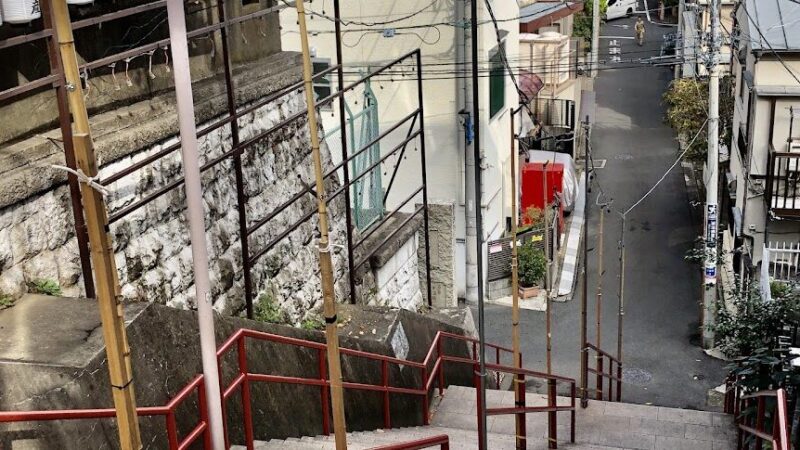
Shimokitazawa has undulating terrain, with various stairs and slopes appearing in the work. Station area stairs and slopes leading to residential neighborhoods are all depicted carefully in the anime, and even just walking allows you to feel immersed in the work’s world.
Holy Sites Outside Shimokitazawa: Kanazawa Hakkei, Enoshima, Shinjuku, and More
Kanazawa Hakkei: Yamada Ryo’s Hometown
Kanazawa Hakkei, where bassist Yamada Ryo lives, is also an important holy site. Scenes around Kanazawa Hakkei Station and residential neighborhoods appear in the work, particularly with the station platform’s distinctive structure faithfully recreated.
Located in Kanazawa Ward, Yokohama, Kanazawa Hakkei has a calm residential neighborhood atmosphere in contrast to Shimokitazawa, functioning as a stage expressing Ryo’s character.
Enoshima: Summer Live and Ocean Views
Enoshima, where Kessoku Band performs a summer live in the work, is also a popular holy site among fans. Enoshima Station, coastal scenery, particularly distinctive bridges, and other symbolic Shonan landscapes add color to the work.
As Enoshima is popular as a tourist destination, many fans combine holy site pilgrimage with sightseeing, offering a different open atmosphere compared to Shimokitazawa.
Shinjuku, Shibuya, Ochanomizu: Downtown Scenes
The work also features downtown spots including Shinjuku, Shibuya, and Ochanomizu. Shinjuku features musical instrument shop streets and bustling districts, Shibuya depicts live houses and street crowds, and Ochanomizu shows neighborhoods concentrated with musical instrument shops.
These places serve as stages symbolizing Kessoku Band’s growth, featuring necessary equipment purchases for band activities and performances at larger live venues.
Shin-Takaido and Tsurumi: Other Featured Locations
Shin-Takaido appears as Bocchi-chan’s nearest station, and Tsurumi appears as where Ijichi Nijika’s family home is located. These places also play important roles in depicting characters’ daily lives, with devoted fans aiming for “complete conquest” of all holy sites.
Recommended Model Courses for Holy Site Pilgrimage
Half-Day Course: Shimokitazawa Focused Plan
For those with limited time, a half-day course focusing on the Shimokitazawa area is recommended:
- Shimokitazawa Station (north and south exits) memorial photography (30 minutes)
- Shimokitazawa SHELTER (STARRY) exterior viewing (15 minutes)
- Artist photo wall photography (20 minutes)
- Visit Donguri Plaza Park (15 minutes)
- Lunch and rest at Shimokita Senro-gai (60 minutes)
- Shopping street exploration (60 minutes)
Approximately 3 hours total for efficiently visiting major holy sites.
Full-Day Course: Shimokitazawa plus Surrounding Areas
For those with a full day available, a course including Shimokitazawa and surrounding areas is recommended:
Morning:
- Meeting at Shimokitazawa Station
- Major holy site pilgrimage (SHELTER, artist photo wall, Donguri Plaza Park, etc.)
- Lunch at Shimokita Senro-gai
Afternoon:
- Relocate to Shin-Takaido or Shibuya/Shinjuku holy sites
- Musical instrument shop street exploration
- Return to Shimokitazawa in the evening to enjoy nighttime atmosphere
- If possible, attend a live show at Shimokitazawa SHELTER
Weekend Course: Complete Conquest Plan
It’s also possible to visit all holy sites over 2 days:
Day 1:
- Thorough holy site pilgrimage of the Shimokitazawa area
- Downtown area holy sites: Shinjuku, Shibuya, and Ochanomizu
Day 2:
- Kanazawa Hakkei area
- Enoshima area
- Shin-Takaido and Tsurumi if time permits
Tips for Enjoying Holy Site Pilgrimage
Pre-Visit Preparation
To maximize your holy site pilgrimage enjoyment, preparation is important:
- Watch all anime episodes and confirm featured scenes
- Check location information using holy site map apps or pilgrimage blogs
- Research public transportation transfers in advance
- Check weather forecasts and plan for rainy weather contingencies
- Charge camera and smartphone batteries to full
Photography Tips
Tips when photographing at holy sites:
- Search for the same angles as anime scenes
- Be mindful of how light changes by time of day
- Never forget safety and consideration for others
- If using a tripod, select locations that don’t obstruct traffic
- Also enjoy compositions with stars in mind (an important work motif)
Coexistence with Community
For sustained holy site pilgrimage enjoyment, community coexistence is essential:
- Support local shops and contribute to regional economy
- Move quietly in residential neighborhoods
- Always take trash with you and cooperate in environmental conservation
- Follow local rules and regulations
- When sharing information on SNS, also mention pilgrimage etiquette
Collaboration Events and Merchandise Information
Odakyu Electric Railway Collaboration
After the anime aired, Odakyu Electric Railway implemented multiple collaborations with “Bocchi the Rock!” These include stamp rallies, wrapped trains, and commemorative ticket sales—events that can be enjoyed alongside holy site pilgrimage and are regularly held.
Information about these collaboration events is announced on the Odakyu Electric Railway official site and “Bocchi the Rock!” official SNS, so checking before pilgrimage is recommended.
Shimokitazawa Shop Collaborations
Some shops in Shimokitazawa offer “Bocchi the Rock!” collaboration menus and merchandise sales. Limited-time events like collaboration drinks at cafes and special displays at musical instrument shops are common, so confirming the latest information before visiting is advisable.
Official Merchandise and Location-Limited Items
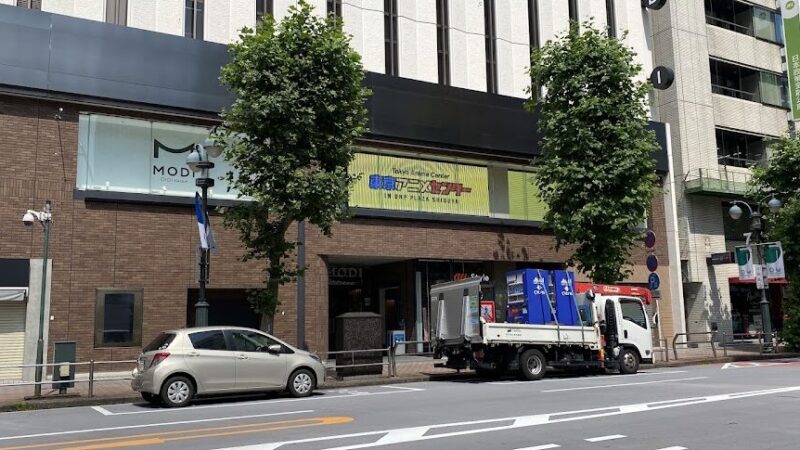
Official merchandise can be purchased at anime goods shops like Animate around Shimokitazawa. As a keepsake of holy site pilgrimage, purchasing band goods and music-related items unique to Shimokitazawa is another enjoyable way to commemorate the visit.
Access Information and Nearby Facilities
Access to Shimokitazawa
By Train:
- Odakyu Line: Approximately 7 minutes by express from Shinjuku Station, approximately 11 minutes by local train
- Keio Inokashira Line: Approximately 4 minutes by express from Shibuya Station, approximately 7 minutes by local train
Shimokitazawa Station is served by 2 lines, offering excellent access from downtown.
By Car:
The roads around Shimokitazawa are narrow and parking spaces are limited, so public transportation is strongly recommended. If visiting by car, you’ll need to use nearby coin parking, but be aware that weekend spaces often fill up quickly.
Nearby Accommodation
For visitors from distant areas, hotels in the Shimokitazawa area or Shinjuku/Shibuya neighborhoods are convenient. While large hotels are scarce in Shimokitazawa itself, there are guesthouses and small hotels. Considering accessibility, staying at a Shinjuku or Shibuya hotel and commuting to Shimokitazawa by train is also efficient.
Restaurants and Cafes
Shimokitazawa has numerous distinctive restaurants. Many scenes feature Kessoku Band members eating, and enjoying Shimokitazawa cuisine during holy site pilgrimage is one of the highlights.
Options include curry, ramen, cafes, and izakayas with diverse genres. Many establishments attract bandmates and music fans, allowing you to enjoy meals while experiencing the work’s worldview.
Conclusion: Experiencing the World of “Bocchi the Rock!” Through Holy Site Pilgrimage
“Bocchi the Rock!”‘s holy site of Shimokitazawa is not merely an anime stage but a town where actual music culture thrives. Live house bands sweating it out, distinctive shops, narrow alleyway atmospheres—all of these form the work’s worldview.
Through holy site pilgrimage, you can re-experience the tension Bocchi-chan felt and the everyday landscapes where Kessoku Band members spent time. Visiting places depicted in the anime deepens understanding of the work, and new discoveries await.
What is important is not forgetting to show consideration for residents and shops while enjoying holy site pilgrimage. Restrained behavior preserves the environment for continued access to holy sites and maintains good relationships between the work, fans, and the community.
Shimokitazawa—where the town’s authentic band culture and the coming-of-age story depicted in “Bocchi the Rock!” intersect—is where holy site pilgrimage’s charm lies. With camera in hand, searching for your favorite scenes while walking Shimokitazawa’s streets. Surely discoveries and emotions beyond what you saw in the anime await you.
Through holy site pilgrimage, why not experience Shimokitazawa’s music culture while feeling like a member of Kessoku Band yourself?