“Spirited Away” at Edo-Tokyo Museum of Tatemonos: A Pilgrimage to the “Bathhouse” Model
The bathhouse “Yubaba’s Bathhouse” that appears in Studio Ghibli’s masterpiece “Spirited Away” has its model in the “Kodakara-yu” located at the Edo-Tokyo Museum of Tatemonos in Koganei, Tokyo. This article provides a thorough explanation of the charm of Kodakara-yu, a sacred site that every Ghibli fan should visit at least once, from architectural features to photography spots and surrounding facilities.
What is the Edo-Tokyo Museum of Tatemonos?
The Edo-Tokyo Museum of Tatemonos is an open-air museum located within Koganei Park, a municipal park in Koganei, Tokyo. Opened in 1993, this facility preserves and displays historically significant buildings of cultural value through relocation, restoration, and conservation, serving to pass on the history and culture of Tokyo from the Edo period to the early Showa period to future generations.
The site covers approximately 7 hectares, with 30 buildings displayed across three areas: the “Center Zone,” “West Zone,” and “East Zone.” Visitors can actually enter the buildings and experience the living styles and architectural techniques of the time, making it a precious place to feel the past.
Structure and Characteristics of the Park
The Center Zone functions as a visitor center, featuring the former Kokauden and exhibition rooms that provide guidance for the entire park.
The West Zone recreates the Yamanote district, featuring residences and Western-style buildings of the upper class from the Taisho and early Showa periods. Buildings such as the De Lalande Residence and the Mitsui Hachiro-emon Residence are characterized by their refined architecture.
The East Zone is an area that retains strong downtown charm, with a concentration of buildings closely connected to common people’s lives, such as merchants’ houses, public baths, and izakayas. The Kodakara-yu, which served as the model for “Spirited Away,” is located in this zone.
Kodakara-yu: The Model for the “Bathhouse” in Spirited Away
History and Background of Kodakara-yu
Kodakara-yu was a public bathhouse built in 1929 (Showa 4) in Senju Motomachi, Adachi Ward, Tokyo. Constructed during the post-Great Kanto Earthquake reconstruction period, this building represents a typical example of the “Tokyo-style bathhouse” architecture that was popular in Tokyo at the time, occupying an extremely important position in the history of bathhouse architecture.
After operating as an actual bathhouse for approximately 60 years until 1988 (Showa 63), its cultural value was recognized, and it was relocated and restored to the Edo-Tokyo Museum of Tatemonos in 1991. It is currently designated as a Tokyo Registered Tangible Cultural Property.
Studio Ghibli-Approved Model Building
Studio Ghibli has officially acknowledged that Kodakara-yu is one of the sources of inspiration for the bathhouse in “Spirited Away.” Director Hayao Miyazaki visited the Edo-Tokyo Museum of Tatemonos multiple times to conduct research and collect reference materials for the film’s production.
The luxurious exterior of the bathhouse depicted in the film, particularly the imposing roof design reminiscent of temples and shrines, was greatly influenced by Kodakara-yu’s architectural style. However, while the bathhouse in the film is depicted as a massive multi-story building, the actual Kodakara-yu is a two-story public bathhouse, so the scale differs.
Architectural Features of Kodakara-yu
The Kara-hafu Roof
The most distinctive feature of Kodakara-yu is the kara-hafu (curved Chinese gable) above the front entrance. A kara-hafu is a curved architectural element (hafu refers to the gable-like shape at the end of a roof), commonly seen in shrines, temples, and castle architecture—a prestigious style.
This kara-hafu symbolizes a building style called “miya-zukuri (shrine-style construction),” giving the bathhouse a dignity and luxury reminiscent of a shrine. During the post-Great Kanto Earthquake reconstruction period, bathhouse owners competed to construct bathhouses with luxurious exteriors to attract customers. Kodakara-yu embodies the spirit of that era.
Sculptures of the Seven Lucky Gods
Above the entrance are intricately carved sculptures of the Seven Lucky Gods (Shichifukujin). Daikoku, Ebisu, Bishamonten, Benzaiten, Fukurokuju, Juroujin, and Hotei are arranged as if to bring good fortune to visitors.
These sculptures are not mere decoration; befitting the bathhouse’s name “Kodakara” (literally “child treasure”), they carry the meaning of auspicious symbols praying for family health and prosperity. The meticulous carving down to the finest details demonstrates the high level of architectural craftsmanship of the time.
The Ori-age Gou Ceiling (Lacunar Ceiling with Central Elevation)
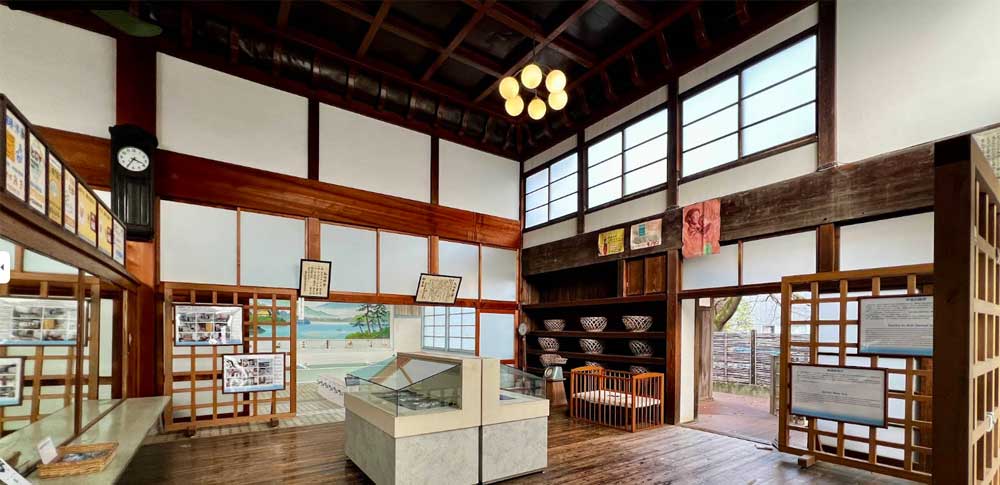
Upon entering the building, the first thing to catch the eye is the ceiling of the changing room. This ceiling structure, called an ori-age gou ceiling, is constructed with a grid pattern of ceiling boards that gradually rise toward the center—a prestigious style seen in temple architecture.
This ceiling structure makes the changing room feel larger than its actual area and creates an impression of openness and luxury. The ceiling height reaches approximately 4 meters, an extraordinarily lavish construction for a bathhouse of that time.
Mount Fuji Painting
On the wall facing the bathing room is a Mount Fuji painting, a standard feature of Tokyo-style bathhouses. This Mount Fuji was painted by specialist bathhouse mural artists, and the sight of Mount Fuji while soaking in the hot water evokes the tradition of “yuji” (hot spring therapy) dating back to the Edo period.
During the relocation and restoration, specialists carefully restored the painting to faithfully recreate its original appearance. The Mount Fuji painting visible today is a precious cultural heritage conveying Showa-era bathhouse culture to the present.
Tile Decoration and Building Materials
Kodakara-yu’s interior and exterior use colorful tiles that were popular from the Taisho period through the early Showa period. Decorative tiles around the entrance, tiles for the bathroom wainscoting, and floor tiles in the changing room all reflect the aesthetic sensibility of craftsmen of that era.
Particularly noteworthy are the blue-green tiles used in the bathroom wainscoting, which were high-end imported tiles at the time. Wood materials included noble timber such as cypress and zelkova, spared no expense, conveying the bathhouse owner’s determination at the time of construction.
Connection to Spirited Away
Design Sources for the Bathhouse
In the film “Spirited Away,” the bathhouse “Yubaba’s Bathhouse” where the protagonist Chihiro comes to work was created drawing inspiration from multiple existing buildings. Among these, Kodakara-yu’s kara-hafu exterior and lavish decoration directly influenced the dignified appearance of the bathhouse.
In the film, the bathhouse is depicted as a prestigious bathhouse where gods come to rest. To express this prestige, Director Miyazaki incorporated elements from traditional bathhouse architecture like Kodakara-yu.
The Model for Kamaji’s Boiler Room
Beyond Kodakara-yu, other buildings within the Edo-Tokyo Museum of Tatemonos also served as inspiration for “Spirited Away.” Particularly noteworthy is the building that became the model for the boiler room where Kamaji manages the medicine bath tokens.
The internal structure of Takei Sanshodo, a stationery shop in the East Zone of the park, particularly the way medicine drawers are arranged, is said to have influenced the design of Kamaji’s room. Actually visiting Takei Sanshodo creates a feeling as if a scene from the film appears before your eyes.
The Atmosphere of the Downtown Shopping District
The mysterious shopping district scene where Chihiro’s parents turn into pigs—the downtown atmosphere of that stage was inspired by the early Showa shopping district recreated in the East Zone of the Edo-Tokyo Museum of Tatemonos.
Shops like Kagiya (izakaya), Hana-ichi Florist, and Maruniu Store (general goods shop), characterized by a unique architectural style called “kanban-kenchiku” (storefront building), line the streets—literally the world of the film. Especially visiting at dusk allows one to feel more strongly the atmosphere of the opening scene of the film.
Kodakara-yu as a Photography Spot
Recommended Photography Angles
Full View from the Front
The standard angle for photographing Kodakara-yu is the full view from the front. The kara-hafu roof and the sculptures of the Seven Lucky Gods can be captured in a single photograph. Morning hours with soft light are particularly recommended.
Close-up of the Entrance
For photographing the fine details of the sculptures and decorative tiles, a close-up shot of the entrance is effective. To emphasize the three-dimensionality of the sculptures, aim for times when oblique light falls on the area.
Interior Ori-age Gou Ceiling
Inside the building, the ori-age gou ceiling in the changing room is an excellent photography spot. Using a wide-angle lens allows one to capture the three-dimensional structure of the ceiling dynamically.
Mount Fuji in the Bathroom
Photography is allowed inside the bathroom, but flash photography is prohibited. Practice photography using natural light. When photographing the Mount Fuji painting, capturing the entire view from the front is best.
Photography Precautions
At the Edo-Tokyo Museum of Tatemonos, personal commemorative photography is permitted freely, but the use of tripods or commercial photography requires advance application. Consideration for not disturbing other visitors is required.
Photography inside buildings is permitted, but flash photography is prohibited in some cases from a cultural property protection standpoint. Always check the precautions posted at the entrance of each building.
Other Ghibli-Related Buildings in the Park
Takei Sanshodo (Stationery Shop)
As previously mentioned, this stationery shop, said to have been the model for Kamaji’s boiler room, was built in 1927 (Showa 2) and is a representative example of kanban-kenchiku (storefront building) architecture, characterized by its copper-plated exterior.
Inside the shop, small drawers like medicine drawers are lined across the wall, which became the inspiration for Kamaji’s medicine bath token storage drawers in the film. Visitors can actually open the drawers and experience what the stationery shop of that era was like.
Kagiya (Izakaya)
An izakaya founded in 1856 (Ansei 3), it conveys the atmosphere of a liquor store continuing from the Edo period to the present. It is one of the buildings that influenced the image of the mysterious restaurant district where Chihiro’s parents dined.
Inside are displays of sake barrels and dishware from that era, allowing glimpses into the food and drink culture of common people in the Edo period. The earthen-floor and raised seating areas are preserved in their original state, creating a sensation of time travel.
Maruniu Store (General Goods Shop)
A general goods shop built in 1923 (Taisho 12) in the kanban-kenchiku style. Its decoratively copper-plated front facade retains strong characteristics of Tokyo downtown merchant building architecture from the post-Great Kanto Earthquake reconstruction period.
Inside, daily necessities such as brooms, baskets, and buckets are displayed as they were in that era, recreating the appearance of an early Showa shop. This building also contributed to creating the atmosphere of the film’s shopping district scenes.
Toden 7500 Streetcar
Not a building but a streetcar displayed in the park. The Toden (Tokyo Electric Railway) is said to be one of the models for the electric train in “Spirited Away.” It actually ran through Tokyo from 1962 to 1985, and visitors can enter the interior.
The atmosphere of the train Chihiro rides in the final scene of the film was likely inspired by the interior of this streetcar. The retro seating, straps, and interior advertisements recreate the daily scenery of Showa-era Tokyo.
Access and Basic Information
Location and Access Method
Location
〒184-0005 3-7-1 Sakuracho, Koganei City, Tokyo (within Koganei Park)
Access by Train
- JR Chuo Line “Musashi-Koganei Station” North Exit: approximately 25 minutes on foot or approximately 5 minutes by bus
- JR Chuo Line “Higashi-Koganei Station” North Exit: approximately 25 minutes on foot or approximately 6 minutes by bus
- Seibu Shinjuku Line “Hana-Koganei Station” South Exit: approximately 5 minutes by bus
Access by Bus
From Musashi-Koganei Station North Exit Bus Stops 2 or 3, take a Seibu Bus to “Koganei-Koen Nishi-guchi” (5 minutes on foot), or Kanto Bus to “Edo-Tokyo Tatemono-en mae” or “Koganei-Koen mae” (3 minutes on foot).
Access by Car
Approximately 20 minutes from “Chofu IC” on the Chuo Expressway. Koganei Park has a paid parking lot (regular cars: 300 yen per hour, then 100 yen per 30 minutes).
Opening Hours and Closing Days
Opening Hours
- April to September: 9:30 AM to 5:30 PM (admission until 5:00 PM)
- October to March: 9:30 AM to 4:30 PM (admission until 4:00 PM)
Closing Days
- Every Monday (if Monday is a holiday or observed holiday, then the following day)
- Year-end and New Year (December 28 to January 4)
Special Opening Days
The park may be open on Mondays during Golden Week or Obon periods. It is recommended to check the official website before visiting.
Admission Fees
Regular Admission
- General: 400 yen
- Ages 65 and over: 200 yen
- University students (including junior colleges and vocational schools): 320 yen
- High school, junior high students (outside Tokyo): 200 yen
- Junior high students (in-school or resident in Tokyo), elementary students, preschool children: free
Group Rates (20 or more people)
- General: 320 yen
- University students: 250 yen
- High school and junior high students: 160 yen
Annual Pass
- General: 1,600 yen
- Ages 65 and over: 800 yen
Purchasing an annual pass allows unlimited entry for one year, making it recommended for those who wish to enjoy the park’s seasonal landscapes.
Estimated Time for Visit
To fully enjoy the Edo-Tokyo Museum of Tatemonos, a minimum of 2 to 3 hours is necessary. If you wish to thoroughly view all buildings in the park and enjoy photography as well, plan for a half day (4 to 5 hours).
For efficiently visiting buildings related to Ghibli, focusing on the East Zone is recommended. In this case, you can tour the major buildings in approximately 1.5 to 2 hours.
Recommended Points When Visiting
Best Season
The Edo-Tokyo Museum of Tatemonos offers enjoyable scenery throughout the four seasons, with particular recommended periods.
Spring (late March to early April)
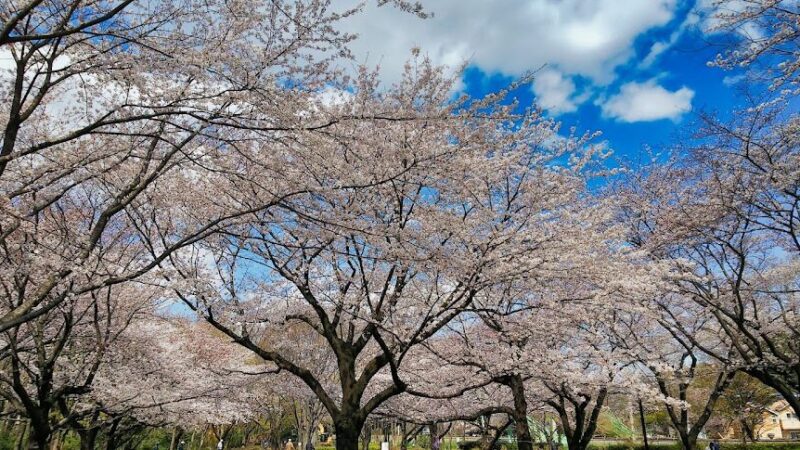
Koganei Park is known as a famous cherry blossom viewing spot, with approximately 1,700 cherry trees in bloom. The collaboration of cherry blossoms with historic buildings is ideal for photography.
Autumn (mid-November to early December)
During the fall foliage season, the trees in the park change color, and the harmony with the buildings is beautiful. The combination of fall colors and architecture is particularly spectacular in residences with Japanese gardens in the West Zone.
Winter (January to February)
A period with relatively few tourists, allowing leisurely building observation. Special events are held during the New Year, where traditional New Year decorations and games can be experienced.
Event Information
The Edo-Tokyo Museum of Tatemonos hosts various events throughout the year.
Shitamachi Yusuzumi (Late July to Early August)
A summer night special opening event where normally unseen buildings can be enjoyed with nighttime lighting. Many visitors in yukata create a time-travel atmosphere.
Fall Foliage and Building Lighting (Late November)
An autumn night special opening where fall foliage and historic buildings are illuminated fantastically. The park’s atmosphere, completely different from daytime, is popular with photography enthusiasts.
New Year Scenery (January 2-3)
An event where traditional Edo-Tokyo New Year decorations and games can be experienced. Traditional New Year games such as hanetsuki (badminton), kite flying, and spinning tops can be enjoyed.
Guided Tours and Volunteer Commentary
The Edo-Tokyo Museum of Tatemonos offers free building commentary by volunteer guides (advance confirmation recommended). Hearing explanations from knowledgeable guides while viewing allows deeper understanding of the buildings’ history and architectural techniques.
Periodically, special guided tours by curators are also held, where access to normally restricted areas and detailed architectural methods can be learned.
Surrounding Tourist Attractions
Koganei Park
Koganei Park, where the Edo-Tokyo Museum of Tatemonos is located, is a vast municipal park covering approximately 80 hectares. Within the park are the “Cherry Blossom Garden” known as a famous cherry blossom viewing site, large play equipment for children, cycling courses, tennis courts, and more, offering all-day entertainment.
Bringing a picnic lunch to enjoy is also recommended. During spring cherry blossom season in particular, the park is crowded with visitors.
Musashino no Mori Park
A municipal park located approximately 15 minutes by car from the Edo-Tokyo Museum of Tatemonos. It features a vast grassy plaza and a popular “observation hill” where one can view aircraft takeoffs and landings up close.
Shinjindai-ji
An ancient temple in Chofu City, approximately 20 minutes by car from the Edo-Tokyo Museum of Tatemonos. The temple gate town is famous for Shinjindai-ji soba, with numerous soba restaurants lining the street where meals can be enjoyed.
Studio Ghibli Museum, Mitaka
A must-visit for Ghibli fans, located approximately 30 minutes by train from the Edo-Tokyo Museum of Tatemonos. The world of Studio Ghibli can be fully enjoyed. However, entrance is by reservation only, requiring advance ticket purchase.
Tips for Maximum Enjoyment of Kodakara-yu
Prior Preparation
Watching “Spirited Away” again before the visit allows deeper enjoyment. Carefully observing the exterior of the bathhouse scene and Kamaji’s room scenes makes the actual building comparison interesting.
Additionally, reading about Kodakara-yu’s detailed history and architectural style on the Edo-Tokyo Museum of Tatemonos official website enhances on-site understanding.
Viewing Tips
Since Kodakara-yu is a popular spot, weekends and holidays are crowded. For leisurely viewing, weekday mornings are recommended. The time immediately after opening is particularly quiet, making photography easier.
Inside buildings, shoes must be removed and replaced with slippers. Wearing shoes that are easy to remove and put on is convenient. Additionally, buildings have no air conditioning, so dress appropriately for the season.
Best Timing for Photography
Kodakara-yu’s exterior photography is best captured around 10:00-11:00 AM when front lighting is optimal. During this time, even light illuminates the entire building, and the three-dimensionality of the kara-hafu and fine details of sculptures are clearly visible.
Interior photography relies on utilizing natural light. Particularly the ori-age gou ceiling creates beautiful shadows from light entering through skylights. Increase ISO sensitivity and be careful of camera shake while photographing.
Conclusion: Experiencing the World of Spirited Away
The Kodakara-yu at the Edo-Tokyo Museum of Tatemonos is not merely a tourist attraction. It is a precious cultural heritage conveying the history of Japanese bathhouse culture and simultaneously a source of inspiration for the beloved Ghibli work cherished worldwide.
When actually entering the building, looking up at the kara-hafu roof, being moved by the beauty of the ori-age gou ceiling, and standing before the Mount Fuji painting, we are not simply visiting a film location—we are touching the fading memories of Showa-era Tokyo.
One reason “Spirited Away” is beloved worldwide is the Japanese traditional culture and architectural beauty depicted in its background. Visiting Kodakara-yu allows understanding how the film’s worldview was born from such existing culture.
The Edo-Tokyo Museum of Tatemonos is enjoyable for a broad range of visitors: Ghibli fans, those interested in Japanese architecture and history, photography enthusiasts, and families alike. When visiting Tokyo, be sure to stop by. The entrance to that mysterious world where Chihiro lost her way awaits you among the greenery of Koganei Park.