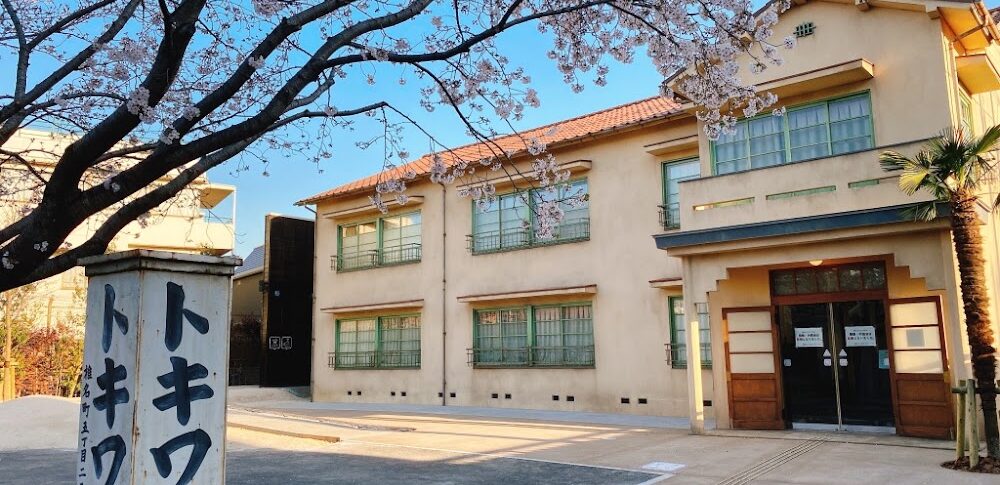
The “Toshima Ward Tokiwa-so Manga Museum,” which opened on July 7, 2020, in Minami-Nagasaki, Toshima Ward, Tokyo, is one of the most important sacred sites in Japanese manga history. This museum faithfully recreates “Tokiwa-so,” the legendary apartment where manga masters representing the Showa era—such as Osamu Tezuka, Fujiko Fujio (Fujiko F. Fujio and Fujiko Fujio A), Shotaro Ishinomori, and Fujio Akatsuka—gathered in their youth, honing their craft.
This article provides detailed information based on on-site research, covering the highlights of the Tokiwa-so Manga Museum—a must-see for manga fans and pilgrimage enthusiasts—including access methods, reservation systems, surrounding sacred sites, and an efficient pilgrimage route.
What is Tokiwa-so? The History Behind the Birth of Manga’s Sacred Site
The History and Historical Significance of Tokiwa-so
Tokiwa-so was a two-story wooden apartment built in 1952 (Showa 27) in Shiina-cho 5-chome, Toshima Ward, Tokyo (now Minami-Nagasaki 3-chome). The monthly rent was approximately 3,000 yen, making it an affordable residence for young manga artists at the time.
The first resident was Osamu Tezuka, who moved in through an introduction by an editor of “Manga Shounen.” Subsequently, upon Tezuka’s recommendation and hearing of the place’s reputation, talents who would later lead the Japanese manga world—including Fujiko Fujio, Shotaro Ishinomori, Fujio Akatsuka, Hideko Mizuno, Tokuō Yokota, Shinichi Suzuki, and Naoya Moriyasu—moved in one after another.
Why Tokiwa-so Became Manga’s Sacred Site
The reason Tokiwa-so is remembered as a sacred site is not merely because manga artists lived there. It was a place where young talents stimulated each other, showed their manuscripts to one another, created works collaboratively, and sometimes engaged in all-night discussions—truly a “manga youth era” unfolded here.
From the daily life in four-and-a-half tatami mat rooms, shared cooking spaces for interaction, and casual conversations on staircases, numerous masterpieces that shaped Japanese manga culture were born. The origins of beloved works such as “Astro Boy,” “Doraemon,” “Cyborg 009,” and “Osomatsu-kun” lay here.
The Demolition of Tokiwa-so and the Path to Restoration
Tokiwa-so was demolished in December 1982 (Showa 57) due to deterioration. Though it was lamented by many manga fans and related parties, the concept of building preservation was not as widespread at the time.
However, voices calling for Tokiwa-so’s revival grew year by year. Toshima Ward announced its construction plan in 2016, and restoration work proceeded from 2019 in Minami-Nagasaki Hanasaki Park, about 200 meters west of the original site (now occupied by Nihon Joga Shuppan’s new building). The museum opened on July 7, 2020, as the “Toshima Ward Tokiwa-so Manga Museum.”
Highlights of Toshima Ward Tokiwa-so Manga Museum
Building Exterior Recreated at Nearly Full Scale
The museum’s greatest feature is its faithful recreation of Tokiwa-so’s building at nearly full scale. The wooden two-story exterior recreates the appearance of Tokiwa-so as it was in the 1960s, about a decade after its construction.
Particularly noteworthy is the “aging” process—a special technique that deliberately gives new construction an aged appearance, creating an atmosphere as if you’ve stepped back into the 1930s-1940s Showa era. Attention to detail is evident throughout: faded wall colors, weathered wood, and aged-looking signage.
Details of Recreated Living Spaces
Four-and-a-Half Tatami Mat Rooms
On the second floor of the museum, multiple four-and-a-half tatami mat rooms are recreated—the actual spaces where manga artists lived and created their works. Each room is furnished with period furniture, desks, manuscript paper, pens, ink, and reference materials, allowing visitors to experience the manga artists’ creative environment.
Osamu Tezuka’s room features the desk he reportedly used and medical texts (Tezuka was a licensed physician). Fujiko Fujio’s room recreates the two working together, and Shotaro Ishinomori’s room provides a glimpse of his extensive material collection.
Shared Cooking Space
The shared cooking space, which was a gathering place for Tokiwa-so residents, is also faithfully recreated. Here, manga artists prepared simple meals and discussed their works. Period cooking utensils, dishes, refrigerators, and other items are displayed, brimming with the atmosphere of 1930s-1940s life.
Entrance, Stairs, and Hallway
The creaking stairs characteristic of wooden apartments, narrow corridors, and simple entrance are recreated in meticulous detail. Even the squeaking sounds of the stairs are recreated, allowing visitors to experience Tokiwa-so with all five senses.
Toilet and Lavatory
Shared toilets and lavatories are recreated as they were then, offering valuable insight into the Showa-era lifestyle, vastly different from modern facilities.
Exhibition Hall and Manga Reading Corner
Inside the museum is an exhibition hall displaying works and materials of manga artists associated with Tokiwa-so. The exhibition contents change regularly, featuring original artwork, handwritten manuscripts, photographs, letters, period magazines, and other valuable materials.
In the manga reading corner, visitors can freely read works by manga artists associated with Tokiwa-so. Visitors can engage with numerous masterpieces including “Astro Boy,” “Jungle Emperor,” “Doraemon,” “Ghost Q-Taro,” “Cyborg 009,” “Kamen Rider,” “Osomatsu-kun,” and “Genius Bakabon.”
Anime Tourism Association-Certified Sacred Site Plaque
The Tokiwa-so Manga Museum is recognized as one of the “Anime Sacred Sites 88” certified by the Japan Anime Tourism Association. The certified plaque is displayed at the base of the first-floor stairs and is a popular spot for pilgrimage souvenir photos.
Admission Information: Reservation Method, Fees, and Hours
Reservation Priority System
The Tokiwa-so Manga Museum employs a reservation-priority system to provide visitors with safe and comfortable viewing. By making advance reservations through the official website, you can secure entry.
However, even without a reservation, entry is possible if there is capacity. Particularly on weekday mornings, the museum tends to be relatively uncrowded, but weekend visits, periods with special exhibitions, and holidays are expected to be busy, so advance reservations are strongly recommended.
Admission Fees
- General: 500 yen
- Elementary and middle school students: 100 yen
- Preschool children: Free
Toshima Ward residents and those with disability certificates may be eligible for discounts; check the official website for the latest information.
Hours and Closed Days
- Hours: 10:00 AM–6:00 PM (Final entry 5:30 PM)
- Closed: Mondays (or the following weekday if Monday is a holiday), year-end/new-year period, exhibition changeover periods
You can check today’s opening status on the museum’s official website homepage. Always verify before visiting.
Access: How to Get to Tokiwa-so Manga Museum
By Train
Oedo Line (Toei)
The easiest route is approximately a 5-minute walk from Ochiai-Minami-Nagasaki Station Exit A2.
- Exit from A2, heading west on Mejiro-dori
- Turn left at the “Minami-Nagasaki 3-chome” intersection
- Continue straight about 200 meters; Minami-Nagasaki Hanasaki Park appears on the right
- Proceed into the park to reach Tokiwa-so Manga Museum
Seibu Ikebukuro Line
Approximately 10 minutes on foot from Higashi-Nagasaki Station South Exit.
- Exit the South Exit, heading west on Shin-Aome Kaido
- Turn right at the “Minami-Nagasaki 3-chome” intersection
- Continue straight about 200 meters; Minami-Nagasaki Hanasaki Park appears on the right
Other Lines
- Seibu Ikebukuro Line “Shiina-cho Station” – approximately 15 minutes on foot
- JR Yamanote Line “Mejiro Station” – accessible by bus
By Bus
Take the Seibu Bus from Ikebukuro Station West Exit heading toward “Egota 2-chome,” “Egota Station,” or “Nagasaki 1-chome,” and get off at “Ochiai-Minami-Nagasaki Station” or “Minami-Nagasaki 3-chome” bus stop. Walk approximately 5 minutes.
By Car and Parking
The museum has no dedicated parking lot. Public transportation is strongly recommended. If you must drive, you’ll need to use nearby coin parking, though spaces are limited. It’s advisable to check parking locations in advance.
Sacred Site Pilgrimage: Surrounding Spots Near Tokiwa-so Manga Museum
Tokiwa-so-dori Rest House
Located approximately 3 minutes on foot from the Tokiwa-so Manga Museum, the “Tokiwa-so-dori Rest House” is a facility promoting the charm of Minami-Nagasaki, the town where Tokiwa-so stood.
Here, you can purchase official Tokiwa-so merchandise. Original T-shirts, clear files, postcards, replica autographs of manga artists, and other pilgrimage souvenirs are available in abundance. There are also exhibitions about Tokiwa-so and the surrounding area’s history, open for free viewing.
A rest area is available, making it ideal for taking a break during your pilgrimage.
Tokiwa-so Manga Station
The “Tokiwa-so Manga Station” is a facility where you can freely read manga books and related materials associated with Tokiwa-so. It provides a different perspective on Tokiwa-so’s history and the works of the manga artists compared to the museum.
Here, you’ll find research books on Tokiwa-so, autobiographies of manga artists, critiques, interview collections, and other resources for deeper understanding of Tokiwa-so culture.
Actual Tokiwa-so Site
The actual location where Tokiwa-so stood is approximately 200 meters west of the museum, about a 3-minute walk away. Currently, the Nihon Joga Shuppan building stands here, but a memorial marker indicating “Tokiwa-so Site” is placed in front.
For pilgrims, this location holds special significance. It was here that manga masters once lived and built the foundation of Japanese manga culture. Why not stand before the memorial and reflect on those times?
Chinese Restaurant “Matsuba”
The Chinese restaurant “Matsuba,” which Tokiwa-so residents frequented, continues to operate today. The “Chūshū-men” (char siu ramen) the manga artists favored is still offered as a signature menu item.
The restaurant displays autographs and photographs of manga artists associated with Tokiwa-so, allowing you to feel the atmosphere of that era. Why not visit for lunch or dinner during your pilgrimage?
Minami-Nagasaki Hanasaki Park
Minami-Nagasaki Hanasaki Park, where the museum is located, is itself suitable for strolling with beautiful seasonal flowers and seating areas for relaxation. Monuments and panels related to Tokiwa-so and manga are installed throughout the park.
Tokiwa-so-dori Shopping Street
The shopping street around the Tokiwa-so site, known as “Tokiwa-so-dori Shopping Street,” is advancing town development themed around manga. Walking through the street, you’ll see manga character monuments, plaques showing the footsteps of manga artists, and manga-themed decorations throughout.
Some shops offer menus and merchandise inspired by manga artists associated with Tokiwa-so. Take your time strolling and savor the atmosphere of this manga sacred site.
Efficient Sacred Site Pilgrimage Model Courses
Half-Day Course (approximately 3–4 hours)
- 10:00 Arrival at Ochiai-Minami-Nagasaki Station
- 10:10 Entry to Tokiwa-so Manga Museum (approximately 90 minutes)
- 11:40 Shopping and rest at Tokiwa-so-dori Rest House (30 minutes)
- 12:10 Visit to the actual Tokiwa-so site (15 minutes)
- 12:30 Lunch at Chinese restaurant “Matsuba” (60 minutes)
- 13:30 Stroll through Tokiwa-so-dori Shopping Street (30 minutes)
- 14:00 Material viewing at Tokiwa-so Manga Station (30 minutes)
Full-Day Course (approximately 6–7 hours)
Add the following to the half-day course:
- Toshima Ward Local History Museum (Tokiwa-so-related materials available)
- Tour Osamu Tezuka-related locations (Namiki House, etc.)
- Explore manga-related spots in Shiina-cho and Higashi-Nagasaki areas
- Leisurely manga viewing at a café
Sacred Site Pilgrimage Tips
- Advance Reservation: Since the museum operates on a reservation-priority basis, booking in advance is essential for guaranteed entry
- Check Opening Days: Monday is a closed day, so be mindful
- Bring a Camera: The exterior and surrounding spots allow photography (some restrictions apply indoors)
- Wear Comfortable Shoes: Recommended for exploring the surrounding area
- Allow Ample Time: The museum alone requires 90 minutes to 2 hours; including surrounding spots, plan for a half-day to full day
Special Exhibitions and Events at Tokiwa-so Manga Museum
Past Major Special Exhibitions
The Tokiwa-so Manga Museum periodically holds special exhibitions. Past exhibitions have included:
- Osamu Tezuka Birth Anniversary Exhibition
- Fujiko Fujio Special Exhibition
- The World of Shotaro Ishinomori
- Fujio Akatsuka’s Gag Manga Exhibition
- Female Manga Artists of Tokiwa-so
- “Manga Shounen” and Tokiwa-so
Each exhibition features original artwork, handwritten manuscripts, rare photographs, period magazines, and other materials not usually viewable.
Event Information
The museum regularly hosts lectures, talk events, workshops, and more. Events featuring manga researchers, critics, and sometimes individuals connected to Tokiwa-so offer valuable opportunities for manga enthusiasts.
Event information can be found on the museum’s official website “EXHIBITION & EVENT” page. Popular events fill up quickly, so check frequently.
Toshima Ward’s Town Development Through Manga
Cultural Promotion Centered on Tokiwa-so
Toshima Ward actively advances town development using manga, centered on the Minami-Nagasaki area where Tokiwa-so stood. The Tokiwa-so Manga Museum is the core of these efforts.
The ward positions “town development utilizing manga and anime” as an important policy, aiming to promote culture, tourism, and regional revitalization. Collaboration with Tokiwa-so-dori Shopping Street, hosting manga events, and developing manga-related facilities represent multifaceted initiatives.
Inheriting Tokiwa-so Culture
The museum’s role extends beyond simply exhibiting past heritage. It is also an important mission to pass on to the next generation the manga culture nurtured at Tokiwa-so, the passion and dedication of creators, and the spirit of mutual refinement.
Educational programs, support for young manga artists, and manga production workshops are among the activities promoting future manga culture.
Visitor Opinions and Reviews
Evaluation from Manga Fans
Visitors have shared comments like:
- “Seeing the four-and-a-half tatami mat room, I was moved that masterpieces were created in such a tiny space”
- “I was amazed by the realism of the aging process. It truly feels like stepping back into the Showa era”
- “The image of manga artists discussing their work in the shared cooking space comes alive”
- “Since I had reserved, I could view at leisure”
- “Including surrounding sacred sites, I enjoyed a full day”
Testimonies from Pilgrims
Those visiting as pilgrims particularly praised:
- Commemorative photos with the Anime Tourism Association-certified sacred site plaque
- Deeper emotional resonance from visiting the actual Tokiwa-so site
- The joy of purchasing merchandise at Tokiwa-so-dori Rest House
- The experience of eating the same menu at “Matsuba” as the manga artists
- Searching for manga-related decorations and monuments throughout the shopping street
Conclusion: Experience Japanese Manga History at Tokiwa-so Manga Museum
The Toshima Ward Tokiwa-so Manga Museum is not merely a museum. It is the origin of Japanese manga culture, a sacred site filled with the youth and passion of creators.
Tokiwa-so, where Osamu Tezuka, Fujiko Fujio, Shotaro Ishinomori, and Fujio Akatsuka lived in their youth, discussed their dreams, and created their works. Visiting this faithfully recreated museum allows you to experience an important page in Japanese manga history.
Located in Tokyo with excellent accessibility and offering comfortable viewing through its reservation-priority system, the Tokiwa-so Manga Museum is a must-see for manga enthusiasts, those interested in Japanese culture, and pilgrimage lovers.
By visiting surrounding sacred sites in conjunction, you can gain deeper understanding of Tokiwa-so culture and trace the footsteps of manga masters. By all means, visit Minami-Nagasaki, the town where Tokiwa-so stood, with time to spare.
Check the official website for the latest exhibition information, event details, and reservation status to plan your sacred site pilgrimage. Tokiwa-so, the sacred site of manga, awaits you.